Anak Baba

Michelin Bib Gourmand
Our verdict
A Michelin Bib Gourmand recipient in 2024 and 2025, Anak Baba sits in Brickfields' Little India quarter and serves Southern Peranakan cooking at neighbourhood prices. Where higher-tier Malaysian restaurants spend considerable effort recontextualising tradition, this counter-style spot simply executes it: coconut rice, turmeric-fried chicken, fiery sambal, and the quiet confidence of a place that has been doing this since 2018.

Pearl is the En Primeur Club membership app, where members save venues, book tables and use the concierge.
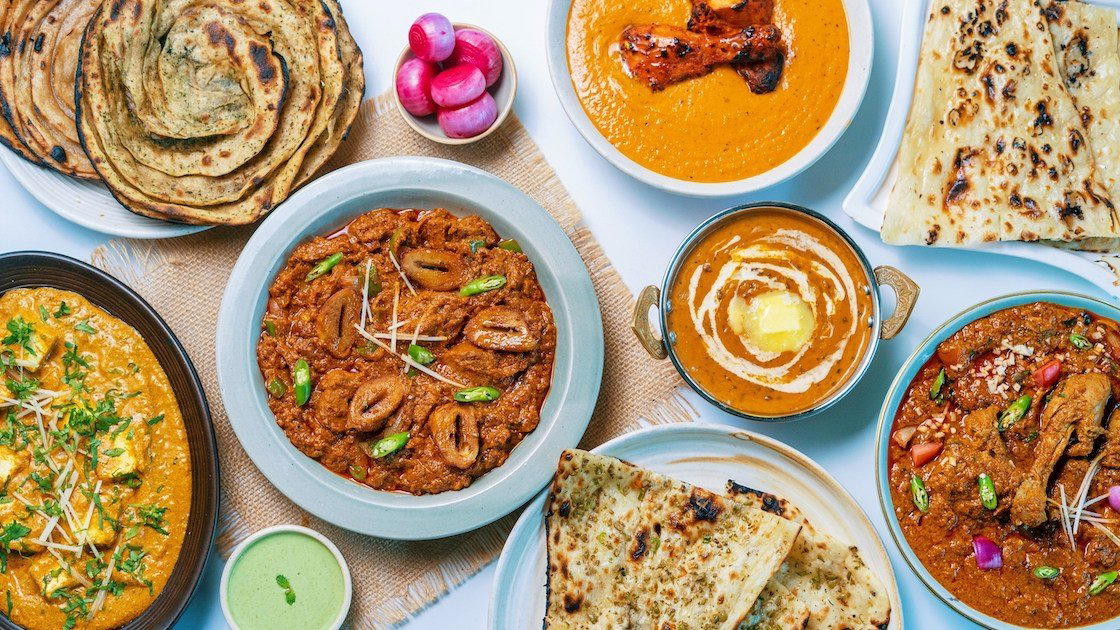
The menu
What to order
- Nasi lemak with ayam goreng kunyit
- Cendol
- Pai tee
- Nyonya laksa
Brickfields, Little India, and the Logic of Eating Simply
Jalan Sultan Abdul Samad in Brickfields runs through one of Kuala Lumpur's densest sensory corridors. The street belongs to Little India: garland sellers, sari shops, the faint sweetness of incense threading between shopfronts. It is not a neighbourhood that typically appears in fine-dining conversations, which is precisely what makes Anak Baba's position here worth examining. Since 2018, this small room has been serving Southern Peranakan food at a price point that puts it in the same bracket as Ah Hei Bak Kut Teh rather than the starred tiers occupied by Dewakan or Beta. Michelin's Bib Gourmand, awarded consecutively in 2024 and 2025, is the inspector's way of saying that value and quality are not in competition here.
The Bib Gourmand category has specific criteria: good food at a price that won't strain the wallet, which in Kuala Lumpur's context places Anak Baba well below the city's Michelin-starred dining tier. Dewakan holds two Michelin stars and prices at the top of the local market. Beta and Akar occupy the one-star tier with a corresponding pricing register. Anak Baba's single-dollar price range signals something different: this is neighbourhood-scale cooking that Michelin inspectors found worth noting on its own terms, not as an entry point to a more expensive conversation.
Southern Peranakan Cooking: What the Category Actually Means
Peranakan cuisine, broadly, describes the hybrid food culture that emerged from Chinese settlement in the Malay Archipelago over several centuries. It layers Chinese technique and ingredient logic onto Malay spice traditions, producing a cuisine that belongs fully to neither parent tradition and is richer for it. The Southern variant, rooted in the Malay Peninsula rather than in Penang's more northerly Chinese-inflected style, tends toward bolder sambal work, more coconut milk in the base register, and a closer integration of Indo-Malay flavour profiles.
This is a cuisine tradition with serious regional depth elsewhere in Malaysia. Auntie Gaik Lean's Old School Eatery in George Town represents the Penang lineage of the same tradition. Communal Table by Gēn in George Town takes a more contemporary position with the same source material. What Anak Baba does is hold the Southern version of this tradition in place, without renovation or reinterpretation, in a city neighbourhood that has retained its own cultural identity against the pressures of Kuala Lumpur's rapid urban development.
The Ritual of Nasi Lemak
The Bib Gourmand citation calls out nasi lemak with ayam goreng kunyit as the dish to order. Nasi lemak is Malaysia's most legible national dish: rice cooked in coconut milk, served with sambal, anchovies, peanuts, a boiled egg, and usually some form of protein. The dish has a daily rhythm to it in Malaysia, it appears at breakfast, at roadside stalls, in school canteens, at high-end hotel buffets reinterpreted for tourist menus. It also serves as a direct measure of a kitchen's baseline standards, because there is nowhere to hide in a dish this familiar.
The ayam goreng kunyit, turmeric-fried chicken, introduces an additional layer of specificity. Turmeric frying produces a different result than a plain seasoned batter: the spice penetrates the meat, the colour turns deep gold, and the outer crust carries a faint earthiness that contrasts with the coconut sweetness of the rice. Alongside a sambal calibrated for heat, and water spinach for textural contrast, the combination maps the full flavour range of Southern Peranakan cooking in a single plate. It is the kind of dish that rewards eating slowly, component by component, before combining everything in the way the kitchen intends.
This is the dining ritual at Anak Baba: not a sequence of courses or a progression of wine pairings, but the considered assembly of a single, complete plate. The pace is set by the food itself rather than by service choreography. Eating here means paying attention to ratios, how much sambal per spoonful of rice, when to fold in the crisp water spinach, whether to eat the fried chicken in sections or pull it apart entirely. At its finest, nasi lemak requires this kind of engagement to appreciate what the kitchen has actually done.
For those tracking the spread of this cooking tradition beyond Malaysia, the comparison set is instructive. Fiz in Singapore applies Malaysian flavour logic in a more structured fine-dining format. Azalina's in San Francisco translates similar source traditions for a diaspora and international audience. Food Terminal in Atlanta and GaGa in Glasgow represent Malaysian cooking travelling further still. The consistent thread across this diaspora is that the flavour architecture, coconut, chilli, turmeric, tamarind, holds regardless of geography. Anak Baba operates at the source of that tradition, without adaptation.
Positioning Within Kuala Lumpur's Current Scene
Kuala Lumpur's restaurant scene has split visibly in recent years between a formal, award-chasing tier and a much larger informal sector where neighbourhood kitchens, hawker stalls, and small shopfront restaurants continue operating outside the award conversation entirely. The Bib Gourmand occupies an interesting position across that divide: it is a Michelin citation, which implies recognition by the same inspectors who award stars, but its criteria are specifically about value and accessibility rather than refinement or innovation.
Anak Baba sits comfortably on the informal side of that divide while holding the Michelin credential. It shares this position with Congkak in Bukit Bintang, another entry in Kuala Lumpur's casual Malaysian dining tier with Michelin attention. The contrast with higher-end venues is structural, not qualitative: the room at Anak Baba is small and direct, the menu is focused, and the pricing reflects cooking that is meant to be eaten regularly rather than reserved for occasions. For context on the full range of dining options in the city, our full Kuala Lumpur restaurants guide maps the scene from hawker level to fine dining.
Getting to Brickfields from the city centre is direct: the KL Sentral transport hub is the neighbourhood's anchor, and the walk to Jalan Sultan Abdul Samad is short from there. The area's density means finding the restaurant is easier than the address might initially suggest, Little India has a distinct visual and sensory identity that makes it immediately recognisable on arrival. Given the small room size and the Michelin attention the restaurant has received, arriving at off-peak hours is the practical approach for those without advance intelligence on typical queue lengths. For broader planning across the city, our Kuala Lumpur hotels guide, bars guide, and experiences guide cover the full picture.
Further afield in Malaysia, the Peranakan tradition runs deep in Penang. Bee See Heong in Seberang Perai represents the northern variant of this cooking heritage, while The Planters at The Danna in Langkawi offers a resort setting with regional food context. Anak Baba, by contrast, is entirely without resort ambition. It is a shopfront in a working neighbourhood, doing one thing with demonstrated competence across seven years of operation and two consecutive Michelin Bib Gourmand recognitions. That is the credential that matters here.
Frequently asked questions
Would Anak Baba be comfortable with kids?
Yes. At a single-dollar price point in a casual Brickfields shopfront, Anak Baba is a practical choice for families eating in Kuala Lumpur. The format is informal and the menu centres on accessible Southern Peranakan dishes like nasi lemak, which works well across age groups. The Bib Gourmand recognition confirms value, not formality.
What should I expect atmosphere-wise at Anak Baba?
Anak Baba sits inside a Brickfields shopfront on Jalan Sultan Abdul Samad, in the middle of Kuala Lumpur's Little India district. The setting is casual and neighbourhood-oriented, no structured service, no dress code implied by the single-dollar pricing. Two consecutive Michelin Bib Gourmand citations (2024 and 2025) recognise the cooking, not the room.
Does Anak Baba have a Michelin star or similar recognition?
Anak Baba has received recognition including: Since 2018, this cosy little gem tucked inside the Little India has been serving authentic Southern Peranakan cuisine that melds Indo-Malay flavours with Chinese influences. The must-try nasi lemak with ayam goreng kunyit is the quintessent….
What's the signature dish at Anak Baba?
The nasi lemak with ayam goreng kunyit is the dish cited directly in the Bib Gourmand recognition: coconut milk rice served with turmeric-fried chicken, sambal, and water spinach. The combination places the mildly sweet rice against spiced, crisp chicken and a fiery sambal, which is the structural logic of the dish. It represents the Southern Peranakan cooking that has drawn the Michelin listing two years running.
Compact Comparison
| Venue | Cuisine | Price | Awards | Notes |
|---|---|---|---|---|
| Anak BabaThis venue (the venue you are viewing) | Malaccan Baba Nyonya | $10–20 | Michelin Bib Gourmand | Not listed |
| Dewakan | Modern Malaysian Fine Dining | $150–200 | 2 Michelin Stars · World's 50 Best #62 | Malaysian |
| Beta | Modern Malaysian Fine Dining | $100–150 | 1 Michelin Star · La Liste Top Restaurants | Malaysian |
| Molina | Avant-Garde European Fine Dining | $150–200 | 1 Michelin Star | Innovative |
| DC. by Darren Chin | French Contemporary Fine Dining | Not listed | 1 Michelin Star · La Liste Top Restaurants | French Contemporary |
| Ah Hei Bak Kut Teh | Traditional Herbal Bak Kut Teh | $10–20 | Michelin Bib Gourmand | Malaysian |
Recognition history
Dated appearances from independent guides and award organizations, with the underlying list record or original source where available.
Michelin Bib Gourmand
Michelin
Full recognition history (3 entries)
Michelin Bib Gourmand
Michelin
Michelin Bib Gourmand
Michelin
Continue exploring
More in Kuala Lumpur
Restaurants in Kuala Lumpur
All restaurants in Kuala Lumpur →
Bars in Kuala Lumpur
All bars in Kuala Lumpur →


Details
- Cozy
- Rustic
- Family
- Casual Hangout
- Historic Building
- A La Carte
- Halal
Current opening hours
- Monday
- 7 AM–10 PM
- Tuesday
- 7 AM–10 PM
- Wednesday
- 7 AM–10 PM
- Thursday
- 7 AM–10 PM
- Friday
- 7 AM–10 PM
- Saturday
- 7 AM–10 PM
- Sunday
- 7 AM–10 PM
Hours can change for holidays and private events. Hours as of .
Cosy nostalgic atmosphere in a traditional kopitiam setting with Peranakan decor and oldies music.