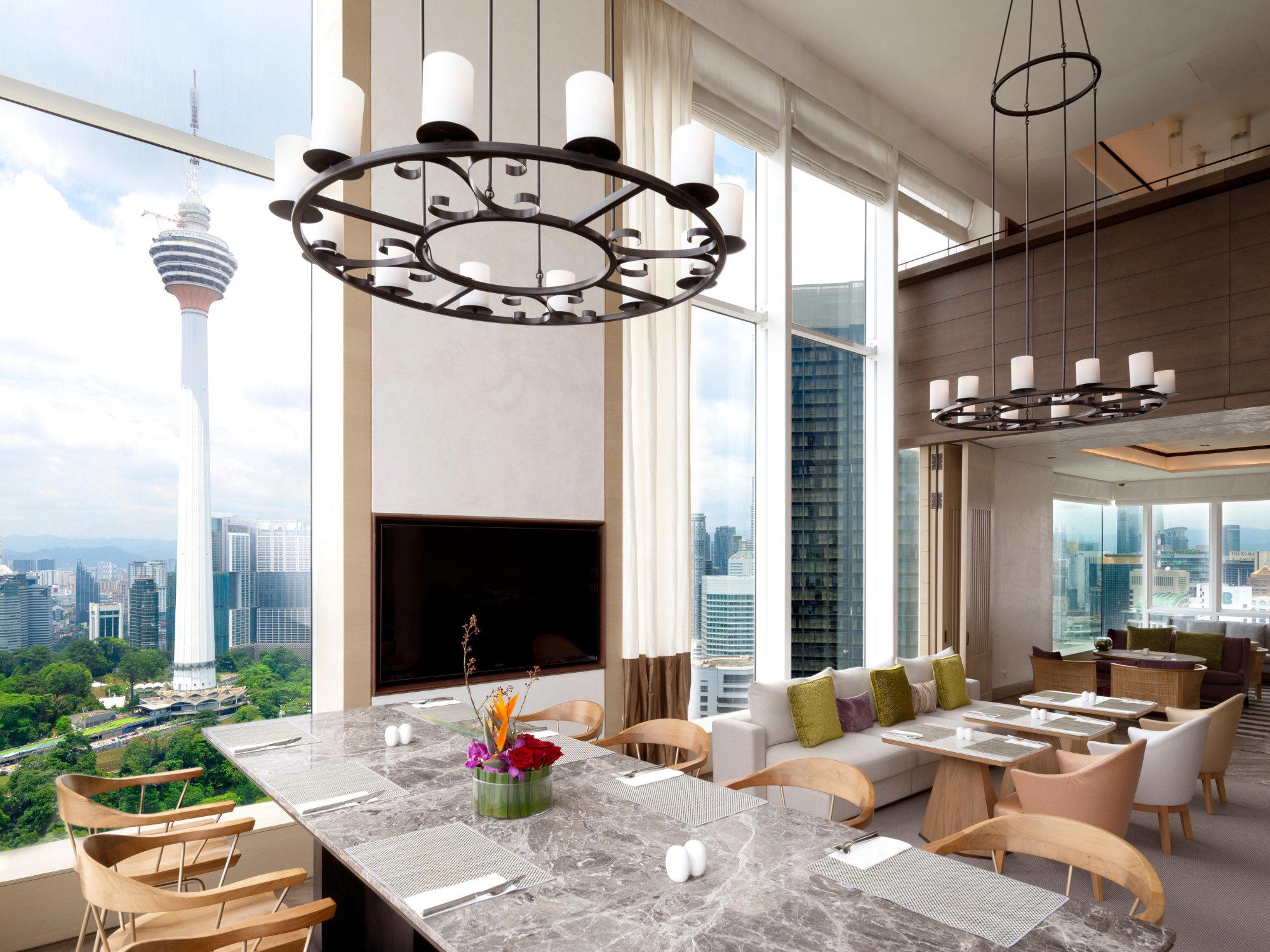
Sisters Crispy Popiah
Our verdict
Sisters Crispy Popiah is one of Kuala Lumpur's most discussed street-food institutions, built around the Hokkien-Peranakan tradition of fresh spring rolls assembled to order. The draw is the craft of the thing: layers of braised turnip, crisp lettuce, and house-made sauces wrapped in a thin wheat skin at the counter. It sits at the hawker end of a city that also supports fine-dining Malaysian at Dewakan and Beta, making it a useful calibration point for how KL's food culture spans extremes.

Pearl is the En Primeur Club membership app, where members save venues, book tables and use the concierge.
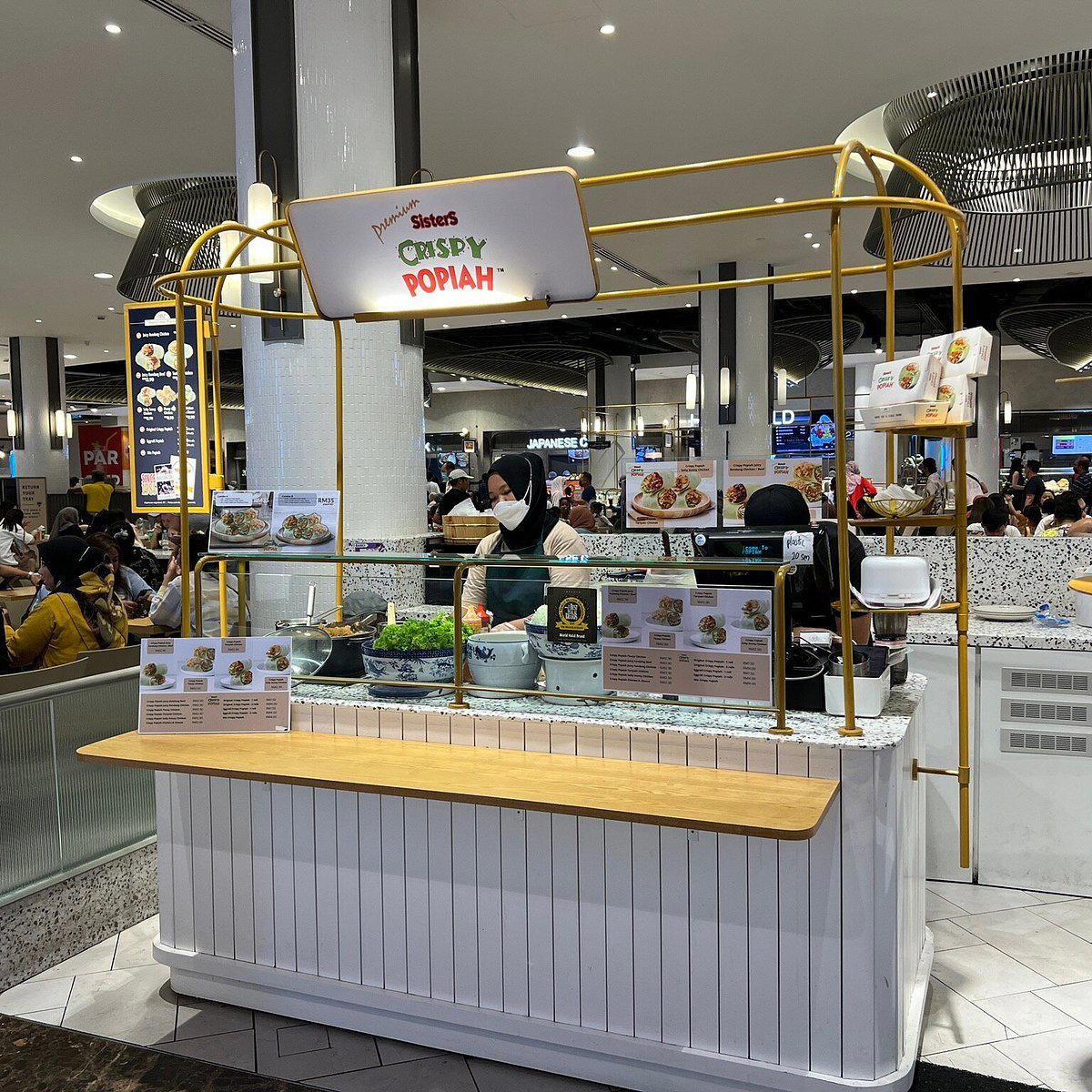
The menu
What to order
- Crispy Popiah
- Egg Roll Crispy Popiah
Where the Roll Meets the Recipe
Kuala Lumpur's hawker culture operates on a principle that rewards repetition: the stalls that last are the ones that have made the same thing, the same way, long enough that the recipe becomes institutional memory. Popiah, the fresh spring roll tradition inherited from Hokkien and Peranakan cooking, is one of the clearest examples. Unlike its deep-fried cousin found across Southeast Asia, the fresh version demands restraint and precision, a thin, pliable wheat skin packed with braised jicama (bangkuang), bean sprouts, egg, lettuce, and a combination of sweet sauce, chilli paste, and sometimes hoisin, all assembled to order in front of the customer. The filling-to-wrapper ratio, the wetness of the braised vegetables, the crunch sequence, these are variables that separate a competent popiah from one worth returning to.
Sisters Crispy Popiah occupies that second category in the minds of a significant number of Kuala Lumpur regulars. The stall has built its reputation not through awards circuits or chef credentials, but through the kind of sustained neighbourhood word-of-mouth that keeps hawker culture alive in a city increasingly drawn toward restaurant formats. In a food scene that now includes Michelin-recognised operations like Dewakan, French contemporary rooms like DC. by Darren Chin, and innovative tasting menus at Molina and Ling Long, the continued pull of a hawker stall around a single dish is its own argument about what defines the city's food identity.
The Ingredient Logic Behind Popiah
Popiah is fundamentally an ingredient-sourcing dish. What you taste is almost entirely determined by the quality and preparation of the bangkuang, jicama, or yambean, which is braised low and slow until it softens without dissolving, holding moisture but not turning into a uniform mash. The leading versions retain some texture contrast between the braised centre and the fresher raw components added at assembly: bean sprouts, thin egg omelette strips, lettuce, and sometimes grated carrot or crab meat depending on regional or family tradition.
The Hokkien and Peranakan lineage of popiah in peninsular Malaysia traces partly to similar traditions in Penang, where stalls like those covered in our guide to Air Itam Asam Laksa, Chong Char Koay Teow, and 888 Hokkien Mee represent a parallel hawker vocabulary. In KL, the dish absorbed additional Chinese-Malaysian influences, and the sauce combination, typically a dark sweet sauce alongside a sambal chilli paste, varies enough between stalls to make each version identifiable. The skin itself, a soft wheat-based crepe-like wrapper, is the most perishable and technically demanding component: too thick and it overwhelms, too thin and it tears under the weight of wet filling.
The name "crispy" in Sisters Crispy Popiah signals a variation on the traditional format, incorporating elements that add textural contrast, typically crispy fried shallots or crushed crackers folded into the roll at the point of wrapping. This is not a departure from tradition so much as a regional and generational adaptation that reflects how hawker recipes evolve across decades while retaining their structural logic. For broader context on how Peranakan food traditions are preserved and reinterpreted in Malaysia, Auntie Gaik Lean's Old School Eatery in George Town offers a useful reference point at the sit-down Nyonya end of the same tradition.
KL's Hawker End of the Spectrum
Understanding Sisters Crispy Popiah requires placing it correctly in Kuala Lumpur's price and format range. The city's dining options now span from street-level hawker stalls operating at ringgit-denomination price points up to tasting-menu rooms at the $$$$-tier occupied by Beta and Dewakan. Sisters sits at the accessible end of that range, making it relevant to a different kind of visit decision: not which tasting menu to commit an evening to, but which hawker format leading represents a specific culinary tradition.
That positioning means the experience is fast, transactional, and outdoor-or-semi-covered in the way that characterises most KL hawker eating. There is no reservation system, no dress consideration, and no formal service. The queue, if there is one, is the mechanism. Arrival during off-peak hours, mid-morning or mid-afternoon rather than lunch rush, typically reduces wait time at popular stalls of this type. For visitors also exploring the rest of Malaysia's hawker register, our guides to Jia Yi Dao Vegetarian Restaurant in Taiping and Da De Bah Kut Teh in Borneo cover complementary traditions at the same accessible price tier.
The fuller picture of what KL offers across all price tiers and formats is in our complete Kuala Lumpur restaurants guide.
Planning Your Visit
As with most established hawker stalls in Kuala Lumpur, the practical approach is to verify current location and operating hours through Google Maps before visiting, as stall positions and schedules can shift. Payment is almost universally cash-first at hawker level in KL, though QR-code digital payment options have expanded significantly across Malaysian hawker markets in recent years. No booking is required or available, this is walk-up eating, with availability determined by time of day and the stall's own schedule.
Frequently asked questions
How does the crispy popiah at Sisters differ from the fresh popiah style found elsewhere in Kuala Lumpur?
Fresh popiah uses a soft, steamed wheat skin wrapped around the filling and served immediately; the crispy version is fried after assembly, producing a sealed, crackling exterior that holds the bangkuang filling differently under the tooth. In Kuala Lumpur's hawker circuit, most popiah stalls default to the fresh style, which makes Sisters Crispy Popiah's fried approach a specific category choice rather than a regional default. The textural contrast, crunchy shell against the soft, braised interior, is what draws repeat customers to the crispy format.
What's the best thing to order at Sisters Crispy Popiah?
The popiah is the only item worth discussing here, that is the entire operation. The crispy variant is the draw, built around bangkuang (jicama) as the core filling, where the quality of preparation determines everything on the plate. At a stall operating on this kind of focused repetition, the answer is always the signature roll.
Is Sisters Crispy Popiah reservation-only?
No. Sisters Crispy Popiah operates on a walk-in, hawker-stall format, which is standard for this tier of Kuala Lumpur street food. Queues form during peak meal hours, so arriving early or between lunch and dinner rushes is the practical approach.
What's the standout thing about Sisters Crispy Popiah?
Hawker longevity in Kuala Lumpur is its own credential, stalls that survive do so because the product holds. Sisters Crispy Popiah sits in a category where the cooking method and ingredient sourcing are the entire identity, not a chef's name or a dining room concept. The crispy preparation sets it apart from the fresh-roll popiah stalls that dominate elsewhere in the city.
Can Sisters Crispy Popiah handle vegetarian requests?
Popiah as a format is largely vegetable-based, with bangkuang forming the bulk of the filling, making partial vegetarian accommodation plausible.
Is a meal at Sisters Crispy Popiah worth the investment?
At hawker pricing, which positions Sisters Crispy Popiah firmly at the accessible end of Kuala Lumpur's food spectrum, the calculation is straightforward. This is not a tasting-menu investment; it is the kind of eating that KL's food reputation is actually built on, where a few ringgit buys a roll assembled from ingredients the stall has sourced and prepared the same way for years.
Peers Worth Knowing
Comparable venues nearby, for context on price, style, and recognition.
| Venue | Cuisine | Price | Notes |
|---|---|---|---|
| Sisters Crispy PopiahThis venue (the venue you are viewing) | Crispy Malaysian Popiah | $1–10 | Not listed |
| Nasi Lemak Pak Aji | Malaysian Nasi Lemak | $1–10 | Kampong Baharu |
| Rakh | Culinary Cocktail Bar - Indian Inspired | Not listed | Kampong Bukit Mati |
| Restoran Wong Ah Wah (W.A.W) (Restoran Wong Ah Wah (W.A.W) 黄亚华烧鸡翅) | Chinese BBQ Chicken Wings | $10–20 | Bukit Bintang |
| Malaysia Boleh | Malaysian Chinese Hawker Street Food | $1–10 | Golden Triangle / KLCC |