Alila Bangsar Kuala Lumpur

Michelin Selected
Alila Bangsar Kuala Lumpur occupies a quieter residential pocket of the city, selected by the Michelin Guide Hotels 2025 for its design-led positioning among Kuala Lumpur's upper-mid luxury tier. The property sits in Bangsar, one of the capital's most architecturally and culinarily interesting neighbourhoods, at a remove from the convention-hotel corridor around KLCC. A considered alternative for travellers who prefer neighbourhood texture over tower-block prestige.

Pearl is the En Primeur Club membership app — saves, bookings, and concierge access live there. Same editors, same standards.
- Address
- 58, Jalan Ang Seng, Brickfields, 50470 Kuala Lumpur, Wilayah Persekutuan Kuala Lumpur, Malaysia
- Phone
- +60 3-2268 3888
- Website
- hyatt.com
- Directions
- Get directions
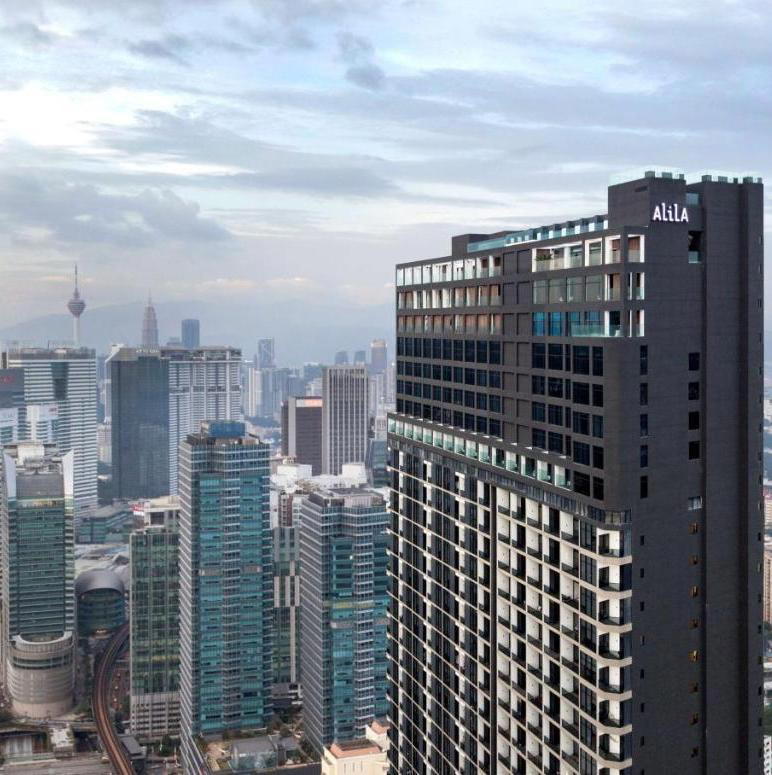
Bangsar's Design Logic
Kuala Lumpur's hotel market has long been anchored to two poles: the glass-and-steel towers clustered around the Petronas Towers in KLCC, and the older colonial-era properties further south. Between those poles, a smaller tier of design-specific hotels has been establishing itself in residential and arts-adjacent neighbourhoods, where land constraints produce more considered architecture and guest counts stay lower. Bangsar is the clearest example of this shift. Once primarily known as a dining and bar district for expatriates and the city's professional class, it has drawn hotel investment that reflects the neighbourhood's own character: lower density, more tactile materiality, and a guest profile less likely to be in town for a convention.
Alila Bangsar Kuala Lumpur, at 58 Jalan Ang Seng, sits within this pattern. The Alila brand, now part of the Hyatt portfolio, built its regional reputation on properties where architecture is the primary differentiator rather than amenity count. Compared with the full-scale flagships in the KLCC corridor, such as Four Seasons Hotel Kuala Lumpur or Banyan Tree Kuala Lumpur, this property operates on a different premise: the neighbourhood itself is part of what the guest is purchasing.
Where the Property Sits in the Market
The Michelin Guide Hotels 2025 Selected distinction is a useful calibration tool here. Michelin's hotel selection process emphasises design coherence, quality of experience relative to the property's own ambitions, and a degree of character that separates a property from generic category peers. Being placed on that list alongside properties in one of Southeast Asia's most competitive hotel markets is a verifiable positioning signal, not merely a marketing data point. For context, that same list includes properties across the full luxury spectrum in Kuala Lumpur, and selection at any tier requires that the hotel clear Michelin's editorial threshold.
Within the KL market, the Alila Bangsar occupies a niche that the large-footprint international brands structurally cannot: a hotel that reads as part of its neighbourhood rather than imported into it. EQ Kuala Lumpur and Crowne Plaza Kuala Lumpur City Centre operate at scale in the KLCC zone. Else Kuala Lumpur and Ascott Kuala Lumpur Jalan Pinang address a different use case entirely.
The Bangsar Context
Understanding Bangsar as a neighbourhood is essential to assessing why this location works for a hotel at this positioning. The area developed as a mid-century suburb, with shophouse stock and low-rise residential streets that have since attracted galleries, independent restaurants, and the kind of food scene that draws residents from across the city rather than tourists from the concierge's sheet. The food corridor along Telawi and Maarof is one of the more internationally diverse in Kuala Lumpur, covering everything from serious Japanese counters to Nyonya cooking to newer modern-Malaysian formats. For the guest whose primary interest is eating and drinking through a city rather than ticking monuments, Bangsar is more functional than the KLCC hotel strip.
The neighbourhood also offers a different relationship with the city's pace. KLCC hotel guests often describe a kind of self-contained bubble effect: the towers, the mall, the park, the light rail. Bangsar requires and rewards more active engagement. That trade-off suits a specific traveller, and the Alila's design approach, however it is expressed at the property level, is calibrated to that guest rather than to the broadest possible audience.
For travellers planning to move around Malaysia more widely, Bangsar's road connections are practical: access to the Federal Highway and the LDP makes getting to Petaling Jaya or Subang direct, and the location is reasonably well-positioned for onward travel to properties in other parts of the country, from The Datai in Langkawi to Pangkor Laut Resort in Lumut or further afield to Rasa Ria, Kota Kinabalu. Those planning a broader Malaysian circuit often pass through KL at both ends; a Bangsar base makes the city portion feel less transactional.
How It Compares to Alila's Regional Positioning
Across Southeast Asia, Alila properties have tended to anchor in locations with strong landscape or design narratives: coastal Bali, hillside Oman, heritage cities. The KL property carries a different brief, translating that brand sensibility into an urban context. This is a harder design problem than a resort setting, and the result positions Alila Bangsar in a selective peer group of Asian city hotels where the brand's architectural values are the primary differentiator. Properties like The Prestige in George Town Penang operate on a related logic in a heritage context; the KL property does something comparable in a contemporary residential one.
For reference, other design-led properties that attract a similar type of traveller in the broader region include Bertam Wellness Spa and Villas in Penang and Tanjong Jara Resort in Dungun, both of which lead with architectural or landscape identity rather than amenity volume. Those who have responded well to that approach in other Malaysian settings tend to find the Alila Bangsar's urban equivalent coherent rather than compromised.
For those considering properties at the full international luxury standard in KL before comparing with the Alila's positioning, the peer-set context is useful: this is not competing with Crockfords at Resorts World Genting or Genting Grand at Resorts World Genting on amenity breadth. The proposition is more specific and more editorial. See our full Kuala Lumpur restaurants guide for neighbourhood context that extends beyond the hotel stay itself.
Planning a Stay
Bangsar is served by the Abdullah Hishamuddin KTM Komuter station, and taxis and ride-hailing apps cover the roughly 6-7 kilometre distance to KLCC in 15 to 25 minutes depending on traffic, which in KL means leaving adequate buffer time at peak hours. For arrivals from KL International Airport, the KLIA Ekspres to KL Sentral followed by a short transfer is the most time-reliable route; driving from KLIA during evening rush adds unpredictability. Bookings for Alila properties in the Hyatt portfolio can be made through that group's reservation system; the Michelin Selected status means the property appears on the Michelin Guide's hotel search, which some travellers use as their primary reference for this tier of stay.
A Quick Peer Check
Comparable venues nearby, for context on price, style, and recognition.
| Venue | Cuisine | Price | Awards | Notes |
|---|---|---|---|---|
| Alila Bangsar Kuala LumpurThis venue — the venue you are viewing | design-forward urban oasis blending modern minimalism with natural elements | Not listed | Michelin Selected | Not listed |
| The Majestic Hotel Kuala Lumpur, Autograph Collection | Historic luxury hotel with modern colonial-style decor | $1–100 | Michelin Selected | City Centre |
| Lanson Place Bukit Ceylon KL | Contemporary serviced residences with home-like comfort and city luxury | Not listed | World Luxury Hotel Awards WLHA Country Winner | City Centre |
| Banyan Tree Kuala Lumpur | Urban luxury sanctuary with high-floor reception and skyline views | Not listed | Michelin Selected · Forbes Recommended | Kampong Dollah |
| M Resort & Hotel Kuala Lumpur | Lifestyle hotel inspired by local cultures in green belt setting | $1–100 | World Luxury Hotel Awards WLHA Regional Winner | Universiti Malaya |
| W Kuala Lumpur | Bold innovative design immersing guests in Jungle City luxury | $200–300 | Michelin Selected | Kampong Baharu |
Recognition history
Dated appearances from independent guides and award organizations, with the underlying list record or original source where available.
Michelin Selected
Michelin
Continue exploring
More in Kuala Lumpur
Hotels in Kuala Lumpur
Browse all →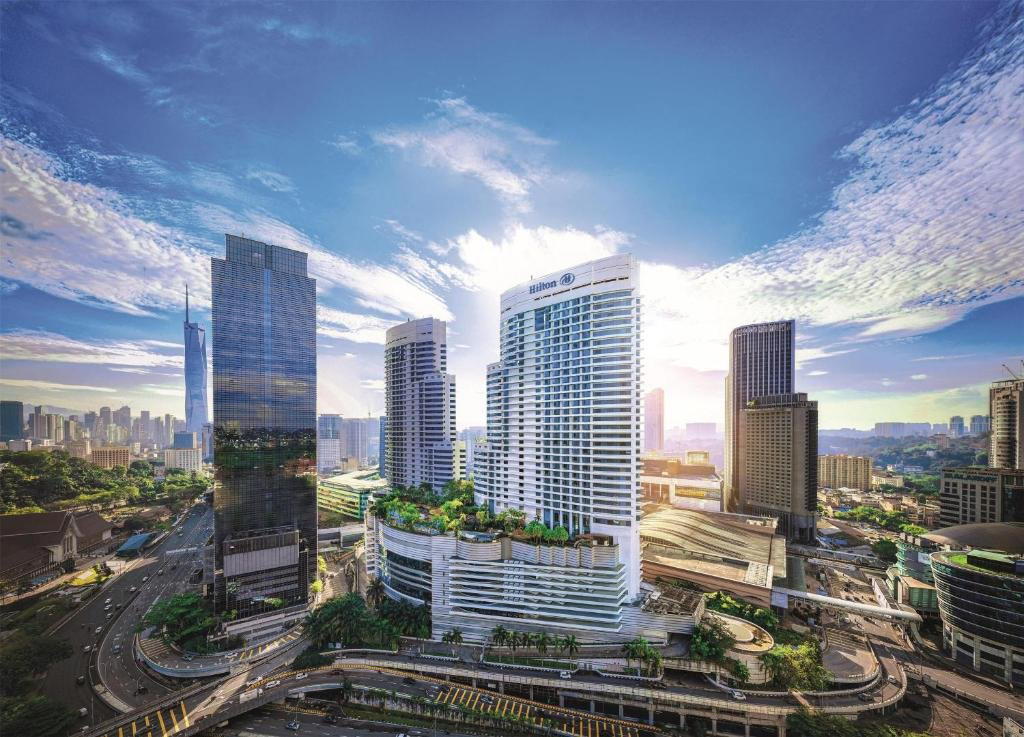
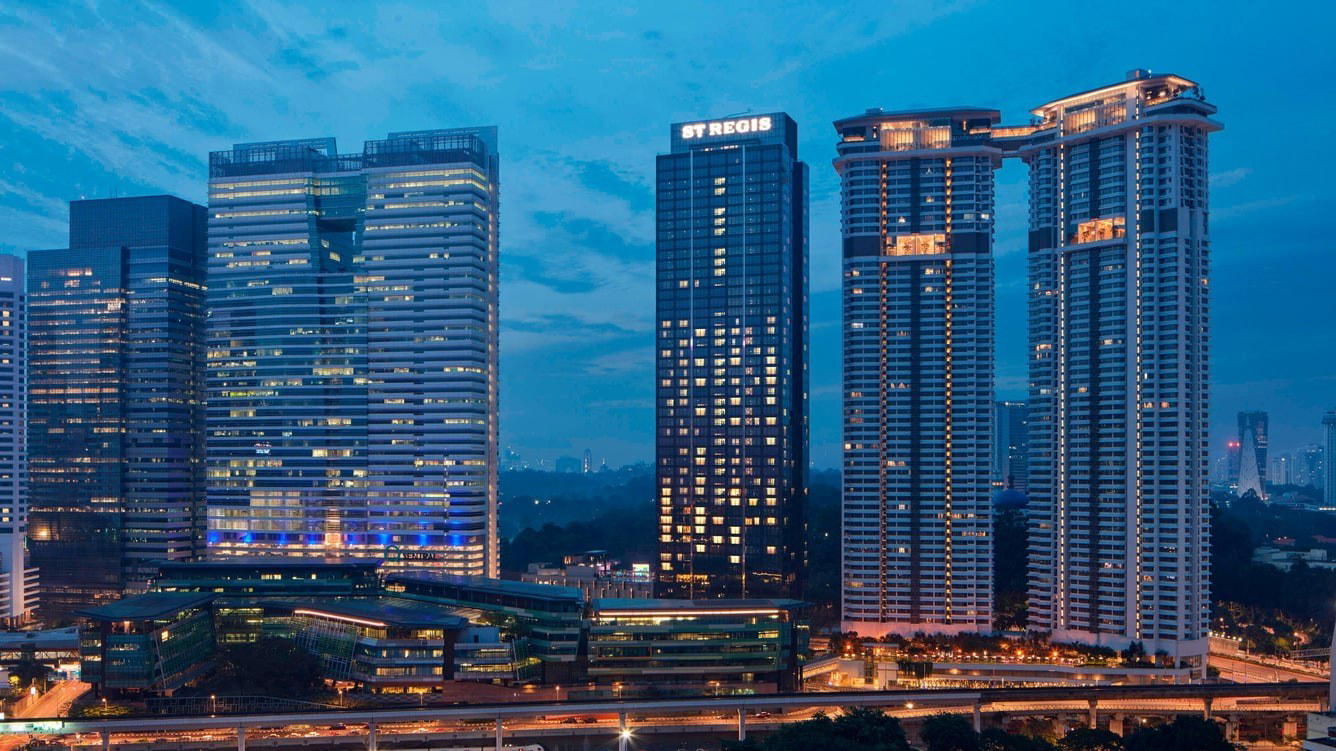
Bars in Kuala Lumpur
Browse all →
Details
- Modern
- Minimalist
- Elegant
- Sophisticated
- Quiet
- Romantic Getaway
- Business Trip
- Weekend Escape
- Rooftop Pool
- Panoramic View
- Wi Fi
- Pool
- Fitness Center
- Room Service
- Concierge
- Valet Parking
- Skyline
- Wheelchair Accessible
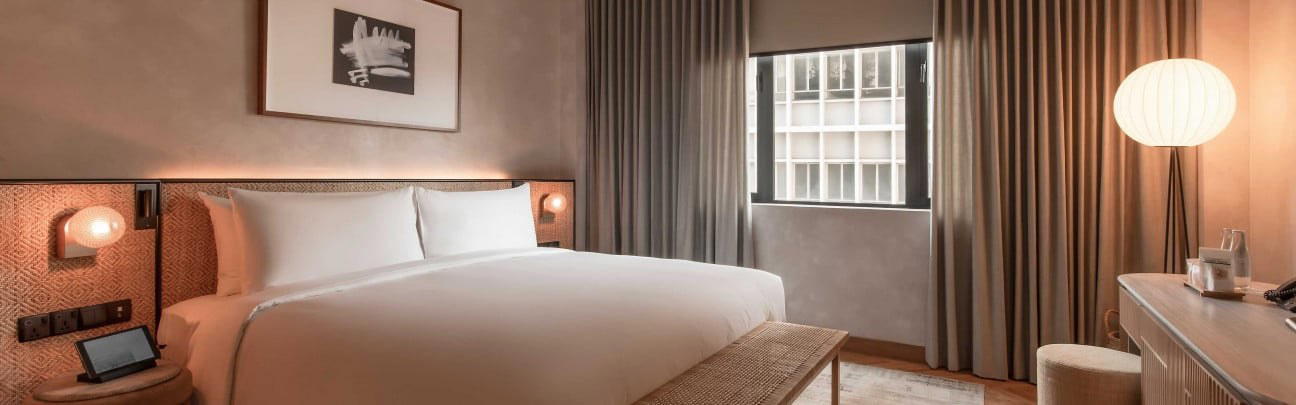
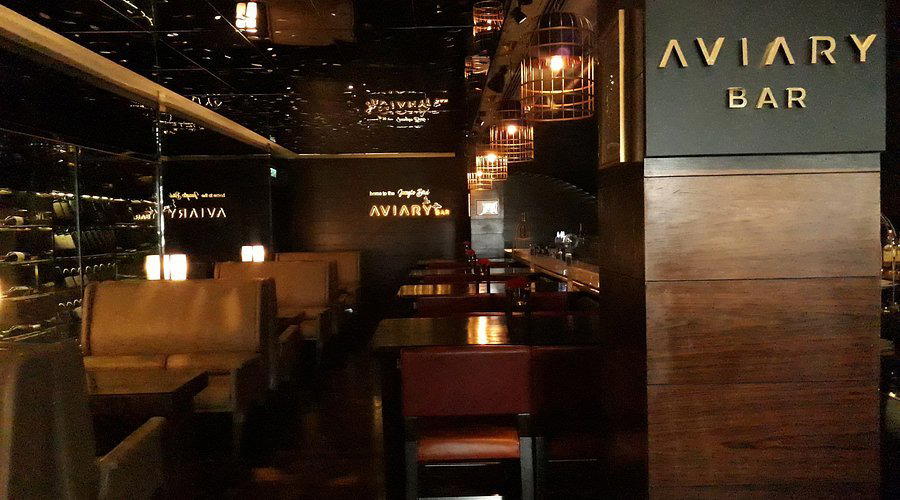
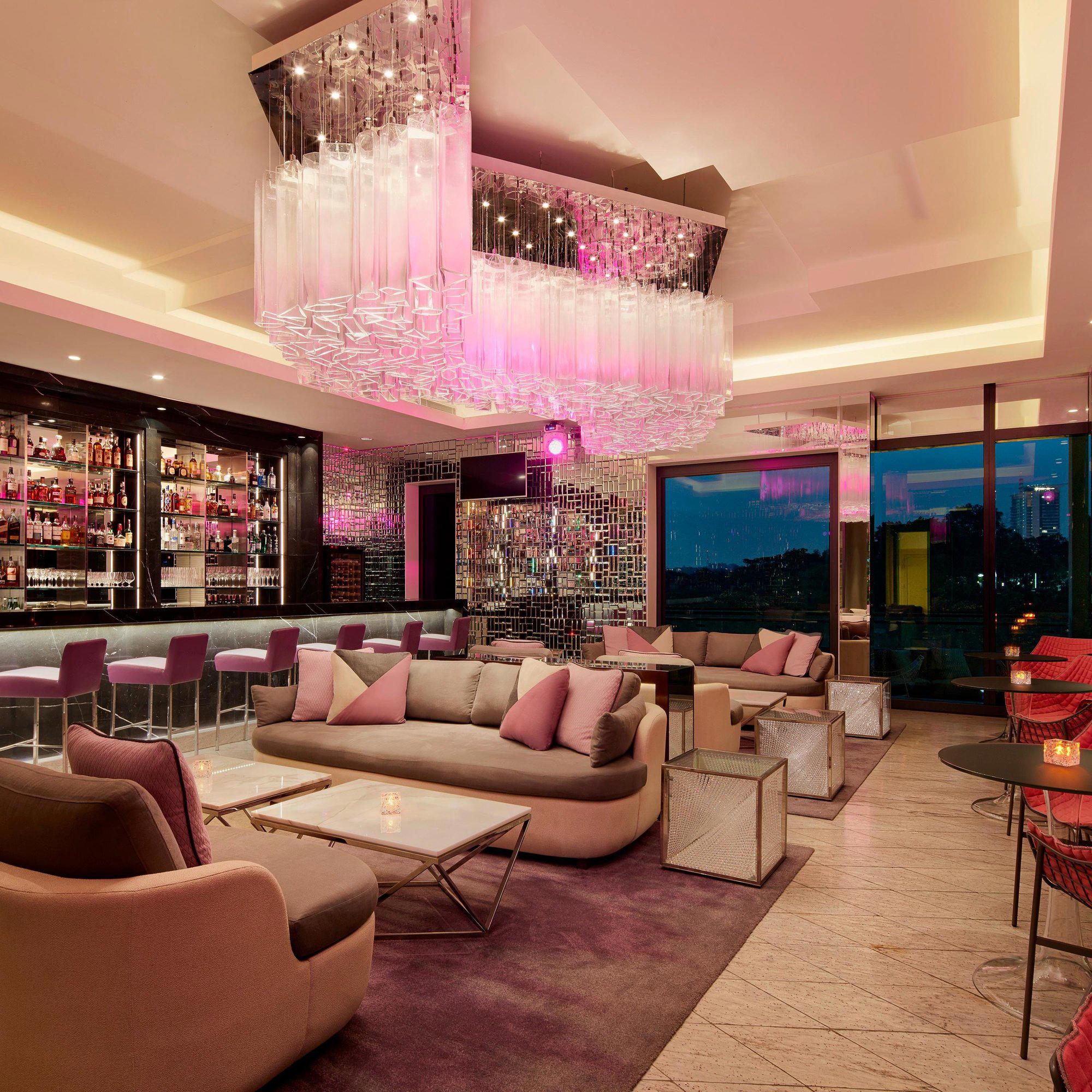
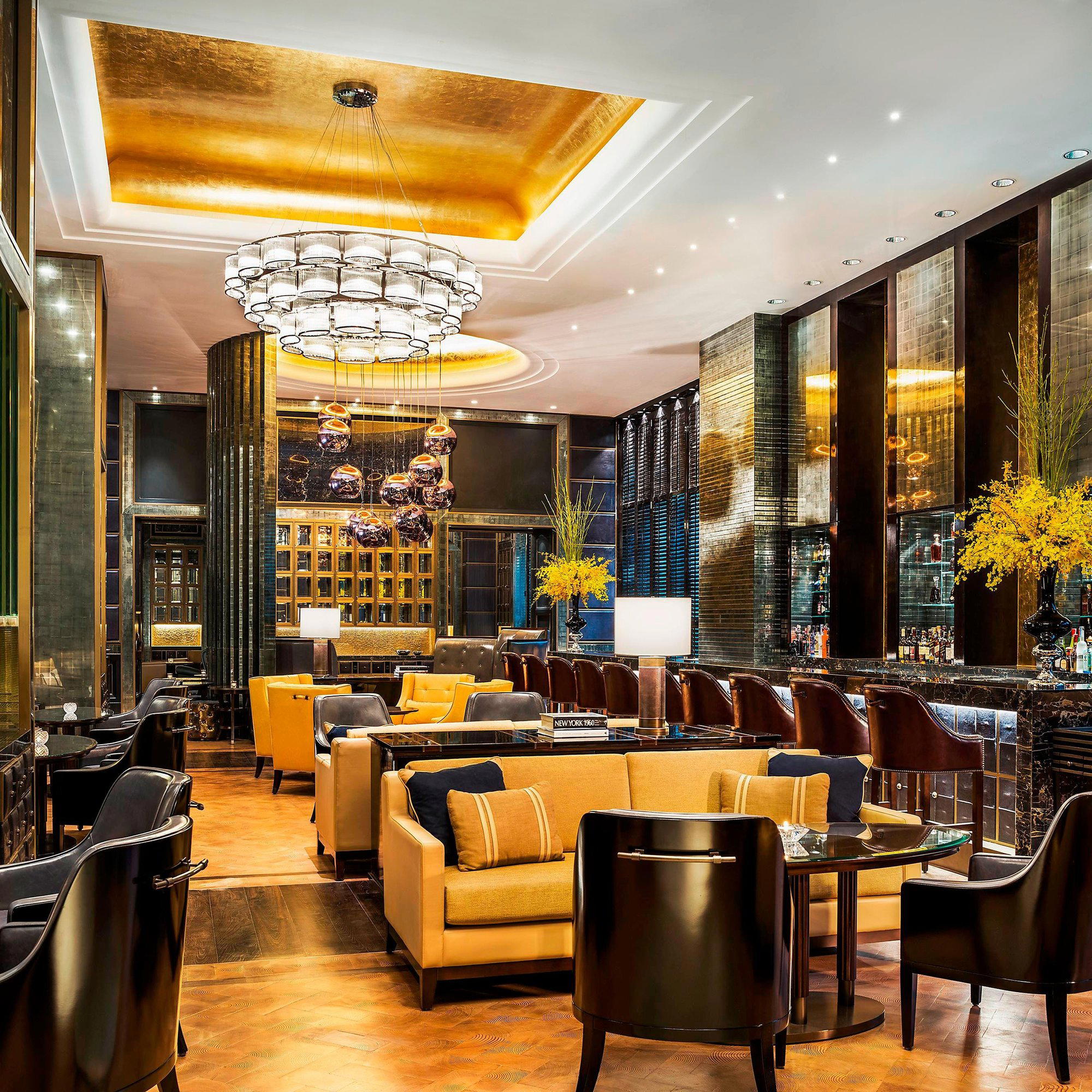
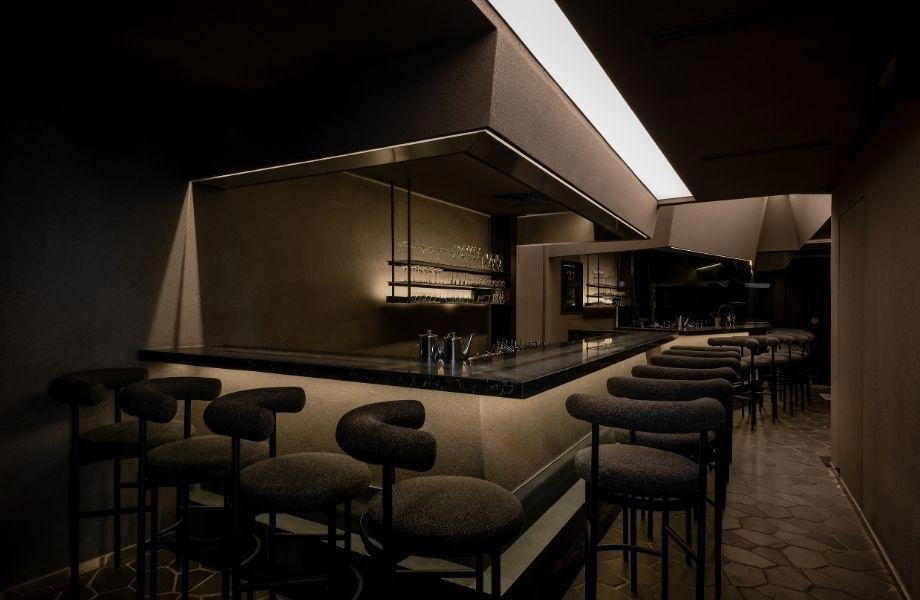
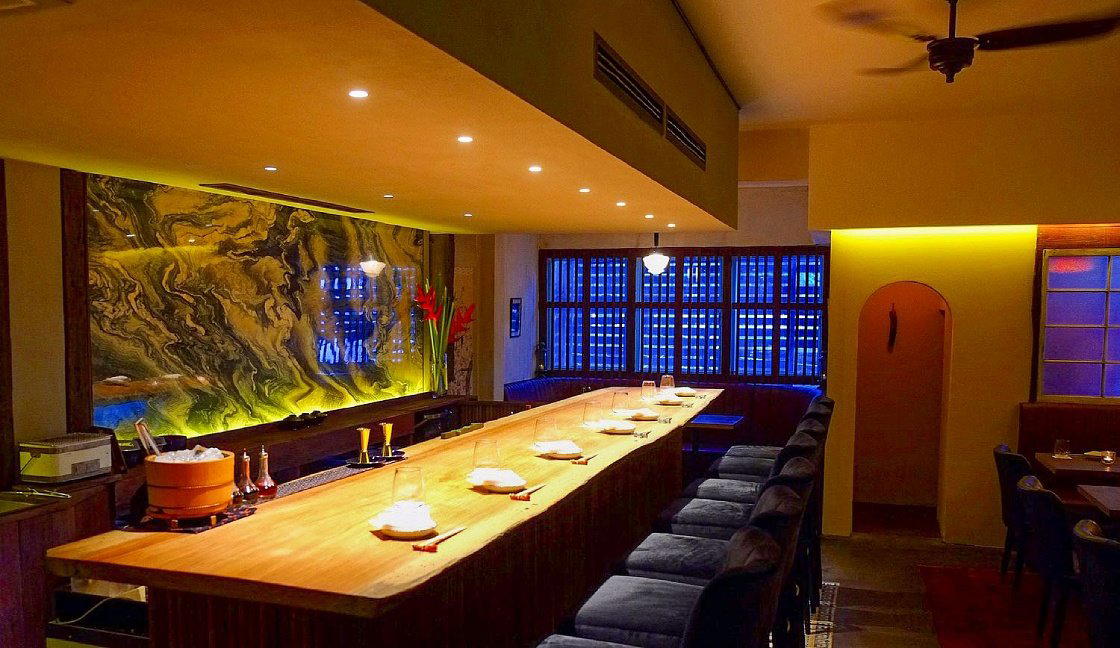
Serene and intimate with natural light, neutral palettes, warm timber, brass accents, and an urban refuge atmosphere.