Akar



1 Michelin Star · La Liste Top Restaurants · Tatler Best Innovation
Our verdict
Akar puts Kuala Lumpur’s contemporary Malaysian dining conversation in ingredient-led form: local produce, tasting-menu discipline, and technique drawn from Japanese and French kitchens. Its Tatler Best Restaurants Asia-Pacific 2025 recognition, 2026 Best Innovation badge, La Liste 90-point listing, and Michelin Plate notices place it in the city’s serious dining tier without turning the meal into imported fine-dining mimicry.

Pearl is the En Primeur Club membership app, where members save venues, book tables and use the concierge.
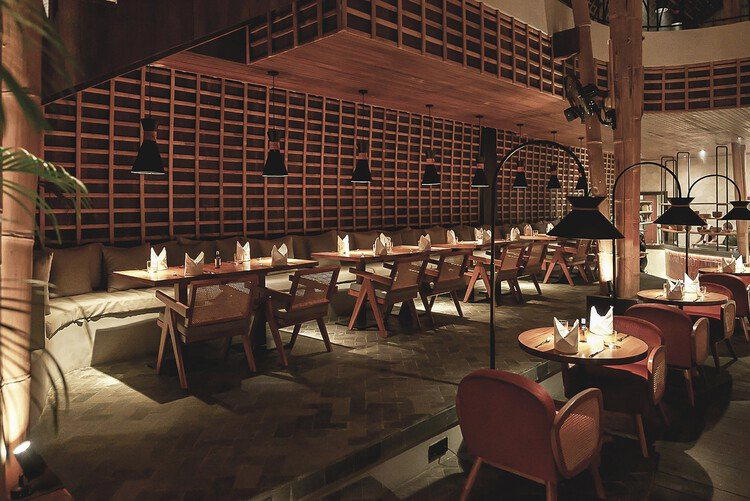
Arriving at Akar means entering Kuala Lumpur’s quieter end of the contemporary Malaysian argument: not nostalgia, hotel dining, or a transplanted European template with local garnish. The room belongs to the city’s tasting-menu side, where the question is no longer whether Malaysian ingredients can carry a formal meal, but how much technique can be applied before produce loses its accent.
That matters in Kuala Lumpur because the city’s food identity is plural. Malay, Chinese, Indian, Peranakan, indigenous Bornean, and regional Southeast Asian references sit together in daily eating, often with sharper confidence outside formal rooms than inside them. Contemporary Malaysian restaurants face a harder problem than many European peers: building structure around ingredients and memories diners know intimately without sanding them into generic luxury.
Local produce, formal pacing, and the new Malaysian tasting-menu argument
Akar sits in the same broad Kuala Lumpur conversation as Beta, Terra Dining, and Dewakan: restaurants using Malaysian references inside a set-menu or premium format rather than as heritage comfort food. The difference is emphasis. Akar’s recognition frames the cooking around Malaysian-inspired tasting menus and abundant local produce. That places it in a technique-conscious camp, but sourcing is the sharper test: the meal’s credibility depends on whether local ingredients remain legible after intervention.
Kuala Lumpur offers several ways to read Malaysian food at the table. Congkak (Bukit Bintang) and Dancing Fish suit diners wanting familiar regional dishes in a lower-pressure format. Other Kuala Lumpur dining rooms point to memory, broth, claypot comfort, and everyday vernacular. Akar occupies a narrower lane: Malaysian ingredients treated as material for a composed, premium dinner. It is less useful as a first survey of local eating, and more useful once a diner understands the baseline.
The awards pattern supports that reading. Akar carries Tatler’s 2026 Best Innovation recognition, with Tatler describing Akar Dining’s Malaysian-inspired tasting menu as a celebration of abundant local produce. That marks a restaurant assessed in a regional fine-dining frame rather than only as a neighbourhood favourite.
Technique matters here, but provenance is the real test
The cooking’s stated centre is Malaysian-inspired, produce-led tasting-menu work. In a weaker restaurant, that combination can become an edible résumé. In Kuala Lumpur, the compelling version asks what happens when formal pacing and careful technique sharpen Malaysian produce rather than disguise it. The city has enough polished international restaurants; the harder work is making local abundance carry formality.
Akar’s ingredient angle gives it relevance beyond one dinner. Malaysia’s premium dining scene has often borrowed prestige language from elsewhere. Stronger contemporary kitchens reverse the hierarchy: technique becomes tool, local produce supplies identity. A set menu built around that exchange can be exacting and asks more of the diner. The pleasure is not only in luxury cues, but in seeing how a local ingredient changes when treated with patience usually reserved for imports.
The kitchen’s point of view matters as credential, not mythology. Public recognition ties Akar to Malaysian-inspired tasting menus and local produce, which explains the restaurant’s grammar: controlled pacing, technical variation, and Malaysian reference points arranged in a formal sequence. It also places Akar in a competitive set where comparison to Dewakan or Beta is more useful than comparison to casual Malaysian dining. The format reinforces the point: this is a planned dinner, not an everyday stop between errands.
How to place Akar within a Kuala Lumpur eating week
Akar works well as part of a broader Kuala Lumpur itinerary, not a complete definition of Malaysian food. A serious eating week might set it against street-level, regional, kopitiam, seafood, and family-style formats across the city and the wider country. Those comparisons matter because Malaysian cooking changes dramatically by setting: roadside speed, communal generosity, and premium tasting-menu control produce different kinds of truth.
That wider frame keeps expectations honest. Akar is not the place to measure whether a dish tastes exactly like a childhood version from a family table or roadside stall. It is where Kuala Lumpur’s premium kitchens turn local sourcing into an argument for contemporary Malaysian dining. Diners wanting breadth across the city should pair it with the full Kuala Lumpur restaurants guide; those building a full trip can cross-check the Kuala Lumpur hotels guide, Kuala Lumpur bars guide, Kuala Lumpur wineries guide, and Kuala Lumpur experiences guide. For regional contrast, unnamed casual, hotpot, seafood, and neighbourhood dining references show how differently Malaysia’s dining culture functions outside the tasting-menu register.
The recommendation is narrow and clear: choose Akar when dinner’s purpose is to study contemporary Malaysian cooking through ingredients, technique, and pacing. Choose a more casual Malaysian restaurant when the night calls for generosity, speed, and familiar dishes. Kuala Lumpur rewards both instincts; Akar’s value is arguing for local produce at a level where imported luxury once dominated.
Frequently asked questions
Is Akar good for families?
Akar in Kuala Lumpur is better suited to diners who want a slower, more composed meal than to quick family meals, especially given its tasting-menu focus and premium positioning.
What should I expect atmosphere-wise at Akar?
Expect a Malaysian-inspired tasting-menu room in Kuala Lumpur that runs on composed pacing rather than casual drop-in flexibility. Its Tatler 2026 Best Innovation recognition signals a serious dining room with a focus on local produce.
What kind of cuisine does Akar serve?
Akar serves a Malaysian-inspired tasting menu that celebrates local produce.
What should I budget for a meal at Akar?
Expect Akar to sit in a premium tasting-menu context rather than a casual everyday price bracket.
When can I go to Akar?
Check Akar’s current booking channels directly for the latest opening days, service times, and reservation availability.
In Context: Similar Options
Comparable venues by cuisine and price in the same metro.
| Venue | Cuisine | Price | Awards | Notes |
|---|---|---|---|---|
| AkarThis venue (the venue you are viewing) | Modern Malaysian | $50–100 | 1 Michelin Star · La Liste Top Restaurants | Not listed |
| Molina | Avant-Garde European Fine Dining | $150–200 | 1 Michelin Star | Kampong Baharu |
| Terra Dining | Modern Malaysian Fine Dining | $150–200 | 1 Michelin Star · Star Wine List | Taman Tun Dr Ismail |
| Beta | Modern Malaysian Fine Dining | $100–150 | 1 Michelin Star · La Liste Top Restaurants | Kampong Baharu |
| Chim By Chef Noom | Modern Thai Fine Dining | $150–200 | 1 Michelin Star | Kampong Dollah |
| Anak Baba | Malaccan Baba Nyonya | $10–20 | Michelin Bib Gourmand | Brickfields |
Recognition history
Dated appearances from independent guides and award organizations, with the underlying list record or original source where available.
Michelin 1 Star
Michelin
La Liste Top Restaurants
La Liste
Tatler Best Innovation
Tatler
Full recognition history (7 entries)
Michelin Plate
Michelin
Tatler Best 20 Restaurants Malaysia
Tatler
Tatler Listed in Best Restaurants Asia-Pacific
Tatler
Michelin Plate
Michelin
Continue exploring
More in Kuala Lumpur
Restaurants in Kuala Lumpur
All restaurants in Kuala Lumpur →
Bars in Kuala Lumpur
All bars in Kuala Lumpur →





Details
- Minimalist
- Intimate
- Modern
- Sophisticated
- Special Occasion
- Date Night
- Open Kitchen
- Sake Program
- Local Sourcing
- Tasting Menu
- Sake Program
- Vegetarian Friendly
Current opening hours
- Monday
- Closed
- Tuesday
- 6 PM–12 AM
- Wednesday
- 6 PM–12 AM
- Thursday
- 6 PM–12 AM
- Friday
- 12–3 PM, 6 PM–12 AM
- Saturday
- 12–3 PM, 6 PM–12 AM
- Sunday
- Closed
Hours can change for holidays and private events. Hours as of .
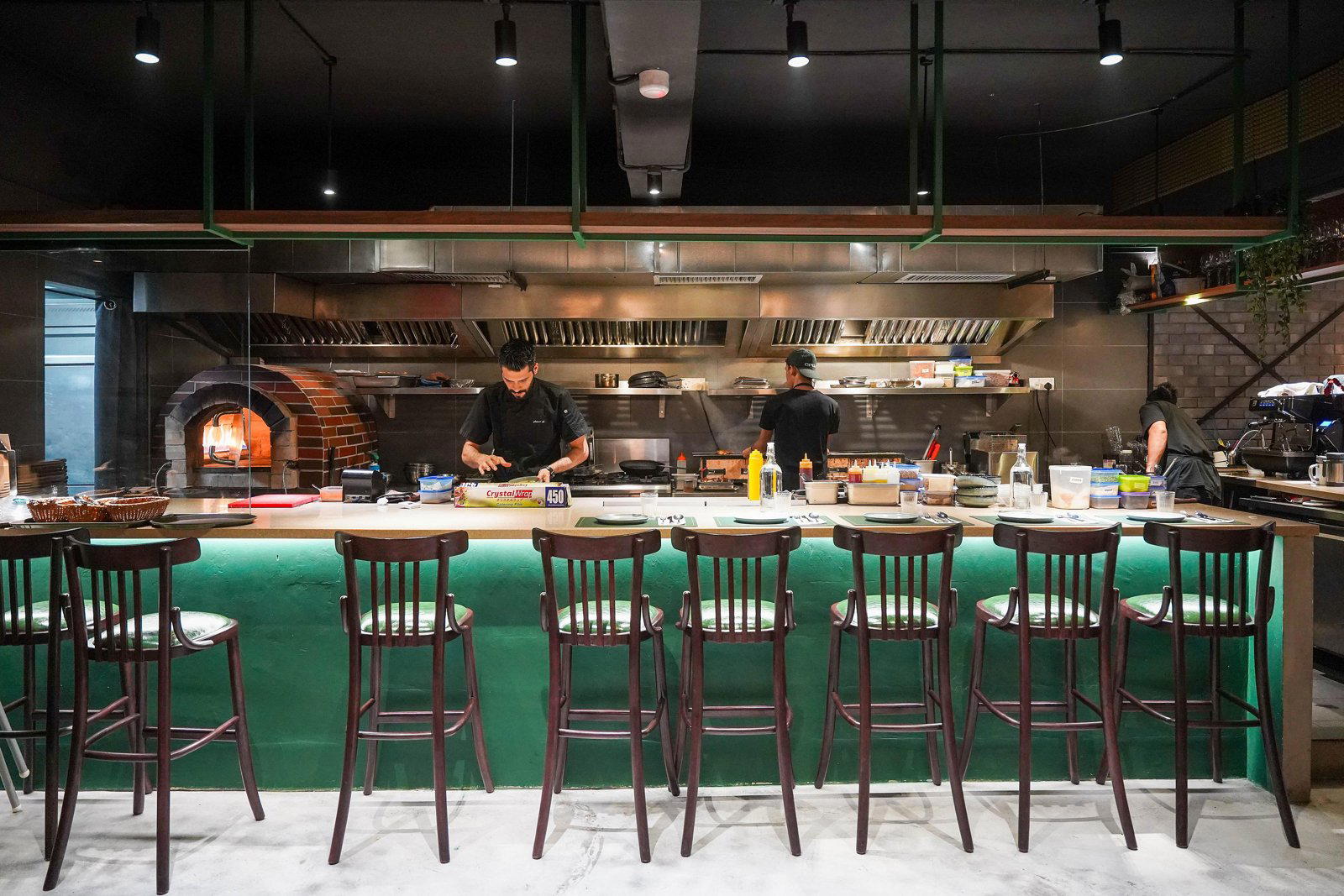
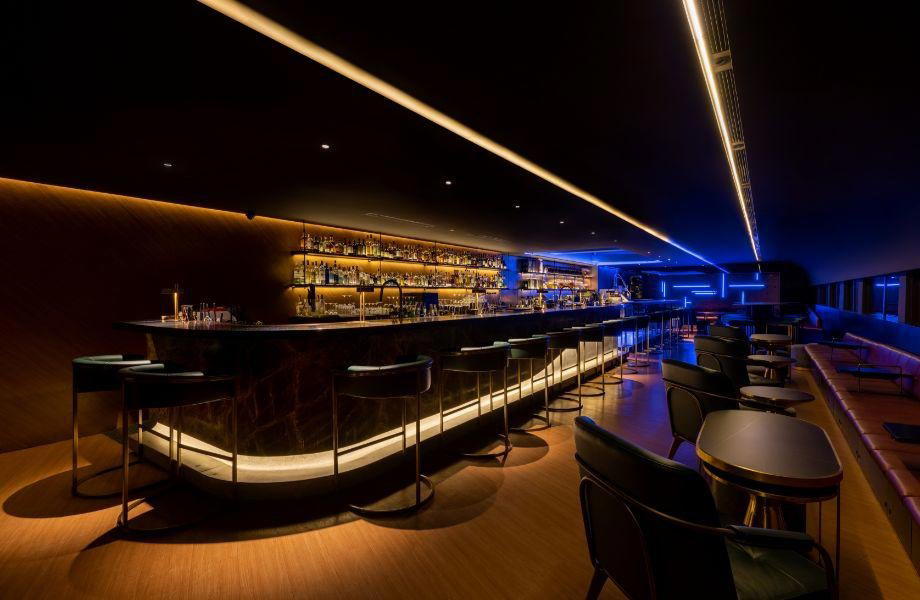
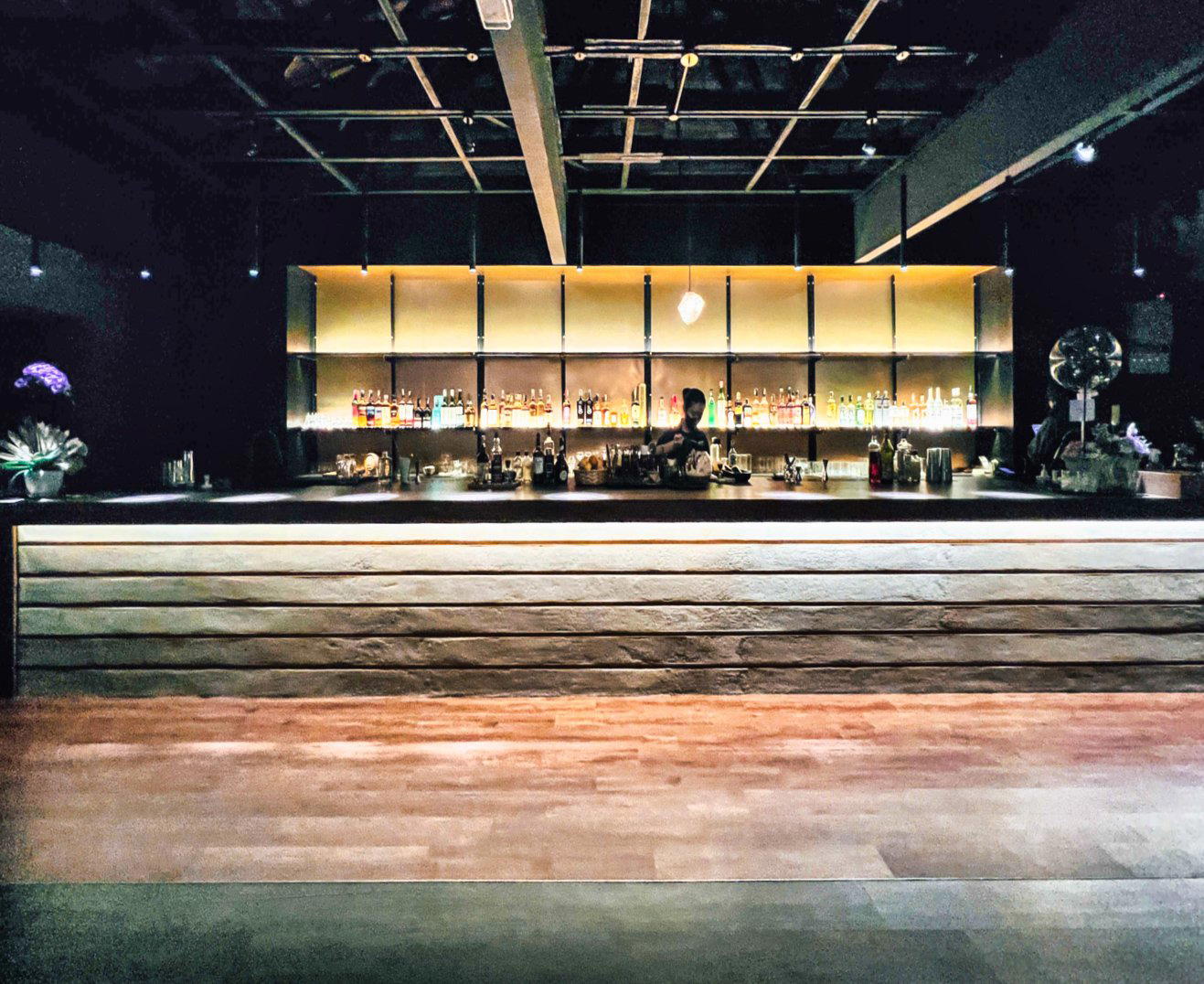
Calm, wood and stone minimalistic setting with bright, focused energy, polished personal service, and an open kitchen highlighting Malaysia's natural larder.