Omakase by Kai
Our verdict
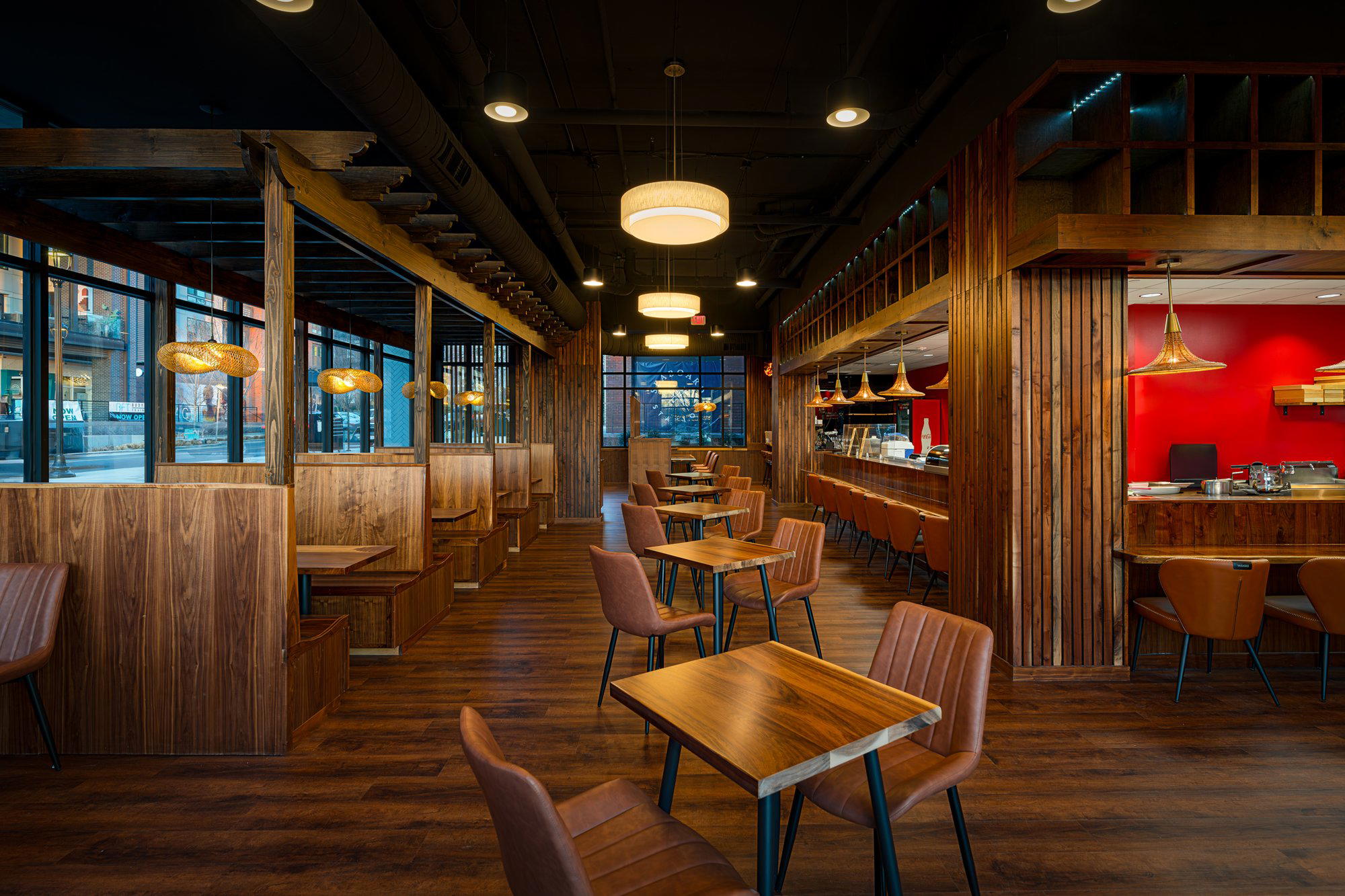
Omakase by Kai brings the counter-dining format to Raleigh's Seaboard district, placing the city in conversation with a style of service more commonly associated with major coastal markets. The experience centers on chef-directed sequencing in an intimate setting, positioning it apart from the broader Southern and New American restaurants that define the local dining scene.

Pearl is the En Primeur Club membership app, where members save venues, book tables and use the concierge.
The menu
What to order
- Nigiri Omakase
- Sashimi Omakase
- Korean BBQ Rolls
The Counter at Seaboard
Raleigh's dining identity has long been anchored in Southern technique and New American confidence, with places like Anthony's La Piazza and Azitra pulling the city in different directions. Omakase by Kai, at 15 Seaboard Ave, arrives in that context as something structurally different: a counter format where the kitchen sets the sequence and the guest surrenders the menu. That format carries weight in cities like New York and San Francisco, where venues like Atomix and Lazy Bear have spent years making the case that removing choice can be the highest form of hospitality. In Raleigh, the question the format poses is whether the city's dining audience is ready to engage with that premise on the same terms.
Seaboard Station has gradually absorbed a more ambitious restaurant cohort over recent years, separating itself from the downtown lunch-and-dinner circuit. Omakase by Kai fits that trajectory: a venue whose format signals intent before a single course arrives. The name alone carries a specific contract with the guest, omakase, meaning roughly "I leave it to you" in Japanese, is a promise that the chef's judgment is the organizing principle of the meal.
Lunch, Dinner, and What the Format Demands at Each
In the counter-dining model, the divide between daytime and evening service is rarely cosmetic. At the major omakase references in the United States, lunch tends to operate as a compressed expression of the same philosophy: fewer courses, a shorter time commitment, a lower price point, and often a slightly different rhythm of interaction between the counter and the guest. Dinner, by contrast, is where the full sequence unfolds, more courses, longer pacing, and a service style that assumes the guest has allocated the evening. At venues like The French Laundry or Single Thread Farm, the distinction between a lunch and a dinner booking is material, not merely a matter of daylight.
Omakase by Kai operates within that same structural logic. The Seaboard location means evening service benefits from the neighborhood's shift in energy as the workday ends, the strip reads differently at 7pm than at noon. For guests considering the experience for the first time, the practical implication is direct: if the format offers both services, a lunch visit functions as a lower-stakes entry point into the counter experience, while a dinner booking represents a fuller investment of time and attention. Neither is a lesser version of the other; they are different social contracts with the same kitchen.
This lunch-versus-dinner calculus matters more at omakase counters than at conventional restaurants because the pacing is chef-controlled. You are not ordering a main course that arrives in 20 minutes. The meal unfolds on the kitchen's terms, which means the time commitment is real in both directions. A shorter lunch sequence at a counter like this can still run 90 minutes. A full dinner sequence may push past two hours. Plan accordingly, and communicate any constraints when booking.
Where Omakase by Kai Sits in the Raleigh Scene
Raleigh has built a serious restaurant profile in the past decade, but the city's reputation rests primarily on Southern-rooted and New American cooking. The omakase format occupies a different tier entirely, one that draws direct comparison to counters in larger markets rather than to the broader local scene. When critics evaluate venues like Le Bernardin or Providence, the standard is set by the format's demands globally, not regionally. Omakase by Kai invites that same frame of reference.
Within the Raleigh scene specifically, the contrast with peers is instructive. Ajja, with its Mediterranean-Indian fusion approach, and Barcelona Wine Bar, anchoring the European wine-and-small-plates tier, each operate in formats where the guest retains significant control over the meal's shape. Omakase by Kai removes that control entirely. That is not a criticism; it is a description of what makes the format distinct and why it attracts a specific type of diner. The guest who books a counter seat is not choosing between options on a menu. They are choosing to trust the kitchen's sequence, which is a fundamentally different dining posture.
For a broader map of where this venue sits relative to Raleigh's full dining spectrum, the EP Club Raleigh restaurants guide provides the wider context. The city's scene also includes Anthony's La Piazza Prime at the upper end of the Italian-American bracket, and Brewery Bhavana's celebrated Chinese-Southern crossover, which signals how willing the local audience has become to engage with unexpected combinations.
The Counter Format in the Broader American Context
The omakase model has expanded significantly outside its traditional West Coast and New York strongholds over the past five years. Cities like Chicago (Alinea), San Diego (Addison), and Washington (The Inn at Little Washington) each host venues where the chef-directed format operates at high levels, though the Japanese omakase counter specifically remains concentrated in coastal markets. The arrival of that format in Raleigh represents a bet that the city's dining audience has matured to the point where counter-dining with no menu and a fixed sequence can sustain a business. That is a meaningful signal about where Raleigh sits in the national dining conversation.
The reference points extend internationally as well. Counters like 8½ Otto e Mezzo Bombana in Hong Kong demonstrate how the chef-directed format translates across cuisines, and how seriously the hospitality industry takes the counter as a vehicle for precision dining. Blue Hill at Stone Barns takes the same principle in a farm-driven direction. The common thread across all of these is the removal of the conventional menu and the transfer of trust to the kitchen. Omakase by Kai operates within that lineage, in a city where the format is still establishing its audience. That positioning may shift as Raleigh's dining profile continues to develop.
Planning Your Visit
Omakase by Kai is located at 15 Seaboard Ave, Raleigh, NC 27604, within the Seaboard Station development. Given the nature of counter formats generally, reservations are strongly recommended and in many cases the only way to secure a seat. The counter model limits capacity by design, which means seats fill earlier than they would at a conventional restaurant. Guests considering a first visit would do well to book in advance rather than attempt a walk-in. Specific hours, pricing tiers, and booking channels are best confirmed directly with the venue, as these details vary by service and are subject to change. Emeril's in New Orleans and other chef-driven venues in the broader Southern region set a useful benchmark for what the premium dining experience expects of guests in terms of timing, communication, and commitment. Arrive on time; counter seating does not accommodate late arrivals in the way a table-service room might.
Frequently asked questions
Where is Omakase by Kai in Raleigh?
Omakase by Kai is located at 15 Seaboard Ave, Raleigh, NC 27604, Raleigh.
Is Omakase by Kai at Seaboard Station one of the few dedicated omakase counters in Raleigh?
Raleigh's restaurant growth over the past decade has been concentrated in Southern and New American formats, making a seated omakase counter a structurally distinct addition to the city's dining profile. Located at 15 Seaboard Ave within the Seaboard Station development, Omakase by Kai occupies a format category that remains relatively thin across North Carolina. For guests travelling specifically for counter-format dining, the Raleigh market offers limited direct comparisons.
What's the must-try dish at Omakase by Kai?
The omakase format at Kai means course selection is entirely the kitchen's decision, guests do not order independently. The sequence is set by the chef and shifts with season and sourcing, so the relevant question is less about a single dish and more about whether the full progression holds together. Visiting with no fixed expectations is consistent with how the format is designed to work.
Should I book Omakase by Kai in advance?
Counter-format restaurants in any city carry a hard ceiling on covers because seat count is structurally limited. At Seaboard Station in Raleigh, where the dining scene has grown sharply in the past decade, premium-format venues fill well ahead of the week. Reserving at least several weeks out is the practical approach for Omakase by Kai.
What do critics highlight about Omakase by Kai?
Omakase counters operating outside the major coastal markets tend to be measured against two benchmarks: whether the format holds to its own terms, and whether the pacing and sourcing justify the seat commitment. Raleigh's growing restaurant profile means the city now has enough context for that comparison to matter.
What It’s Closest To
Comparable venues nearby, for context on price, style, and recognition.
| Venue | Cuisine | Price | Awards | Notes |
|---|---|---|---|---|
| Omakase by KaiThis venue (the venue you are viewing) | Japanese Omakase with Korean Influences | Not listed | Not listed | Not listed |
| Tomi Sushi at GEM | Modern Japanese Sushi | Not listed | Not listed | Northside |
| Sushi Blues Cafe | Japanese Sushi & Traditional Dishes | $20–30 | Not listed | North Boylan |
| RH Rooftop Restaurant at RH Raleigh | Modern American Rooftop Dining | $50–100 | Not listed | Ramblestone |
| Sushi One | Asian Fusion Sushi | $20–30 | Not listed | Lafayette Village |
| Peregrine | Modern American with Global Influences | Not listed | James Beard Award Semi Finalist | Eastgate |
Continue exploring
More in Raleigh
Restaurants in Raleigh
All restaurants in Raleigh →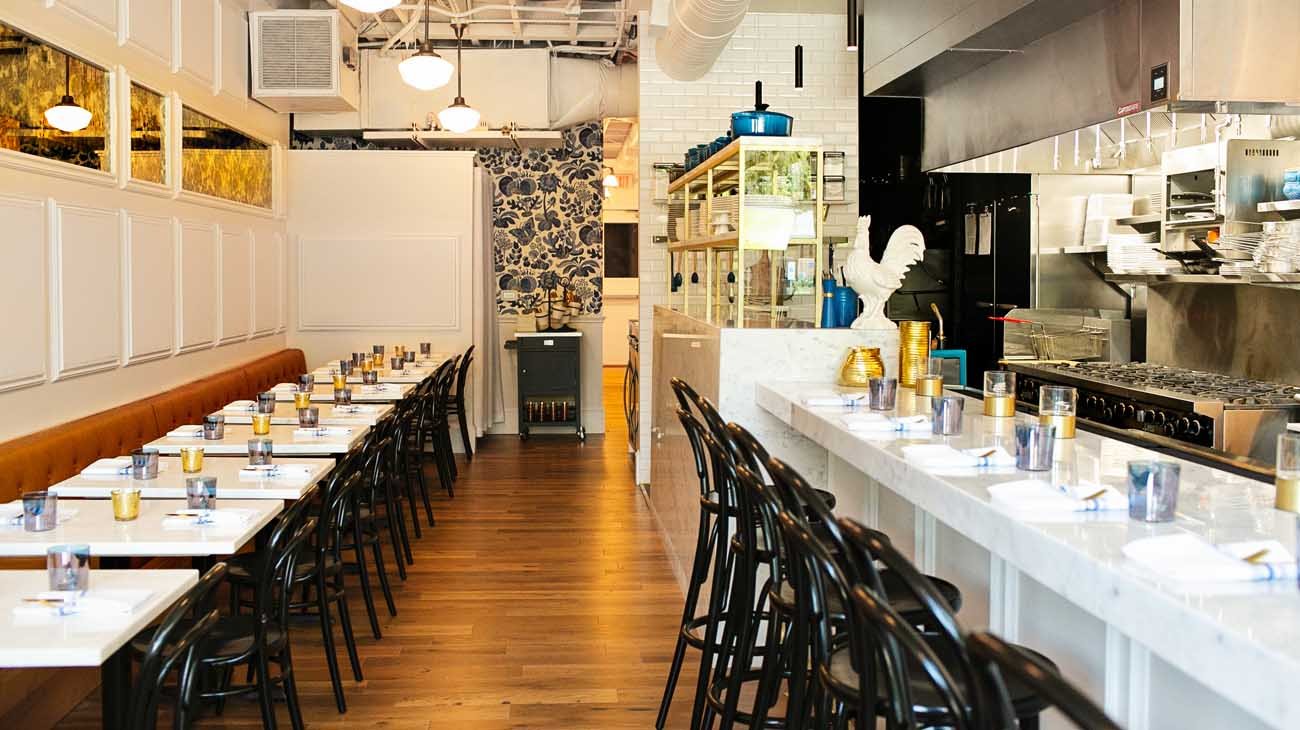
Details
- Elegant
- Intimate
- Sophisticated
- Date Night
- Special Occasion
- Chefs Counter
- Sake Program
- Omakase
- Counter Dining
- Sake
Current opening hours
- Monday
- 11:30 AM–2:30 PM, 5–9:30 PM
- Tuesday
- 11:30 AM–2:30 PM, 5–9:30 PM
- Wednesday
- 11:30 AM–2:30 PM, 5–9:30 PM
- Thursday
- 11:30 AM–2:30 PM, 5–9:30 PM
- Friday
- 11:30 AM–2:30 PM, 5–10 PM
- Saturday
- 11:30 AM–2:30 PM, 5–10 PM
- Sunday
- Closed
Hours can change for holidays and private events. Hours as of .