Sushi Blues Cafe
Our verdict
Sushi Blues Cafe occupies a spot on Glenwood Avenue, one of Raleigh's most active dining corridors, where the name alone signals an appetite for genre crossover. The combination of Japanese-inspired fare and a blues-inflected atmosphere places it in a niche that few Raleigh addresses attempt. It operates in a city increasingly confident in its culinary range, from Southern-rooted institutions to globally-influenced newcomers.

Pearl is the En Primeur Club membership app — saves, bookings, and concierge access live there. Same editors, same standards.
- Address
- 301 Glenwood Ave, Raleigh, NC 27603
- Phone
- (919) 664-8061
- Hours
- Mon–Thu 12–9 PMFri–Sat 12–10:30 PMSun 1–9 PM
- Website
- sushibluescafe.com
- Directions
- Get directions
- Booking
- Book on OpenTable
Glenwood Avenue and the Case for Contradiction
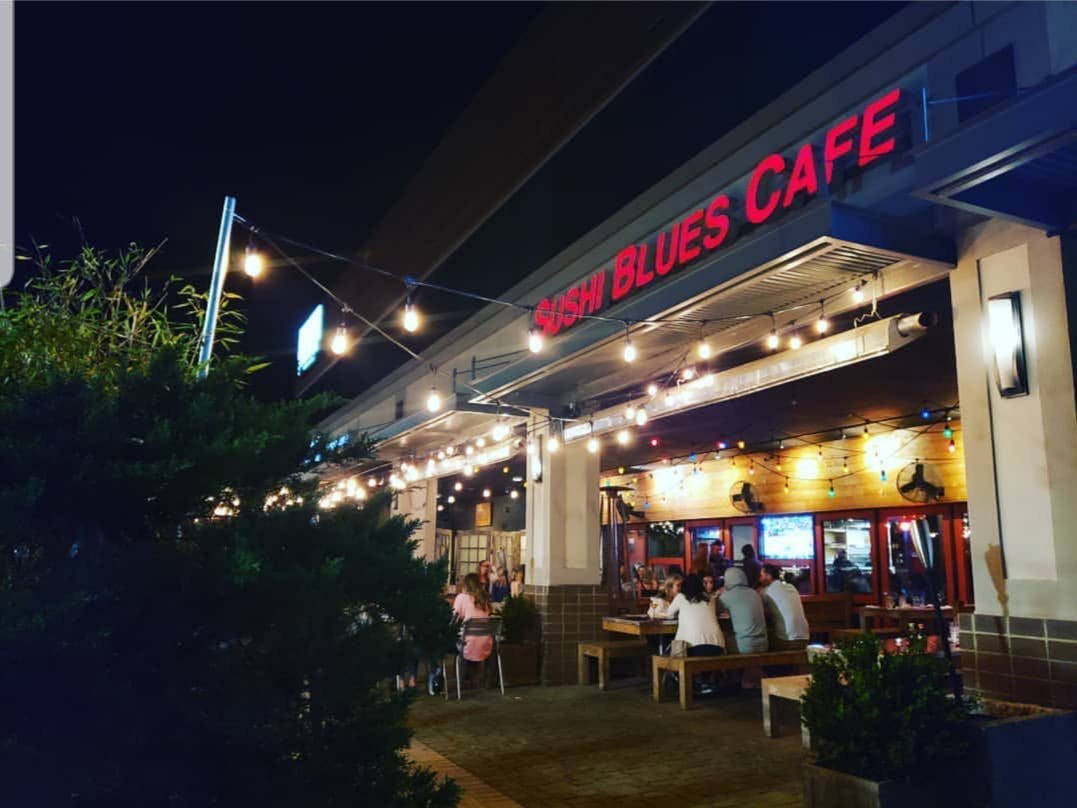
Raleigh's Glenwood Avenue runs through a stretch of the city where restaurant formats stack up against each other with unusual density. Southern diners, wine bars, and Italian rooms all compete for foot traffic within a few blocks. Into that mix, Sushi Blues Cafe plants its flag at 301 Glenwood Ave with a name that does not hedge: two genres, placed side by side, with no qualifier softening the collision. That kind of naming is either a provocation or a promise, and Glenwood Avenue is an address where the market tends to sort that out quickly.
The city's dining culture has matured considerably over the past decade. Raleigh now supports a wider range of formats than its regional reputation once suggested, from the farm-sourced Southern cooking at places like Poole's Downtown Diner and Crawford & Sons to the more adventurous territory mapped by Death & Taxes and Mediterranean-Indian crossovers at Ajja. In that context, a venue built around the convergence of Japanese-influenced food and American blues music is not as eccentric as it might sound elsewhere. Raleigh has developed an appetite for formats that refuse easy categorization. See our full Raleigh restaurants guide for the broader picture of where the city's dining scene stands today.
What the Name Signals About the Format
In American dining, the pairing of a specific cuisine with a music or bar identity usually indicates one of two things: a casual, atmosphere-first room where the food functions as accompaniment, or a more deliberate hybrid concept where both elements carry equal weight. Sushi Blues Cafe's name puts both ideas on the table simultaneously. Blues music in American food culture carries associations with informality, longevity, and a certain ease of atmosphere that formal sushi counters rarely cultivate. Sushi, at least in the American vernacular, signals precision and deliberate progression. The tension between those two sensibilities is where a place like this either finds its register or loses it.
Compare this to the approach taken at Barcelona Wine Bar Raleigh, which uses a wine bar framework to anchor a broader small-plates format, or Azitra, which imports Indian fine-dining technique into a Raleigh context. Each of those addresses stakes a position in the market by naming its primary organizational logic. Sushi Blues Cafe names two, and asks the room to hold both.
The Arc of a Meal: Thinking in Progression
For venues where the menu draws from Japanese culinary tradition, the structure of a meal tends to carry its own logic. Even in casual American sushi formats, the sequencing inherited from that tradition shapes how a table moves through the evening: lighter preparations early, richer or more intensely flavored pieces later, the palate building incrementally rather than arriving all at once. That arc is one of the features that separates a thoughtfully constructed sushi experience from a menu of items simply listed and ordered at random.
At the premium end of the American sushi spectrum, places like Atomix in New York City have built their reputations precisely on the discipline of that progression, where each course is calibrated against what precedes and follows it. That standard represents one pole of the format. The other pole is the casual American sushi cafe, where the menu is broad, the room is lively, and the organizing principle is accessibility rather than ceremony. Sushi Blues Cafe's positioning on Glenwood Avenue, with its blues-inflected identity, points more toward the latter, which carries its own virtues: a meal that moves at the diner's pace, where the progression is self-directed rather than chef-imposed.
That self-directed quality is worth considering when thinking about how to order. In formats like this, the most satisfying meals tend to move from cleaner, more delicate preparations toward richer, more substantial ones, following the same arc that formal omakase enforces by design. Diners who impose that structure on their own ordering tend to leave more satisfied than those who approach the menu as a flat list of options. The kitchen may not sequence your meal for you, but the logic of progression remains available to anyone who wants to apply it.
Where Sushi Blues Cafe Sits in the American Sushi Conversation
The American sushi scene has diverged sharply over the past fifteen years. At one end, high-investment omakase counters in major cities have pushed toward Japanese formal traditions, with Michelin recognition, strict sequencing, and price points that place them in direct competition with the country's most celebrated tasting-menu rooms: addresses like Le Bernardin in New York City, Alinea in Chicago, or The French Laundry in Napa. At the other end, accessible sushi cafes and casual Japanese-American hybrids have expanded into nearly every mid-sized American city, offering a different kind of value: approachability, flexibility, and a room where the atmosphere competes equally with the food for the diner's attention.
Sushi Blues Cafe operates in that second tier, in a city where the premium sushi market is less developed than in coastal metros. That positioning is not a limitation so much as a different set of expectations. The relevant comparison for a Raleigh diner is not Single Thread Farm in Healdsburg or Blue Hill at Stone Barns in Tarrytown but rather the other Glenwood Avenue options competing for the same evening slot.
Atmosphere as the Organizing Principle
Blues music as a dining backdrop carries specific associations in the American South. It signals informality without casualness, a room that takes the evening seriously without requiring the diner to do the same. For Raleigh specifically, that tone fits a city that has retained a certain unpretentious quality even as its restaurant scene has grown in ambition. The Fairview Dining Room and Anthony's La Piazza represent more formal registers within the city's dining range. Anthony's La Piazza Prime pushes further into premium territory. Sushi Blues Cafe sits at a different point on that axis, where the room itself is part of what you are buying.
That atmospheric specificity matters more than it might appear. In a city where restaurant density on Glenwood Avenue means that diners have genuine options within walking distance, a venue with a clear identity, even one as unconventional as blues-and-sushi, holds its ground more effectively than a neutral room with a comparable menu. The name alone does curatorial work before the diner walks through the door.
Planning Your Visit
Sushi Blues Cafe sits at 301 Glenwood Ave in Raleigh's Glenwood South neighborhood, a stretch that functions as one of the city's primary evening-out corridors. The address is walkable from much of the surrounding area and accessible by ride-share from downtown Raleigh without difficulty. For specific hours, current menu pricing, and booking arrangements, the venue's own channels are the reliable source; publicly listed details shift frequently enough that third-party summaries can lag behind actual policy. Glenwood South tends to draw its heaviest foot traffic on Thursday through Saturday evenings, so diners who prefer a quieter room at a deliberate pace may find earlier in the week more accommodating.
Frequently asked questions
Does Sushi Blues Cafe work for a family meal?
The Glenwood South address places Sushi Blues Cafe in one of Raleigh's busiest evening-out corridors, where the venue mix skews toward groups and social dining rather than formal occasions. A blues-inflected atmosphere typically reads as relaxed and informal, which generally suits mixed-age groups better than a quiet, counter-service sushi format would. That said, confirm current hours and format directly before bringing younger children, as evening-focused venues on Glenwood Ave often shift in energy as the night progresses.
How would you describe the vibe at Sushi Blues Cafe?
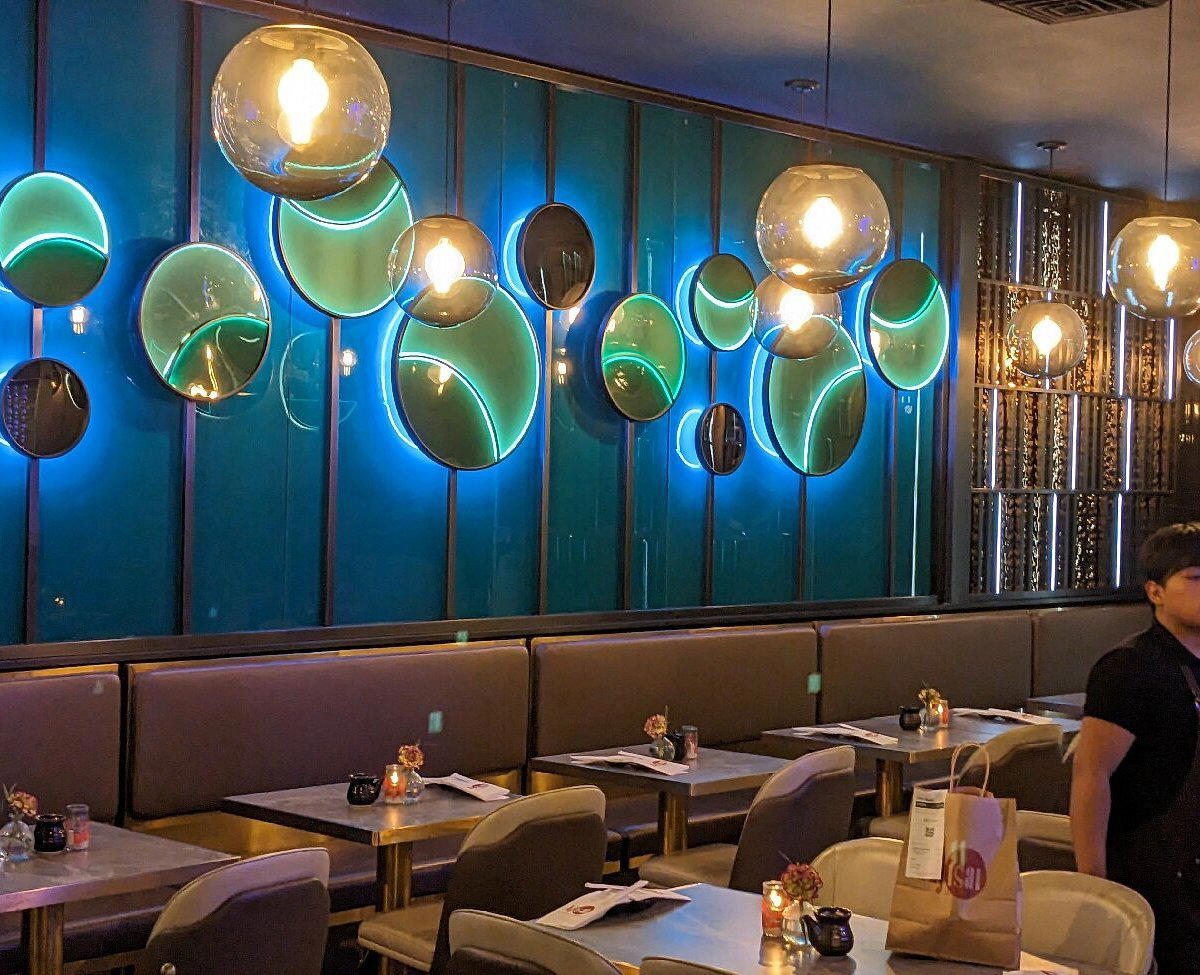
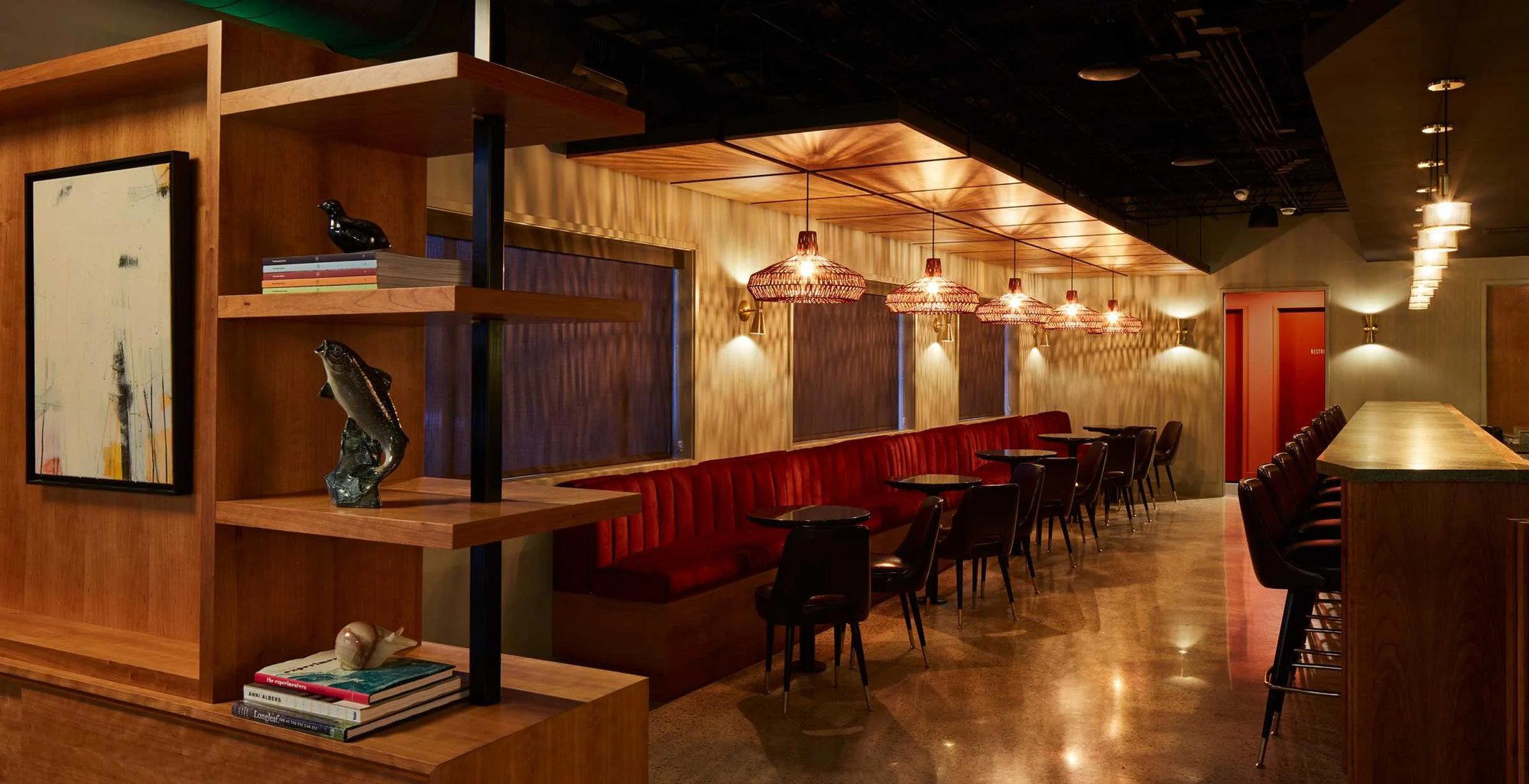
Blues music as an organizing principle in a Southern dining room signals something specific: a room built for lingering, not efficiency. At 301 Glenwood Ave in Raleigh, that translates to an atmosphere that prioritizes comfort and sound over the spare minimalism you'd find at a dedicated omakase counter. The format sits closer to the casual, atmosphere-first end of the American sushi spectrum, where the room is as much the draw as the plate.
Is Sushi Blues Cafe on Glenwood Ave good for a date night in Raleigh?
Glenwood South is one of Raleigh's primary evening destinations, and a venue that pairs a defined music identity with a sushi format occupies a specific niche in that neighborhood: casual enough to avoid formality pressure, but with enough of a concept to make the evening feel deliberate. The blues backdrop sets a relaxed tone without the silence that can make sparse omakase counters feel high-stakes. For anyone weighing options along that strip at 301 Glenwood Ave, the format is better suited to conversation-first dining than to a showcase tasting experience.
What should I eat at Sushi Blues Cafe?
Specific current menu details are best confirmed through the venue directly, as American sushi menus in this format tend to rotate and vary by season. Venues that pair Japanese culinary tradition with a bar-forward American identity typically offer a range of rolls alongside smaller plates, giving the table flexibility to order across the menu rather than committing to a set progression. Arriving without a fixed plan and ordering in rounds tends to suit this format well.
Where do I go for Sushi Blues Cafe?
Sushi Blues Cafe is located at 301 Glenwood Ave, Raleigh, NC 27603, Raleigh.
At a Glance
Comparable venues nearby, for context on price, style, and recognition.
| Venue | Cuisine | Price | Notes |
|---|---|---|---|
| Sushi Blues CafeThis venue — the venue you are viewing | Japanese Sushi & Traditional Dishes | $20–30 | Not listed |
| Kanki North Market | Japanese Hibachi Steakhouse & Sushi | $20–30 | North Raleigh, Japanese Hibachi Steakhouse & Sushi |
| Zayka Indian Cuisine | Authentic Punjabi Northern Indian | $20–30 | North Raleigh, Authentic Punjabi Northern Indian |
| Sushi O | Japanese Sushi Bar with Asian Fusion | $20–30 | Glenwood South, Japanese Sushi Bar with Asian Fusion |
| Tomi Sushi at GEM | Modern Japanese Sushi | Not listed | Northside, Modern Japanese Sushi |
| Gonza Tacos Y Tequila | Colombian-Mexican Tacos & Tequila | $20–30 | North Raleigh, Colombian-Mexican Tacos & Tequila |