Michelin Bib Gourmand
Our verdict
OMA holds a 2025 Michelin Bib Gourmand, placing it among Porto's most closely watched mid-price contemporaries. The kitchen draws on Portuguese produce, Azorean ingredients, and Asian technique to build a menu that moves across geographies without losing regional grounding. Price range sits at €€, making it one of the more accessible Bib Gourmand addresses in the city.

Pearl is the En Primeur Club membership app, where members save venues, book tables and use the concierge.
The menu
What to order
- Bacalhau à Brás
- Beef Cheeks
- Presa à Bulhão Pato
- Veal
- Cauliflower Purée
- Homemade Breads
Where Porto's Mid-Price Scene Is Heading
Porto's contemporary dining tier has expanded considerably over the past five years, and the Bib Gourmand category now maps that expansion with some precision. The 2025 Michelin Bib Gourmand list for Porto includes OMA on Rua de Oliveira Monteiro, a recognition that positions the restaurant inside a cohort of mid-price kitchens, price range €€, doing technically ambitious work without the cover charges that accompany addresses like Le Monument or Antiqvvm.
The comparison set matters here. At the €€€€ end of Porto's contemporary scene, restaurants like Fauno and Gastro by Elemento operate with longer menus, more elaborate service architecture, and price points that reflect those investments. OMA functions differently: smaller in footprint, tighter in ambition, and priced to encourage repeat visits rather than mark a calendar occasion. Within Portugal's broader Michelin geography, which includes Belcanto in Lisbon, Vila Joya in Albufeira, and Casa de Chá da Boa Nova in Leça da Palmeira, the Bib Gourmand designation occupies a specific niche: high-value cooking that Michelin's inspectors feel deserves visibility precisely because it doesn't demand a special-occasion budget.
Ingredients as Geography: How the Menu Is Built
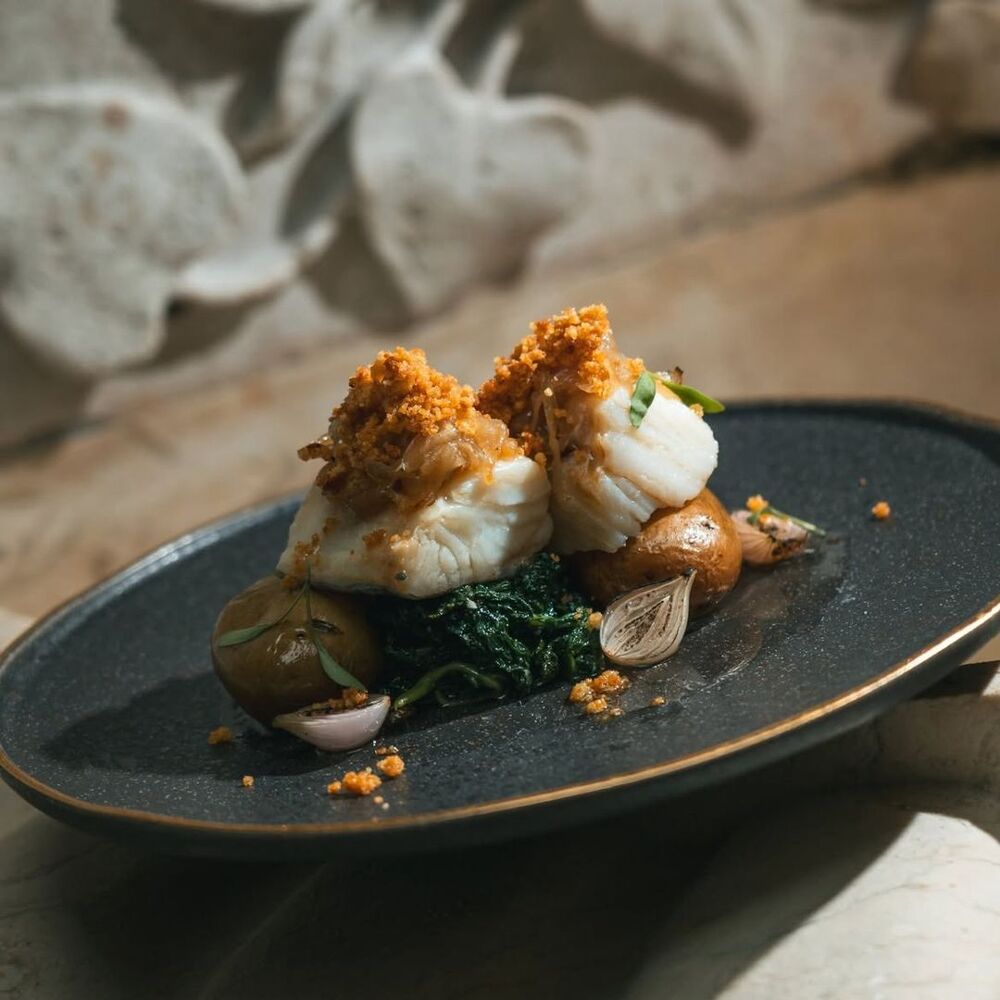
The sourcing logic at OMA operates across three distinct registers, and the menu's structure reflects that directly. Portuguese national beef appears alongside bomba rice, a short-grain variety traditionally associated with Spanish paella country but increasingly sourced from the Alentejo and Valencia for domestic restaurant use. Wild mushrooms, roasted aubergine, and Azorean pineapple complete a picture of a kitchen working outward from Iberian and Atlantic produce rather than importing a foreign template and overlaying local ingredients as garnish.
Azores connection is worth noting specifically. Azorean pineapple, grown under glass in São Miguel, occupies a different flavour register from commercially cultivated varieties, sharper, more aromatic, with a sugar-acid balance that performs differently in a dessert context than its supermarket counterpart. Combining it with pink peppercorns and mascarpone suggests a kitchen that thinks about sourcing as a flavour decision, not a provenance talking point. This approach places OMA within a broader current in Portuguese contemporary cooking that has moved from simply naming local suppliers to actually letting ingredient character drive the dish architecture. dop and Vila Foz both operate in Porto with similar sourcing priorities at higher price points, which makes OMA's position in the €€ tier an interesting data point about where ingredient-led cooking is accessible in the city.
Asian reference in the menu, a Chawanmushi with tuna and dashi, sits at the other end of the sourcing spectrum, drawing on Japanese technique rather than local produce. Chawanmushi, the Japanese steamed egg custard, is a format that has migrated into European contemporary kitchens over the past decade as chefs trained in or exposed to Japanese cuisine bring those textures into their own menus. The dashi base and tuna pairing read as a technical reference point within an otherwise Portugal-grounded menu, serving as a prologue before the kitchen moves toward its native material. The structure, Asia as appetiser, mainland Portugal as main course, the Azores as dessert, maps the restaurant's biographical context onto the plate sequence. That the chef cites Germany (the restaurant's name translates from German as 'grandmother') as part of the journey adds a European layer to a menu that is otherwise oriented between Asia and the Atlantic.
The Room and the Address
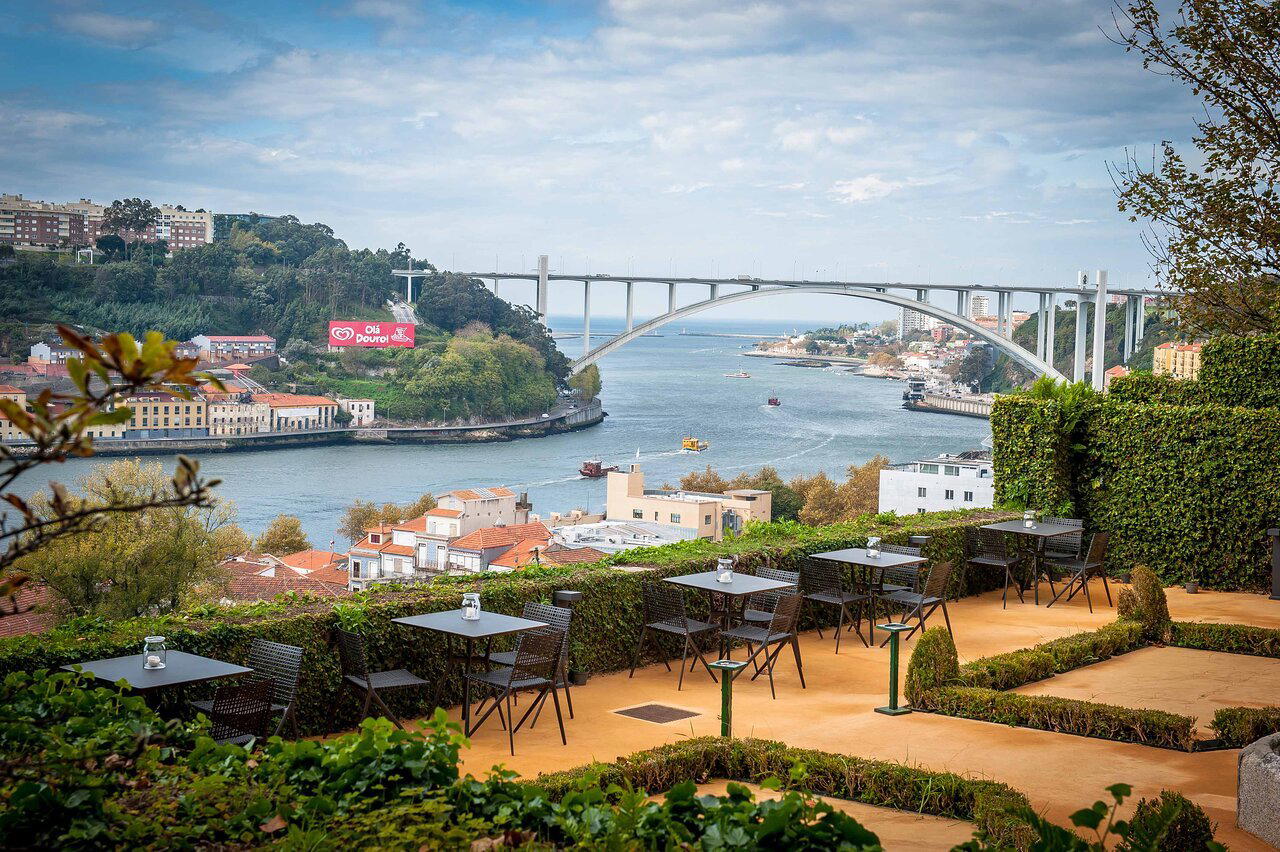
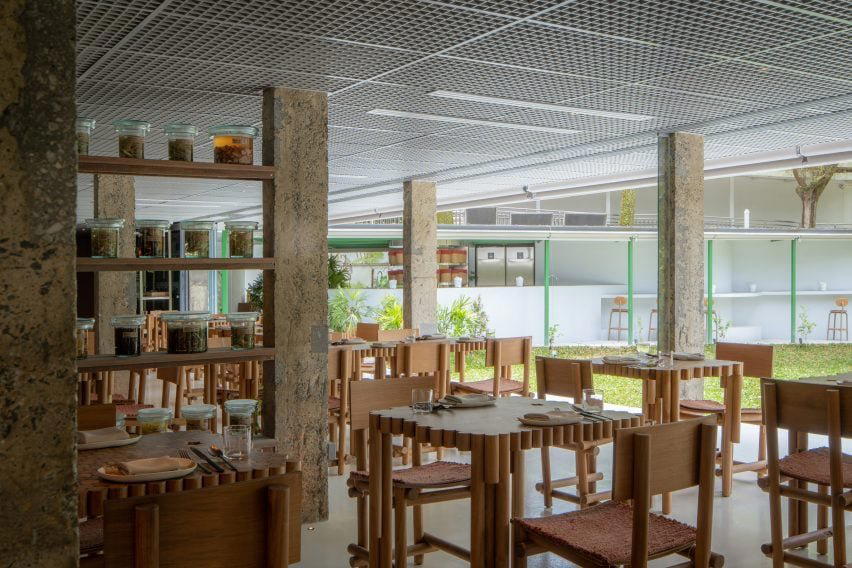
Rua de Oliveira Monteiro sits in the Boavista corridor, a part of Porto that operates at some remove from the tourist-heavy density of Ribeira and the Baixa. The neighbourhood's dining character is quieter and more neighbourhood-facing, with a clientele that skews toward Porto residents rather than visitors following a short list. That context shapes the atmosphere: OMA is not a destination restaurant in the sense of requiring advance international planning, but it occupies a serious enough position in the Bib Gourmand tier to draw visitors making a point of working through Porto's recognised mid-range addresses.
For context on the broader Porto hotel and bar scene around any visit, our full Porto hotels guide and our full Porto bars guide map the city's options by neighbourhood and price tier. Porto's experiences guide and wineries guide round out the picture for longer stays, with the wine operations across the Douro valley accessible as day trips from the city. And for anyone building an itinerary across Portugal's Michelin map, The Yeatman in Vila Nova de Gaia, Ocean in Porches, and Il Gallo d'Oro in Funchal occupy different points on the price and format spectrum. Globally, the contemporary cross-cultural format OMA represents has parallels in César in New York City and Jungsik in Seoul, both of which navigate similar territory between European and Asian technique.
The address, Rua de Oliveira Monteiro 183, is accessible from central Porto and sits outside the most congested pedestrian zones, which makes arrival direct. For a full view of comparable Porto restaurants at this price tier and above, see our full Porto restaurants guide.
Frequently asked questions
Can I bring kids to OMA?
OMA's price range sits at €€, and the menu follows a structured progression across distinct flavour registers rather than à la carte casualness, which suits older children who can engage with a set format. The intimate atmosphere on Rua de Oliveira Monteiro leans toward a deliberate dining pace, so very young children may find it a stretch. Nothing in the venue's profile explicitly restricts families, but the tasting-style progression is better suited to adults and curious older kids.
What kind of setting is OMA?
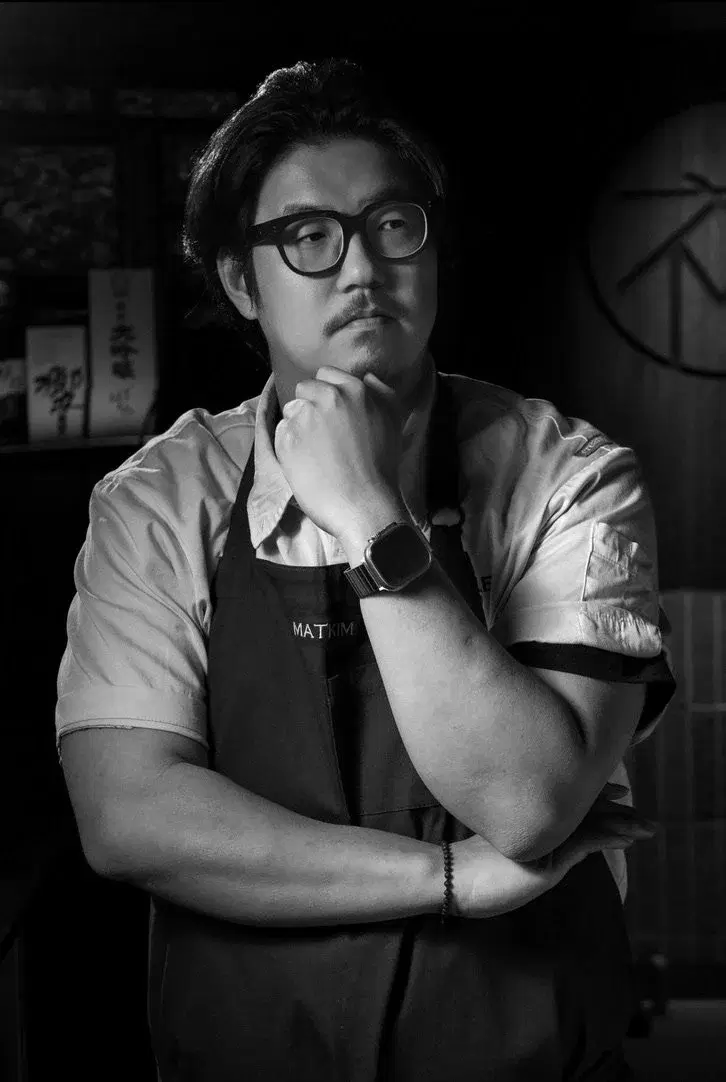
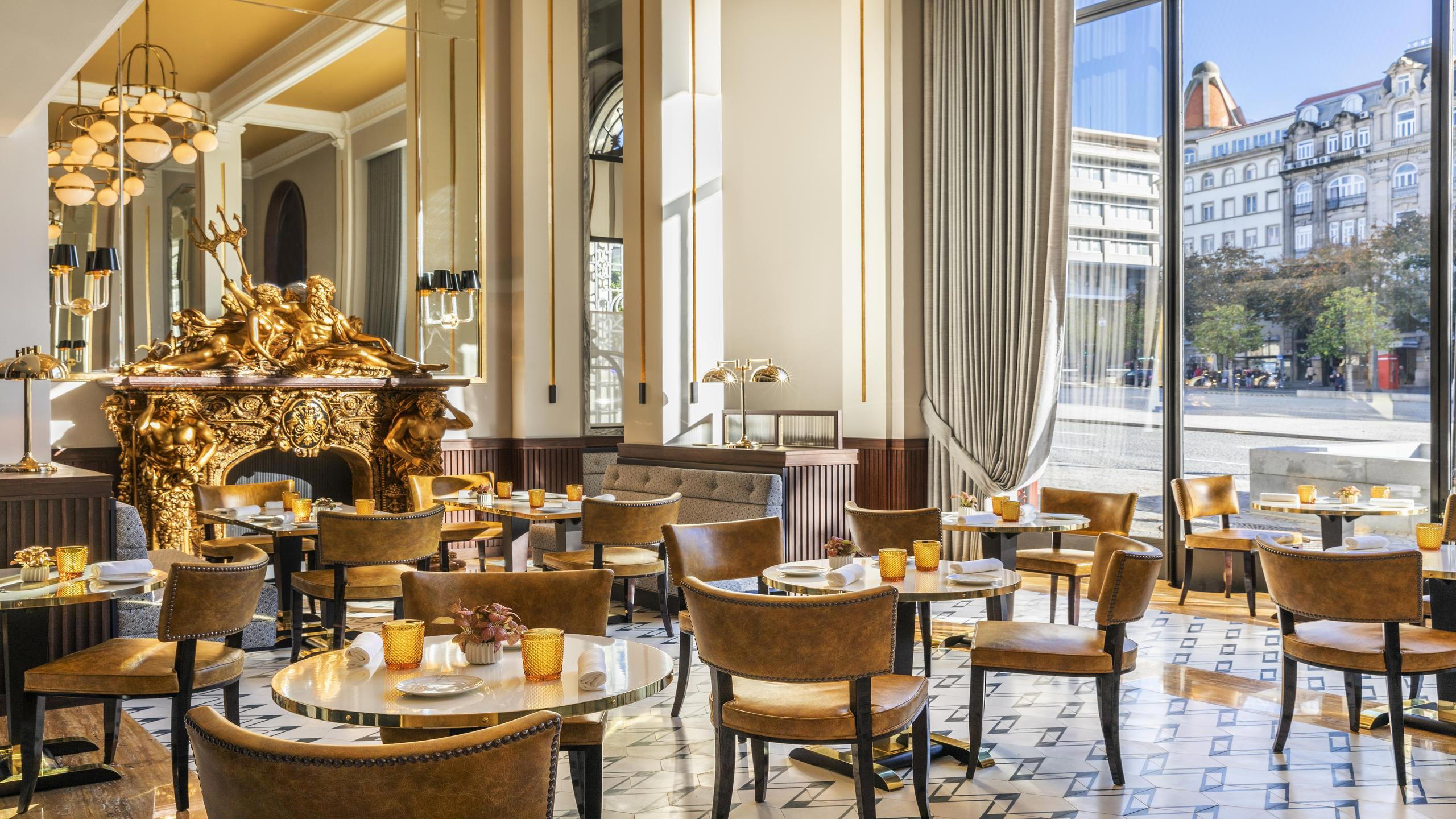
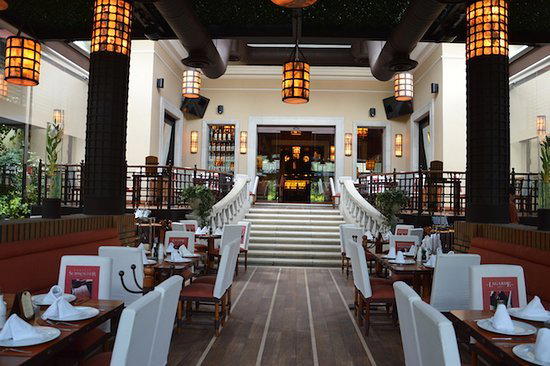
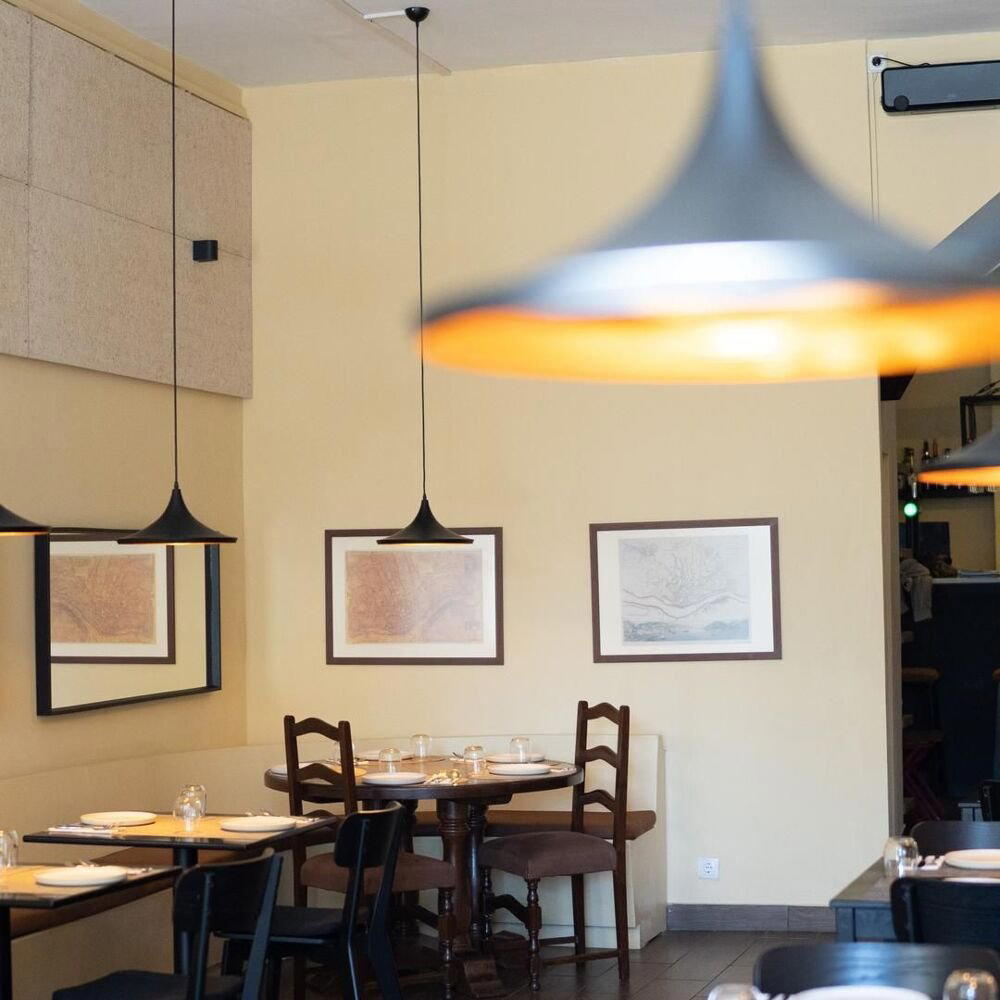
OMA occupies a address in Porto's Boavista corridor, away from the tourist density of Ribeira, which shapes the room's register: this is a neighbourhood restaurant with a Michelin Bib Gourmand (2025) credential rather than a destination-tourist operation. Chef Luís Moreira and partner Ana Silveira drew on time in Germany and aspirations toward Asia in shaping the space's identity, so the atmosphere reflects a personal, travel-informed project rather than a conventional fine-dining room.
What's OMA known for in terms of accolades?
OMA has received recognition including: This establishment is run by Chef Luís Moreira and his partner, Ana Silveira, who recently left a small village to venture into urban life in Porto, and there is no doubt they have been warmly welcomed. They both aim to share their experie….
What should I order at OMA?
The menu is built as a geographical arc: the chawanmushi with tuna and dashi opens proceedings with a Japanese reference, national beef sirloin with bomba rice and wild mushrooms anchors the Portuguese middle section, and an Azorean pineapple dessert with pink peppercorns and mascarpone closes it. Given the Bib Gourmand recognition at €€ pricing, ordering the full progression rather than selecting individual dishes captures the logic the kitchen is working to. Each course is tied to a specific sourcing or cultural reference, so skipping one breaks the sequence.
What style of cooking does OMA do?
A Pricing-First Comparison
| Venue | Cuisine | Price | Awards | Notes |
|---|---|---|---|---|
| OMAThis venue (the venue you are viewing) | Modern Portuguese Fine Dining | $50–100 | Michelin Bib Gourmand | Not listed |
| Euskalduna Studio | Modern Fusion Tasting Menu | $100–150 | 1 Michelin Star · La Liste Top Restaurants | Progressive Portugese, Modern Cuisine |
| Pedro Lemos | Contemporary Portuguese Fine Dining | $100–150 | 1 Michelin Star · La Liste Top Restaurants | Not listed |
| Almeja | Contemporary Portuguese Fine Dining | $50–100 | Michelin Plate · We're Smart World 1 Radish | Not listed |
| Antiqvvm | Modern Mediterranean Fine Dining | $200–300 | 2 Michelin Stars · La Liste Top Restaurants | Creative |
| Le Monument | Modern Portuguese Fine Dining | $150–200 | 1 Michelin Star · La Liste Top Restaurants | Contemporary |
Recognition history
Dated appearances from independent guides and award organizations, with the underlying list record or original source where available.
Michelin Bib Gourmand
Michelin
Full recognition history (2 entries)
Michelin Bib Gourmand
Michelin