
Gastro by Elemento brings Porto’s contemporary dining conversation back to fire, seasonality, and product choice rather than decorative technique. Its Michelin Plate recognition in 2024 and 2025 reflects a compact, tasting-menu format built around wood-fired cooking, low-temperature work, and a strong marine emphasis.
Pearl is the En Primeur Club membership app — saves, bookings, and concierge access live there. Same editors, same standards.
- Address
- R. Maria Adelaide Freitas Gonçalves 13, 4350-109 Porto, Portugal
- Phone
- +351 22 549 2399
- Website
- gastroelemento.com
- Directions
- Get directions
 Saves & bookings on Pearl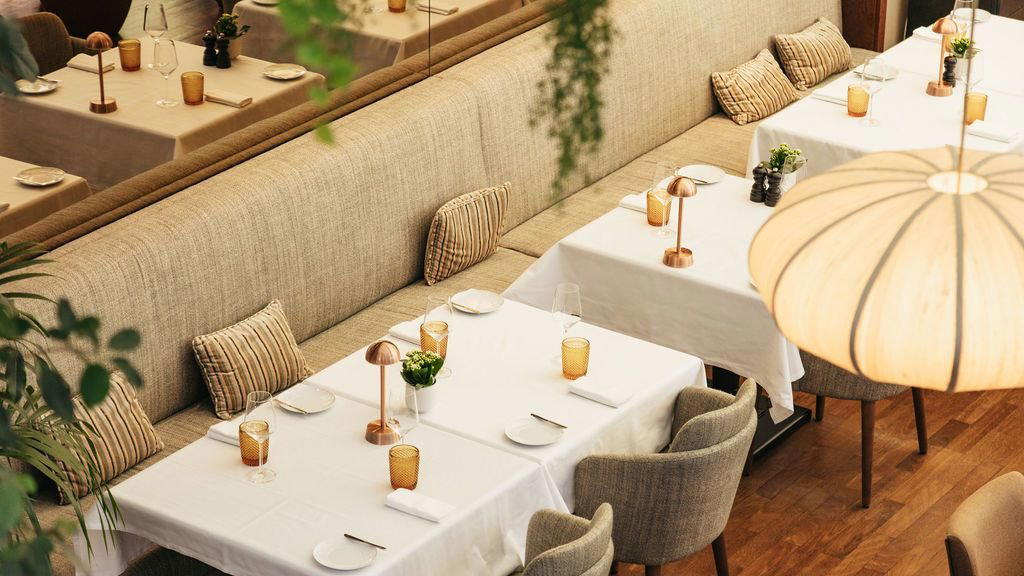
The room makes its case before the first course: industrial lines, a minimal dining room, and a U-shaped counter around the kitchen rather than away from it. Porto has many contemporary restaurants, but here the grammar is older: fire, wood, embers, low-temperature cooking, and the rhythm of a visible kitchen.
That makes Gastro by Elemento an interesting Porto address for diners tracking Portuguese cooking beyond heritage quotation. The city’s dining scene has matured quickly, with hotel dining, chef-led rooms, and informal contemporary counters competing for the same serious traveller. Against that backdrop, this restaurant chooses a narrow lane: a menu shaped by product and a cooking language rooted in flame.
Fire as method, not theatre
Wood-fired cooking can become performance in the wrong hands. In Porto, where smoke, heat, and local appetite already carry strong associations, the better version is quieter: technique used to alter texture, temperature, and concentration, not to decorate a plate with char. The restaurant’s recognised description puts the wood-burning kitchen, wood-fired oven, embers, and low-temperature cooking at the centre, framing fire as infrastructure rather than visual gimmick.
The format gives that method room to build an argument. The kitchen can move from quick heat to slower cooking, from lighter courses to deeper savoury registers, without relying on a conventional à la carte rhythm. Those choices place the restaurant within Portuguese vocabulary, while the technique moves it beyond the straight comfort address into a more process-driven territory.
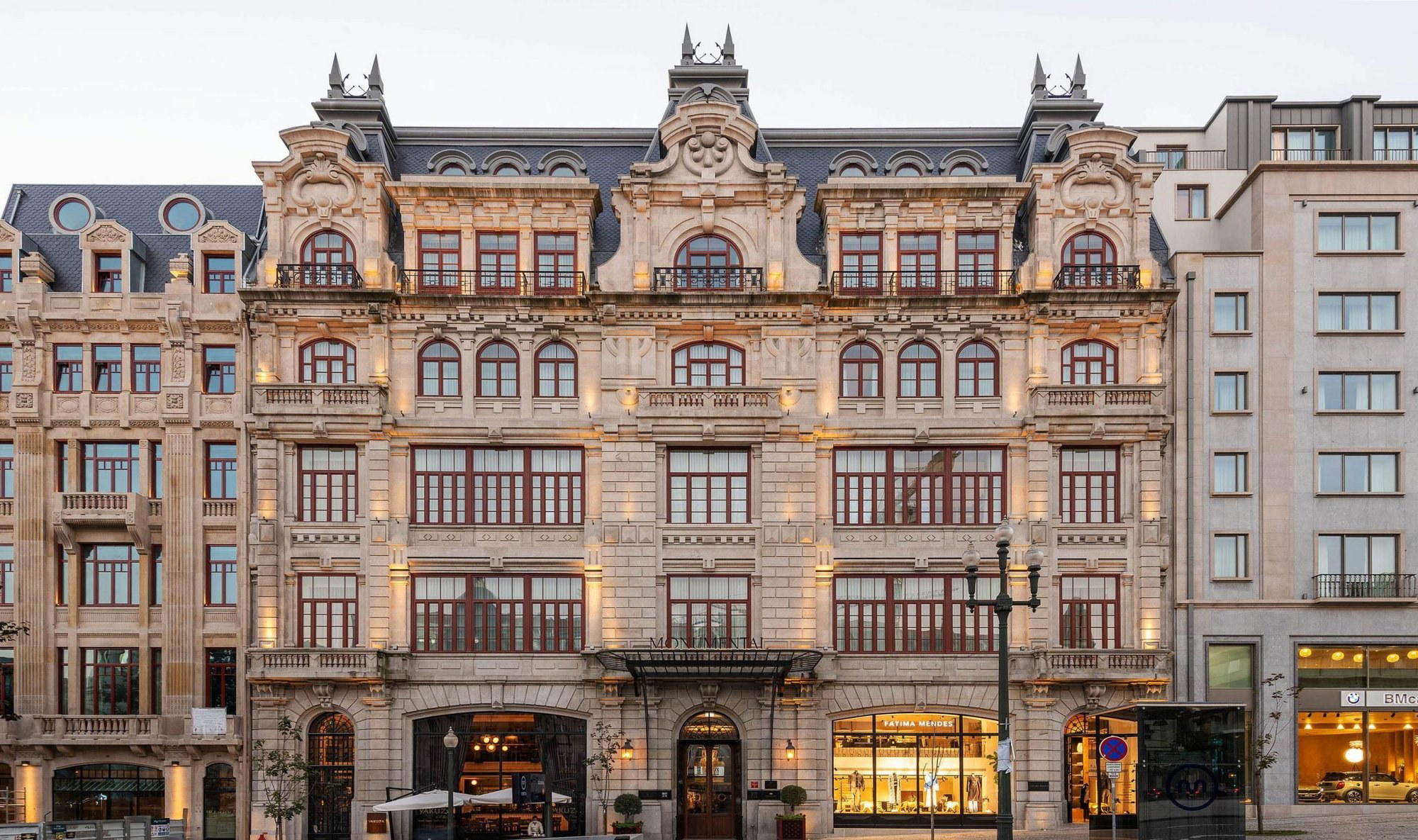
The counter is not a minor seating choice. A U-shaped arrangement pulls the kitchen into the room’s centre, making preparation part of the meal’s structure. For process-minded diners, it is the smarter seat: it clarifies how heat is managed and how the menu moves. This is not the proposition of a grand hotel dining room such as Le Monument, nor the more casual contemporary bracket of Mito and Fauno. The appeal is narrower, more technical, and tied to cooking’s choreography.
Ricardo Dias Ferreira and Porto's modern Portuguese register
Chef Ricardo Dias Ferreira is attached to the project, but the stronger reading is not biographical. The useful question is what his cooking says about Porto’s current restaurant tier. Contemporary Portuguese dining often splits between two impulses: polishing regional memory into fine-dining form, or stripping the room back and letting method carry identity. Gastro by Elemento belongs to the second camp.
Its recognition is meaningful, not because it makes the restaurant a trophy table, but because it shows the format has been noticed for a clearly defined point of view. The distinction should not be overstated. It does, however, place the restaurant in the critical field for travellers comparing Porto’s contemporary options by evidence rather than noise.
That distinction matters in a city whose dining map pulls several ways. Other Porto dining rooms speak to the city’s chef-led modern Portuguese lineage, while others work in different contemporary registers. Gastro by Elemento is less about breadth than concentration: a counter-forward room and fire-led technique that narrows the decision for the diner. If the evening calls for choice and conversational pacing, another Porto table may suit better. If the point is to see a kitchen build a meal through heat, smoke, and preparation, this is the cleaner match.
The service of the meal can add another layer when handled with restraint. Porto restaurants have plenty of context around them, but not every contemporary room uses that context with equal discipline. Here, the clearest value is the way ingredients, wood-fired intensity, and the room’s visible process can be made to feel connected rather than decorative.
How to place it within a Porto dining itinerary
The restaurant is a focused restaurant for travellers who want Porto beyond the obvious heritage circuits. Its Porto location is useful for diners ready to move beyond the same central dining pattern. Treat the meal as the evening’s main event rather than a stop before other plans, because the format is built around the room’s attention to fire, preparation, and pace.
For a compact Porto itinerary, it works as the fire-and-counterpoint address: compare it with the city’s more formal contemporary dining, then use adjacent categories to see how Porto’s hospitality scene is widening. EP Club’s city coverage helps that mapping, from Our full Porto restaurants guide to Our full Porto hotels guide, Our full Porto bars guide, Our full Porto wineries guide, and Our full Porto experiences guide. The point is not collecting venues, but understanding the city’s split personality: port-wine gravity, Atlantic produce, ambitious restaurants, and a younger contemporary tier testing how far Portuguese cooking can be edited without losing its accent.
Across Portugal, that conversation is broader than Porto. Travellers building a national route might compare the format with unnamed dining rooms in Lisbon, Vila Nova de Gaia, the Douro, the Algarve, and northern Portugal more broadly. For a wider European contemporary reference, other European dining rooms show how the same category shifts as regional product, room scale, and service culture change.
The editorial read is direct: this is a Porto table for diners who care how a meal is made, not only what category it occupies. Its recognition gives it an external marker, the fire-led kitchen gives it structure, and the counter gives the evening its point of view. In a city where contemporary dining swings between comfort, polish, and ambition, the restaurant is the fire-led option disciplined enough to justify planning around it.
Fast Comparison
Comparable venues by cuisine and price in the same metro.
| Venue | Cuisine | Price | Awards | Notes |
|---|---|---|---|---|
| Gastro by ElementoThis venue — the venue you are viewing | Modern Fire-Centric Portuguese Tasting | $$$$ | Michelin 1 Star | Not listed |
| Pedro Lemos | Contemporary Portuguese Fine Dining | $$$$ | Michelin 1 Star | Lordelo do Ouro |
| Le Monument | Modern Portuguese Fine Dining | $$$$ | Michelin 1 Star | Santo Ildefonso |
| Blind | Modern Surprise Tasting | $$$$ | Michelin 1 Star | Sé |
| In Diferente | Modern Portuguese Seafood Fine Dining | $$$ | Michelin 1 Star | Foz do Douro |
| Real by Casa da Calçada | Modern Portuguese Fine Dining | $$$ | Michelin Plate | Santo Ildefonso |
Recognition history
Dated appearances from independent guides and award organizations, with the underlying list record or original source where available.
Michelin 1 Star
Michelin
Michelin Plate
Michelin
Michelin Plate
Michelin
Continue exploring
More in Porto
More from Chef Ricardo Dias Ferreira
Browse all →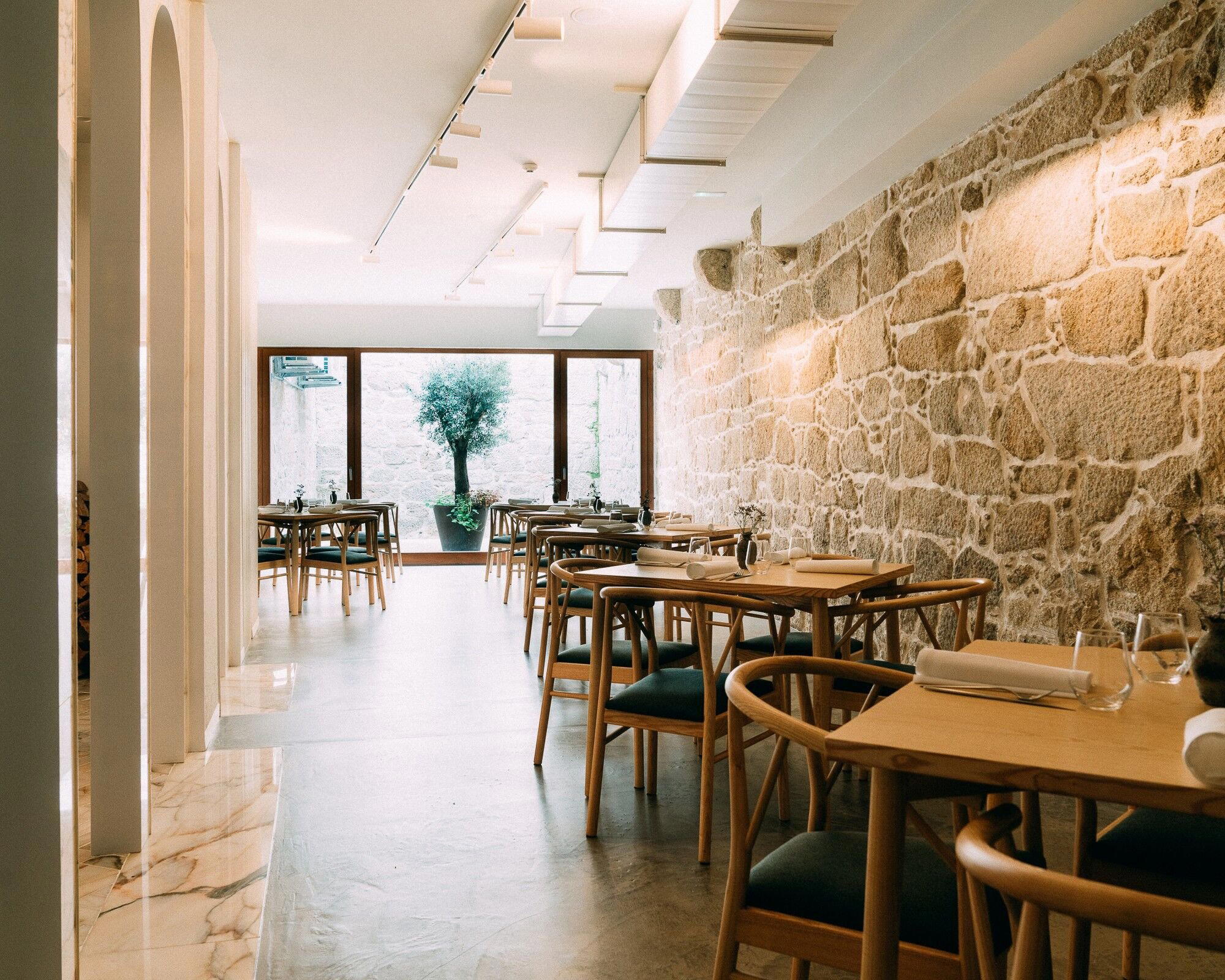
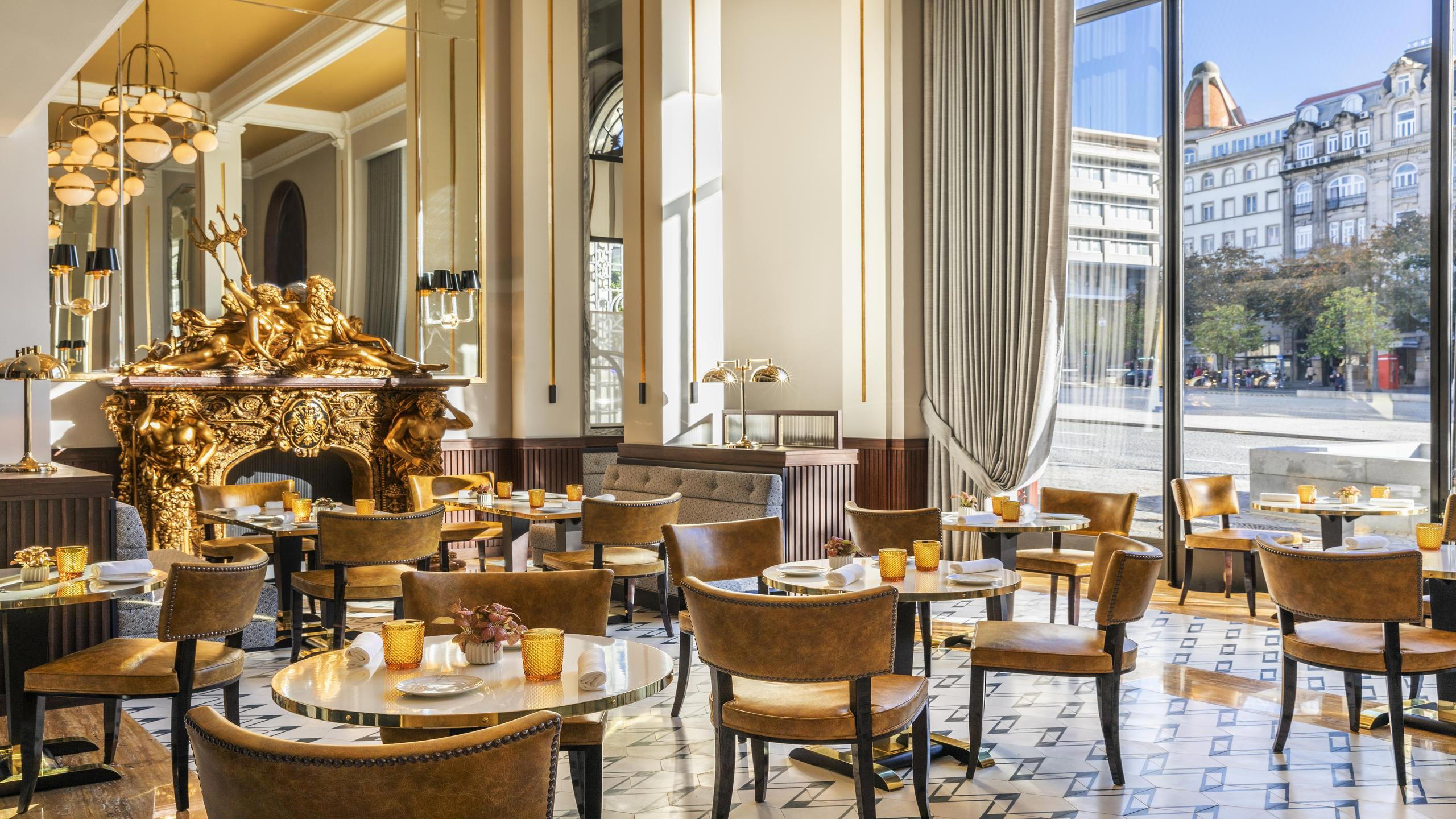
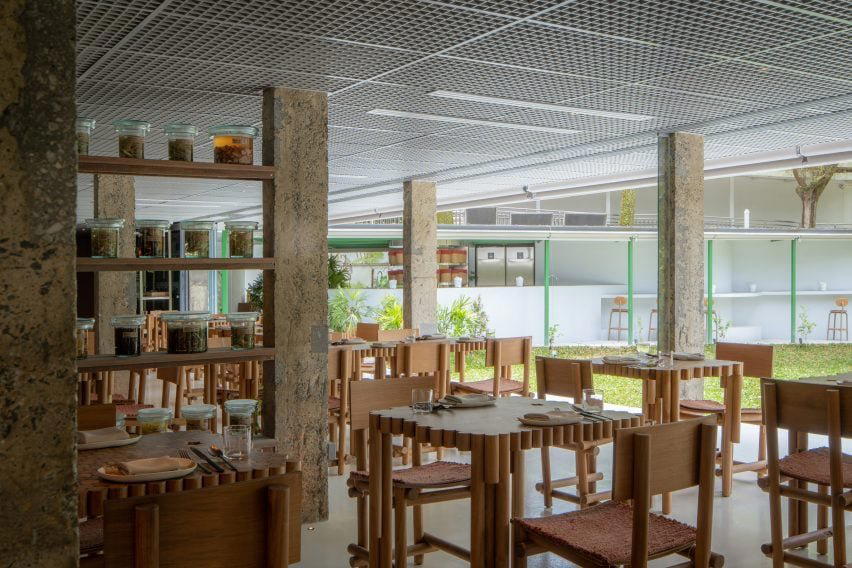
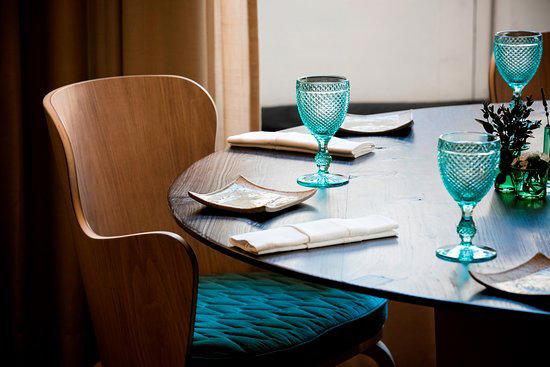
Restaurants in Porto
Browse all →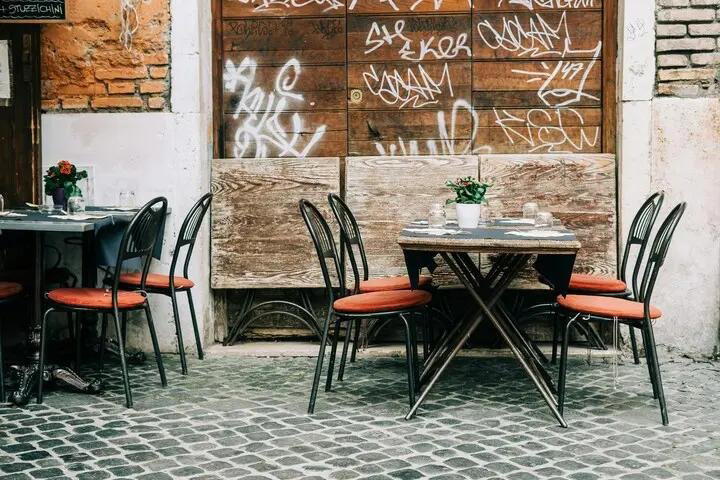
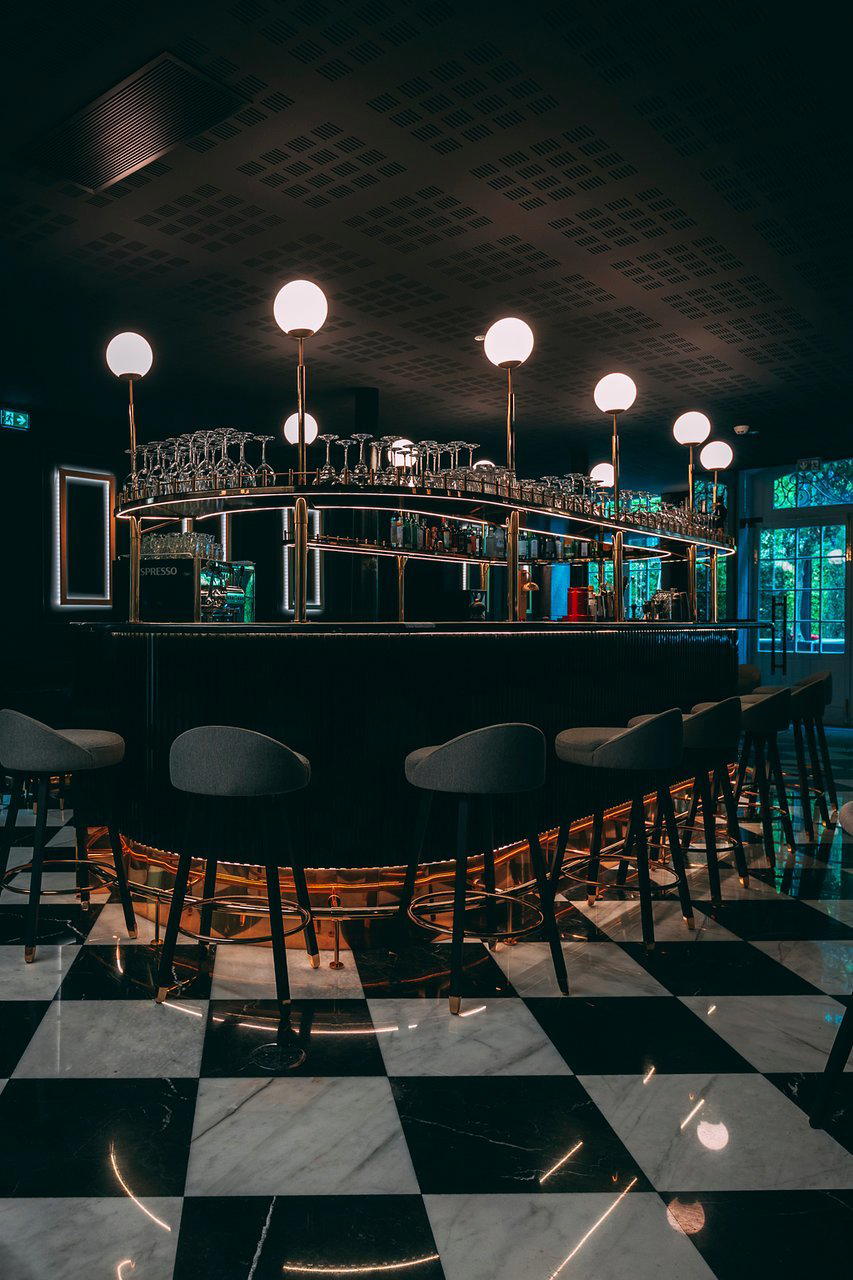
Bars in Porto
Browse all →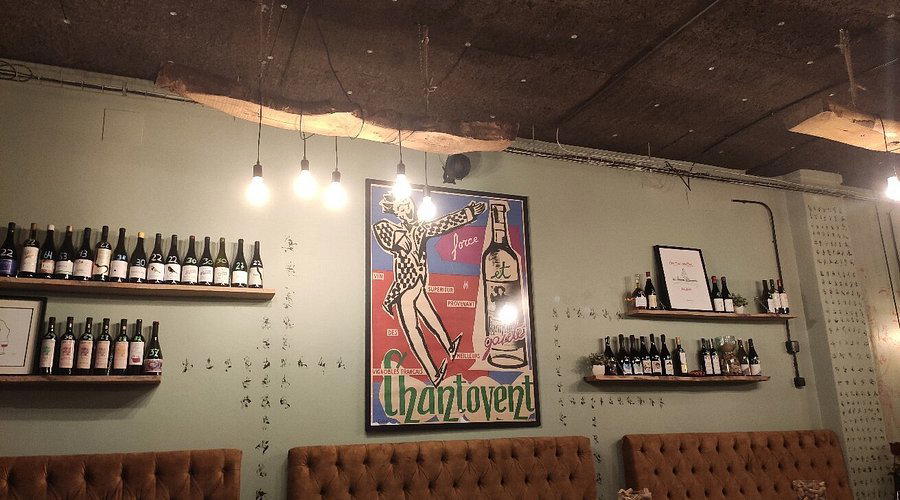
Hotels in Porto
Browse all →
At a Glance
- Modern
- Intimate
- Elegant
- Sophisticated
- Minimalist
- Special Occasion
- Date Night
- Celebration
- Open Kitchen
- Chefs Counter
- Extensive Wine List
- Sommelier Led
- Local Sourcing
Current opening hours
- Monday
- Closed
- Tuesday
- 7–11 PM
- Wednesday
- 7–11 PM
- Thursday
- 7–11 PM
- Friday
- 7–11 PM
- Saturday
- 7–11 PM
- Sunday
- Closed
Hours can change for holidays and private events. Last verified .
Minimalist, modern open kitchen counter seating with calm atmosphere, excellent acoustics, and warm lighting focused on the fiery cooking process.