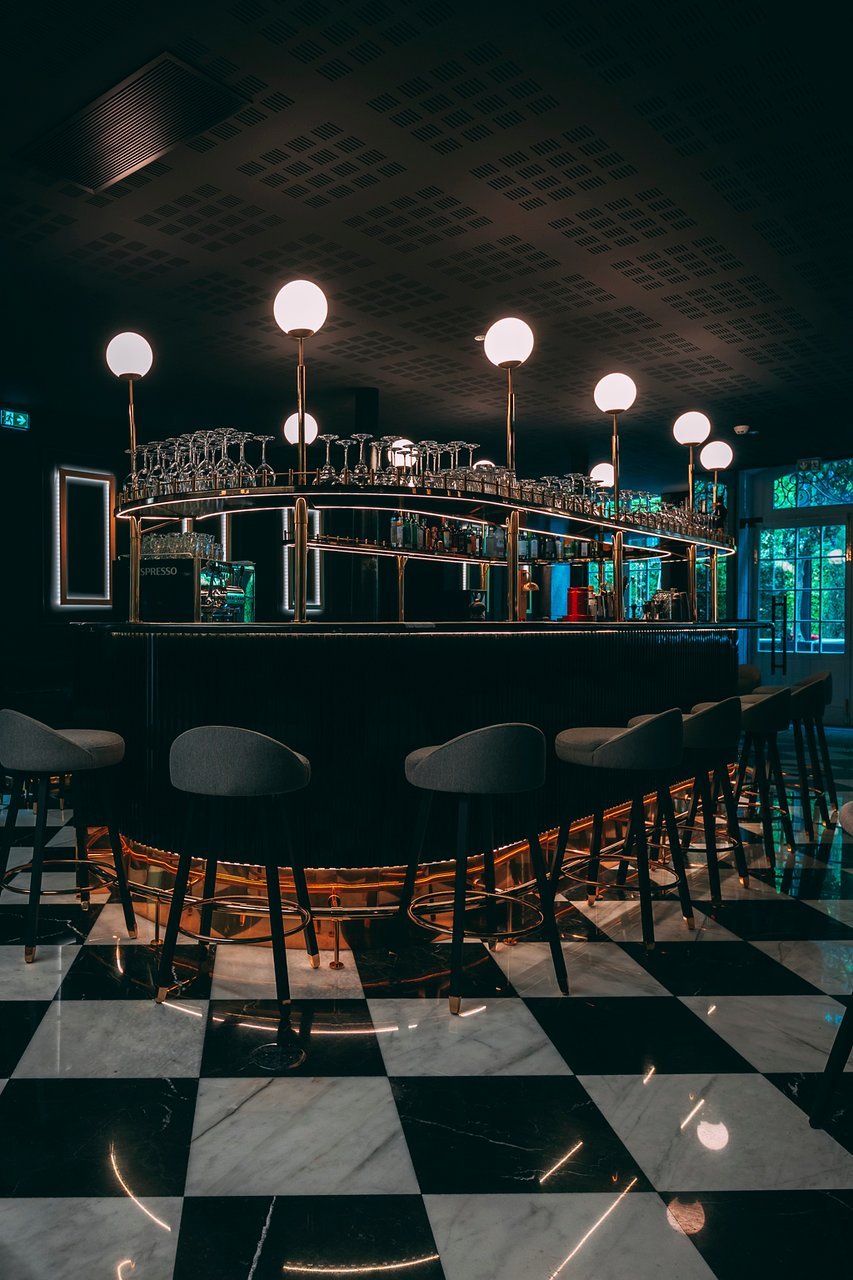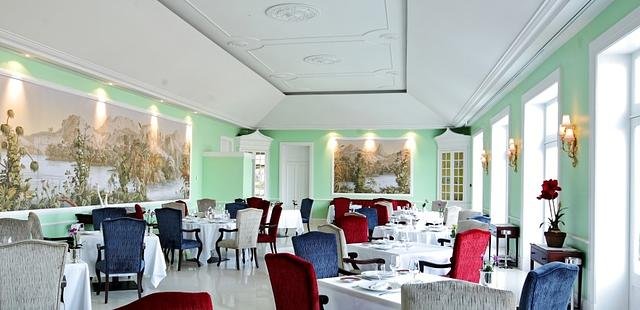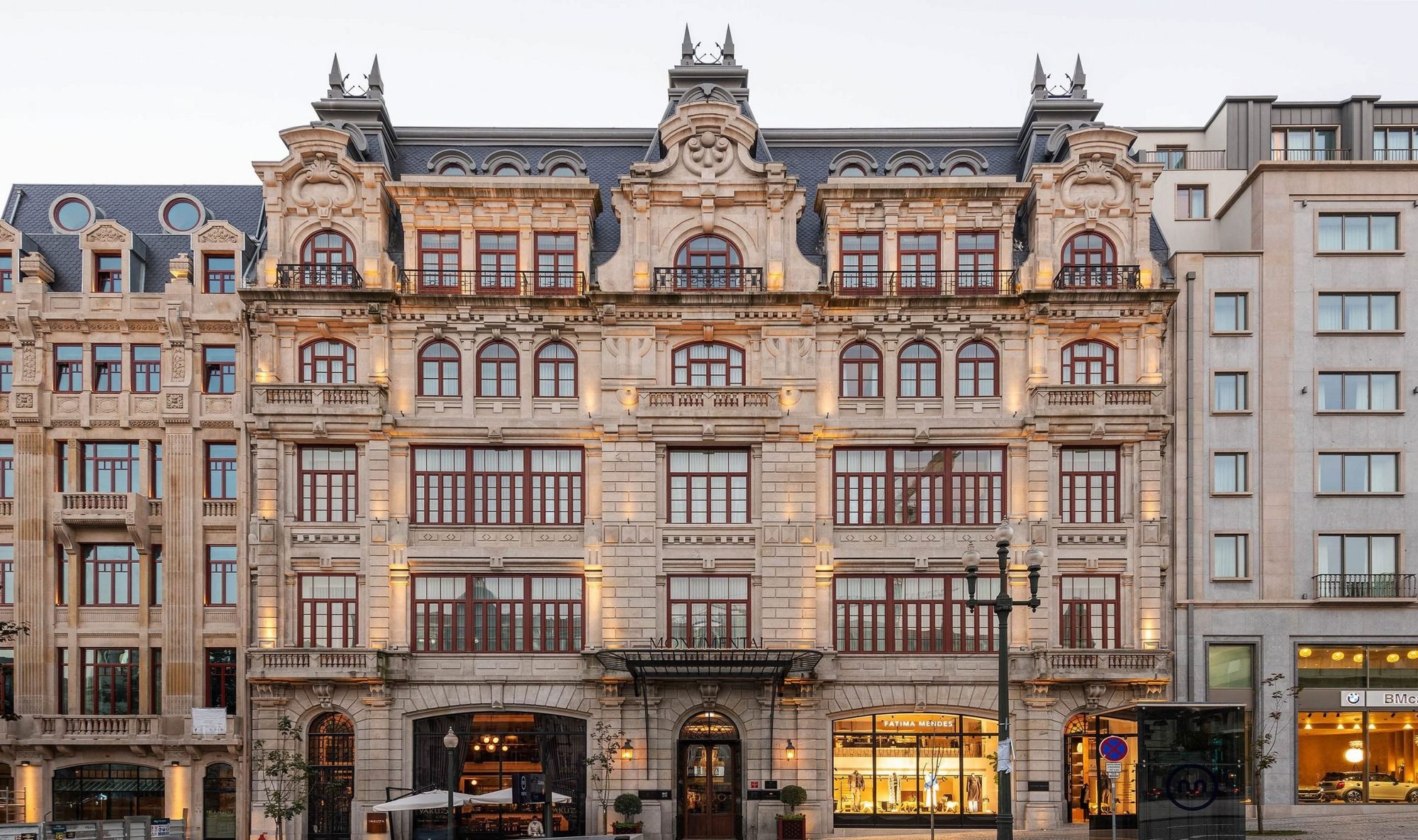

Inside the Le Monumental Palace on Avenida dos Aliados, Le Monument holds a Michelin star and a 2026 La Liste score of 78 points. French chef Julien Montbabut, formerly starred in Paris, structures the menu around Portugal's regional traditions, offered in a six-course Passeio or ten-course Grande Viagem format. The brown crab signature dish, finished with Savora mustard and yuzu, encodes the kitchen's approach in a single plate.
 Discover on Pearl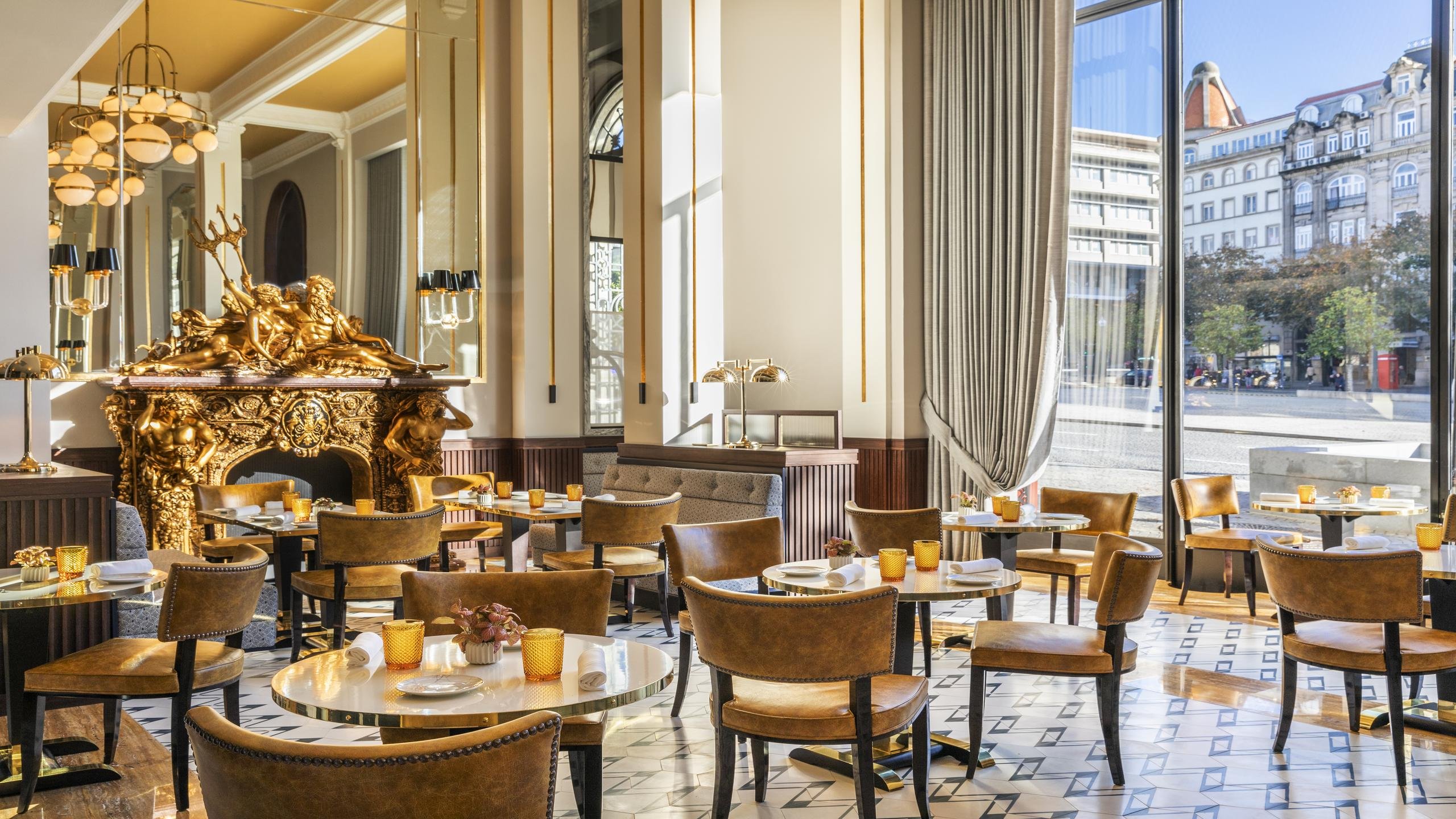
Porto's Grand Avenue and the Occasion That Deserves It
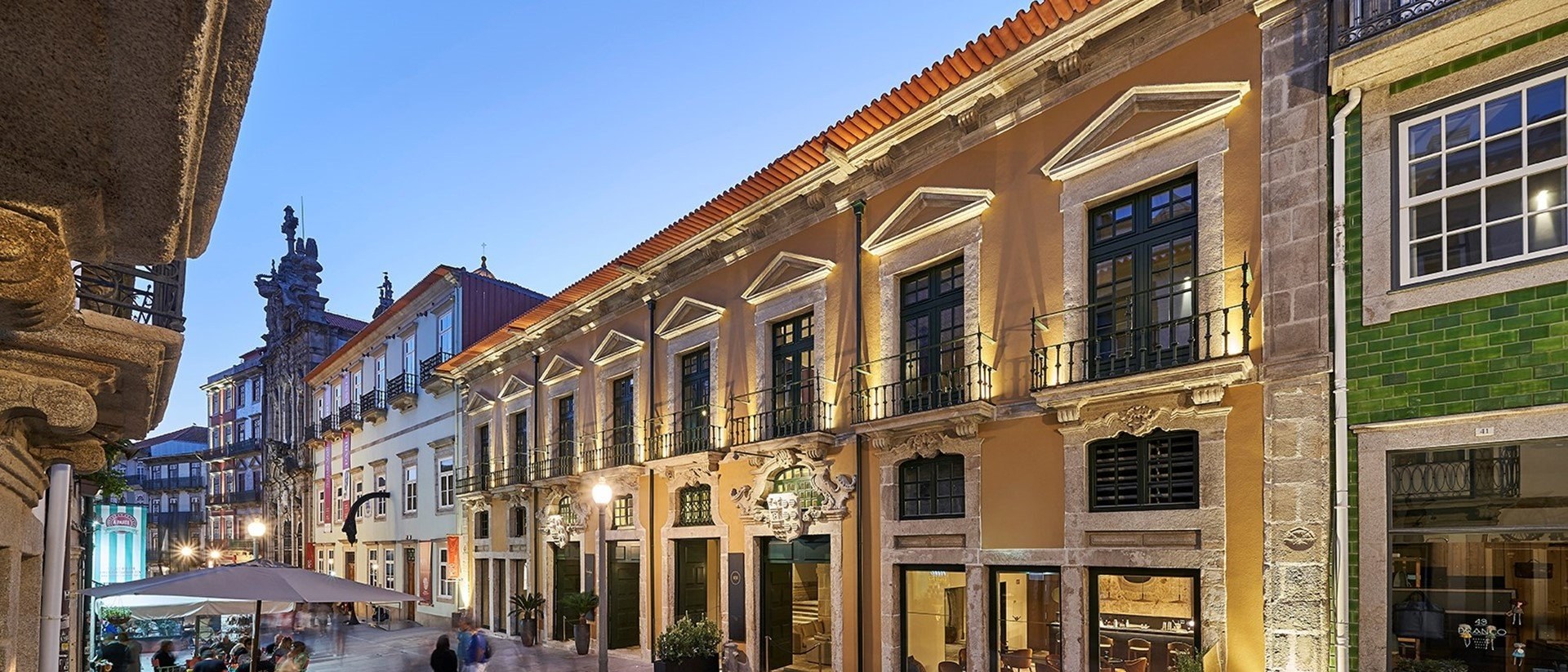
Avenida dos Aliados is Porto's most ceremonial address. The broad, neoclassical corridor that connects the city's administrative heart to the Trindade metro station has historically carried a weight that most Portuguese streets do not. Hotels on this avenue have always been statements, built for arrival rather than convenience. Dining inside one of them, at this register of ambition and price, carries that same logic: this is where Porto residents and visitors mark the meals that matter.
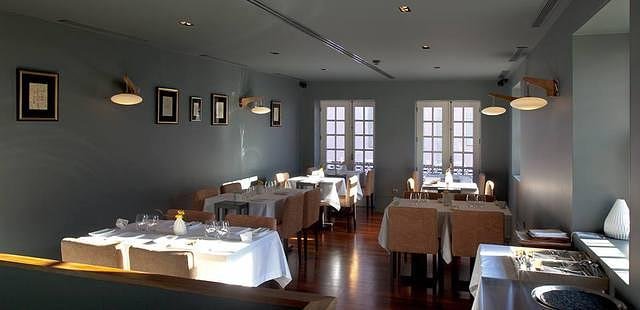
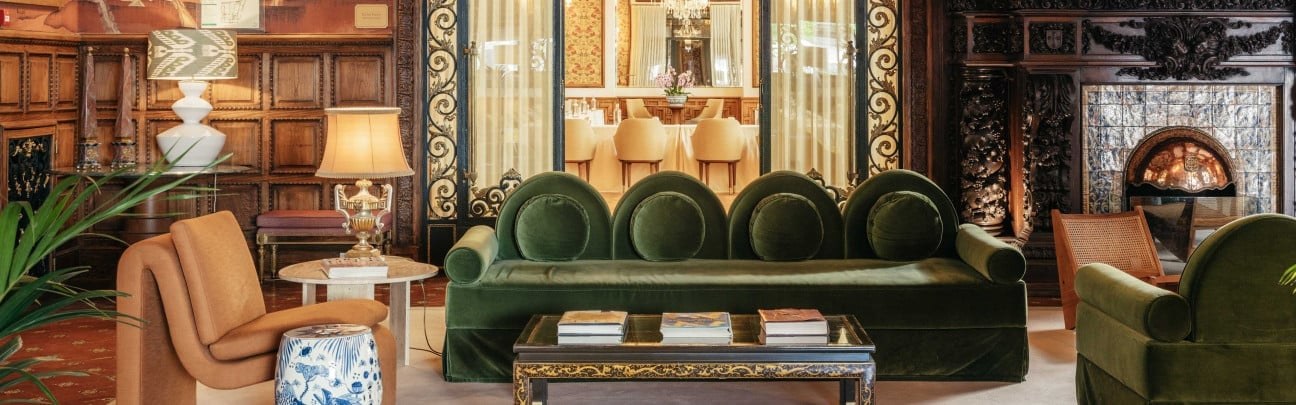
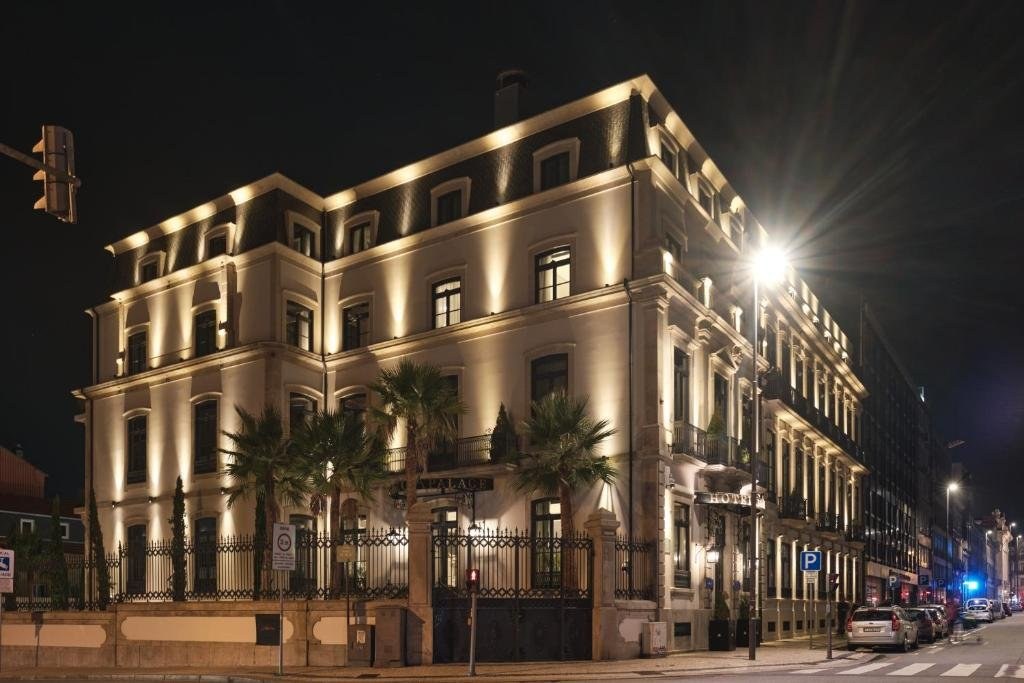
Le Monument sits within the Le Monumental Palace hotel at Av. dos Aliados 151, and the setting does considerable work before a dish arrives. The architecture frames the experience as occasion dining in the most literal sense. Porto's €€€€ restaurant tier is not large; beyond Le Monument, comparable positions are held by Vila Foz, dop, and Fauno, each occupying different editorial space within that bracket. What separates Le Monument from its peers is a specific set of credentials: a current Michelin star awarded in 2024, a 2026 La Liste score of 78 points, and a kitchen led by a chef who had already achieved starred status in Paris before relocating his focus to Porto.
Two Formats, One Decision
Porto's most serious tasting-menu restaurants have generally converged on a single format: one menu, take it or leave it. Le Monument operates differently. The kitchen presents two structured options, the Grande Viagem at ten courses and the Passeio at six. That distinction matters for occasion planning. A table celebrating a significant anniversary or milestone may want the full sequence; a mid-week dinner before a flight may not. The six-course format is not a lesser version but a compressed edit, designed to deliver the kitchen's argument in fewer movements.
Both formats include the signature dish: Sapateira, a preparation of brown crab finished with Savora mustard and yuzu. The combination of those three elements — crab, the distinctive heat of Savora, the citric sharpness of yuzu — describes the kitchen's method more clearly than any overview paragraph could. Portuguese ingredient, French technique reference, Japanese citrus. The dish encodes what the menu is doing across all its courses: reading Portugal's regional canon through a foreign-trained eye that neither apologises for its distance nor pretends to belong entirely.
The sourcing logic runs through the broader menu too. Chef Julien Montbabut, whose starred history in Paris is documented in the La Liste commentary, structures the menu as a geographic survey of Portugal's regions, working from native ingredients and revisiting classic regional recipes without reproducing them faithfully. This is not fusion in the casual sense. It is a French chef using the full weight of classical training to ask what Portuguese ingredients can do when those techniques are applied to them with care.
Where Le Monument Sits in Portugal's Starred Landscape
Portugal's Michelin-starred tier has expanded meaningfully in the last decade. Nationally, the points of comparison include Belcanto in Lisbon, Vila Joya in Albufeira, Casa de Chá da Boa Nova in Leça da Palmeira, Il Gallo d'Oro in Funchal, The Yeatman in Vila Nova de Gaia, and Ocean in Porches. Each represents a different argument about what Portuguese fine dining can be. Le Monument's argument is specifically about translation: Portugal filtered through a sensibility formed elsewhere, then applied here with evident seriousness.
Within Porto specifically, the competitive tier includes restaurants working in similarly creative registers. Gastro by Elemento and Mito represent different points in the city's contemporary dining conversation. Globally, the contemporary fine-dining format Le Monument operates within has parallels at places like César in New York City and Jungsik in Seoul, where non-native chefs apply rigorous technical frameworks to local culinary traditions. The pattern is well-established; Le Monument's version of it is anchored in Porto and priced accordingly.
The Google rating of 4.7 across 298 reviews is worth reading carefully. At the €€€€ price point and with the physical context of a grand hotel, guest expectations arrive calibrated very high. Sustaining a 4.7 in that environment reflects consistent execution rather than simply a strong opening period.
The Occasion Meal: Framing and Planning
Le Monument opens Tuesday through Saturday, with service from 6:30 PM to 8:30 PM. It is closed Sunday and Monday. That narrow window , a single seating slot across five evenings , signals a kitchen operating at controlled capacity. Restaurants at this level rarely overfill; the rhythm of a tasting menu at ten courses demands a room that isn't turning tables under time pressure. For occasion planning, this means reservations will require advance organisation, particularly for weekend dates, which carry more competition from anniversary and celebration bookings.
The hotel context at Le Monumental Palace also opens a planning layer that standalone restaurants cannot match. For milestone dinners where the occasion extends beyond the meal itself, the Aliados address provides a physical setting that Porto's more neighbourhood-based starred alternatives do not. Arriving on foot along the avenue, entering through hotel architecture designed to impress, and spending the evening in a dining room built to that same scale , this is a specific experience, and it suits specific occasions.
Practical coordination with the hotel concierge, given the absence of published direct booking details, is the most reliable route for securing a table. The hours structure and the closed Sunday/Monday policy make this primarily an experience for the Thursday-to-Saturday dining window that characterises Porto's event calendar. Those planning around Porto's broader cultural programme should check the city's current offers across our full Porto restaurants guide, alongside options in hotels, bars, wineries, and experiences across the city.
What to Know Before You Go
The tasting menu format rewards a certain kind of table: one that arrives without urgency, prepared to move at the kitchen's pace across either six or ten courses. The service window of 6:30 PM to 8:30 PM is not long, but a tasting menu of this scope at a hotel restaurant of this calibre typically means the evening will run past the listed closing time. Budget a full evening. The price bracket places it firmly in the occasion register rather than casual dining, and both formats should be understood as structured experiences rather than à la carte meals with extra steps.
The herb and plant infusion service that closes the meal, selected by the kitchen, is the kind of detail that distinguishes a thoughtfully composed menu from one that merely collects its courses and stops. It is, in structural terms, the equivalent of a final editorial note: the kitchen's way of finishing the argument it has been making across the preceding hours.
The Essentials
A quick context table based on similar venues in our dataset.
| Venue | Notes | Price |
|---|---|---|
| Le Monument | This venue | €€€€ |
| Euskalduna Studio | Progressive Portugese, Modern Cuisine, €€€€ | €€€€ |
| Pedro Lemos | Modern European, Contemporary, €€€€ | €€€€ |
| Almeja | Portugese, Contemporary, €€ | €€ |
| Antiqvvm | Creative, €€€€ | €€€€ |
| Vila Foz | Contemporary, €€€€ | €€€€ |
Continue exploring