
On one of Porto's narrowest streets, Fauno runs a single evolving tasting menu anchored to seasonal Portuguese producers, with a natural wine program curated by sommelier Pedro Amorim and cooking by his brother Tiago. A Michelin Plate holder It sits in Porto's mid-tier contemporary bracket where format discipline and ingredient sourcing carry more weight than room size.
Pearl is the En Primeur Club membership app — saves, bookings, and concierge access live there. Same editors, same standards.
- Address
- R. Estreita dos Lóios 5, 4050-244 Porto, Portugal
- Phone
- +351 22 319 5394
- Website
- faunorestaurante.pt
- Directions
- Get directions
 Saves & bookings on Pearl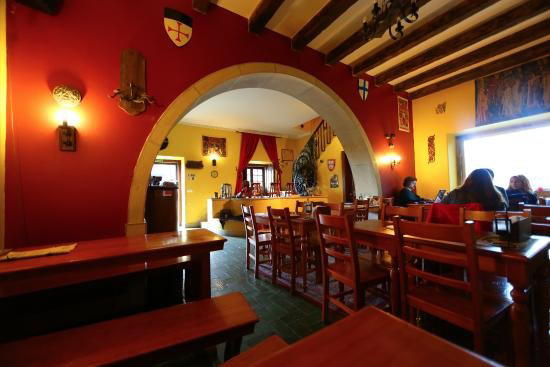
The Street, the Doors, the Ritual
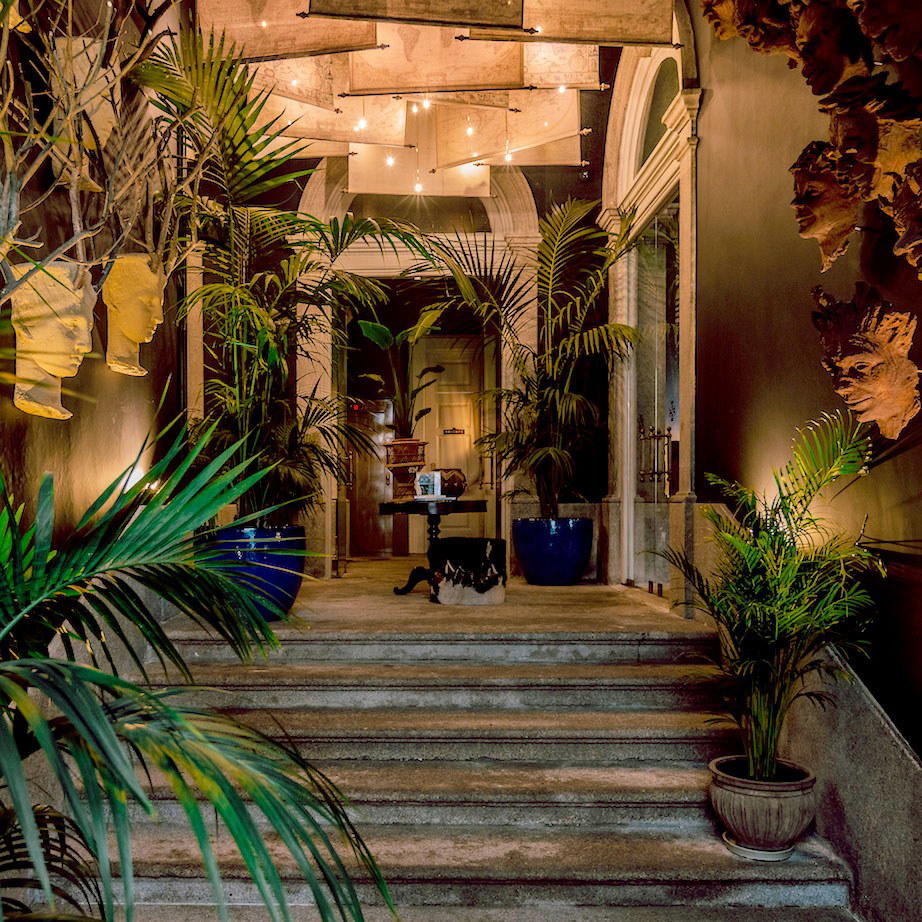
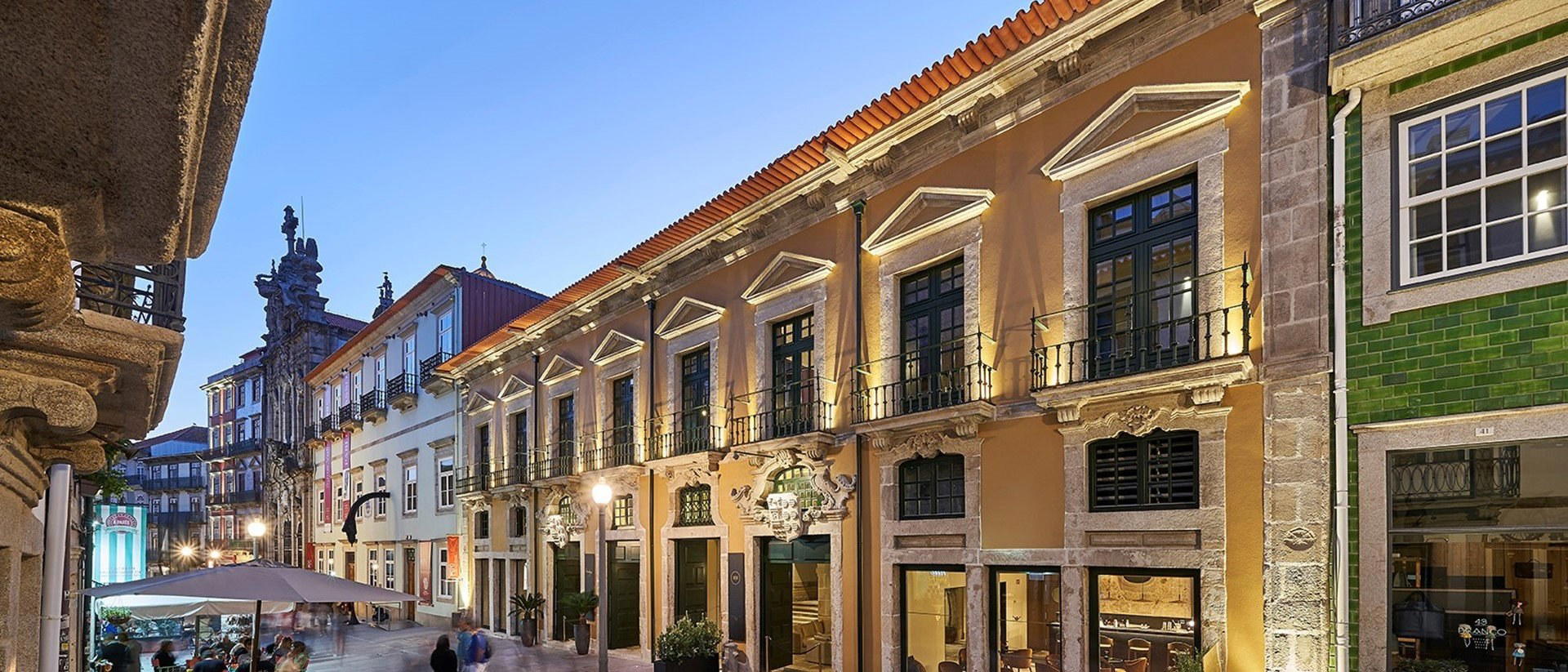
Porto's medieval street grid does not give much away. R. Estreita dos Lóios is narrow enough that two people pass each other sideways, and the retro green glass doors of Fauno read as a punctuation mark rather than a destination, easy to walk past, impossible to forget once you have been inside. That first encounter with the entrance matters, because it sets the register for everything that follows: considered, slightly understated, and more interested in what happens at the table than in announcing itself to the street.
This compression of expectation is characteristic of a particular tier of Porto dining that has developed over the past decade. Where the city's most decorated addresses, such as Antiqvvm with two Michelin stars or Le Monument with one, occupy grander rooms and carry higher price points, a smaller cohort of contemporary tasting-menu rooms operates at the €€€ bracket while maintaining comparable format discipline. Fauno belongs to that cohort.
A Menu That Does Not Stay Still
The format is a single tasting menu, no à la carte alternative. In contemporary Portuguese dining, this choice signals a specific set of priorities: the kitchen's relationship with suppliers takes precedence over customer flexibility, and the menu's coherence matters more than breadth. What changes is the content itself, which rotates with the seasons and shifts according to what local producers can actually deliver in a given week.
This approach places Fauno in a lineage of Portuguese restaurants that have built their identity around producer networks rather than fixed signatures. At the higher end of that tradition, places like Vila Foz in Porto and Belcanto in Lisbon have demonstrated that a seasonally driven Portuguese menu can command serious critical attention.
Michelin's 2025 Plate recognition confirms that the execution reads as consistent and technically grounded to inspectors making their own assessments independently of the crowd. The Plate distinction sits below star level but above the general recommendation pool, and in a city where dop, Gastro by Elemento, and Mito all occupy the contemporary segment, holding that distinction at the €€ tier is a meaningful differentiator.
What the Regulars Are Actually Coming Back For
A 4.9 rating at nearly 200 reviews suggests a guest profile that skews local and repeat. Tourism produces noise in review data; regulars produce consistency. The pattern at Fauno points to a room where the returning guest is not hunting for novelty but for a reliable version of something specific: a tasting menu that changes enough to justify coming back monthly, a wine list that presents options they have not encountered elsewhere, and a format compact enough to feel personal without being precious.
The wine program, shaped by sommelier Pedro Amorim, tilts toward natural wines, which in Porto's contemporary dining scene carries a particular resonance. The Douro and Minho valleys sit close enough to the city that natural and low-intervention producers are not an abstraction here but a practical network of growers the sommelier can actually visit. The wine pairing at Fauno is not an upsell mechanism layered onto a menu; it is, by the evidence of how the room is described, the second half of a two-part proposition. Guests who skip the pairing are getting a different experience.
Chef Tiago Amorim and sommelier Pedro Amorim are brothers, which means the kitchen and the cellar are in genuine conversation rather than operating as parallel departments. That structural fact, unusual in the mid-tier bracket, goes some way toward explaining the coherence that repeat guests appear to value. The menu does not hold still, but the underlying logic does.
Porto's Contemporary Tier in Comparative Context
To understand where Fauno sits, it helps to map the broader field. At the summit of Porto's fine dining hierarchy, Antiqvvm's two Michelin stars and Pedro Lemos's positioning at €€€€ define one pole. Euskalduna Studio, at €€€€ with one Michelin star, occupies a progressive Portuguese register that prioritises technique and concept. Further along the coast, Casa de Chá da Boa Nova in Leça da Palmeira and The Yeatman in Vila Nova de Gaia represent the region's celebrated destination-dining circuit.
Fauno occupies a different position: contemporary in method, mid-range in price, and tight in format. It is closer in spirit to the disciplined small-room model seen in cities like Seoul, where venues such as Jungsik built their reputation on format rigour before critical recognition followed, or in New York, where a room like César operates in the contemporary bracket with comparable format logic. The geography is Portuguese; the restaurant's operating philosophy is recognisably part of a global tasting-menu vernacular that has matured over the past fifteen years.
Within Portugal's wider dining geography, the country's more decorated tables, from Vila Joya in Albufeira to Ocean in Porches and Il Gallo d'Oro in Funchal, operate at higher price points and often in resort or hotel contexts. Fauno's independence and its mid-range positioning make it representative of a different strand: the neighbourhood-anchored, producer-driven contemporary room that Porto has been quietly producing with some regularity.
Planning a Visit
Fauno sits at R. Estreita dos Lóios 5 in Porto's historic centre, a short walk from São Bento station. The €€ price range places it well below the city's starred rooms, though the single-tasting-menu format means there is no low-commitment option: you come for the full sequence. Given the review volume and the consistency of the rating, booking ahead is the sensible approach; the room is not large, and the format does not accommodate last-minute covers the way an à la carte kitchen might. No phone or online booking channel is listed in the public record, so confirmation of the current reservation method is worth checking directly before planning around a specific date.
For a broader read on Porto's dining, drinking, and hotel options at every tier, the EP Club guides cover the city in depth: our full Porto restaurants guide, our full Porto hotels guide, our full Porto bars guide, our full Porto wineries guide, and our full Porto experiences guide.
Awards and Standing
Comparable venues nearby, for context on price, style, and recognition.
| Venue | Cuisine | Price | Awards | Notes |
|---|---|---|---|---|
| FaunoThis venue — the venue you are viewing | Modern Portuguese Fine Dining | $$$ | Michelin Plate | Not listed |
| Cafeína | Portuguese Bistro | $$$ | Michelin Plate | Nevogilde |
| Elemento | Wood-Fire Fine Dining | $$$ | Michelin Plate | Vitória |
| Culto ao Bacalhau | Modern Portuguese Cod Specialty | $$$ | Michelin Plate | Santo Ildefonso |
| Kaigi | Modern Japanese-Portuguese Omakase | $$$ | Michelin Plate | Ramalde |
| Flor de Lis by Vila Foz | Modern Portuguese Fine Dining | $$$ | Michelin Plate | Nevogilde |
Recognition history
Dated appearances from independent guides and award organizations, with the underlying list record or original source where available.
Michelin Plate
Michelin
Michelin Plate
Michelin
Michelin Plate
Michelin
Continue exploring
More in Porto
Restaurants in Porto
Browse all →
Bars in Porto
Browse all →
Hotels in Porto
Browse all →
At a Glance
- Intimate
- Elegant
- Cozy
- Sophisticated
- Date Night
- Special Occasion
- Celebration
- Open Kitchen
- Extensive Wine List
- Sommelier Led
- Local Sourcing
- Farm To Table
Current opening hours
- Monday
- Closed
- Tuesday
- 7–10:30 PM
- Wednesday
- 7–10:30 PM
- Thursday
- 7–10:30 PM
- Friday
- 7–10:30 PM
- Saturday
- 7–10:30 PM
- Sunday
- Closed
Hours can change for holidays and private events. Last verified .
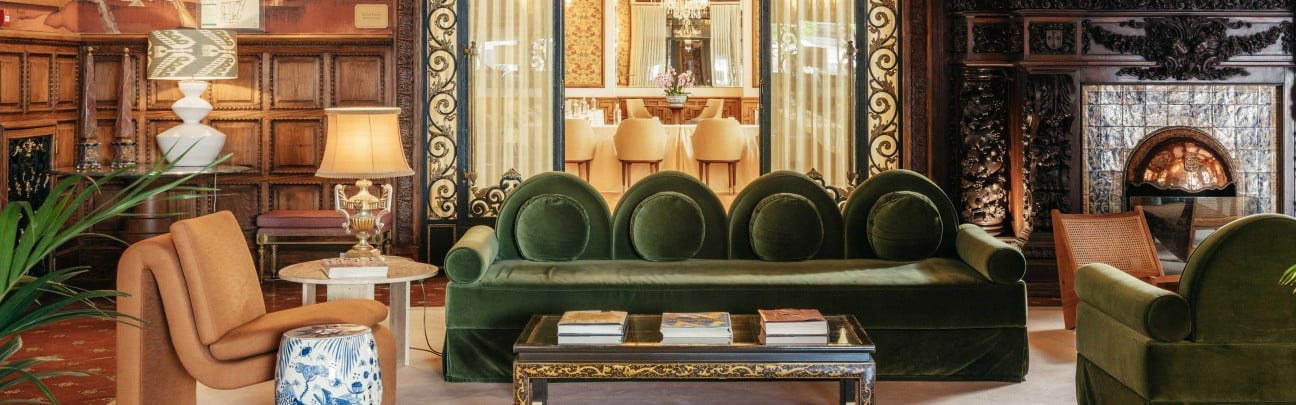
Intimate and elegant with a focus on food, good acoustics, nice lighting though slightly bright, quiet enough for conversation.