

A Michelin Plate bistro on Rua de Santa Catarina, Apego is where Chef Aurora Goy translates her Franco-Portuguese heritage into two tasting menus built around produce from local growers. The five-course Apego and seven-course Desapego formats draw from both sides of her culinary background, with vegetables as a constant anchor and technique as the bridge between traditions.
Pearl is the En Primeur Club membership app — saves, bookings, and concierge access live there. Same editors, same standards.
- Address
- R. de Santa Catarina 1198, 4000-457 Porto, Portugal
- Phone
- +351 937 172 342
- Website
- apegorestaurante.com
- Directions
- Get directions
 Saves & bookings on Pearl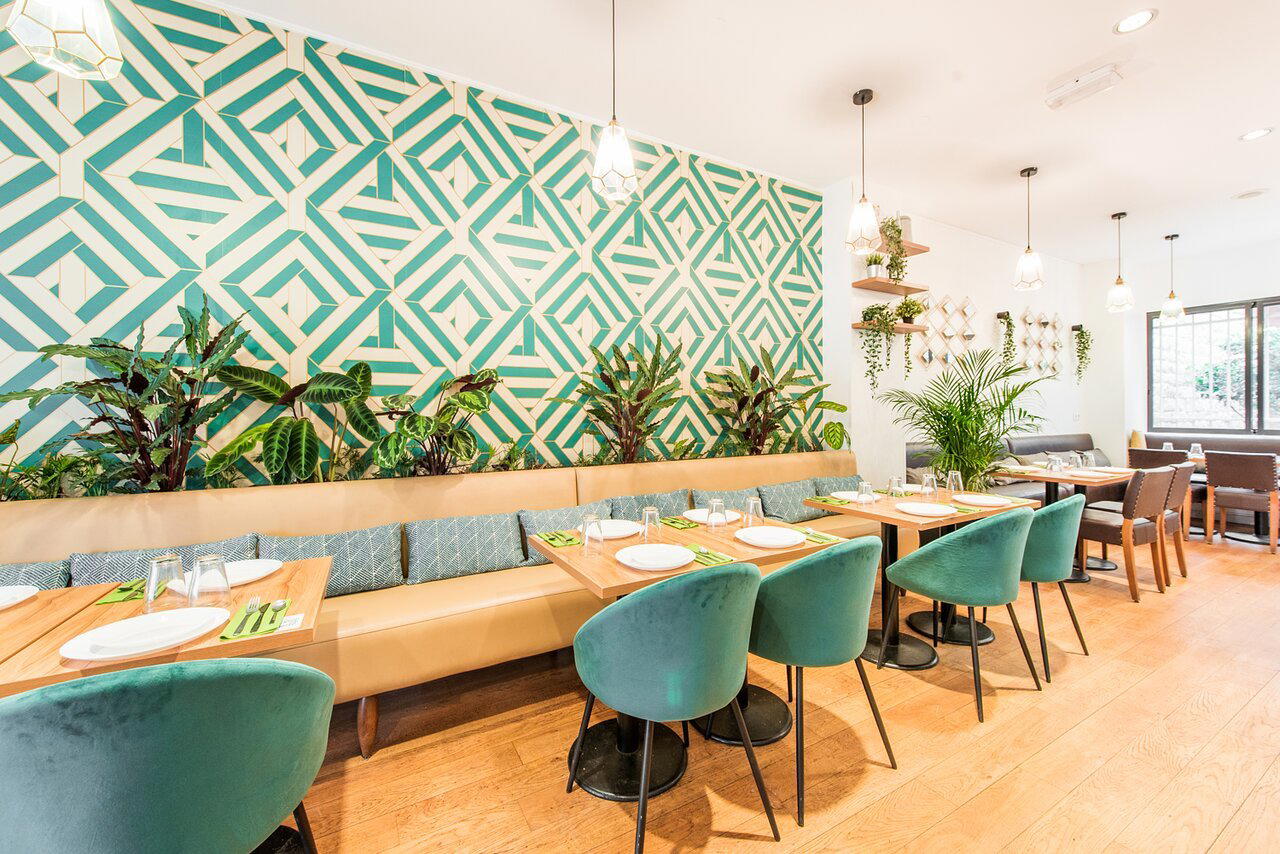
A Meal with a Particular Rhythm
Rua de Santa Catarina is Porto's longest commercial street, and most visitors abandon it somewhere around the tiled facades of the Majestic Café without walking the extra stretch to the 1198 end. That distance works in Apego's favour. The bistro sits where the retail energy thins out, in a room sized for genuine conversation and a pace that resists the tourist circuit. The décor carries what Michelin inspectors described as singular charm, not the industrially curated look common to European natural-wine bistros, but something with a domestic specificity that signals a particular kind of ownership over the space.
That specificity extends to the meal itself. Apego sits at the €€ tier, which at this level of technique and Michelin recognition represents one of the city's clearer cases of quality outrunning price expectation. At the same price point, Almeja offers more straightforwardly Portuguese territory; Apego's Franco-Portuguese frame gives it a different competitive position entirely.
The Two Menus and What They Signal
The structural choice at the heart of Apego is the pairing of two tasting menus whose names carry conceptual weight. Apego, Portuguese for attachment, runs to five courses. Desapego, detachment, extends to seven. The naming logic is worth sitting with: the shorter menu is about holding close, the longer one about release and range. Whether that reading holds across every service is less important than what it signals about the kitchen's approach to pacing and intention. These are not the same menu at different lengths. The format asks diners to make a decision that reflects how much time and appetite they're bringing to the table.
Vegetables from local producers form the structural base of both menus, though this is not vegetarian cuisine in the restrictive sense. The kitchen will accommodate fully vegetable sequences on request. The hake ravioli, prawn crudo, miso aubergine with bisque, and a dessert built around 70% Costa Rican chocolate with yuzu, kumquat, and bacon ice cream are among the dishes that inspectors identified as worth adding to the experience. That final plate in particular illustrates the Franco-Portuguese duality in miniature: the chocolate sourcing and yuzu speak to French patisserie sensibility; the kumquat and the miso reference a broader ingredient curiosity that bypasses both national traditions in favour of something more personal.
The Franco-Portuguese Frame
Understanding Apego requires understanding what Franco-Portuguese cuisine actually means as a working framework, rather than a marketing shorthand. It is not French technique applied to Portuguese ingredients, nor is it Portuguese rusticity softened by French refinement. Chef Aurora Goy's roots, a French father who also cooked, Portuguese grounding, produce a cuisine that treats both traditions as equally valid sources rather than placing one in hierarchy over the other. The result is a kitchen that reads as confident rather than hybrid, in the way that bilingual writers are not translating from one language into another but thinking in both simultaneously.
This is a distinct position within Portugal's broader fine dining scene. The country's Michelin-starred tier, from Belcanto in Lisbon to Casa de Chá da Boa Nova in Leça da Palmeira and The Yeatman in Vila Nova de Gaia, tends to anchor its identity either in Portuguese terroir or in international technique brought to Portuguese produce. The Franco-Portuguese dual identity at Apego is less common, and the vegetables-forward approach puts it in closer conversation with the restraint-led creative kitchens of France than with most of its Porto neighbours. Comparable creative sensibilities in European cities include Alléno Paris au Pavillon Ledoyen and Enrico Bartolini in Milan, though both operate at far higher price points and institutional scale.
Dining Ritual and Atmosphere
The etiquette of eating at Apego is less formal than the tasting-menu format might imply. The bistro scale, small, away from the centre, with a room sized for intimacy rather than spectacle, sets a different social contract than you would encounter at Blind or Le Monument. The kitchen's use of fresh herbs, flowers, and aromatics as recurrent anchors gives the meal a sensory continuity course to course, without theatrical plating or service choreography. Michelin inspectors noted the welcoming atmosphere as a defining quality, which in practice means the pacing of the meal follows the table rather than the kitchen's preference for turnover.
The ritual here is one of gradual disclosure rather than immediate declaration. The vegetable sourcing, the herbs, the Franco-Portuguese cultural layering, none of it announces itself. It accumulates across courses in the way that the leading tasting menus work: you understand what the kitchen is doing more clearly at the end than at the beginning.
Porto's Creative Dining Tier in Context
Porto's position in the wider Portuguese fine dining picture is worth mapping for first-time visitors. The city sits below Lisbon in total Michelin count but has developed a creative restaurant tier that operates with increasing international confidence. The €€€€ end of that tier, represented by venues like Euskalduna Studio and Antiqvvm, offers a different proposition from Apego's €€ positioning. Both price points reward attention; they just make different demands on time, budget, and the kind of experience a diner is seeking on a given evening.
For visitors building a broader picture of Portuguese fine dining, Apego works well in sequence with a visit to Vila Foz or alongside coastal excursions to Ocean in Porches and Vila Joya in Albufeira. The Il Gallo d'Oro in Funchal and the broader Michelin map of Portugal suggest a national scene at a particular moment of confidence. Apego sits within that moment at an accessible entry point.
Planning Your Visit
Apego is at Rua de Santa Catarina 1198 in Porto, at the upper end of the street beyond the main retail stretch. The €€ price range positions both tasting menus well below the city's higher-end creative restaurants, making this one of Porto's more accessible routes into Michelin-recognised tasting menu dining. Reservations are recommended, particularly for weekend evenings. The kitchen accommodates fully vegetable sequences on request, so arriving with dietary preferences clearly communicated is worth doing at the reservation stage.
Cuisine Context
Comparable venues nearby, for context on price, style, and recognition.
| Venue | Cuisine | Price | Awards | Notes |
|---|---|---|---|---|
| ApegoThis venue — the venue you are viewing | Luso-French Fusion Tasting Menus | $$$ | Michelin Plate | Not listed |
| Oficina | Contemporary Portuguese | $$$ | Michelin Plate | Cedofeita |
| Fauno | Modern Portuguese Fine Dining | $$$ | Michelin Plate | Vitória |
| Flor de Lis by Vila Foz | Modern Portuguese Fine Dining | $$$ | Michelin Plate | Nevogilde |
| TreZe Restaurante | Portuguese | $$ | Bib Gourmand | Foz do Douro |
| Real by Casa da Calçada | Modern Portuguese Fine Dining | $$$ | Michelin Plate | Santo Ildefonso |
Recognition history
Dated appearances from independent guides and award organizations, with the underlying list record or original source where available.
Michelin Plate
Michelin
Michelin Plate
Michelin
We're Smart World 2 Radishes
We're Smart World
Michelin Plate
Michelin
Continue exploring
More in Porto
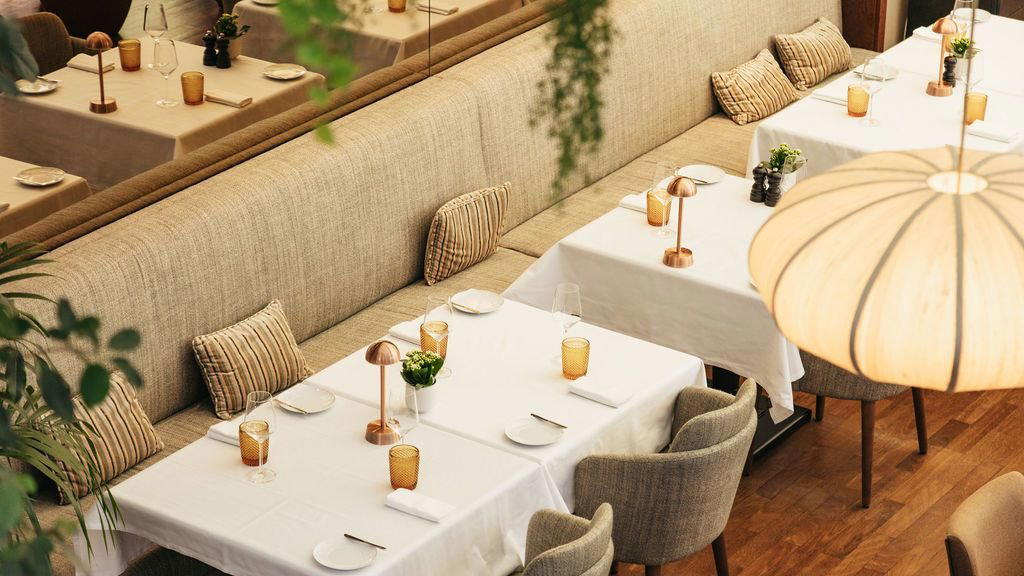
Restaurants in Porto
Browse all →
Bars in Porto
Browse all →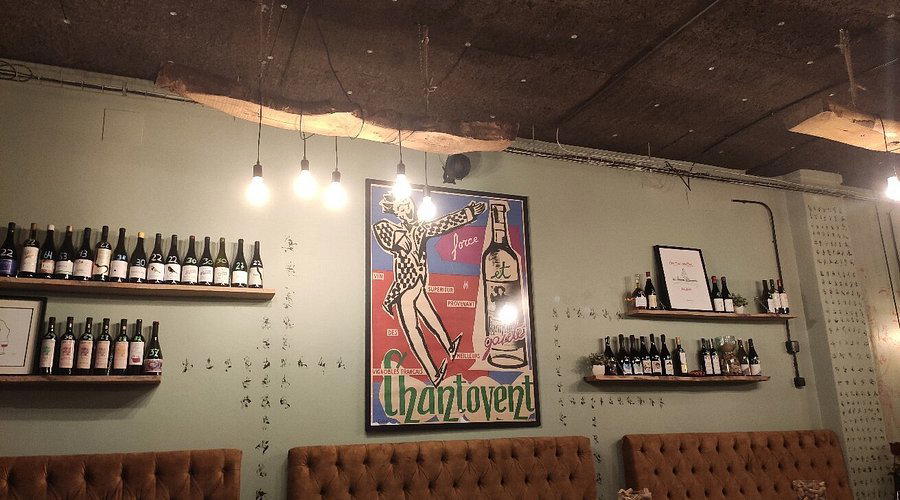
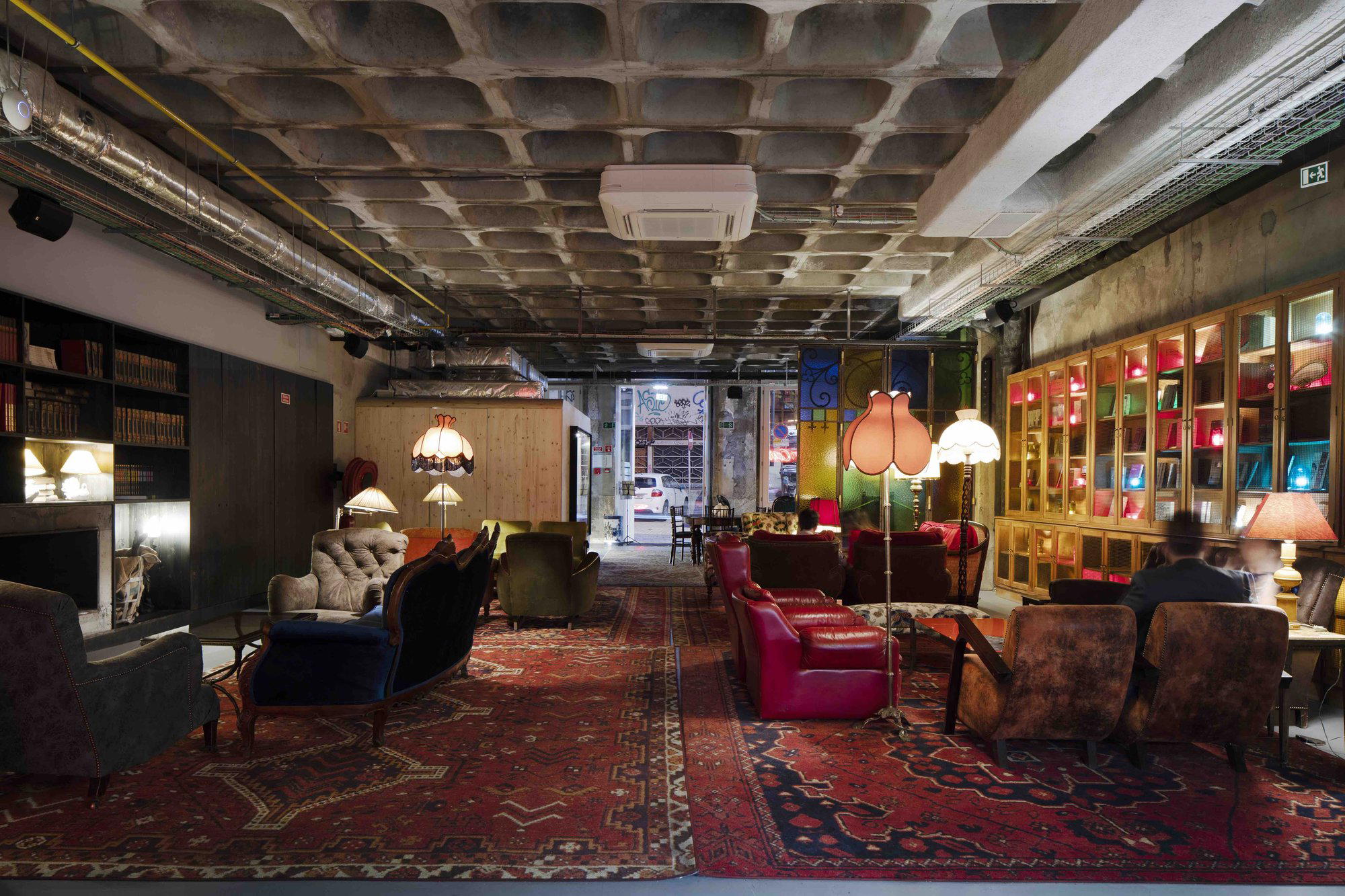
Hotels in Porto
Browse all →
At a Glance
- Cozy
- Intimate
- Elegant
- Modern
- Date Night
- Special Occasion
- Open Kitchen
- Extensive Wine List
- Local Sourcing
Current opening hours
- Monday
- Closed
- Tuesday
- 7–10 PM
- Wednesday
- 7–10 PM
- Thursday
- 7–10 PM
- Friday
- 7–10 PM
- Saturday
- 7–10 PM
- Sunday
- Closed
Hours can change for holidays and private events. Last verified .
Warm and welcoming with stone walls, wooden tables, warm tones, and soft lighting creating a cozy, home-like atmosphere.