Graham's Port


Founded in 1820, Graham's Port in Vila Nova de Gaia is one of the Douro's oldest family-owned producers and a pioneer in estate vineyard ownership — a model that reshaped quality standards across the Port trade.
Pearl is the En Primeur Club membership app — saves, bookings, and concierge access live there. Same editors, same standards.
- Address
- Rua do Agro 141, 4400-003 Vila Nova de Gaia
- Phone
- +351 22 377 6490
- Website
- grahams-port.com
- Directions
- Get directions
 Saves & bookings on Pearl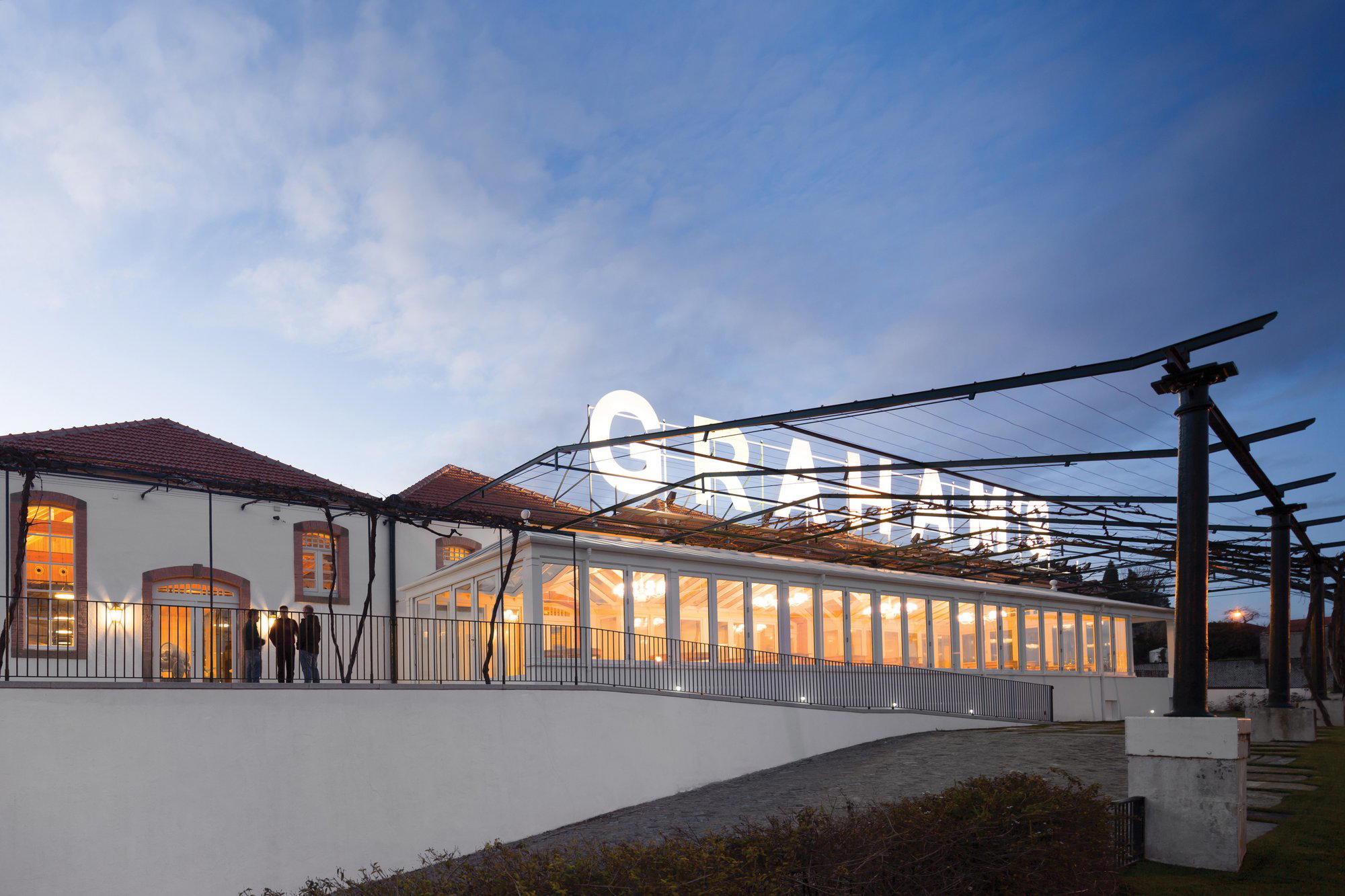
Where the Douro Arrives in Vila Nova de Gaia
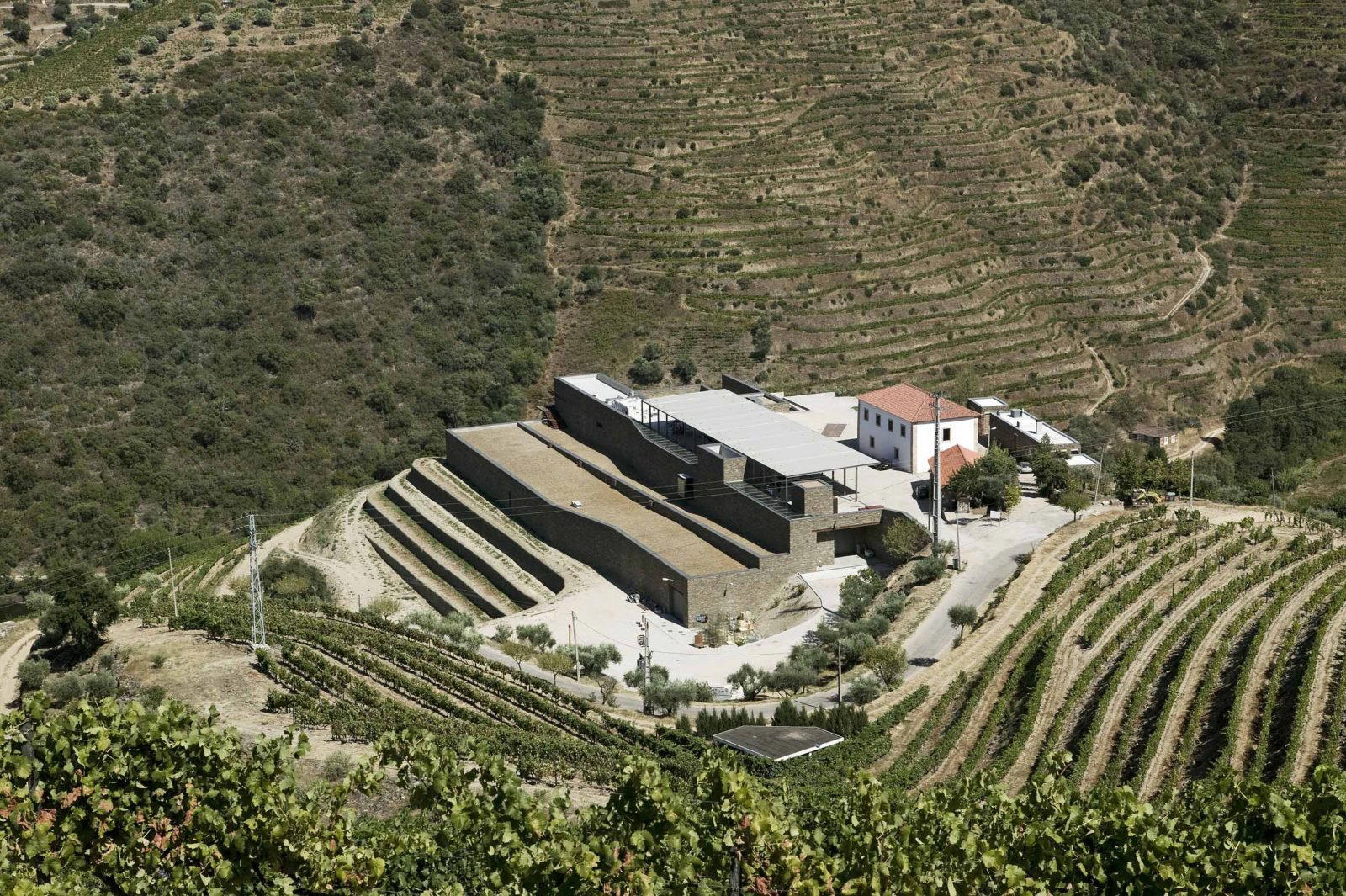
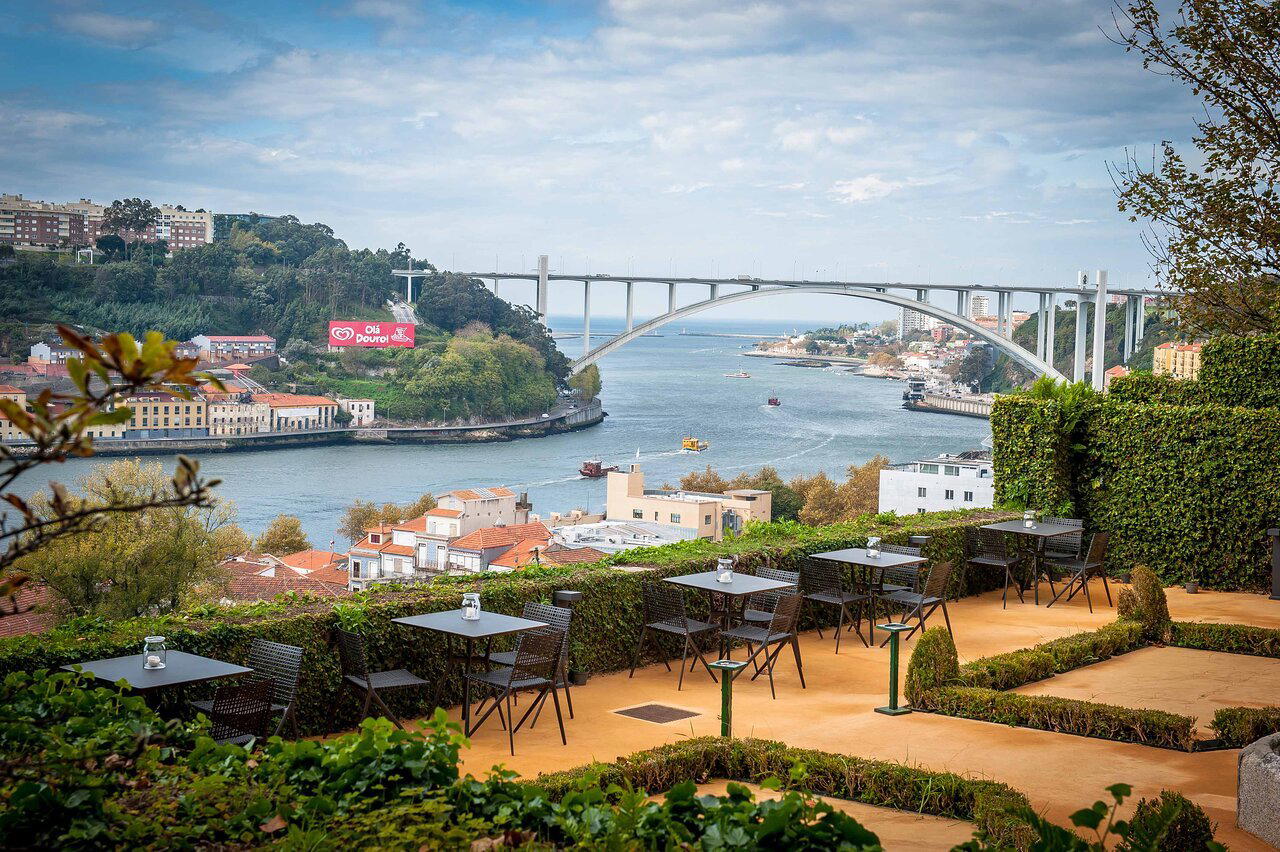
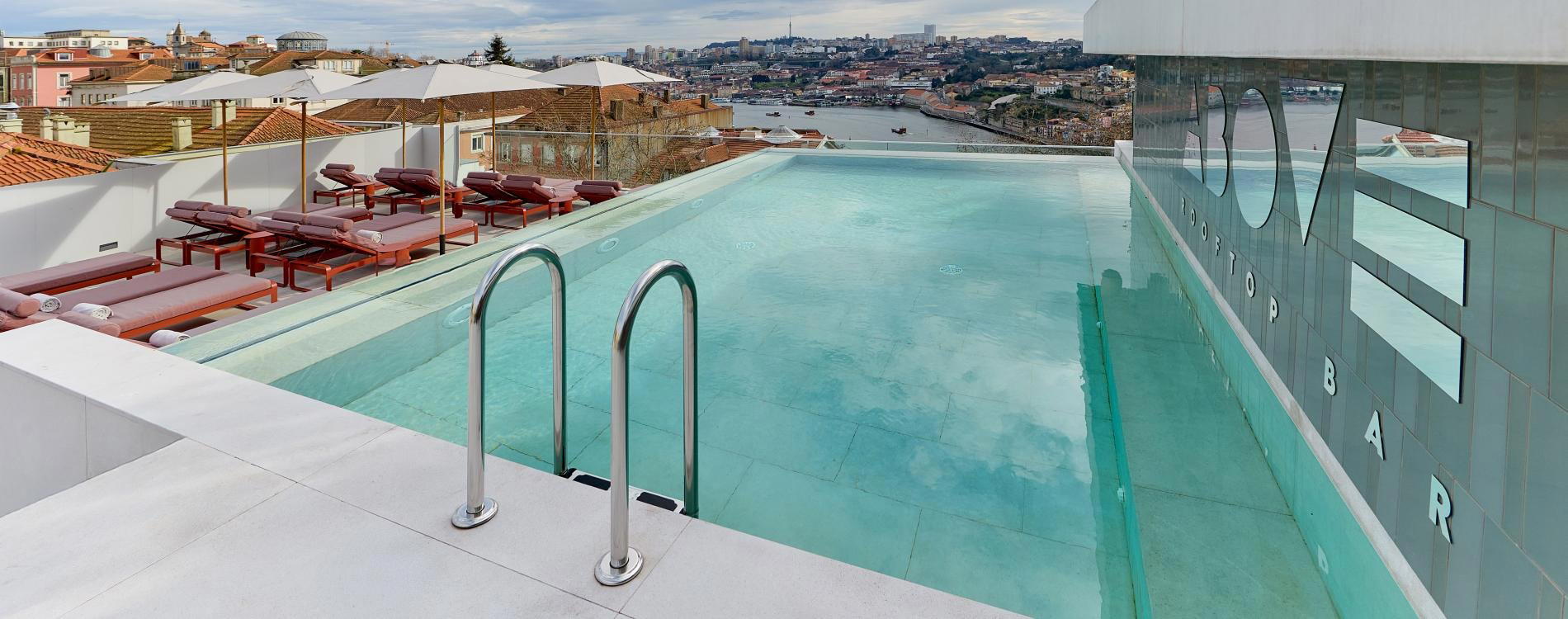
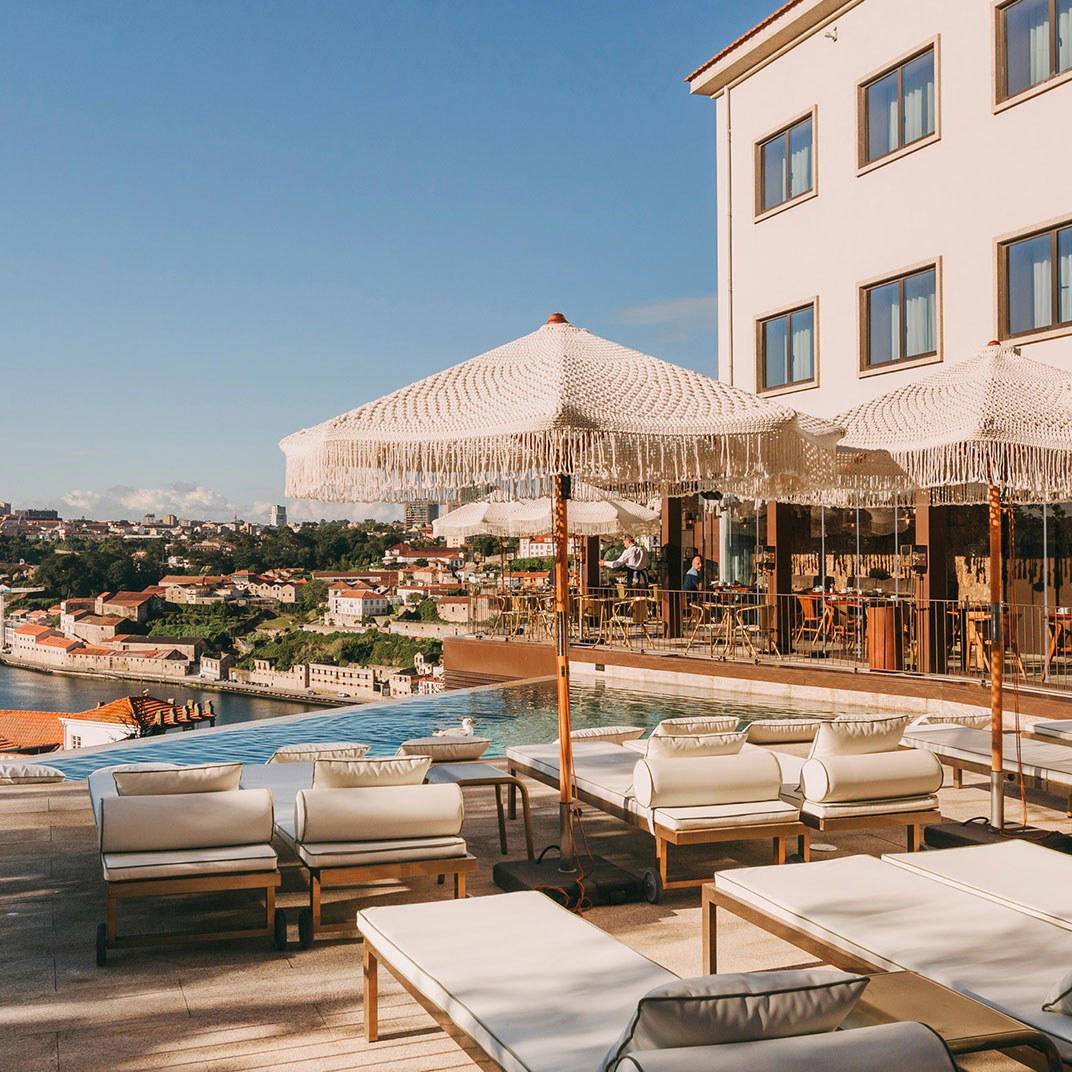
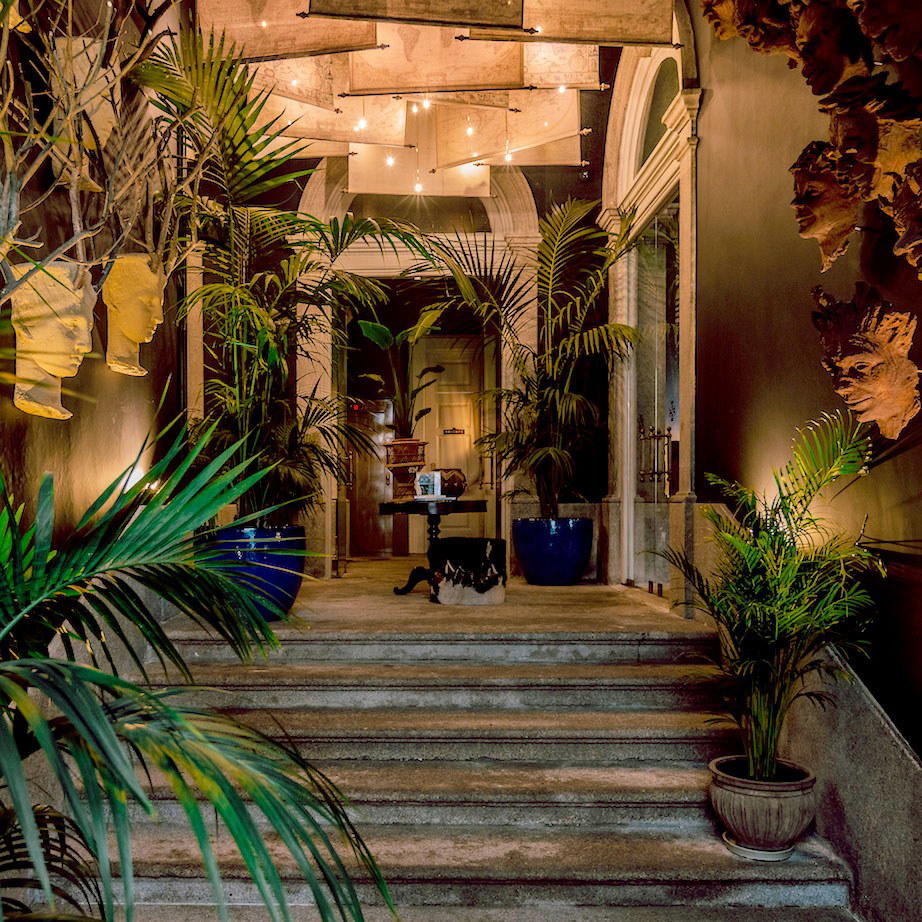
Climb the stone steps above the waterfront lodges of Vila Nova de Gaia and the river drops away below you in a broad curve, the old city of Porto stacked on the opposite bank. At Rua do Agro 141, Graham's Port occupies a position that makes the geography of the trade legible in a single glance: the wine travels downriver from the Douro Valley schist terraces, ages here in the cooler Atlantic-influenced air of the lodge district, and reaches the world from the quayside below. The physical setting is not incidental. It encodes the logic of Port production in stone and slope.
Within that peer group, Graham's carries a specific credential: it is one of the houses whose early commitment to owning and managing its own Douro vineyards helped establish the sourcing model that now defines premium Port.
The Sourcing Logic Behind Two Centuries of Port
Port's quality debate has always circled back to the same question: who controls the fruit? For much of the trade's history, shippers bought from independent growers, which gave them scale but limited their ability to determine how and when vines were worked. The houses that chose to own their own quintas took on cost and complexity in exchange for something more valuable: the ability to set the agenda at vine level, harvest timing, and picking selection.
Graham's, founded in 1820, was among the pioneers of that estate ownership model. The consequences reach into the glass in ways that matter to anyone trying to understand what separates a benchmark Vintage Port from a commodity blend. When a producer can specify the exact moment of harvest on a single plot in the schist-heavy slopes of the Douro Superior or the Cima Corgo, it can work with precision that bulk purchasing simply cannot replicate. Traceability runs from soil to bottle rather than starting at the point of delivery to the lodge.
This sourcing philosophy connects Graham's to a broader shift in how the world's serious wine regions have rethought origin. In Burgundy, the conversation centres on individual climat and ownership of specific rows. In Napa, single-vineyard designates like those from Accendo Cellars in St. Helena command premiums precisely because provenance is trackable. In the Douro, the quinta-owning houses occupy the same structural position: the estate is the argument. That argument has been central to Graham's identity for most of its two hundred years of operation.
For context on how the estate ownership model plays out across Portugal's other key wine regions, the contrast with houses like Herdade do Esporão in Reguengos de Monsaraz and Quinta do Vallado in Peso da Régua is instructive. Each operates from a different appellation with different grape varieties and production laws, but all share the foundational premise that estate control over fruit is the primary tool of quality differentiation.
Graham's in the Gaia Lodge District
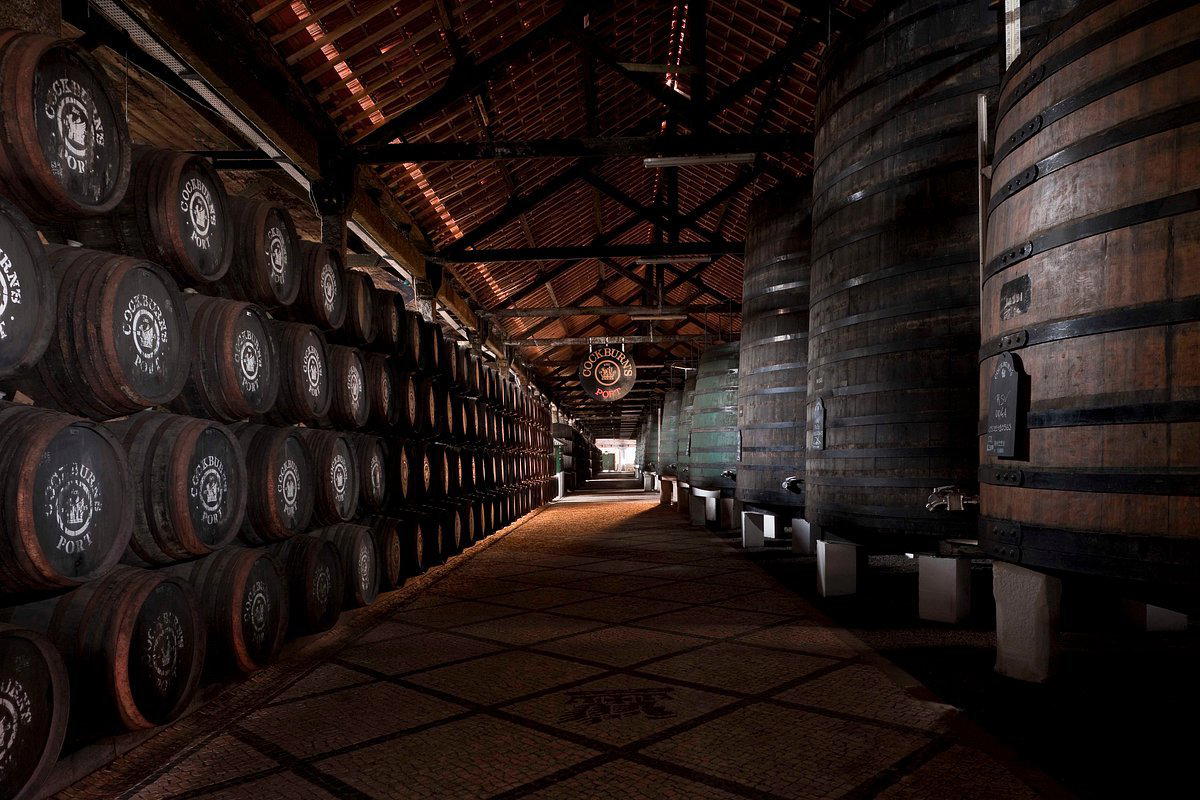
Vila Nova de Gaia functions as Port's aging and finishing capital. The lodges that line and climb above the riverbank are not wineries in the vineyard sense; they are the downstream infrastructure of an industry whose agricultural roots lie sixty to a hundred and thirty kilometres upriver in the Douro Valley. Visiting a Gaia lodge is, in practice, a way of connecting both ends of that supply chain: the tasting room and cellar tour are where the work of the quintas becomes comprehensible to a visitor who has not been up the valley.
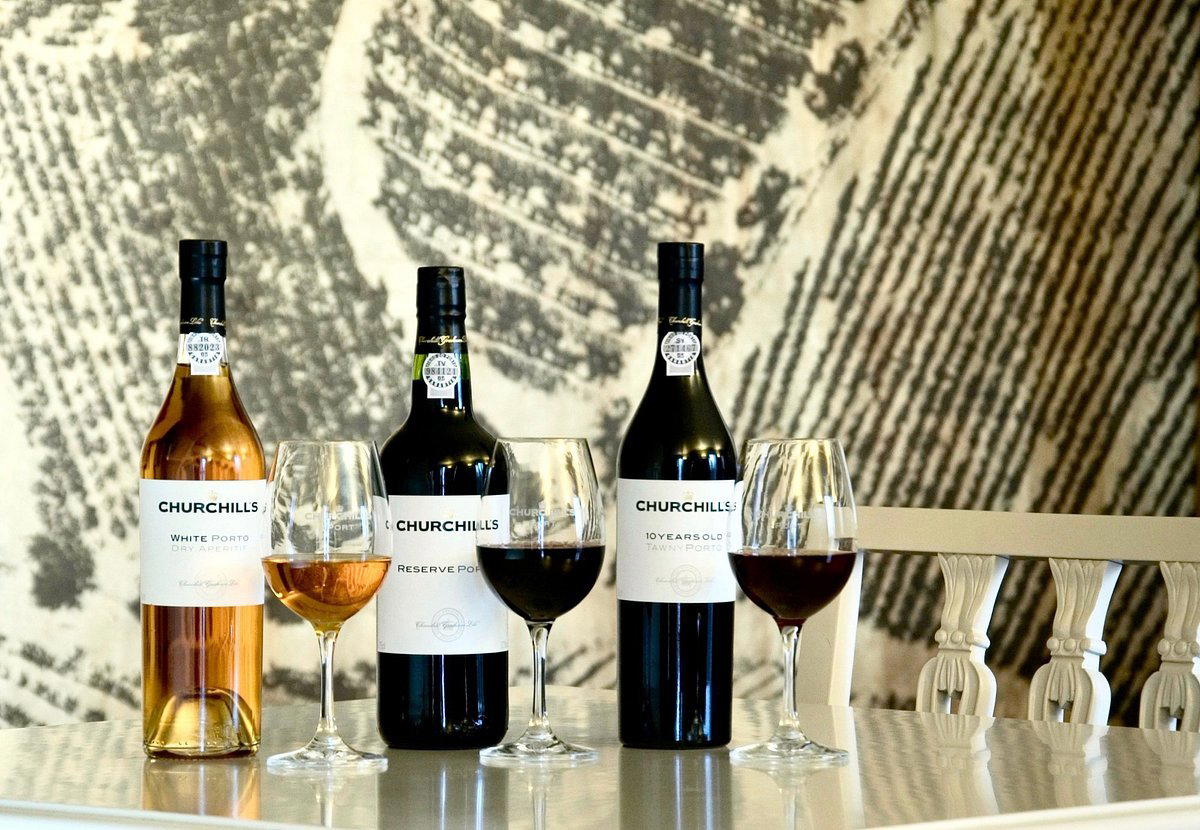
Among Gaia's lodge district, Graham's sits in the tier defined by longevity, family ownership, and a track record in Vintage Port declarations. Churchill's represents the newer-generation independent producers; Real Companhia Velha operates from a different historical trajectory as one of the oldest officially chartered Port companies.
The lodge district's other draw is what doesn't exist in the Douro Valley itself: direct tasting access to aged stocks. Tawnies and Colheitas that have spent decades in wood are accessible at Gaia in a way they are not at the quinta. For visitors mapping a broader Portugal wine itinerary, the Douro quintas that operate their own visitor programmes, including Quinta do Bomfim in Pinhão and Quinta do Seixo (Sandeman) in Tabuaço, offer the vineyard-end experience that Gaia cannot, and combining both ends of the journey gives the fullest picture of how Port is made.
Placing Graham's in Portugal's Wider Wine Geography
Portugal's wine identity has diversified substantially over the past two decades. The Alentejo's estate producers, Madeira's historic lodges, and the Setúbal Peninsula's established houses now compete internationally in ways that were less pronounced when Graham's was building its Victorian-era reputation. A visitor constructing a serious Portugal wine itinerary might move from the Douro Valley lodges to Bacalhôa Vinhos in Azeitão, west into the Alentejo to visit Adega Cartuxa in Évora, or across to Blandy's Wine Lodge in Funchal for Madeira's equally long-lived oxidative tradition. Each of those visits rewards the same kind of attention to sourcing and provenance that Graham's represents in the Port context.
Two centuries of operation encompass enough Port trade crises, market shifts, and ownership transitions to filter out houses that couldn't adapt; Graham's continuity as a family-owned producer through that period is, in itself, a quality signal worth weighing.
Planning a Visit
Graham's lodge at Rua do Agro 141 in Vila Nova de Gaia is accessible on foot from the Dom Luís I Bridge or by the historic tram line that runs along the Gaia waterfront, a ten-to-fifteen minute walk uphill from the riverside. The lodge district concentrates most of its visitor activity in the warmer months, with spring and early autumn offering the most comfortable conditions for walking between houses. Booking ahead for lodge tours is advisable particularly between June and September, when Gaia attracts high volumes of wine tourists. For a full picture of what the district and the wider city offer, see our full Vila Nova de Gaia guide.
Recognition history
Dated appearances from independent guides and award organizations, with the underlying list record or original source where available.
Falstaff Winery - Listed
Falstaff
World's 50 Best Best Vineyards #40
World's 50 Best
Continue exploring
More in Vila Nova de Gaia
Wineries in Vila Nova de Gaia
Browse all →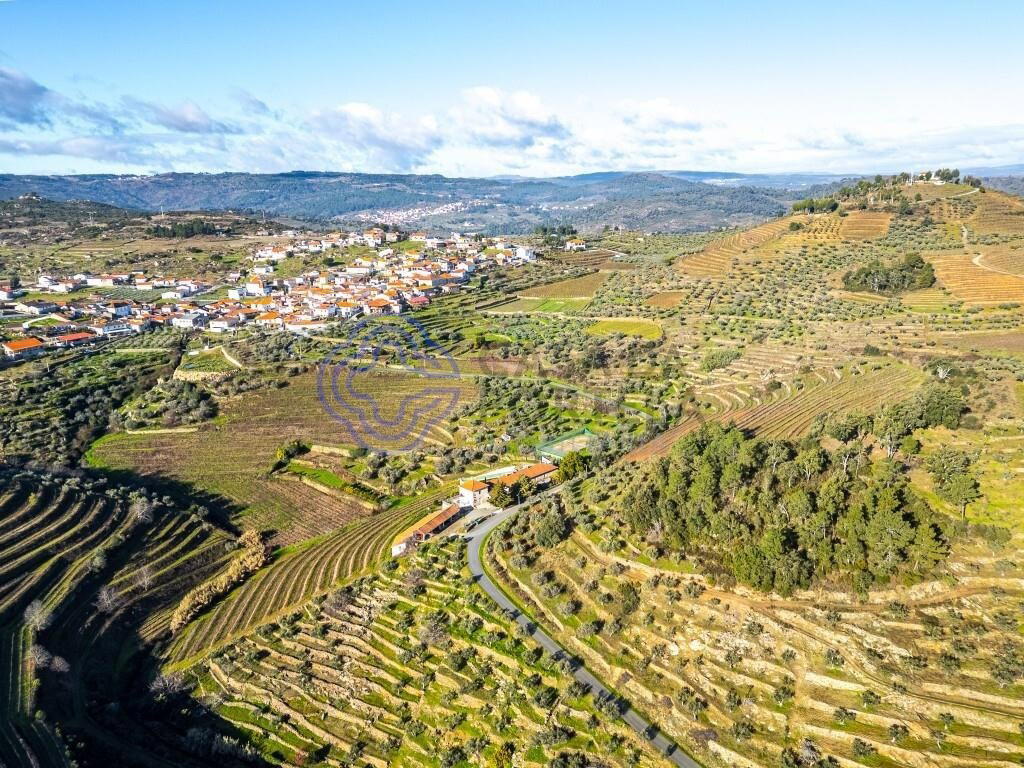
Bars in Vila Nova de Gaia
Browse all →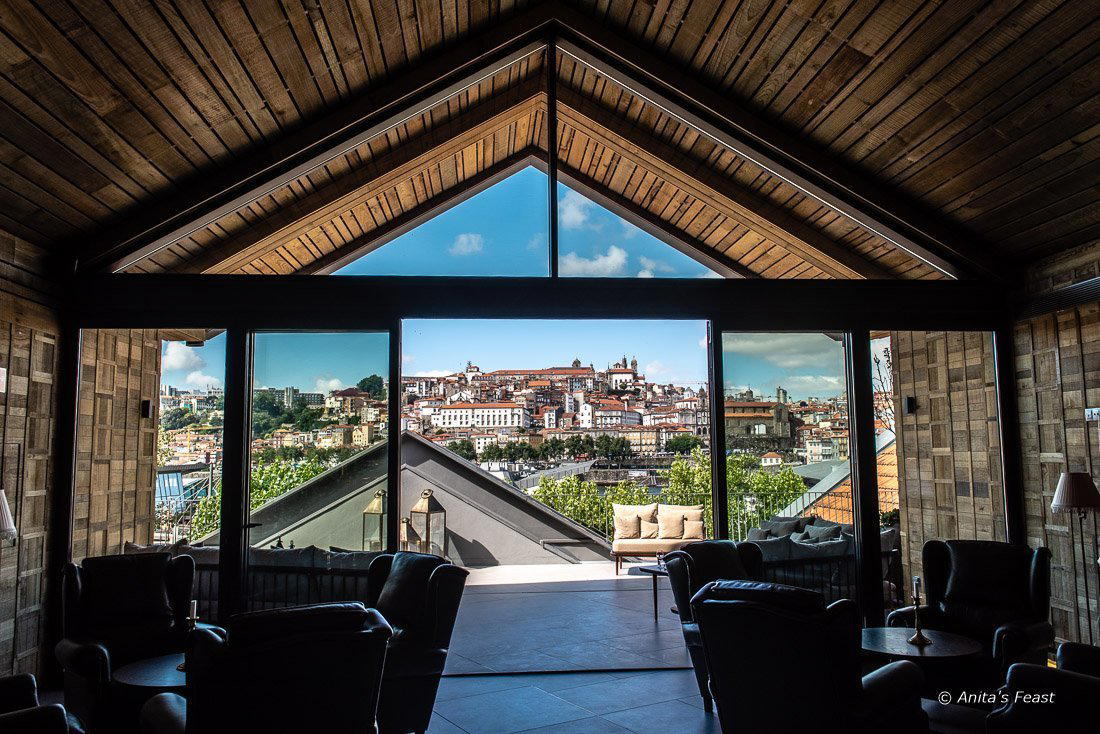
Restaurants in Vila Nova de Gaia
Browse all →
At a Glance
- Classic
- Elegant
- Well Known
- Scenic
- Sophisticated
- Wine Education
- Special Occasion
- Historic Building
- Terrace
- Panoramic View
- Waterfront
- Douro
- Touriga Nacional
- Touriga Franca
- Tinta Barroca
- Tinta Roriz
- Alicante Bouschet
- Fortified
- Guided Tasting
- Premium Tasting
- Vintage Tasting
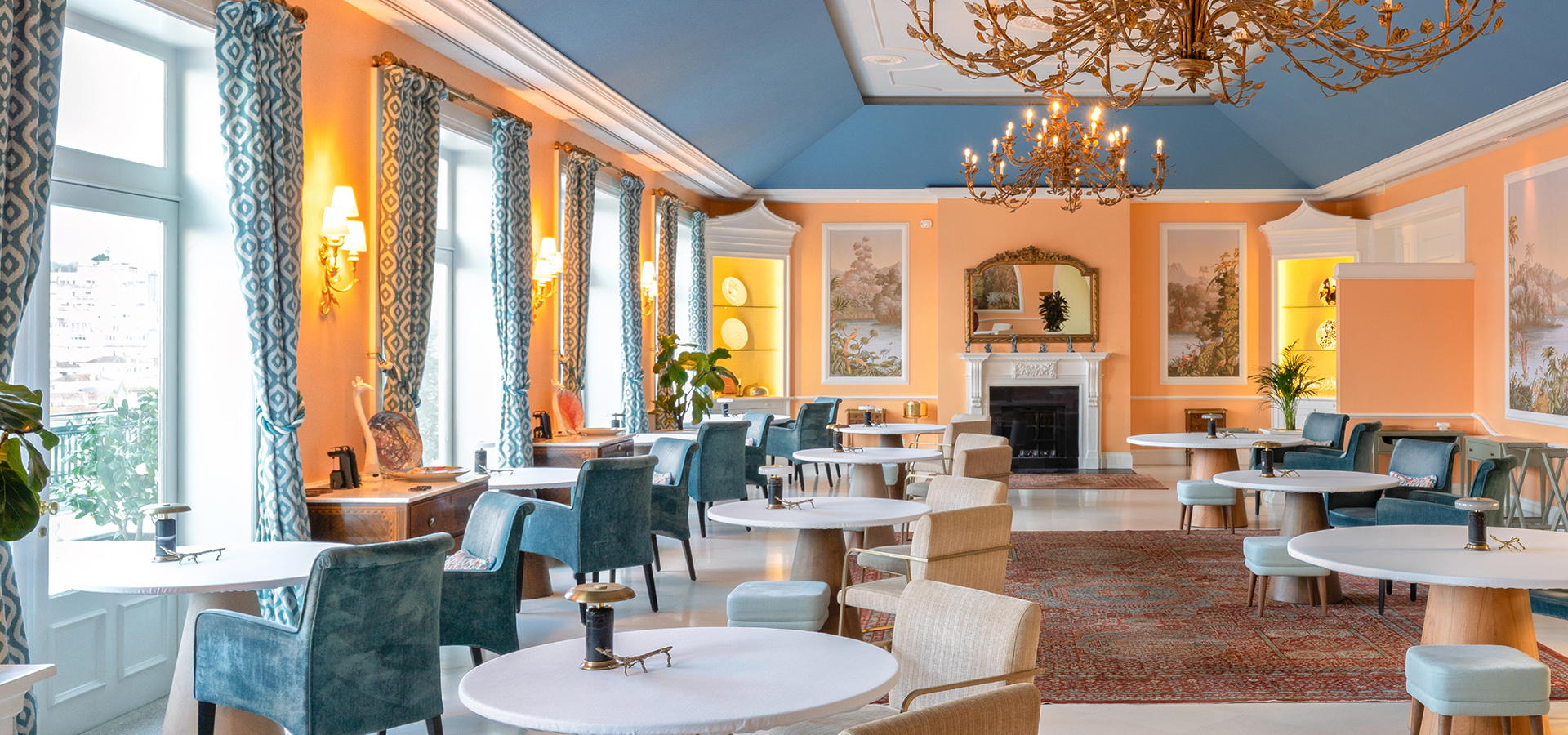
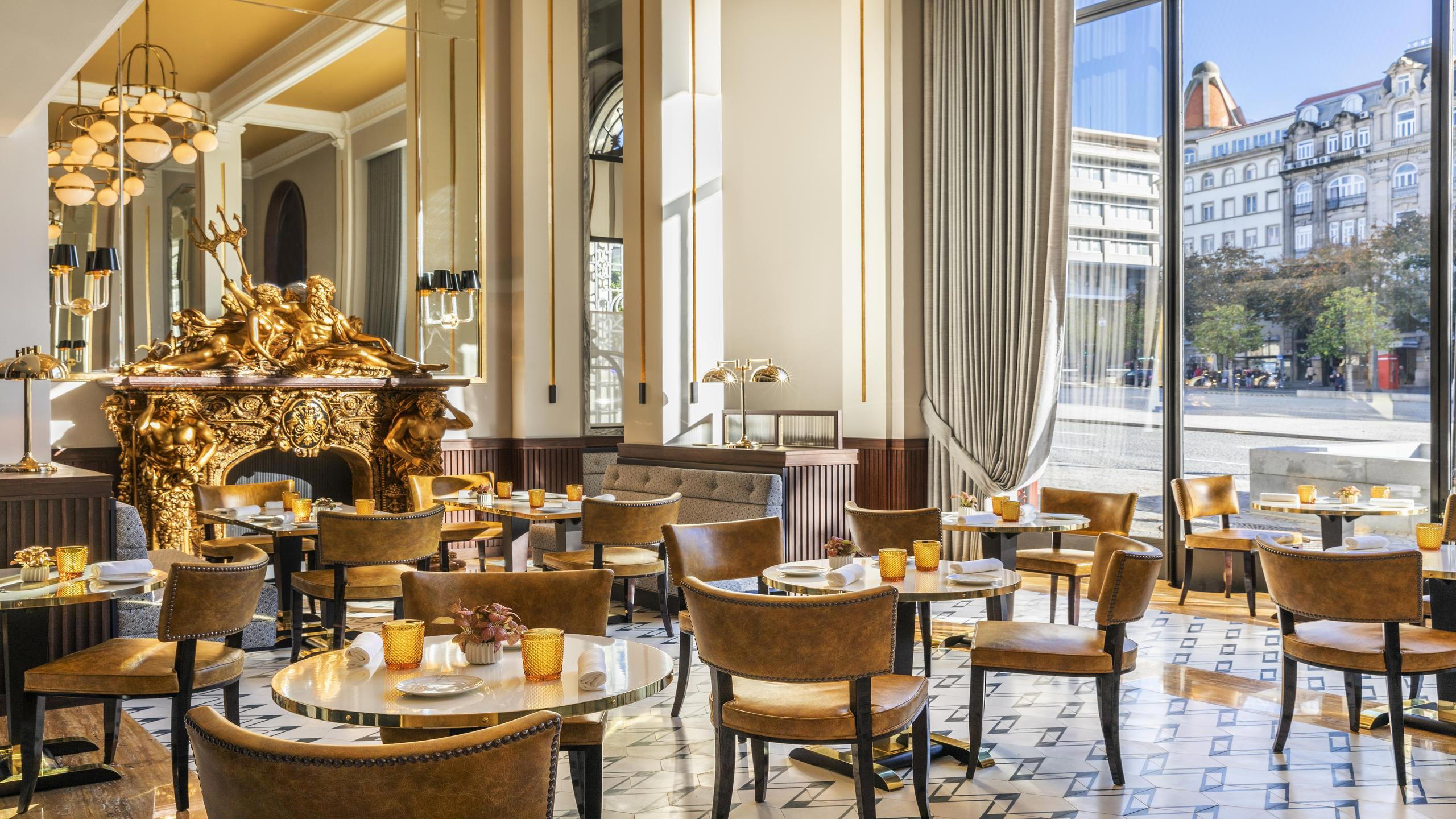
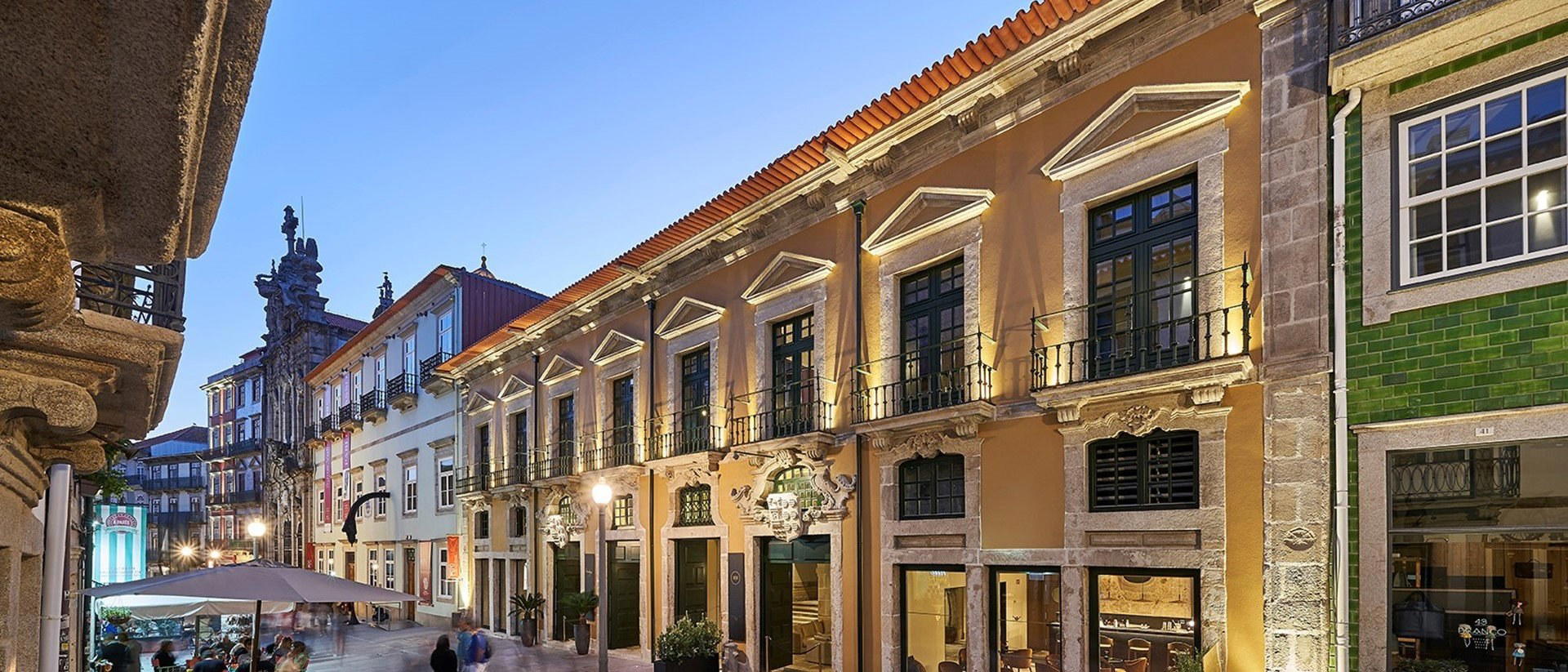
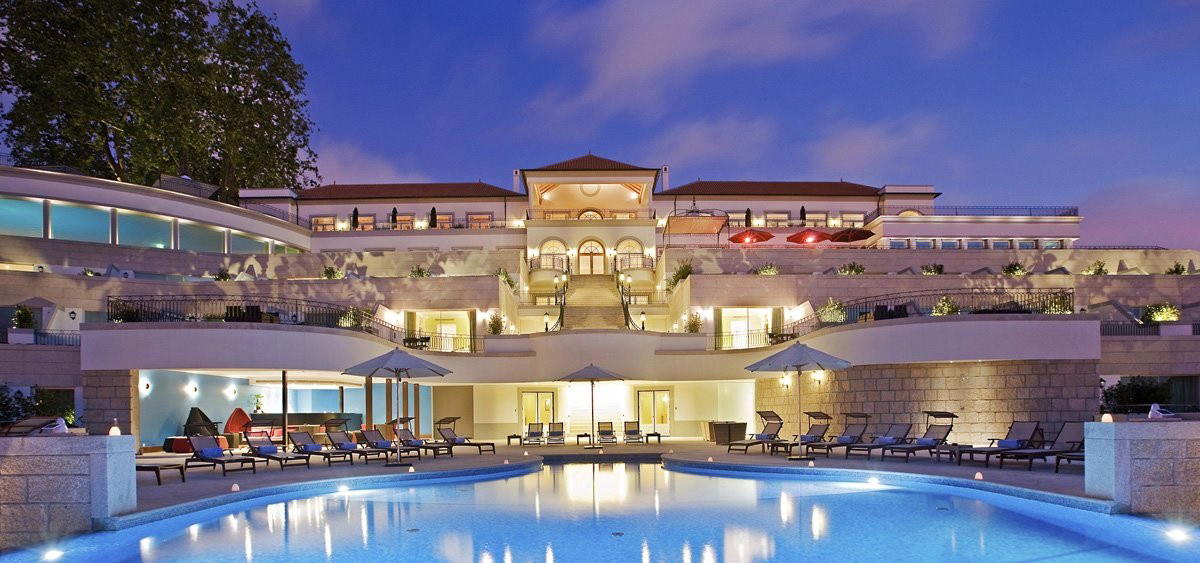
Elegant and historic with a welcoming, relaxed atmosphere, featuring terrace views of Porto and professional, unrushed tastings.
Know Before You Go
- Getting there
- Rua do Agro 141, 4400-003 Vila Nova de Gaia