Old Manila


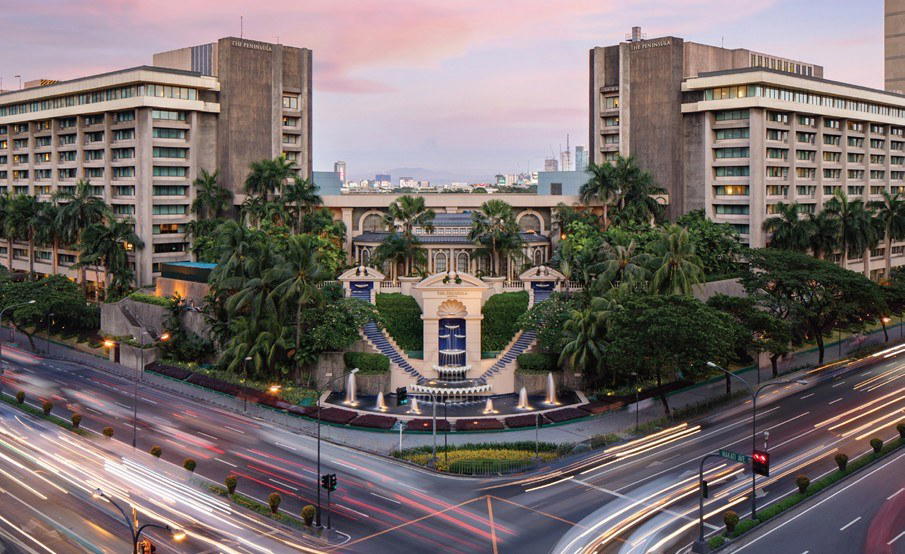
Old Manila sits at the ground level of The Peninsula Manila on the corner of Ayala and Makati Avenues, carrying a 2026 Michelin Plate recognition that places it among Makati's credentialed dining addresses. The room draws on the building's colonial-era name and the formal register that Peninsula properties maintain across their restaurant tier. For Makati dining, it occupies the hotel fine-dining bracket where occasion and setting do as much work as the kitchen.
Pearl is the En Primeur Club membership app — saves, bookings, and concierge access live there. Same editors, same standards.
- Address
- The Peninsula Manila Corner of Ayala and Makati Avenues Ground Level Makati, Makati City, 1226 Metro Manila, Philippines
- Phone
- +63 2 8887 2888
- Website
- peninsula.com
- Directions
- Get directions
 Saves & bookings on Pearl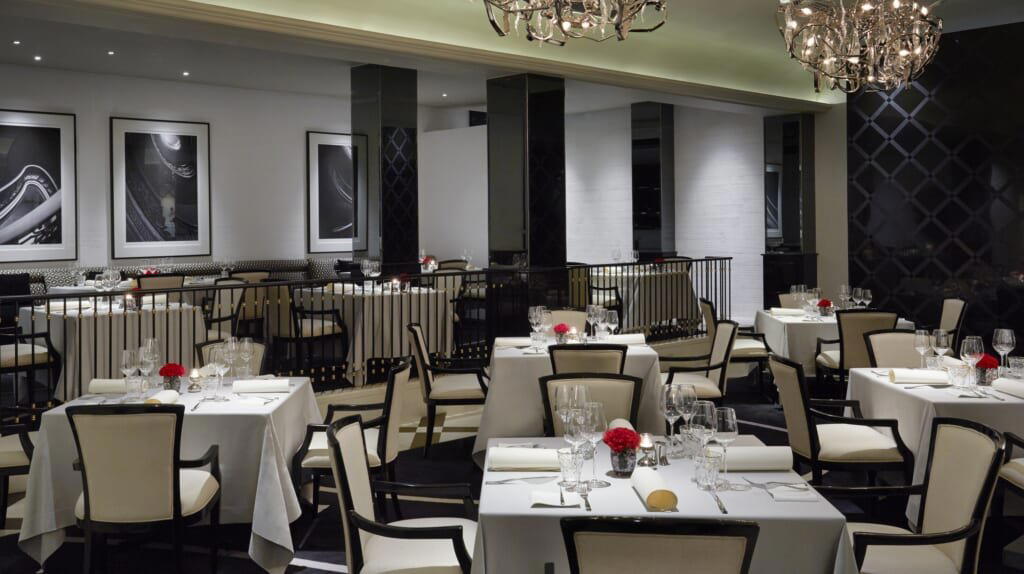
The Weight of the Address
There is a particular kind of dining room that announces itself before you order anything. Old Manila is a restaurant at The Peninsula Manila, Corner of Ayala and Makati Avenues Ground Level Makati, Makati City, 1226 Metro Manila, Philippines. The room carries the formal register the Peninsula brand applies across its restaurant tier globally, considered proportions, unhurried service choreography, a ceiling height that gives conversations room to breathe. Approaching from the lobby, the transition from hotel corridor to dining space is deliberate rather than abrupt. You are meant to settle in, and the room is designed to let you do that. A meal here typically lands around $100 per person, with reservations essential.
Makati's hotel dining tier has shifted considerably over the past decade. The opening of independent destination restaurants, among them Hapag (Filipino), Helm, and Celera, pulled serious diners away from hotel addresses toward smaller, chef-driven rooms. The hotel dining response, where it has been effective, has leaned on exactly what independents cannot easily replicate: physical scale, institutional continuity, and the kind of occasion framing that a grand-hotel address provides as a baseline. Old Manila sits in that responsive tier. Its 2026 Michelin Plate recognition confirms it is a kitchen worth taking seriously within that bracket, placing it alongside credentialed peers rather than in the generic hotel-restaurant category.
How a Meal Here Tends to Move
Aperitifs arrive with the kind of automatic attentiveness that Peninsula-trained floors maintain. The early courses set a tone; they do not test the diner. The room is doing work alongside the kitchen, softening the transition into the meal proper.
Where multi-course sequencing at this address gets interesting is the middle register: the point in a meal where a kitchen either defers to safe execution or makes a case for itself. Philippine fine dining has developed its own vocabulary for this moment, with chefs drawing on the archipelago's ingredient range, vinegar traditions, fermented condiments, the interplay of sourness and richness that defines a great deal of Filipino cooking at its formal leading. How Old Manila handles that middle sequence is where Michelin recognition, in this context, carries its most specific implication. A Plate signals a kitchen cooking at a consistent standard; it is not a guarantee of ambition, but it is an argument that the food does not disappoint.
The late courses at hotel fine-dining rooms of this standing tend to return to comfort. Dessert and petits fours are where the institution reasserts itself. The pacing that has been building since you sat down resolves here, and the room's formality, which can feel like pressure earlier in a meal, reads as care by the end. For diners who value a complete arc over individual moments of pyrotechnics, the format is coherent.
Where It Sits in the Makati Picture
Makati's dining scene distributes across several tiers that do not always overlap. The independent Filipino fine-dining tier, Hapag, Inatô, Kása Palma, operates on small capacity, forward bookings, and culinary argument. The hotel tier operates on occasion-readiness and brand reliability. These are not competing for the same diner on the same night; they are answering different questions.
The restaurant answers the question of where to take a client dinner, a family occasion, or an out-of-town guest who needs the meal to succeed without friction. The Peninsula address removes logistical anxiety: the parking works, the service floor is trained, the room absorbs noise without becoming cacophonous. For the Michelin Plate to sit in this context is not unusual. Across Southeast Asia, hotel kitchens at this level, from Bangkok's Mandarin Oriental restaurants to Singapore's Raffles properties, carry guide recognition alongside the institutional format. The recognition reflects kitchen standard, not format disruption.
For context on what the broader Metro Manila Michelin tier looks like, Gallery By Chele in Manila and Linamnam in Parañaque represent the independent end of the city's recognised dining. Blackbird Makati operates in a similar hotel-adjacent format register. Internationally, kitchens that manage multi-course hotel fine dining at the highest level, Le Bernardin in New York City or Atomix in New York City, illustrate how the format can carry genuine culinary ambition. The restaurant competes in a local comparable set, but the international reference points clarify the standard the format is capable of reaching.
Elsewhere in the Philippines, Asador Alfonso in Cavite and Abaseria Deli & Cafe in Cebu show how the country's broader dining credibility extends well outside the capital. Bolero in Taguig represents the BGC tier that competes with Makati for the city's premium dining spend.
Planning a Visit
The restaurant is located at the ground level of The Peninsula Manila, at the corner of Ayala and Makati Avenues, one of the CBD's most accessible hotel addresses by car. The Peninsula's valet and lobby infrastructure means arrival is direct for guests coming from elsewhere in Metro Manila. The hotel's formal positioning suggests evening dress codes apply in the conventional sense: the room is not a place for casual clothes, and the occasion register of the dining room makes that legible without any written policy being required. For Makati's broader dining and hospitality picture,
- Lamb loin encrusted in ground pistachio
- Australian lamb chops
- Boston lobster
- Kurobota pork chop
- Asian sea bass
- Halo halo
Nearby-ish Comparables
Comparable venues nearby, for context on price, style, and recognition.
| Venue | Cuisine | Price | Notes |
|---|---|---|---|
| Old ManilaThis venue — the venue you are viewing | Modern Filipino & International Fine Dining | $$$$ | Not listed |
| Mirèio | Provençal French Brasserie | $$$$ | Makati |
| People's Palace | Modern Thai | $$$ | Greenbelt |
| Aurora | Modern Asian | $$$ | Makati |
| Spices | Southeast Asian and Indian Fusion | $$$ | Makati |
| Fresca Trattoria | Sicilian-Inspired Italian Trattoria | $$$ | Legazpi Village |
Recognition history
Dated appearances from independent guides and award organizations, with the underlying list record or original source where available.
Michelin Plate
Michelin
Wine Spectator Award of Excellence
Wine Spectator

At a Glance
- Elegant
- Classic
- Sophisticated
- Quiet
- Intimate
- Special Occasion
- Date Night
- Business Dinner
- Celebration
- Hotel Restaurant
- Garden
- Private Dining
- Extensive Wine List
- Sake Program
- Sommelier Led
- Local Sourcing
- Garden
Current opening hours
- Monday
- 11:30 AM–2:30 PM, 6–9:30 PM
- Tuesday
- 11:30 AM–2:30 PM, 6–9:30 PM
- Wednesday
- 11:30 AM–2:30 PM, 6–9:30 PM
- Thursday
- 11:30 AM–2:30 PM, 6–9:30 PM
- Friday
- 11:30 AM–2:30 PM, 6–9:30 PM
- Saturday
- 6–9:30 PM
- Sunday
- Closed
Hours can change for holidays and private events. Last verified .
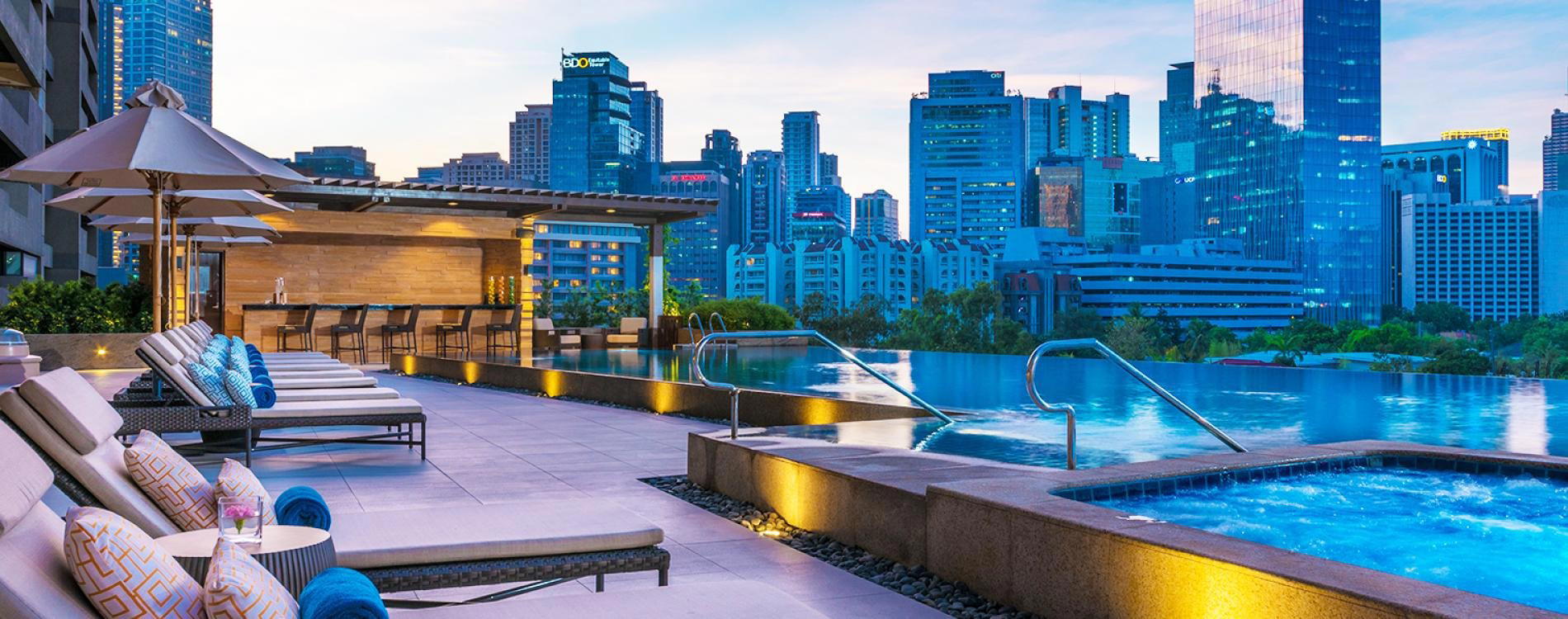
Old-world luxury with understated elegance, soft lighting, and a serene atmosphere designed for intimate and special occasions. The dining room features classic decor with artworks and overlooks the hotel garden and swimming pool.