Okinawa Sushi Pekanbaru sits on Jalan Soekarno-Hatta in the Payung Sekaki district, positioning it within Pekanbaru's evolving mid-to-upper dining corridor. The restaurant brings a Japanese sushi format to a city better known for Malay and Minang cooking traditions, making it a notable point of reference for anyone tracking how Japanese cuisine has taken hold across Sumatra's provincial capitals.
 Discover on Pearl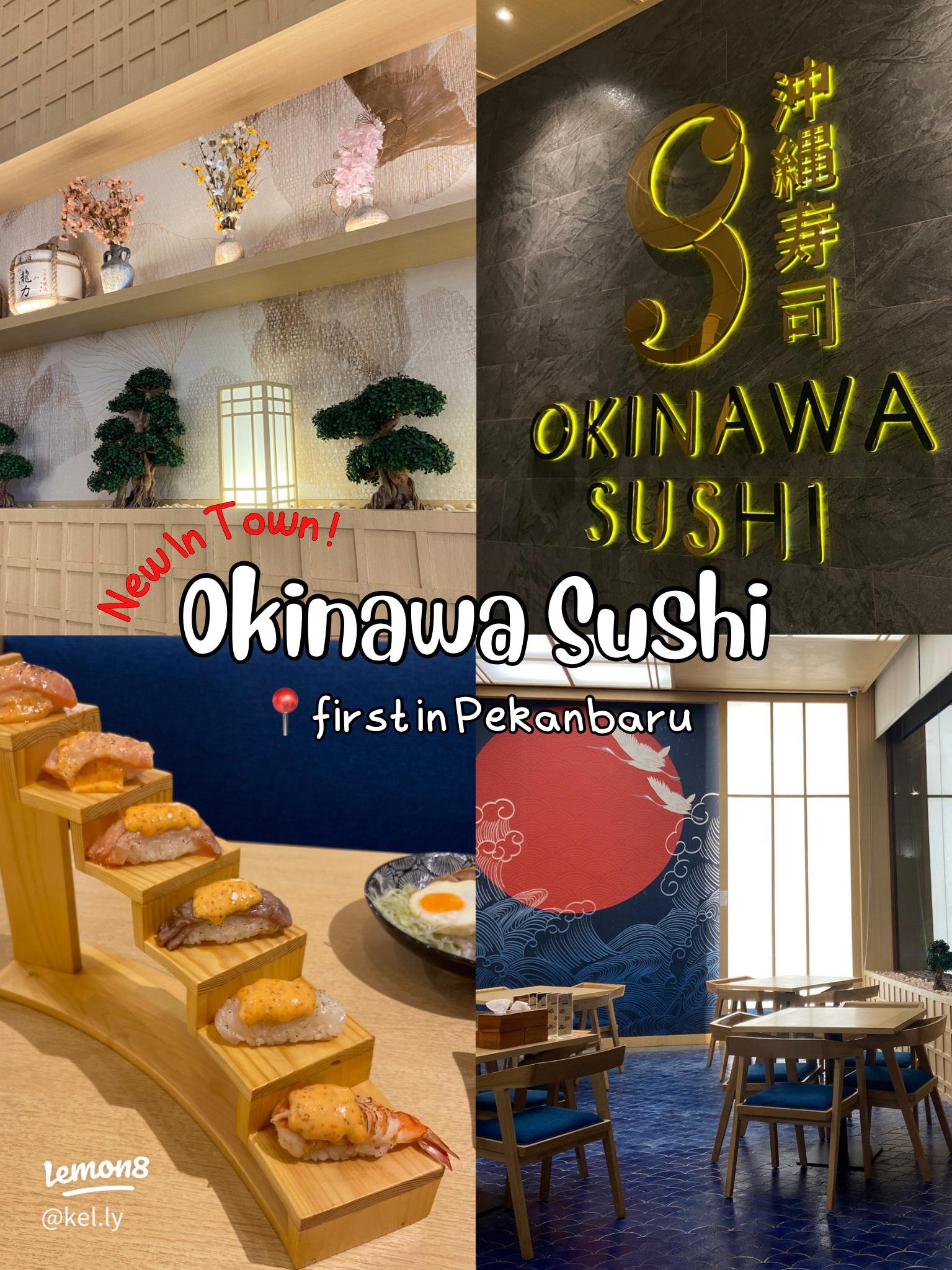
Japanese Fish Formats in a Sumatran City
Pekanbaru is not the first Indonesian city that comes to mind when discussing sushi culture. That distinction belongs to Jakarta's dense network of Japanese-format restaurants, where counters range from conveyor-belt operations to multi-course omakase rooms. Yet the diffusion of Japanese dining formats across Indonesia's secondary cities has been one of the more consistent trends in the country's restaurant industry over the past decade. Cities like Bandung, Manado, and now Pekanbaru have each developed their own versions of the format, shaped less by imported technique than by what local markets actually supply. Okinawa Sushi Pekanbaru, located on Jalan Soekarno-Hatta in the Labuh Baru Timur area of Kecamatan Payung Sekaki, sits squarely inside that broader movement. For context on how the rest of Indonesia's restaurant scene is evolving, our full Pekanbaru restaurants guide maps the city's wider dining picture.
What the Address Tells You About the Sourcing Story
Jalan Soekarno-Hatta is one of Pekanbaru's main arterial roads, running through commercial and residential zones that serve a broad cross-section of the city. Restaurants on this corridor tend to draw from a mixed customer base: office workers at lunch, families in the evening, and a younger crowd on weekends. The address places Okinawa Sushi in a practical, accessible location rather than a destination-dining enclave, which has direct implications for how the kitchen likely sources its fish.
The shortlist, unlocked.
Hard-to-book tables, cellar releases, and concierge-planned trips.
Get Exclusive Access →Pekanbaru sits inland in Riau province, which means it does not have the direct coastal access that ports like Belawan in Medan or Muara Baru in Jakarta afford their seafood-focused restaurants. Fish arriving in Pekanbaru typically travels from the Riau coast or comes through regional distribution networks originating further afield. That logistical reality shapes what any sushi operation here can credibly put on the plate. In Japan's most demanding omakase rooms — the kind of counters that set the reference standard for the format globally, whether in Ginza or at high-end Indonesian interpretations like August in Jakarta — proximity to the fish market is treated as a non-negotiable. In Pekanbaru, the equivalent question is how freshness is maintained across a longer supply chain, and what local or regional species replace the premium Japanese imports that define the format elsewhere.
Indonesia's waters are among the most biodiverse on the planet, and Riau's coastal waters produce tuna, snapper, and other species suited to raw preparation. The more interesting sushi operations in Indonesian secondary cities tend to lean into this local species availability rather than competing directly with the imported-product model that Jakarta's top-end Japanese restaurants use. Whether Okinawa Sushi Pekanbaru takes that approach is something the kitchen's actual menu would confirm, but the sourcing context is the right frame through which to assess any sushi restaurant in this position. Compare this ingredient-geography dynamic with how Locavore NXT in Ubud has made local sourcing a central and explicit part of its identity, or how coastal access shapes the seafood offer at Jungle Fish Bali in Gianyar.
The Broader Context: Japanese Formats Across Indonesian Cities
The spread of Japanese dining formats through Indonesia's provincial capitals reflects a pattern visible across Southeast Asia. Consumer demand for Japanese food , particularly sushi and teppanyaki , has grown steadily in cities without large Japanese expatriate communities, driven by domestic middle-class appetite rather than foreign resident demand. This differs from the model in Jakarta or Bali, where Japanese restaurants often developed initially to serve expatriate populations before expanding to local diners.
In cities like Pekanbaru, the Japanese restaurant format has been adopted and adapted on local terms. Halal certification is a baseline requirement in most operations given the majority-Muslim population, which affects the beverage program and some ingredient substitutions. The price architecture tends to sit below Jakarta's equivalent tier, not because quality targets are lower, but because the operating cost base and the local price sensitivity both point in that direction. Restaurants working in this space , from dimsum formats like Hwang Fu Dimsum in Tangerang to Japanese grill operations like Hachi Grill Alam Sutera in South Tangerang , each illustrate how Asian dining formats adapt to specific Indonesian city contexts rather than replicating a single template.
Pekanbaru's food culture is anchored in Malay and Minang traditions, with the latter being particularly dominant. Padang-style cooking, with its rich coconut-based curries and spiced meats, defines the city's most deeply rooted dining identity. Japanese sushi sits at the opposite end of the flavor and preparation spectrum: restrained, cold, dependent on product quality rather than layered seasoning. The coexistence of these two modes within the same city illustrates how Indonesian urban food culture has become genuinely plural over the past two decades, without any single format crowding out the others. For a sense of how traditional Indonesian cooking formats maintain their own vitality alongside these newer arrivals, Gudeg Yu Djum in Yogyakarta and Kunyit Restaurant in Bandung illustrate how regional cuisine traditions hold their ground.
Planning a Visit
Okinawa Sushi Pekanbaru is located at Jalan Soekarno-Hatta, Labuh Baru Timur, Kecamatan Payung Sekaki, Pekanbaru, Riau 28291. The address places it along a major commercial corridor, accessible by private vehicle or ride-hailing apps, which are the standard transport options in Pekanbaru given the city's limited public transit infrastructure. No verified booking method, confirmed hours, or pricing data are available in our current database record, so contacting the restaurant directly before visiting is advisable, particularly for group bookings or weekend evenings when Japanese-format restaurants in this tier tend to see heavier traffic. Other Indonesian restaurant options worth cross-referencing as you plan a broader itinerary include Bikini Restaurant Bali in Badung, Kita 喜多 Restaurant And Bar in Kecamatan Menteng, and Kimukatsu Manado Town Square in Manado City for a sense of how Japanese-influenced formats vary across the archipelago.
Frequently Asked Questions
- Can I bring kids to Okinawa Sushi Pekanbaru?
- Given its location on a busy commercial arterial in Pekanbaru and the generally family-inclusive nature of Indonesian dining culture, this is almost certainly a welcoming environment for children, particularly at a mid-range price tier typical of the local Japanese restaurant segment.
- Is Okinawa Sushi Pekanbaru better for a quiet night or a lively one?
- If the restaurant follows the pattern of comparable Japanese sushi formats in Indonesian secondary cities, the atmosphere is likely to be relaxed on weeknights and busier on weekends, when family groups dominate. There are no awards or recognition signals in the current record that would indicate a destination-dining crowd pushing the energy level higher than the surrounding commercial neighborhood suggests. For a genuinely high-energy, award-validated alternative in Indonesia, Hai Di Lao in Central Jakarta operates at a different register entirely.
- What do people recommend at Okinawa Sushi Pekanbaru?
- No verified menu data, chef credentials, or award recognition are available in the current record to anchor a specific recommendation. The name suggests a sushi-forward menu, but what distinguishes any particular dish here is something leading confirmed with the restaurant directly or through recent diner reviews. For Indonesian restaurants where the menu has been documented in detail, Chongqing Liuyishou Hotpot in South Jakarta and Kynd Community in Bali offer well-documented formats with clearer ordering guidance.
- How does Okinawa Sushi Pekanbaru compare to high-end sushi reference points internationally?
- The global reference tier for sushi , counters like those reviewed alongside Le Bernardin in New York City or tasting-format operations such as Atomix in New York City , operate on a different axis of sourcing, chef credential, and price. Okinawa Sushi Pekanbaru sits in a distinct regional tier, shaped by Sumatra's inland supply chains and local price expectations rather than imported-product luxury. That context, rather than any direct comparison, is what calibrates what to expect here.
Fast Comparison
These are the closest comparables we have in our database for quick context.
| Venue | Cuisine | Price | Awards | Notes |
|---|---|---|---|---|
| Okinawa Sushi Pekanbaru | This venue | |||
| Mozaic | French | French | ||
| Nusantara By Locavore | Indonesian | Indonesian | ||
| Ibu Oka | Balinese | Balinese | ||
| Room 4 Dessert | Dessert | Dessert | ||
| Locavore NXT | Indonesian | World's 50 Best | Indonesian |
Need a table?
Our members enjoy priority alerts and concierge-led booking support for the world's most difficult tables.
Get Exclusive AccessThe shortlist, unlocked.
Hard-to-book tables, cellar releases, and concierge-planned trips.
Get Exclusive Access →