Hachi Grill Alam Sutera
Hachi Grill sits along Jalan Jalur Sutera in Alam Sutera, one of South Tangerang's most active commercial corridors, placing it inside a dining belt where grilled-format restaurants compete on sourcing precision and execution consistency. With a grill-focused identity and a location that draws from across the Serpong Utara catchment, it occupies a distinct position in the suburb's mid-to-upper casual dining tier.
Pearl is the En Primeur Club membership app — saves, bookings, and concierge access live there. Same editors, same standards.
- Address
- Jl. Jalur Sutera No. Kav.28D, Pakualam, Kec. Serpong Utara, Kota Tangerang Selatan, Banten 15320, Indonesia
- Phone
- +6281211116057
- Website
- hachigroup.id
- Directions
- Get directions
 Saves & bookings on Pearl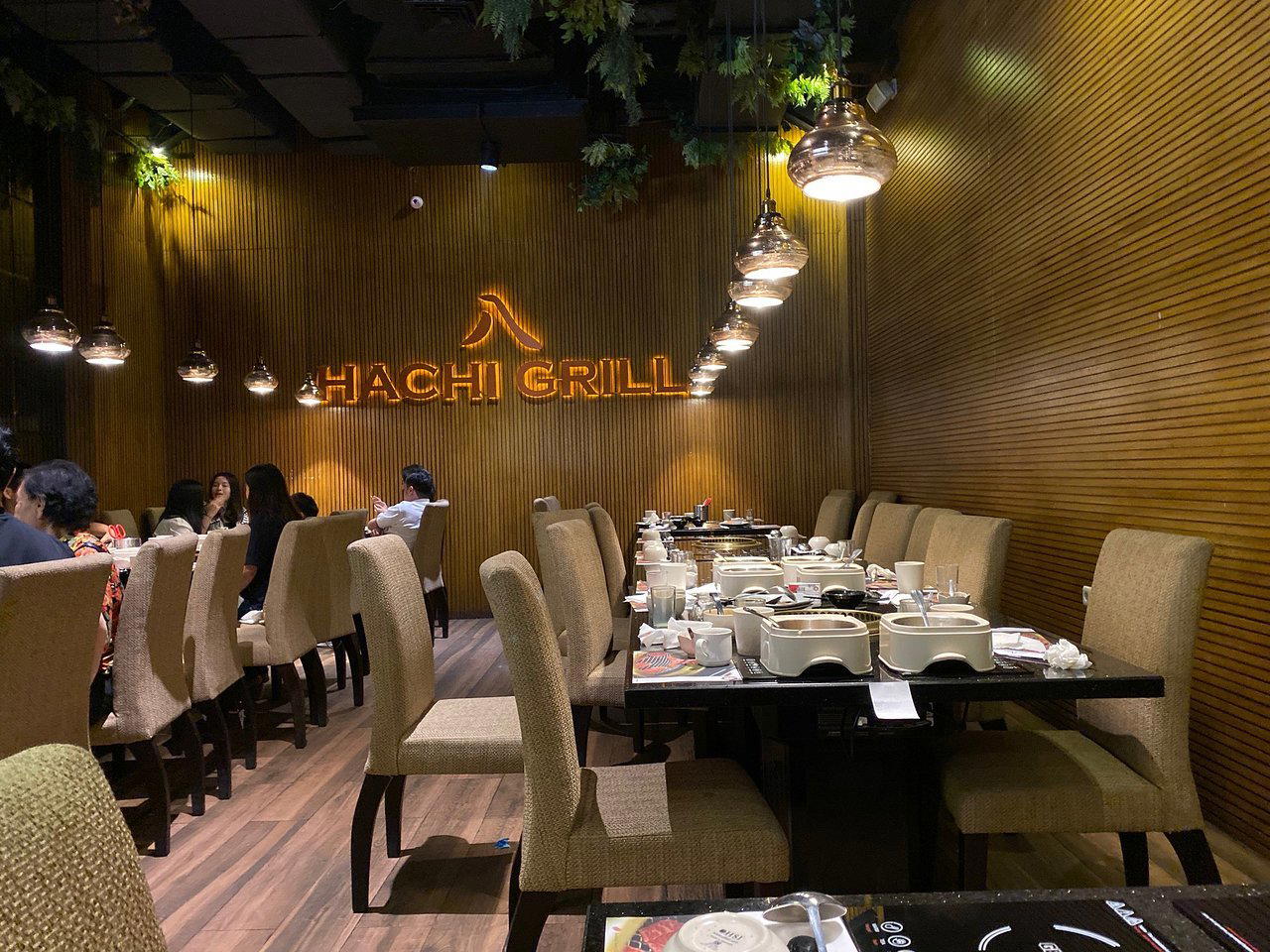
Where South Tangerang's Grill Culture Lands
Alam Sutera has spent the past decade developing into one of South Tangerang's most concentrated dining corridors. What began as a residential township anchored by wide boulevards has layered in a serious restaurant scene along Jalan Jalur Sutera, where landlords built street-facing commercial lots specifically to attract food and beverage operators. The result is a stretch where grilled-format restaurants, Japanese-influenced counters, and casual-dining concepts sit in close proximity, each competing for the same professional and family crowd that commutes in from the surrounding Serpong Utara and Pakualam neighbourhoods. Hachi Grill is a halal Japanese yakiniku and shabu-shabu restaurant at Kav.28D on the main Jalur Sutera artery, accessible to both walk-in traffic from the surrounding estate and drive-in diners from Tangerang Selatan more broadly.
The naming convention matters here. "Hachi" is the Japanese word for eight, a number that carries cultural weight in East Asian dining contexts as a marker of abundance and good fortune. Grill formats across Greater Jakarta have increasingly borrowed from Japanese yakitori and teppan traditions while adapting to Indonesian ingredient availability and local palate expectations. That fusion of East Asian grilling discipline with Indonesian sourcing realities defines a recognisable sub-category of suburban dining in this part of Banten province, one that separates itself from purely domestic barbecue traditions through presentation precision and portion structure. Hachi Grill fits inside that sub-category, operating from an address that signals commercial visibility rather than tucked-away destination dining.
The Ingredient Question in Suburban Grill Dining
In a city-fringe context like Alam Sutera, the sourcing story behind grilled food is one instructive lens for evaluating any venue in this category. Greater Jakarta's suburban grill scene has bifurcated sharply in recent years: operators either draw from commodity supply chains serving mass-market protein at standardised spec, or they invest in differentiated sourcing, whether domestic heritage breeds, wet-market relationships, or imported cuts from Australia, Japan, or the United States. Where a restaurant lands on that spectrum determines almost everything downstream, including char quality, resting protocols, and the degree to which a server can speak to provenance with any confidence.
The Alam Sutera corridor is not short of grilled-meat operators, and the addresses nearby include both Cutt & Grill Flavor Bliss and Kimukatsu Bintaro Jaya Xchange, the latter taking a Japanese-style katsu approach rather than a live-fire format. What separates the more deliberate operators in this tier is consistency of trim, fat distribution, and marination logic, details that point back to sourcing discipline rather than kitchen theatrics. For diners comparing options along Jalur Sutera, asking front-of-house staff where protein is sourced and how frequently the supply arrives is a more reliable quality indicator than menu photography or interior fit-out.
Indonesian beef sourcing has its own distinct regional logic. Domestic cattle, predominantly Bali and Ongole breeds, offer leaner cuts with tighter grain compared to grain-fed Australian wagyu crosses or American USDA prime that appears increasingly across Greater Jakarta's mid-market grill houses. Each sourcing route implies a different preparation approach: domestic cuts respond better to shorter, hotter grilling with marinades that add moisture, while well-marbled imports benefit from minimal intervention and precise temperature control. How Hachi Grill navigates that choice is the central question for a first visit, and it is one that the restaurant's position in the Alam Sutera commercial strip makes both financially relevant and locally competitive. For broader Indonesian dining context, the sourcing conversations happening at places like August in Jakarta and Locavore NXT in Ubud show the ceiling of what ingredient-led thinking produces in this country's restaurant sector.
South Tangerang's Dining Scene and Where Hachi Fits
South Tangerang's restaurant density has grown substantially since 2015, tracking the population and commercial development of the BSD City and Alam Sutera corridors. The dining options now span a range from international chain outposts in the Bintaro Jaya Xchange mall cluster to independent operators in shophouse units along Jalur Sutera and the surrounding streets. Calicoffice and The Grand Nihao represent the breadth of that scene, from café-format dining to Chinese banquet-style service, and they illustrate how the suburb has moved well beyond a commuter-belt food court model into something with genuine category diversity. Hachi Grill's grilled format occupies its own segment in that mix, one that serves a diner looking for a more composed, protein-forward meal without commuting into central Jakarta or navigating the mall food court environment.
The regional comparison set extends further. Hwang Fu Dimsum in Tangerang and hotpot formats like Chongqing Liuyishou Hotpot in South Jakarta and Hai Di Lao in Central Jakarta all compete for the communal-dining occasion that suburban Jakarta families and colleague groups favour, and grill-format restaurants like Hachi participate in that same occasion economy, even if their cooking method is different. The competitive logic is the same: provide an experience that justifies the trip, manages a group at the table comfortably, and delivers enough visual and flavour variety to satisfy a table of mixed preferences. Our full South Tangerang restaurants guide maps this scene in more detail for visitors planning across multiple meals.
Planning a Visit to Hachi Grill Alam Sutera
Jalan Jalur Sutera runs as a major access road through the Alam Sutera township, and Kav.28D sits on the commercial frontage that serves both private car arrivals and rideshare drop-offs from the Gojek and Grab networks that cover this part of Tangerang Selatan. Weekend evenings tend to compress parking availability along this strip, given the density of restaurants operating in the same block, so arriving by rideshare or building in additional time for parking is the practical approach for dinner visits. Lunch service windows on weekday afternoons typically see lower competition for seating at Alam Sutera commercial-strip venues, though this varies by day and occasion cycle.
Reservations are recommended before planning a group visit. Walk-in availability on weeknights is generally stronger at this type of shophouse-format venue than at mall-based restaurants with fixed queue systems, but group bookings of five or more almost always benefit from advance coordination. For dining options across the broader Bogor and Tangerang corridor, Agreya Coffee Bogor and Kunyit Restaurant in Bandung are reference points for the regional café and Indonesian cuisine tier, while Kita Restaurant and Bar in Menteng and Bikini Restaurant Bali in Badung indicate the ceiling of polished casual dining across the wider Indonesian archipelago.
How It Stacks Up
Comparable venues nearby, for context on price, style, and recognition.
| Venue | Cuisine | Price | Notes |
|---|---|---|---|
| Hachi Grill Alam SuteraThis venue — the venue you are viewing | Halal Japanese Yakiniku & Shabu-Shabu | $$ | Not listed |
| The Grand Nihao | Chinese Seafood | $$ | Alam Sutera, South Tangerang |
| Kimukatsu Bintaro Jaya Xchange | Layered Katsu Japanese | $$ | Bintaro Jaya Xchange |
| Cutt & Grill Flavor Bliss | Steakhouse Grill | $$ | Alam Sutera |
| Calicoffice | Australian-Japanese Fusion Cafe | $ | Serpong, BSD City |
| Shaburi & Kintan Buffet Supermal Karawaci | Japanese Shabu-Shabu & Korean BBQ Buffet | $$ | Karawaci |
Continue exploring
More in South Tangerang
Restaurants in South Tangerang
Browse all →
Bars in South Tangerang
Browse all →
At a Glance
- Modern
- Cozy
- Family
- Group Dining
- Casual Hangout
- Celebration
- Open Kitchen
Current opening hours
- Monday
- 11 AM–9 PM
- Tuesday
- 11 AM–9 PM
- Wednesday
- 11 AM–9 PM
- Thursday
- 11 AM–9 PM
- Friday
- 11 AM–10 PM
- Saturday
- 10 AM–10 PM
- Sunday
- 10 AM–10 PM
Hours can change for holidays and private events. Last verified .
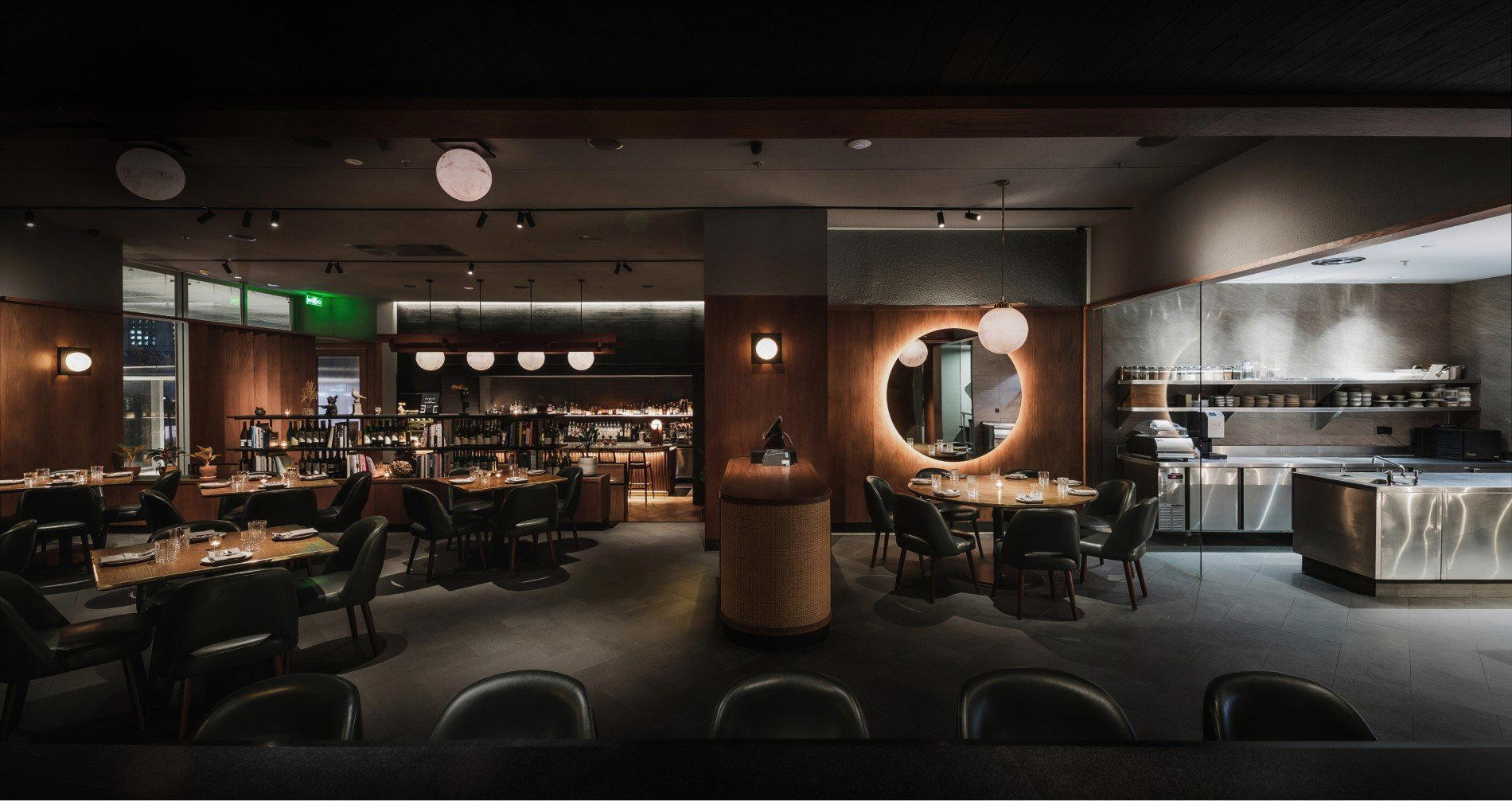
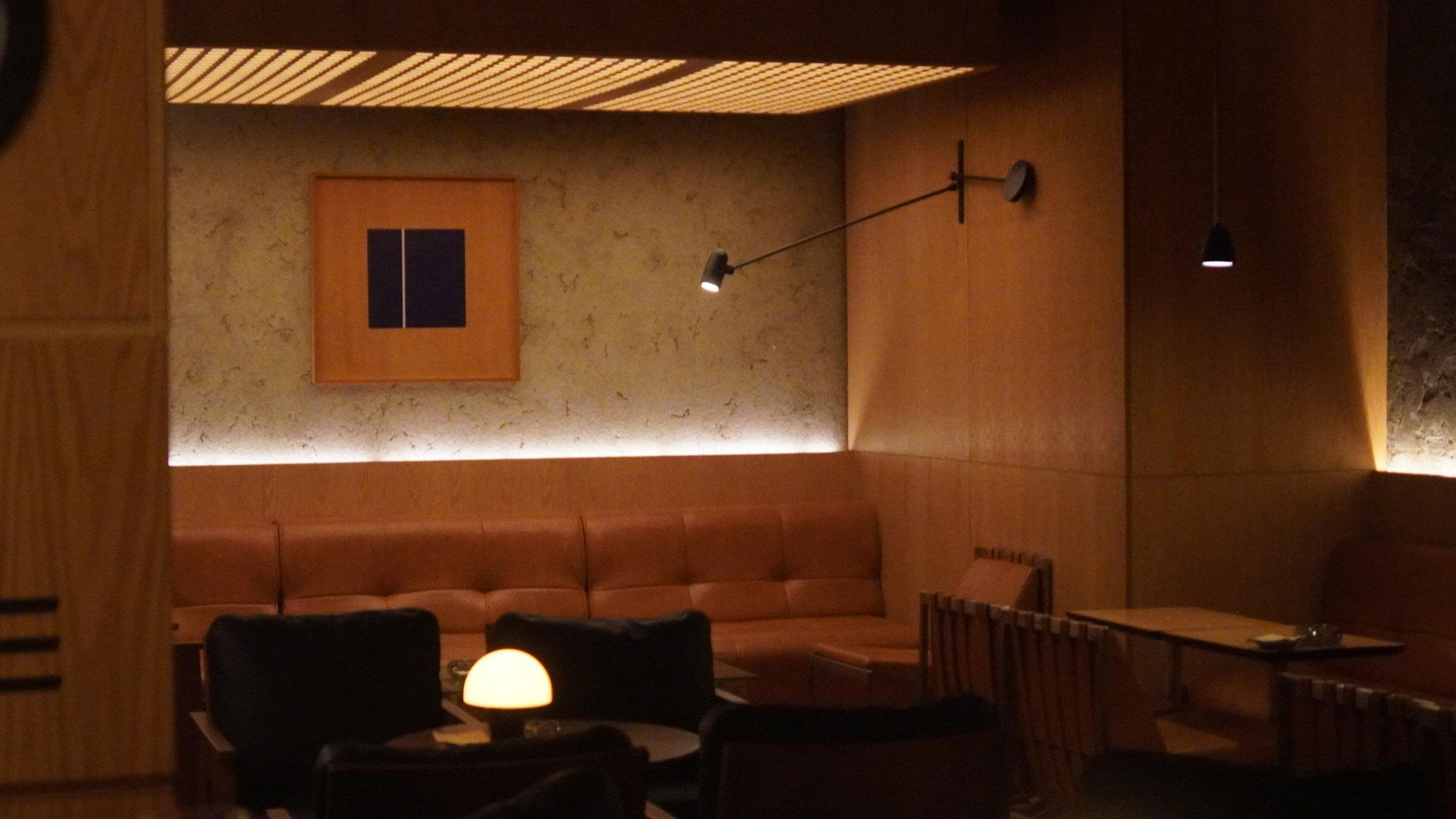
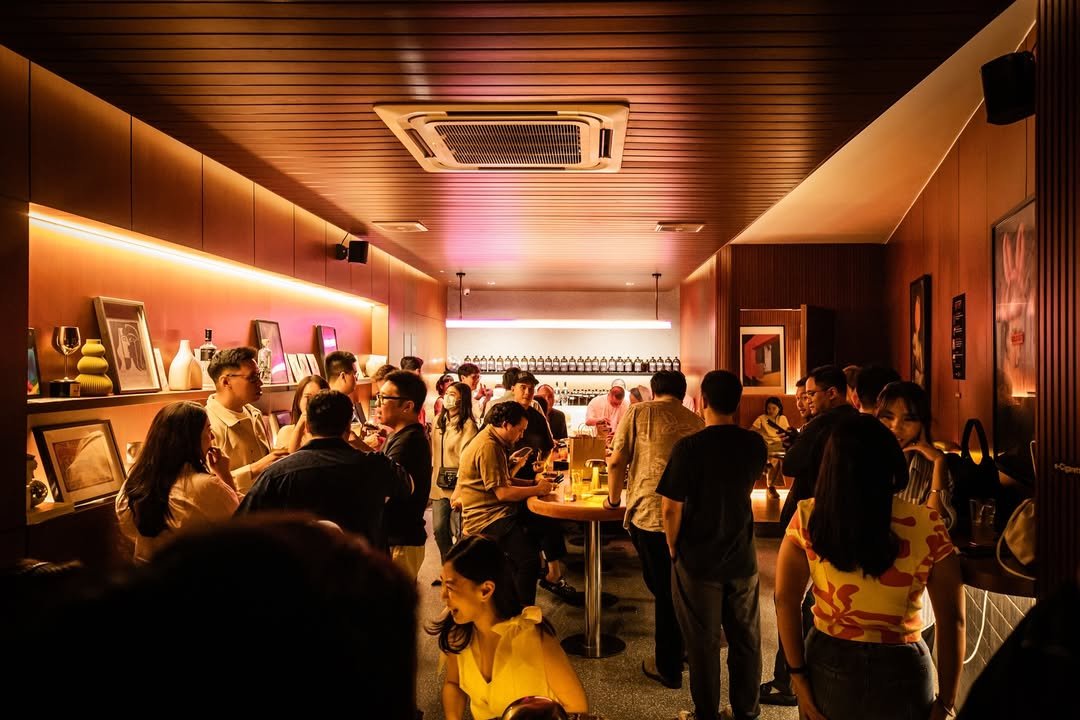
Spacious and luxurious Japanese-inspired interior with wooden walls, floors, and hanging lights creating a laid-back, family-friendly atmosphere.