OITA Soho
On Gerrard Street in the heart of Soho's Chinatown, OITA brings a Japan-inflected approach to an address already dense with competing Asian dining. The kitchen draws on ingredient sourcing as its central editorial statement, placing produce provenance at the centre of the plate rather than the periphery. For London diners tracking the city's shift toward sourcing-conscious Asian dining, OITA is a reference point worth knowing.
Pearl is the En Primeur Club membership app — saves, bookings, and concierge access live there. Same editors, same standards.
- Address
- 47 Gerrard St, London W1D 5QJ, United Kingdom
- Phone
- +442074398808
- Website
- oitarestaurant.com
- Directions
- Get directions
 Saves & bookings on Pearl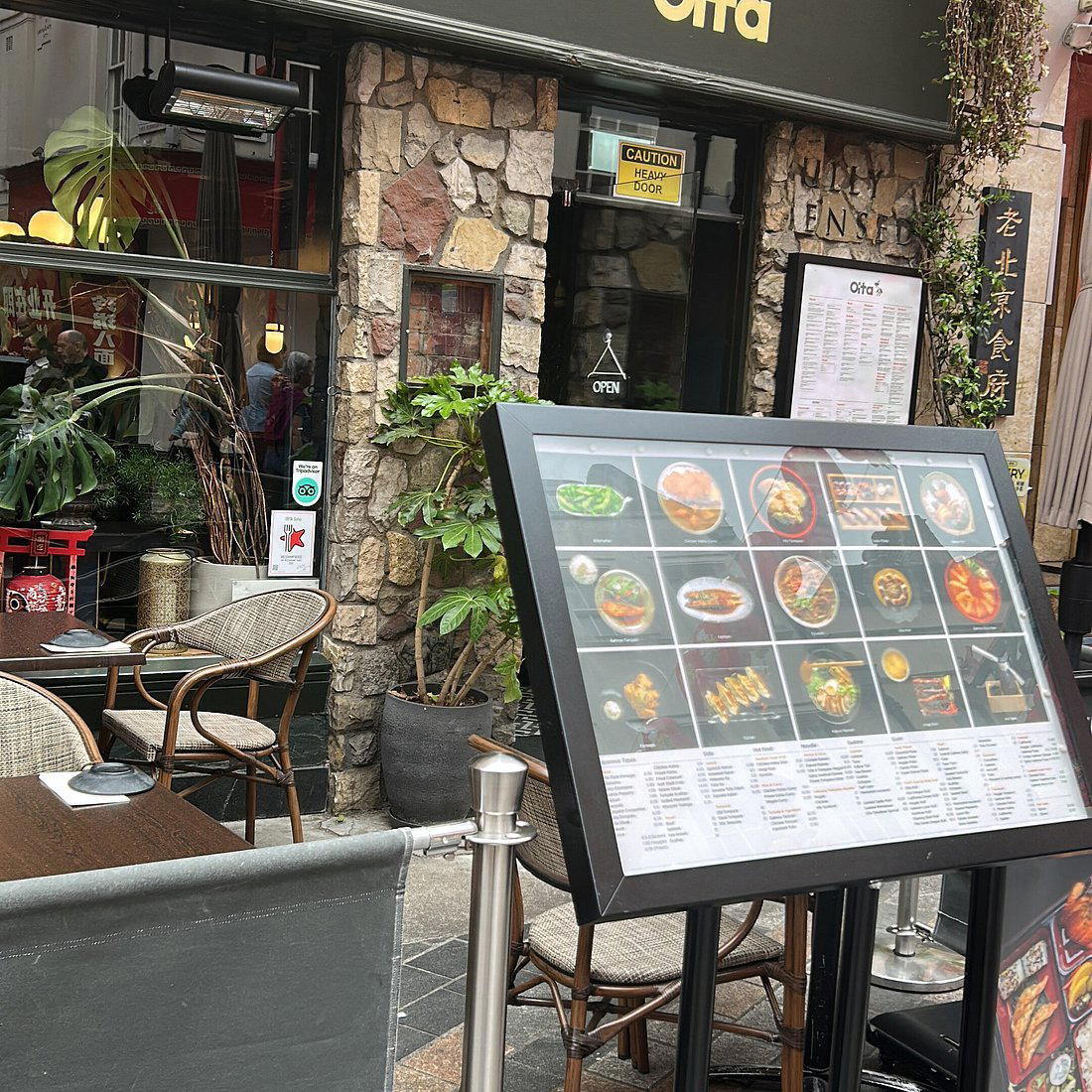
Gerrard Street and the Question of What Japanese Dining in London Actually Means
Gerrard Street occupies a specific position in London's dining geography: it is simultaneously the heart of the city's Cantonese restaurant corridor and, increasingly, a address where other Asian dining traditions are finding serious footholds. The street's association with Chinatown means expectations arrive before the food does, which makes the choice to operate a Japan-influenced kitchen here a deliberate editorial statement rather than a convenient location decision. OITA Soho sits at 47 Gerrard Street inside that contested space, where the surrounding roast duck windows and bubble tea counters provide a useful contrast to whatever more considered sourcing-led work is happening inside.
Japanese-influenced restaurants in London have split into two distinct tiers over the past decade. The first is high-volume, ramen-and-robata territory, where throughput matters and sourcing tends to follow cost efficiency. The second is a smaller, more deliberate cohort that treats ingredient provenance as structural to the menu rather than ornamental. Venues in this second tier tend to price and position differently, draw from a smaller, more repeat-heavy guest pool, and invest more visibly in relationships with suppliers. OITA Soho's Soho address and its position on a street dominated by higher-volume neighbours suggest it is playing in, or aspiring to, that more considered tier.
The Sourcing Frame: Why Provenance Is the Right Lens Here
Across contemporary Japanese dining in major Western cities, the kitchens generating critical attention tend to share one structural feature: they treat ingredient sourcing as the primary act of cooking, with technique as the delivery mechanism rather than the point. This is a meaningful reversal of the older model, where classical method was the draw and ingredients were sourced to specification. The shift has been documented in Tokyo's highest-end omakase counters and has migrated into London's more serious Japanese and Japanese-inflected kitchens over the last several years.
In practice, this means menus built around what is available from specific producers rather than menus that call for specific producers to supply a fixed dish list. It means seasonal rotation driven by actual seasonal availability, not calendar marketing. It means the kitchen's relationship with its supply chain is as editorially significant as its relationship with classical Japanese technique. For a diner at OITA Soho, understanding this frame changes what questions to ask and how to read the menu when you arrive.
London's broader fine and fine-casual dining market has moved in this direction across cuisine types. CORE by Clare Smyth has built its Modern British identity around hyperlocal and British-farmed produce. The Ledbury has long framed its Modern European kitchen through seasonal sourcing discipline. The trend is not distinctive to Japanese dining, but it finds a particularly sharp expression there because Japanese culinary tradition has always placed the ingredient above the preparation. When a London kitchen brings genuine sourcing rigour to Japanese or Japanese-inflected cooking, the tradition and the contemporary moment align cleanly.
Soho's Dining Density and Where OITA Fits
Soho proper, and Chinatown specifically, remains one of London's highest-density dining corridors. The competition for attention is real and the range enormous, from tourist-targeted set menus to genuinely serious cooking that happens to occupy unglamorous storefronts. The neighbourhood's dining character has evolved over the past decade as rents and post-pandemic repositioning pushed some operators toward higher-margin models and opened space for more focused, lower-seat-count concepts that can sustain themselves on a smaller, more committed guest base.
For comparison, London's most acclaimed destination dining sits outside Soho entirely. Restaurant Gordon Ramsay anchors Chelsea. Sketch's Lecture Room and Library operates in Mayfair. Dinner by Heston Blumenthal runs from Knightsbridge. Soho has historically been better suited to mid-market volume and creative independent operators than to formal destination dining, which is part of what makes a sourcing-serious kitchen on Gerrard Street an interesting proposition. It is working against the neighbourhood's gravitational pull toward accessibility and throughput.
Beyond London, the sourcing-led Japanese model has reference points across the UK. L'Enclume in Cartmel and Moor Hall in Aughton demonstrate how kitchen gardens and named-farm sourcing can become the defining identity of a serious restaurant. Opheem in Birmingham shows how South Asian fine dining has applied similar sourcing rigour to a different tradition. Internationally, Le Bernardin in New York City built its reputation on the quality of its fish sourcing before technique became the headline, and Atomix in New York City has made Korean ingredient provenance central to its tasting menu format.
Planning Your Visit
The restaurant is a Modern Japanese Izakaya at 47 Gerrard Street, London W1D 5QJ,125 reviews. The surrounding Chinatown blocks are pedestrianised on Gerrard Street itself, which affects both access and atmosphere on busy evenings.
For UK destination dining outside the capital, relevant reference points include Waterside Inn in Bray, Le Manoir aux Quat'Saisons in Oxford, Gidleigh Park in Chagford, Hand and Flowers in Marlow, hide and fox in Saltwood, Midsummer House in Cambridge, and Restaurant Andrew Fairlie in Auchterarder.
| Venue | Location | Cuisine | Price Range | Booking Lead Time |
|---|---|---|---|---|
| The restaurant | Gerrard St, Soho, London | Japanese-influenced | Not published | |
| CORE by Clare Smyth | Notting Hill, London | Modern British | ££££ | Several weeks in advance |
| The Ledbury | Notting Hill, London | Modern European | ££££ | Several weeks in advance |
| Dinner by Heston Blumenthal | Knightsbridge, London | Modern British | ££££ | 2-4 weeks in advance |
Recognition Snapshot
Comparable venues nearby, for context on price, style, and recognition.
| Venue | Cuisine | Price | Notes |
|---|---|---|---|
| OITA SohoThis venue — the venue you are viewing | Modern Japanese Izakaya | $$$ | Not listed |
| Wild at Heart | Casual Japanese Fusion | $$$ | Notting Hill |
| Sachi | Modern Kappo-Style Japanese | $$$ | Belgravia |
| Flesh & Buns | Modern Japanese Izakaya | $$$ | St Giles |
| Akatuki Covent Garden | Premium Omakase & Japanese Kaiseki | $$$$ | Holborn |
| Ikeda | Traditional Japanese | $$$$ | Mayfair |
Continue exploring
More in London
Restaurants in London
Browse all →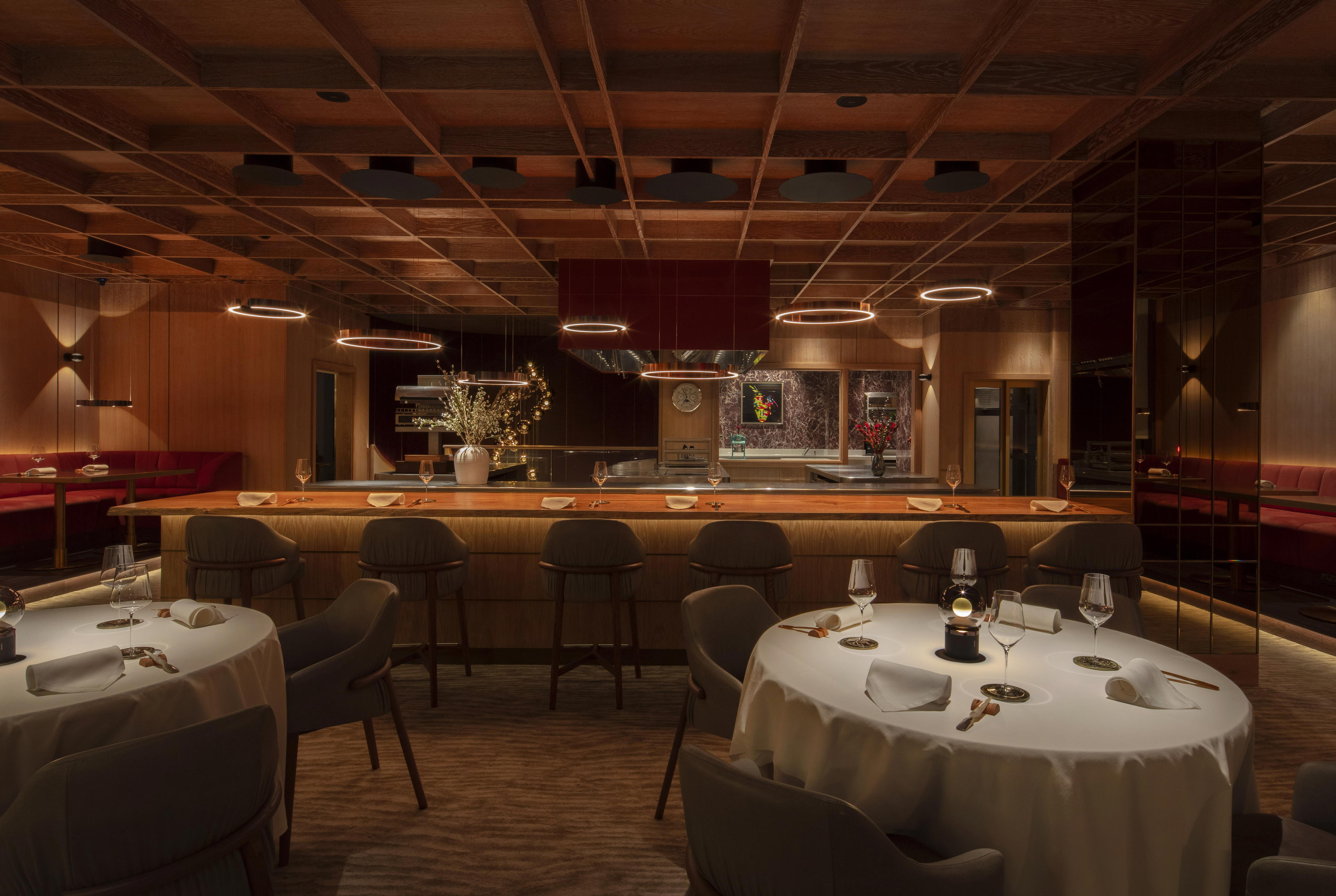
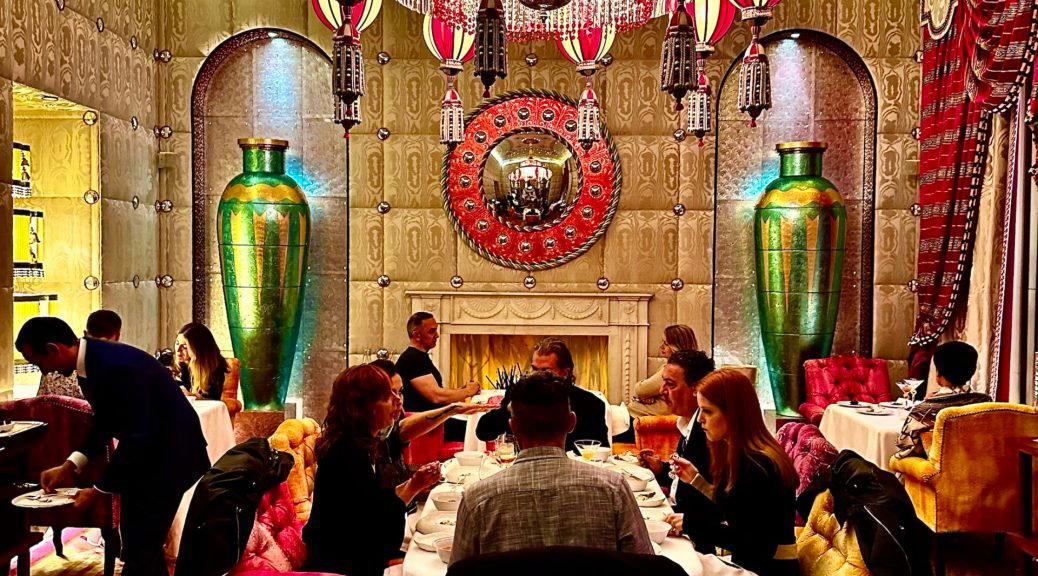
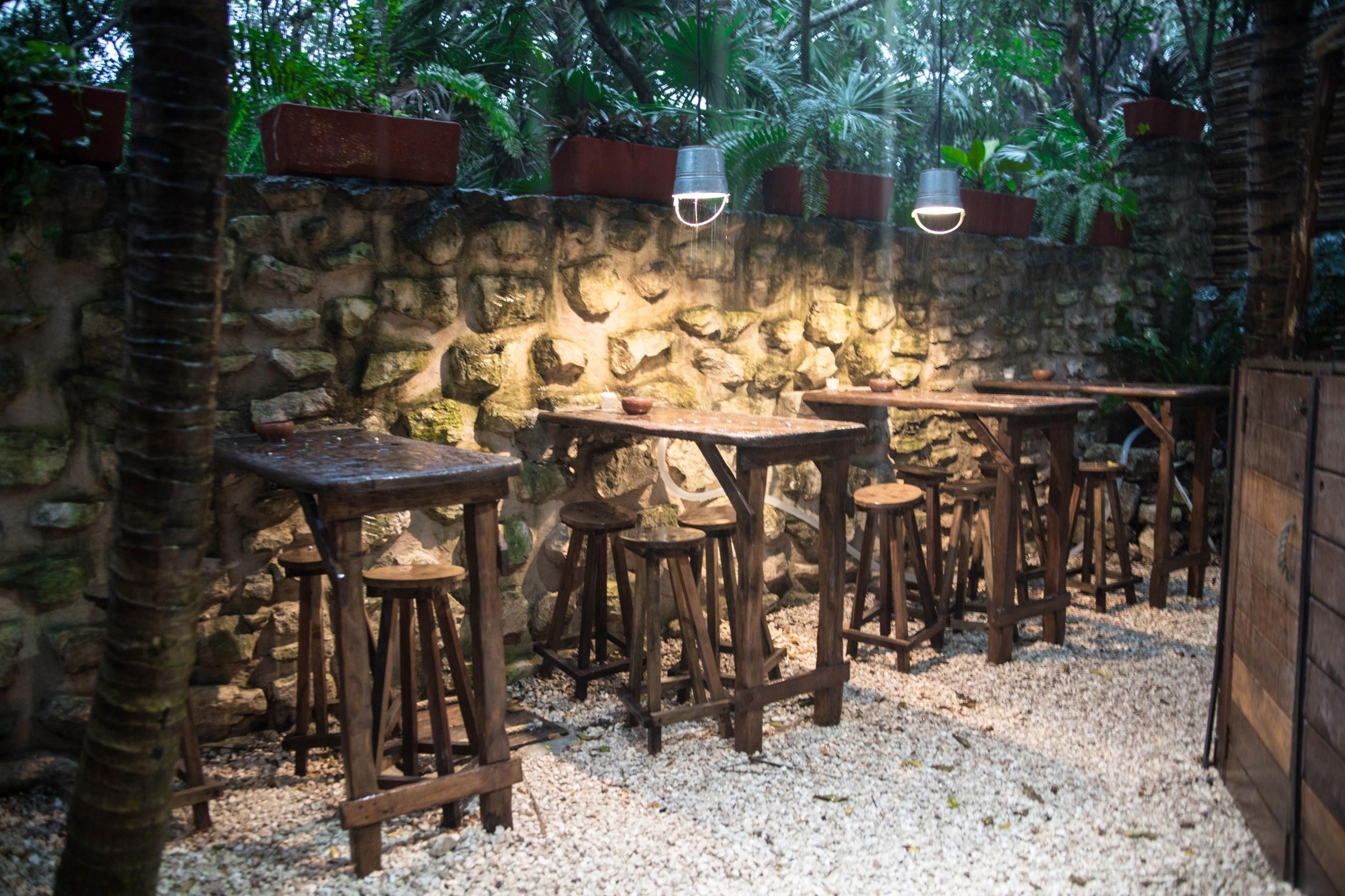
Bars in London
Browse all →
Hotels in London
Browse all →




At a Glance
- Sophisticated
- Modern
- Cozy
- Trendy
- Date Night
- Group Dining
- Casual Hangout
- Open Kitchen
- Sake Program
- Craft Cocktails
- Local Sourcing
Current opening hours
- Monday
- 12–11 PM
- Tuesday
- 12–11 PM
- Wednesday
- 12–11 PM
- Thursday
- 12–11 PM
- Friday
- 12–11 PM
- Saturday
- 12–11 PM
- Sunday
- 12–11 PM
Hours can change for holidays and private events. Last verified .
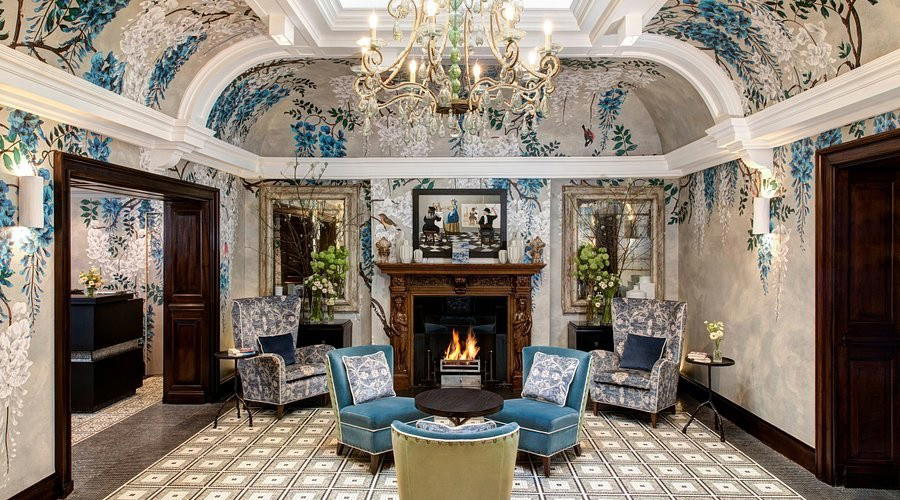
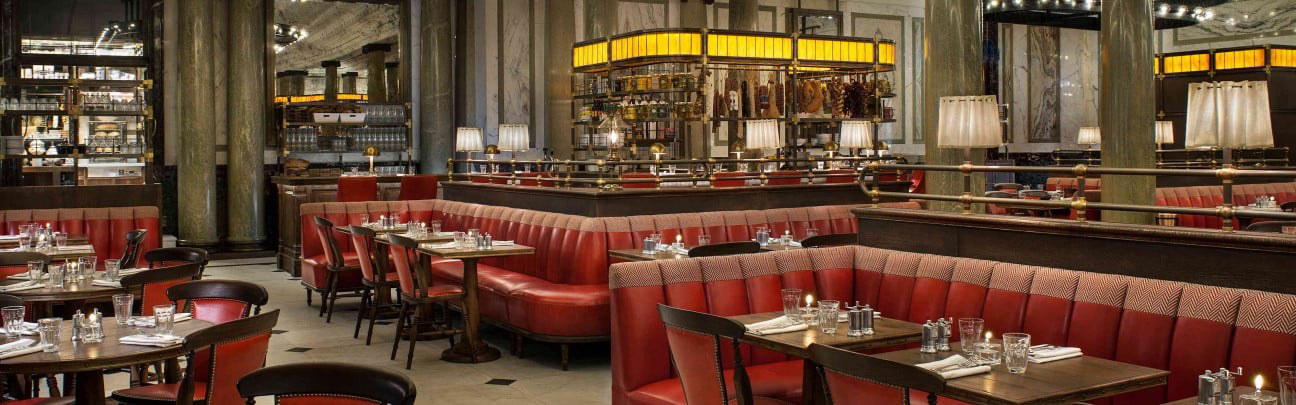
Lush, shadow-lit ambience with abundant greenery, dark navy timbers, and botanical design creating an immersive exotic night-garden atmosphere.