
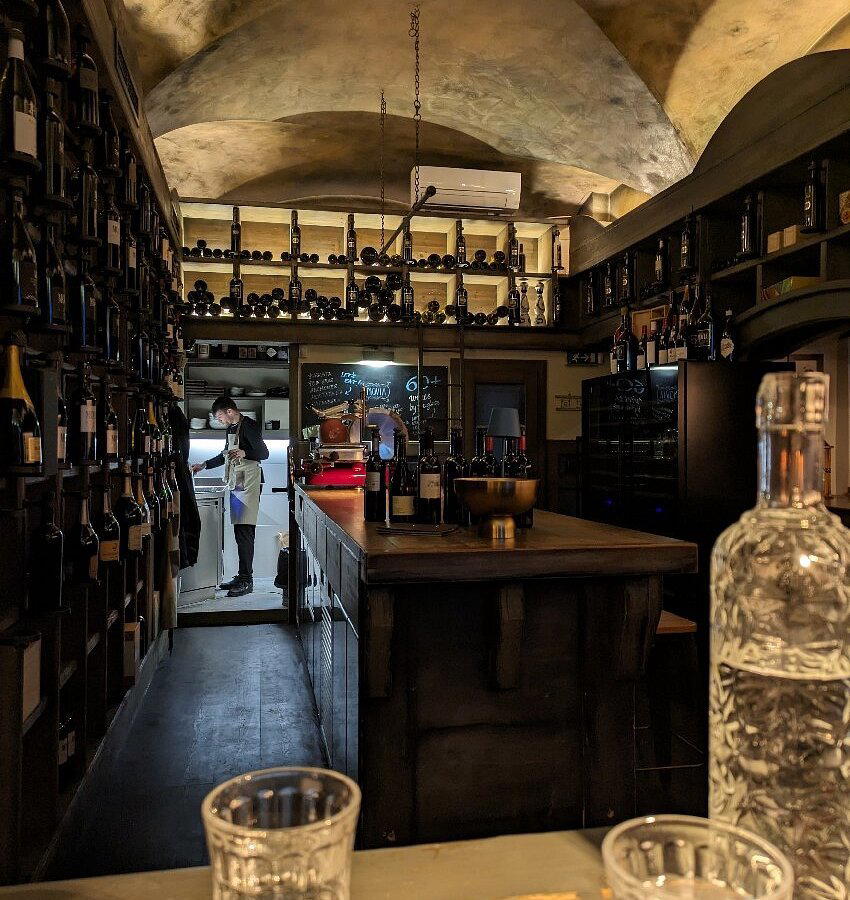
Kletvica occupies a quiet side street just off one of Ljubljana's busiest thoroughfares, operating as a low-intervention wine bar with a list built around Slovenia's smallest producers. The focus is deliberately local, placing Slovenian natural wine at the centre rather than the margins. For those tracing the country's emerging wine identity from within the capital, it functions as a working reference point.
Pearl is the En Primeur Club membership app — saves, bookings, and concierge access live there. Same editors, same standards.
- Address
- Komenskega ulica 30, 1000 Ljubljana, Slovenia
- Phone
- +386 40 423 328
- Website
- kletvica.si
- Directions
- Get directions
 Saves & bookings on Pearl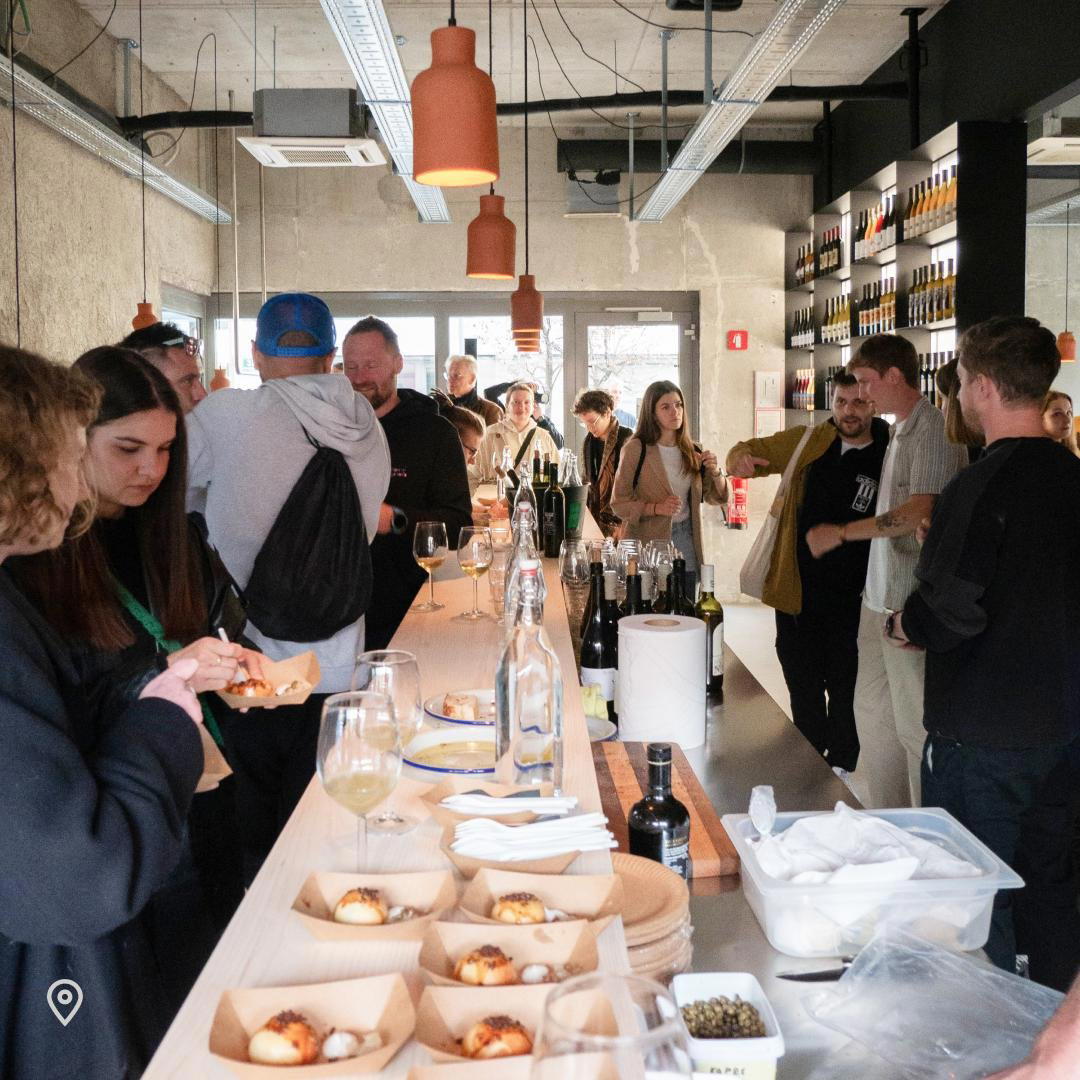
A Side Street and a Serious Wine List
Kletvica is a restaurant in Ljubljana, Slovenia, with, recommended reservation policy. The geography of Kletvica matters. Komenskega ulica 30 sits just far enough from Ljubljana's noisiest main drag to feel deliberate rather than accidental, a small remove that sets the register before you've ordered anything. This kind of positioning is common in European cities where low-intervention wine culture has taken root: the bars that anchor these scenes tend not to occupy prime real estate. They find their audiences on second streets, in basements, in repurposed cellars. Kletvica follows that pattern, and the atmosphere that results is consistent with what the wine list promises.
Low-intervention wine bars have proliferated across European capitals over the past decade, from Paris's Pigalle to Lisbon's Mouraria to Ljubljana's own old town fringes. What distinguishes the serious operations from the trend-followers is the specificity of the list. At Kletvica, the selection is grounded in Slovenia's smallest producers, which means the pours here are not the same bottles found in every natural wine bar from Vienna to Barcelona. That particularity is the editorial argument the bar is making: that Slovenia's wine culture is deep enough to sustain an entire list without reaching for French or Italian anchors.
Slovenia's Low-Intervention Wine Tradition
Slovenia's claim on natural and low-intervention wine predates the global trend by several decades. The Vipava Valley, Brda, and the Karst region have produced skin-contact and minimal-sulphite wines since the 1970s and 1980s, when producers like Stanko Radikon and Josko Gravner were working across the Italian border in Friuli and influencing their Slovenian neighbours. The tradition of extended maceration on white grapes, what the international market now labels orange wine, has roots in this corner of Central Europe that go back further than the contemporary natural wine movement acknowledges.
Bars like Kletvica operate as distribution points for this longer history. When the list draws from the country's smallest producers, it is pulling from an ecosystem that includes multi-generational estates in Brda alongside newer operations in Posavje and Dolenjska. For visitors whose reference point for Slovenian wine is limited to what appears on international export lists, a bar that stocks this depth of local production is a genuinely different kind of education.
Where Kletvica Sits in Ljubljana's Drinking Scene
Ljubljana's bar scene has developed along two tracks over the past several years. One track is the increasingly sophisticated restaurant-bar axis, where venues like AFTR and Breg pair serious cooking with curated drink programs. The other is the specialist single-format operation, where the entire proposition is built around one category executed with depth. Kletvica belongs firmly to the second track. There is no attempt to be a full restaurant or a cocktail destination. The focus is wine, and within wine, the focus is local and low-intervention.
This matters for how to use the bar. It is not a stop on the way to dinner at Restavracija Strelec or Altrokè if you need a broad drinks menu. It is the destination itself, or a late stop for those who want to anchor an evening in Slovenian wine rather than end it. Among Ljubljana's bars, it occupies a position comparable to the specialist natural wine operations that have become reference addresses in other Central European cities: places where the list depth justifies the journey even when the format is simple.
The Producing Regions Behind the List
Understanding what makes a Kletvica-style list coherent requires some orientation in Slovenian geography. The country's three major wine regions are Podravje in the northeast, Posavje in the southeast, and Primorska in the west. Primorska is the region with the strongest international profile, largely because of its adjacency to Friuli and the shared skin-contact wine tradition along that border. Brda, within Primorska, produces whites from Rebula (the local name for Ribolla Gialla) that have been macerated for weeks or months rather than hours for generations.
But focusing exclusively on Primorska would give a partial picture of what Slovenia's smallest producers are doing. Dolenjska, in the southeast, works with Žametovka, a red grape sometimes cited as one of the oldest cultivated varieties in Central Europe. Štajerska, in the northeast, produces Šipon (Furmint) of a different character from the Hungarian interpretation. A list that draws from the full range of this geography is telling a more complete story about Slovenian wine than one anchored solely in the orange wine narrative that the export market tends to emphasise. For a wider view of what this tradition looks like at the table, Gostilna Pri Lojzetu in Vipava and Dam in Nova Gorica both situate Slovenian wine within their regional cooking in ways that complement what a bar like Kletvica offers as a standalone drink focus.
Planning a Visit
Kletvica is at Komenskega ulica 30, in central Ljubljana, accessible on foot from the old town. Given the specialist format and the size typical of bars in this category, it is worth arriving early in the evening on busier nights rather than treating it as a guaranteed late option. Reservations are recommended. Readers building a broader Ljubljana trip will find useful context in our full Ljubljana restaurants guide, our full Ljubljana hotels guide, and our full Ljubljana experiences guide. For those extending into Slovenia's wine regions, Hiša Franko in Kobarid, Milka in Kranjska Gora, Grič in Šentjošt nad Horjulom, and Hiša Denk in Zgornja Kungota represent the range of serious cooking happening outside the capital. For readers comparing Slovenia's wine bar culture against an international frame, the contrast with destination-restaurant wine programs like those at Le Bernardin in New York City or Emeril's in New Orleans makes clear how deliberately a place like Kletvica has narrowed its focus.
Pricing, Compared
Comparable venues nearby, for context on price, style, and recognition.
| Venue | Price | Awards | Notes |
|---|---|---|---|
| KletvicaThis venue — the venue you are viewing | $ | Not listed | Not listed |
| Slaščičarna Lolita | $$ | Not listed | Old Town (Stari Trg area), Artisanal Patisserie & Café |
| GELATERIA ROMANTIKA | $$ | Not listed | Ljubljana Old Town, Italian-Style Gelato with Slovenian Flavors |
| Cacao | $$ | Not listed | Center, Modern Cafe with Gelato & Patisserie |
| Kruhkerija Gorjanc Ljubljana | $$ | Not listed | Dunajska Street / Central Ljubljana, Traditional Slovenian Hotemaški Kruhki |
| B-Restaurant | $$$ | Michelin Plate | Ljubljana center, Modern International with Slovenian Specialties |
Recognition history
Dated appearances from independent guides and award organizations, with the underlying list record or original source where available.
Star Wine List
Star Wine List
Continue exploring
More in Ljubljana
Restaurants in Ljubljana
Browse all →
Bars in Ljubljana
Browse all →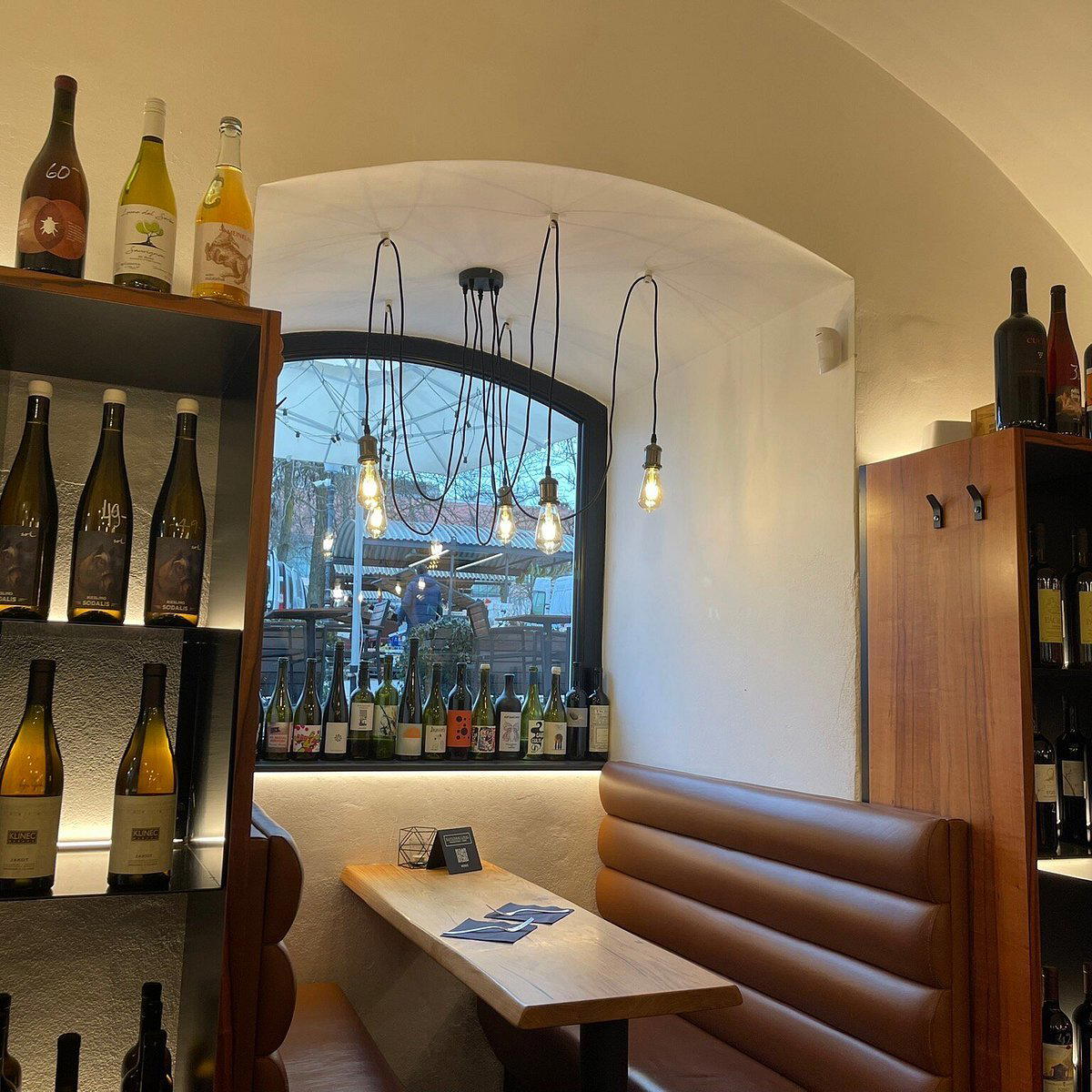
Hotels in Ljubljana
Browse all →
Wineries in Ljubljana
Browse all →
At a Glance
- Cozy
- Trendy
- Date Night
- Special Occasion
- Casual Hangout
- Terrace
- Wine Cellar
- Natural Wine
- Local Sourcing
- Organic
- Natural Wine
Current opening hours
- Monday
- Closed
- Tuesday
- Closed
- Wednesday
- 3–11 PM
- Thursday
- 3 PM–12 AM
- Friday
- 3 PM–12 AM
- Saturday
- 3 PM–12 AM
- Sunday
- 5–10 PM
Hours can change for holidays and private events. Last verified .
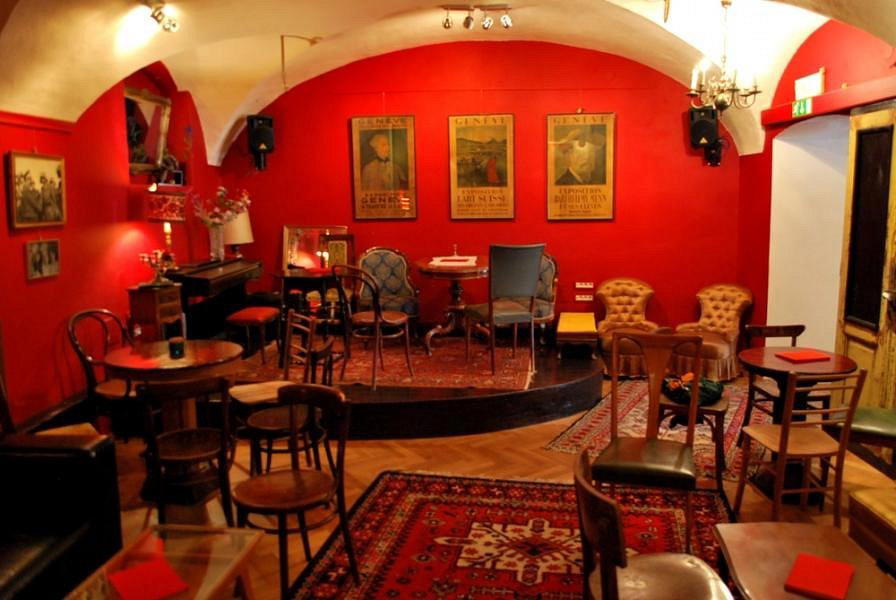
Cozy, design-focused interior with low-key vibes and a nice garden terrace, evoking a vintage 1950s café atmosphere.