ODDSEOUL on Ossington Avenue sits at the intersection of Korean flavour and Toronto's west-end casual dining culture, drawing a crowd that tracks technique as closely as atmosphere. Positioned below the city's $$$$ tasting-menu tier, it offers a point of entry into Korean-inflected cooking without the formality of a prix-fixe commitment. For Toronto diners calibrating between neighbourhood ease and kitchen ambition, it fills a specific and useful gap.
Pearl is the En Primeur Club membership app — saves, bookings, and concierge access live there. Same editors, same standards.
- Address
- 90 Ossington Ave, Toronto, ON M6J 2Z4, Canada
- Website
- oddseoul.ca
- Directions
- Get directions
 Saves & bookings on Pearl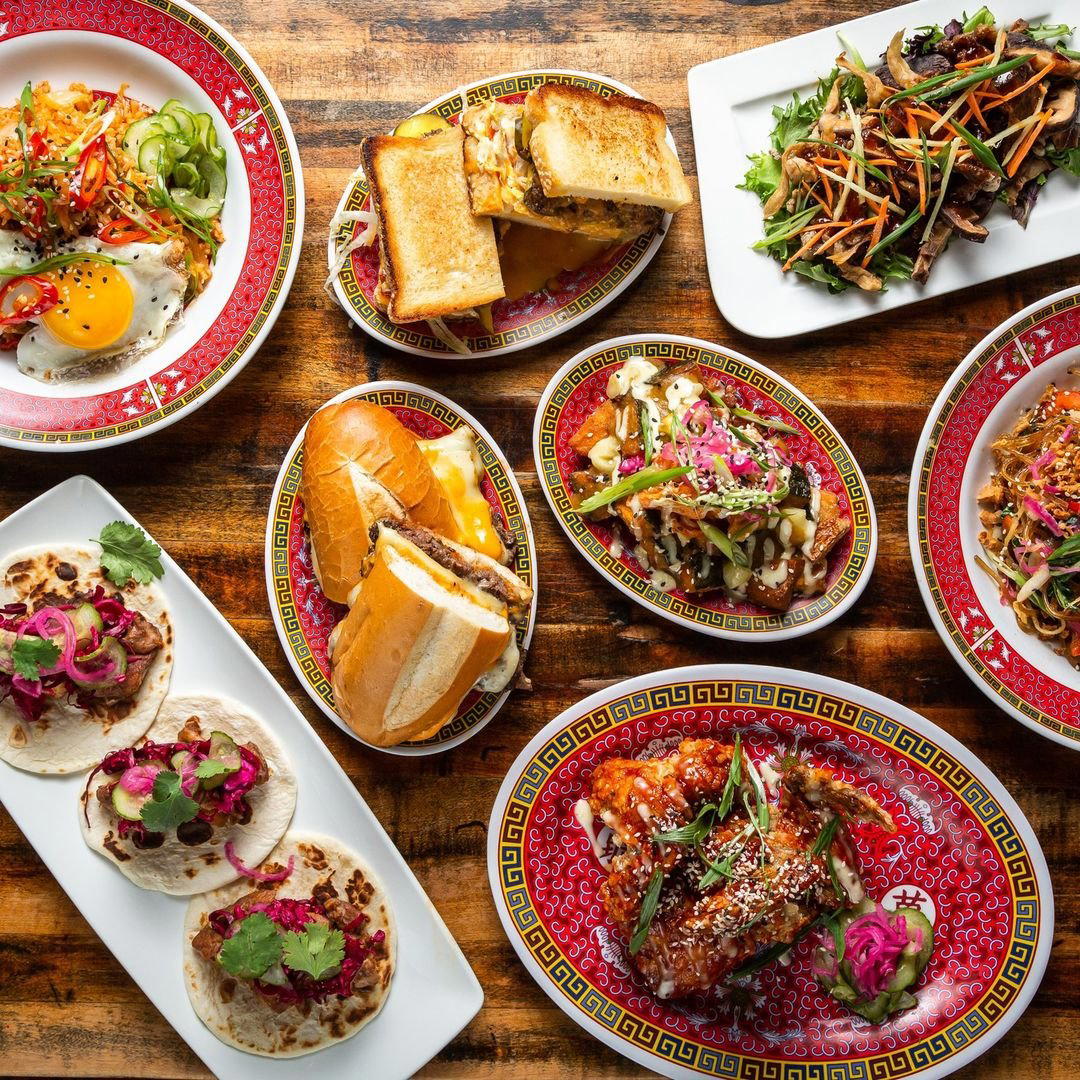
Ossington's Korean-Inflected Register
Toronto's Ossington Avenue has spent the better part of a decade sorting itself into a coherent dining identity: mid-format rooms, kitchens that take flavour seriously without demanding ceremony, and a crowd that arrives without a dress code but with real expectations. ODDSEOUL, at 90 Ossington Ave, is a product of that environment rather than an exception to it. Korean-influenced cooking in this part of the city tends to operate at the intersection of familiarity and technical ambition, and that is the register ODDSEOUL occupies.
The name signals intent plainly enough: this is Seoul filtered through an odd, particular lens, not a straight reproduction of any one Korean tradition. That framing matters in a city where Korean dining has split into distinct tiers, the banchan-and-barbecue houses further east, the tasting-menu operations that treat gochujang as a fine-dining ingredient, and the casual-creative middle ground where ODDSEOUL sits most comfortably. Toronto's west end has become the natural address for that middle category, where the kitchen can reference Korean technique without carrying the interpretive weight of a fine-dining manifesto.
A Room Built for the Neighbourhood
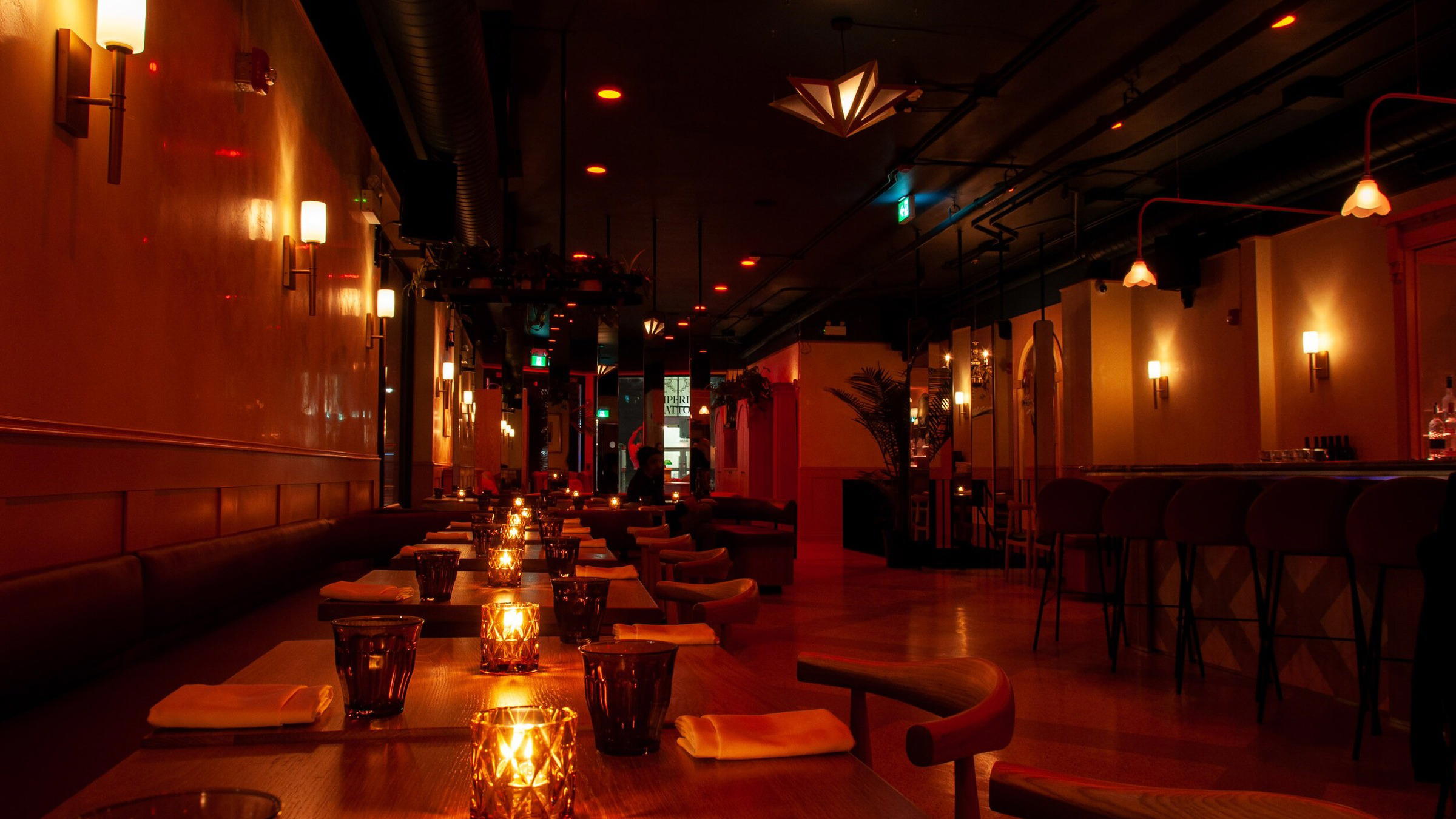
The physical approach to ODDSEOUL follows the Ossington template: a storefront scale, a room that prioritises table density over architectural statement, and an atmosphere defined more by the energy of a full house than by design-forward intervention. West-end Toronto rooms in this bracket tend to be deliberately unpretentious in their interiors while letting the kitchen do the distinguishing work. That trade-off suits a neighbourhood where diners arrive for the food and stay for the ease of the experience rather than for a curated environment.
At street level, Ossington reads as a linear sequence of exactly this kind of room, small, direct, staffed by people who know the menu and know the regulars. The front-of-house dynamic on a busy evening sets the pace: servers here typically carry enough menu knowledge to function as an informal guide through a list that rewards a few questions. That collaborative texture between kitchen and floor is what defines the better casual rooms on this strip, and it is the difference between a neighbourhood spot that coasts and one that holds a regular clientele.
The Team Dynamic in a Small Room
In rooms of this scale, the gap between kitchen ambition and floor execution is harder to hide than in larger operations. A twelve-seat tasting counter can absorb a weak link in front-of-house; a compact casual room cannot. What makes the better Ossington spots work is the integration of what the kitchen is attempting with how the floor communicates it. At ODDSEOUL, the Korean-inflected menu requires that kind of mediation, dishes that draw on fermented, pickled, and grilled Korean technique don't always arrive with obvious cultural context for a diner approaching them for the first time.
That educational function typically falls to whoever is running the floor. In Toronto's west-end casual tier, the leading rooms have moved away from rote recitation toward something closer to conversation: a server who can explain why a dish lands the way it does, or who steers a table toward a combination that works better than the one they were defaulting to. When that dynamic functions, the experience of a short, rotating menu at this price point can outperform a longer, static one at a higher bracket. The editorial argument for ODDSEOUL sits in that gap.
Compared to the city's $$$$ operators, Alo (Contemporary), Sushi Masaki Saito (Sushi, Japanese), Aburi Hana (Kaiseki, Japanese), DaNico (Italian), and Don Alfonso 1890 (Contemporary Italian, Italian), ODDSEOUL operates without the formality of prix-fixe structure or the tasting-menu commitment. That positioning makes it a different kind of decision rather than a lesser one.
Korean Cooking as Neighbourhood Currency
The broader context for Korean-influenced cooking in Toronto is worth holding in mind. The city's Korean restaurant community is concentrated in specific corridors, Bloor West's Koreatown, the North York clusters, but the technique has migrated into kitchens across every neighbourhood and price point over the past decade. That diffusion has produced a range of results: some kitchens borrow surface signifiers without the underlying knowledge; others engage seriously with fermentation, heat calibration, and the layering of savoury complexity that Korean cuisine demands at its most considered.
ODDSEOUL's position on Ossington places it in the latter conversation rather than the former. The name and the address both signal a kitchen that is engaging with Korean flavour as a primary language rather than as an accent. How that translates to specific dishes depends on what is on the menu at any given time, and the rotating or seasonal nature of casual menus at this level means the experience shifts. That variability is a feature of the format, not a deficiency. It is the trade you make when you choose a kitchen that is working with what is available and what is interesting rather than locking into a permanent signature.
For a wider map of where ODDSEOUL fits within Canadian dining more broadly, rooms from Tanière³ in Quebec City and Restaurant Pearl Morissette in Lincoln to AnnaLena in Vancouver and Eigensinn Farm in Singhampton. Further afield, rooms like Lazy Bear in San Francisco and Le Bernardin in New York City illustrate the upper registers of what collaborative, team-driven kitchen culture can produce at scale.
Other EP Club entries that round out the Canadian picture include Jérôme Ferrer - Europea in Montreal, The Pine in Creemore, Fogo Island Inn Dining Room in Joe Batt's Arm, Narval in Rimouski, Busters Barbeque in Kenora, and Cafe Brio in Victoria.
Know Before You Go
| Detail | Info |
|---|---|
| Address | 90 Ossington Ave, Toronto, ON M6J 2Z4 |
| Neighbourhood | Ossington / Trinity-Bellwoods, Toronto West End |
| Price Tier | Mid-range casual (below the city's $$$$ tasting-menu bracket) |
| Booking | |
| Leading approach | Arrive with flexibility on dishes; ask the floor for guidance |
Just the Basics
Comparable venues nearby, for context on price, style, and recognition.
| Venue | Cuisine | Price | Notes |
|---|---|---|---|
| ODDSEOULThis venue — the venue you are viewing | Not listed | $$ | Not listed |
| The Fry | Not listed | $$ | Bay Street Corridor, Korean Fried Chicken |
| Daldongnae Korean BBQ | Newtonbrook West, Authentic Korean BBQ | $$ | Not listed |
| Mildred's Temple Kitchen | Not listed | $$ | Liberty Village, American Brunch Classics |
| Aloette Go | Not listed | $$ | Liberty Village, Modern American Burgers & Fried Chicken |
| The Tempered Room | Parkdale, French Pâtisserie | $$ | Not listed |
Continue exploring
More in Toronto
Restaurants in Toronto
Browse all →

Bars in Toronto
Browse all →

Hotels in Toronto
Browse all →
Wineries in Toronto
Browse all →
At a Glance
- Trendy
- Lively
- Casual Hangout
- Late Night
- Group Dining
- Open Kitchen
- Craft Cocktails
Current opening hours
- Monday
- 6 PM–1 AM
- Tuesday
- Closed
- Wednesday
- 6 PM–1 AM
- Thursday
- 6 PM–1 AM
- Friday
- 6 PM–2 AM
- Saturday
- 6 PM–2 AM
- Sunday
- 6 PM–1 AM
Hours can change for holidays and private events. Last verified .
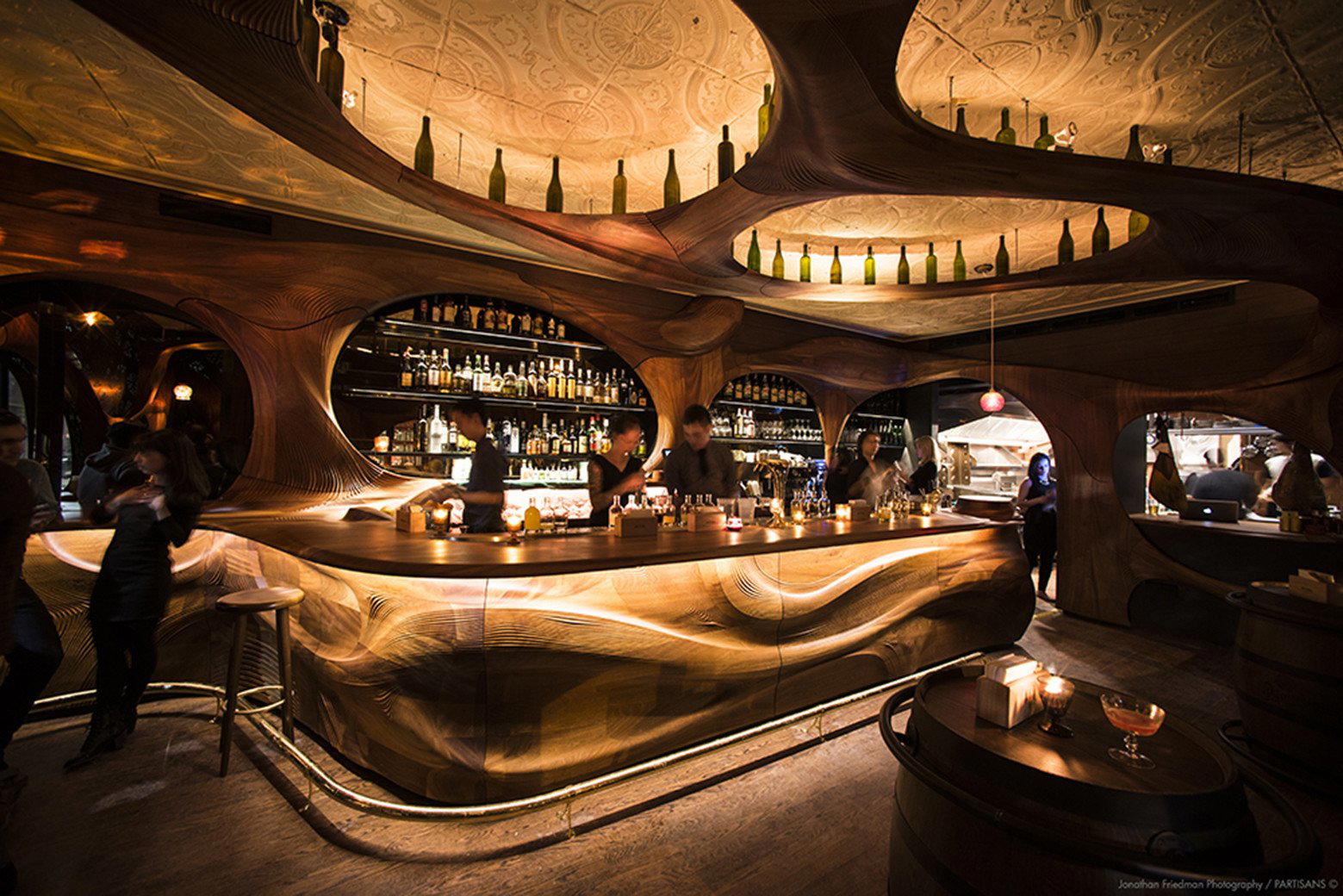
Small, cozy, and dark with hipster energy that gets louder as the night progresses with music and drinks.