
Numa no Ie brings Hokkaido’s wagashi culture into a low-key café and take-out setting near Onuma Koen, outside central Sapporo’s restaurant orbit. Its Tabelog 100 selection for Japanese traditional sweets and sweets-café categories gives it a stronger editorial signal than its modest format suggests, especially for travellers tracing regional food beyond ramen, curry, and seafood counters.
Pearl is the En Primeur Club membership app — saves, bookings, and concierge access live there. Same editors, same standards.
- Address
- 北海道亀田郡七飯町字大沼町145
- Phone
- +81138672104
- Website
- tabelog.com
 Saves & bookings on Pearl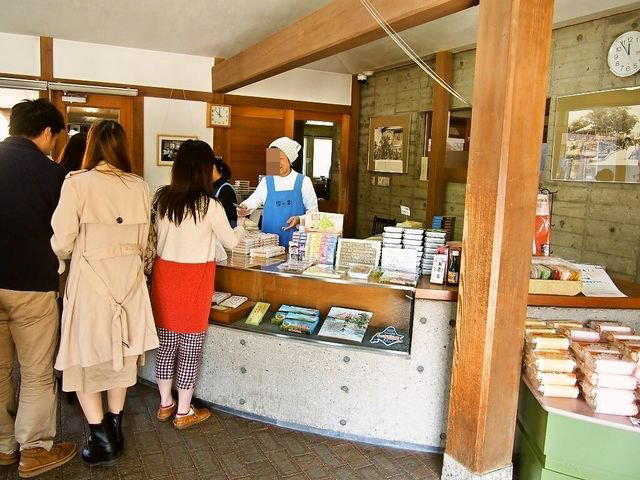
Approaching a Japanese sweets café in southern Hokkaido changes the tempo of eating. The room leads: family-friendly seating, an open terrace when weather allows, and take-out tied to station traffic rather than long-form dining. Numa no Ie is the kind of Hokkaido food stop where architecture and format do the editorial work. It is not a white-tablecloth destination, which is the point. The setting shows how wagashi functions here: quick enough for a rail-side stop, settled enough for tea, and priced far below the ceremony attached to many famous Japanese sweets houses.
That matters in Sapporo planning, where Hokkaido dining is often reduced to miso ramen, soup curry, and seafood. Those anchors are legitimate, but they flatten the region’s quieter sweets traditions. Numa no Ie extends the map beyond central Sapporo into Onuma Koen, where Japanese traditional sweets and café culture sit closer to local excursion habits than urban tasting-menu dining. For a broader city view, Our full Sapporo restaurants guide frames the larger dining field, while Our full Sapporo hotels guide, Our full Sapporo bars guide, Our full Sapporo wineries guide, and Our full Sapporo experiences guide help separate urban nights from regional day trips.
A sweets café where the room keeps the pace casual
Wagashi is often discussed through seasonality, craft, and ceremony, but setting can be just as revealing. At the luxury end, sweets fold into kaiseki, tea rooms, or high-design retail. Here, the cues are practical: spacious seating, an open terrace, non-smoking service, children welcome, and take-out available. Those details place the experience closer to everyday regional eating than hushed connoisseurship. The useful comparison is not a Sapporo sushi counter or multi-course restaurant, but places that make sweets legible to families, railway travellers, and visitors moving through a scenic district.
The award signal gives the format weight. Numa no Ie was selected for Tabelog 100 in the Japanese traditional sweets / Japanese sweets café EAST category in 2023, and its listed history includes Tabelog Sweets EAST recognition in 2019. Tabelog’s Hyakumeiten lists are not Michelin-style starred systems; they work more like category maps of heavily followed Japanese dining genres. For a modest sweets café, that recognition suggests the appeal is not just convenient location or local nostalgia. It places the shop in a national conversation about wagashi and sweets cafés, while the experience remains casual.
Design here is not spectacle, but friction reduction. The open terrace and roomier seating make traditional sweets less opaque to visitors. Take-out adds a second mode, useful when the itinerary is built around walking, rail connections, or weather. That dual format is common in regional Japan: eat in if the room suits the moment, carry away if the day has other plans. The café’s low spend category reinforces the informality without diminishing the craft category it represents.
Where it sits in the Hokkaido food map
Sapporo’s restaurant identity is louder: ramen shops, curry specialists, izakaya seafood, and winter drinking rooms carry much visitor attention. The internal range is wide. 175°DENO Tantanmen Sapporo kitaguchi ten sits in the noodle lane; [Curry Senmon Ten] Maruyama Kyoju., Ajanta Indo Curry Ten, and Ajanta Sohonke point to curry culture; Aigues Vives shows how Hokkaido bakery and café life can support serious detours. A wagashi café near Onuma Koen belongs to a quieter branch of the same regional argument: Hokkaido is not only rich broths and dairy-forward desserts, but also Japanese sweets that fit into travel days rather than formal evenings.
The comparison venues outside the metro underline it. Shunsai Shungyo Tajima, listed at JPY 4,000 to JPY 4,999, occupies a different dining bracket. RAMEN ROOM 18 and Ajisai Honten, both JPY 1,000 to JPY 1,999, remain inexpensive but meal-oriented. Numa no Ie sits below even that, in a sweets-and-café price band. It is less a lunch substitute than a tactical stop: a regional marker between meals, or a gentler counterpoint to the salt, spice, and fat that dominate many Hokkaido eating itineraries.
For Japan-wide food routes, the distinction matters. A Hokkaido sweets café should not be measured against a beef sukiyaki specialist such as -Grilled beef Sukiyaki- KAMAKURA TANUKIAN 鎌倉 たぬき庵 in Kamakura, a Tokyo charcoal-and-tuna address like. 鮪と炭火焼き うお炭 秋葉原店 in Tokyo, or a café stop such as.cafe in Osaka. It answers a narrower question: where does the regional sweets tradition appear in a setting ordinary travellers can use without turning the day around it?
The practical reading: go for category clarity, not ceremony
The smarter reading is format discipline. Reservations are listed as available, but the café also offers take-out and a casual room, so it does not belong to the hard-reservation tier that defines many premium Japan itineraries. The stronger planning logic is timing and purpose. Treat it as a sweets-focused pause around an Onuma Koen excursion, not the anchor meal of a Sapporo day.
There is editorial value in that modesty. Japan’s food culture is full of small-format specialists whose importance is easier to miss than a chef-counter restaurant with a high dinner bill. Numa no Ie has the recognition to justify attention, spatial cues that make it accessible, and category focus that teaches something specific about Hokkaido beyond familiar bowls and grills. It suits travellers who care how regional food fits into a day: station, terrace, family table, take-out bag, then onward.
Seen alongside other EP Club restaurant references, from.know in Kumamoto and (Shoku) Vietnam in Kawasaki to [ki:] in Kyoto, Jōdo Saké Bar in Los Angeles, and Onigiri Time in Pasadena, its role is clear. Not every serious food stop announces itself through expense or ceremony. Some do it through a focused category, a room that sets the right pace, and a credible award signal saying the small stop belongs in a larger itinerary.
Comparable Spots
Comparable venues by cuisine and category.
| Venue | Cuisine | Price | Notes |
|---|---|---|---|
| Numa no IeThis venue — the venue you are viewing | Japanese Traditional Sweets | $ | |
| Date Okina | Traditional Japanese soba house | $ | Sapporo |
| Ajanta Indo Curry Ten | Japanese-Indian Curry / Soup Curry | $ | Chūō |
| Saera | Japanese kissaten & sandwich shop | $ | Chūō |
| Ramen Yamasawa | Ramen & Tsukemen Shop | $ | Shiroishi |
| Sapporo Bon no Kaze | Classic Sapporo Ramen Shop | $ | Chūō |
At a Glance
- Classic
- Cozy
- Hidden Gem
- Family
- Casual Hangout
- Group Dining
- Standalone
- Terrace
Casual, small-scale sweet shop atmosphere with spacious seating and an open terrace, suited to a relaxed stop rather than a formal sit-down meal.