Nue
Our verdict
On Capitol Hill's 14th Avenue, Nue operates in the tier of Seattle restaurants where sourcing decisions and ethical supply chains carry as much weight as the cooking itself. The address places it within the neighbourhood's dense concentration of independent, chef-driven rooms, and the format rewards guests who book ahead and arrive with curiosity about where their food comes from.

Pearl is the En Primeur Club membership app — saves, bookings, and concierge access live there. Same editors, same standards.
- Address
- 1519 14th Ave, Seattle, WA 98122
- Phone
- (206) 257-0312
- Hours
- Mon 11 AM–9 PMTue–Thu 5–9 PMFri 11 AM–10 PMSat 10 AM–10 PMSun 10 AM–9 PM
- Website
- nueseattle.com
- Directions
- Get directions
- Booking
- Book on the venue's website
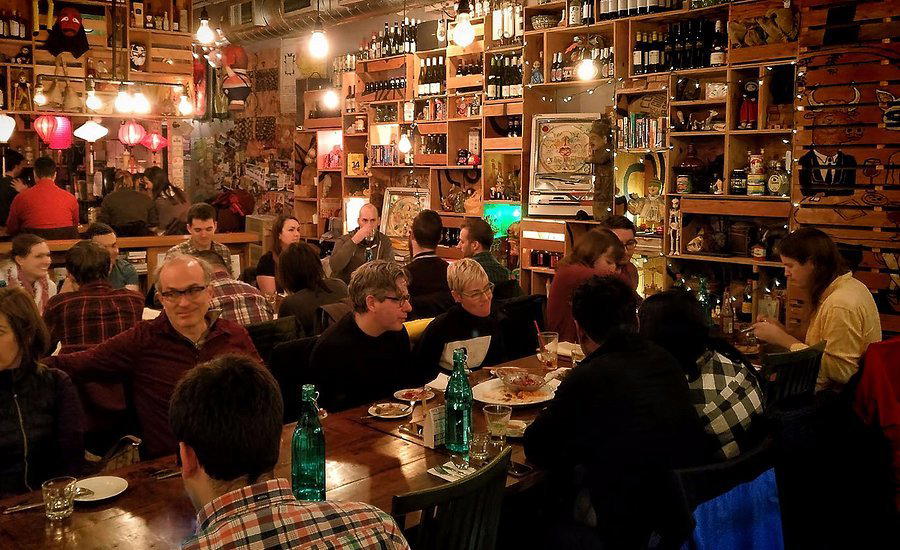
The menu
What to order
- South African Bunny Chow
- Chengdu Spicy Chicken Wings
- Brazilian Acarajé
Capitol Hill and the Ethics of the Plate
Seattle's Capitol Hill has spent the last decade consolidating a reputation as the city's most intellectually engaged dining corridor. Where other neighbourhoods attract operators chasing volume, 14th Avenue and its surrounding blocks have become a proving ground for restaurants that treat sourcing, waste, and supply-chain transparency as genuine creative constraints rather than marketing footnotes. Nue, at 1519 14th Ave, sits inside that tradition. It is a neighbourhood where diners tend to have opinions, and restaurants tend to answer for them.
The broader shift that gives context to a place like Nue is national in scope. Over the past fifteen years, the American fine-dining conversation has moved away from luxury-for-luxury's-sake toward a mode of cooking that asks where the ingredient came from, how it was raised or grown, and what happens to what is left over. Blue Hill at Stone Barns in Tarrytown made that argument at the highest credential level. Single Thread Farm in Healdsburg brought it to California wine-country luxury. In Seattle, the same argument is being made at the neighbourhood scale, in smaller rooms with fewer resources and, often, more visible commitment to the principles they espouse.
What the Room Signals Before You Order
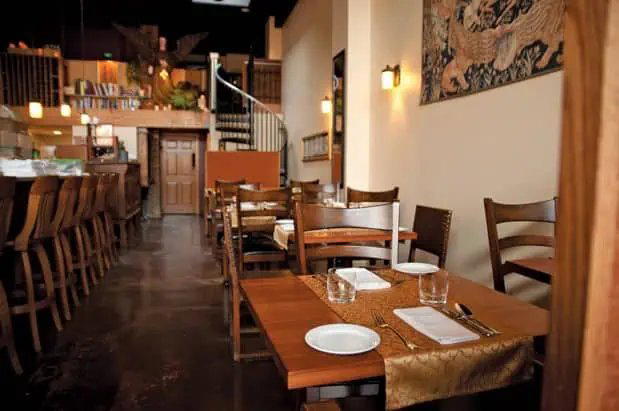
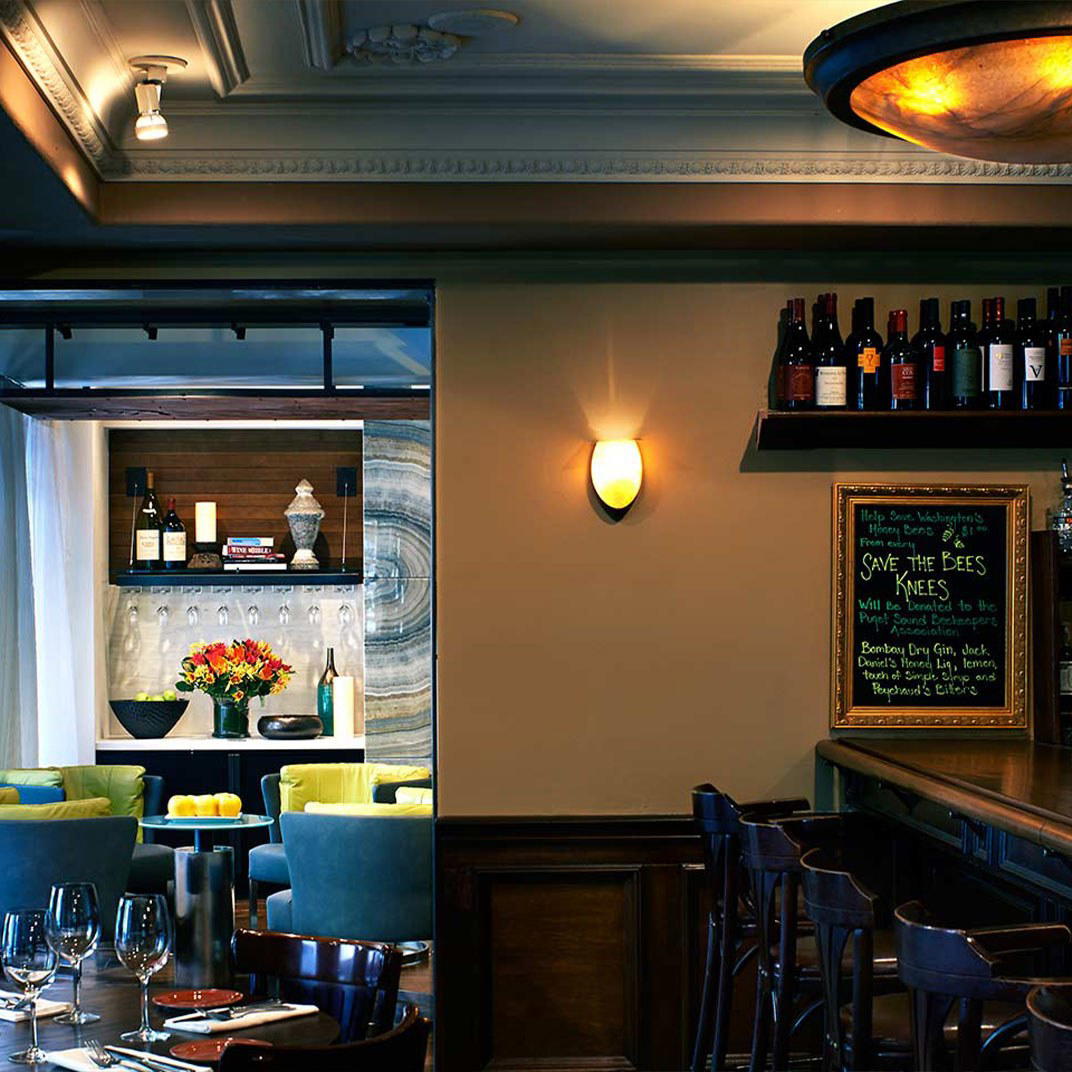
Capitol Hill restaurant spaces tend toward restraint: stripped-back materials, deliberate lighting, and a floor plan that prioritises tables over theatre. These are not coincidental design choices. In a neighbourhood with a dense independent-dining ecosystem, physical opulence reads as misaligned with the values that bring guests through the door. The atmosphere at addresses like this one is closer to a serious wine bar in Lyon than to the polished formality of, say, Canlis on Queen Anne Hill. The room is meant to recede so that the food and its provenance can occupy the foreground.
That contrast with Canlis is worth holding in mind, because it maps a real divide in Seattle's upper-middle dining tier. Canlis carries the weight of decades of New American tradition and a view of Lake Union that functions as a second menu. The Capitol Hill cohort, by contrast, earns its standing through density of idea rather than grandeur of setting. Joule, operating in the New Asian register, is another example of that posture: the food does the conceptual work, and the room doesn't compete with it.
The Sustainability Argument in Practice
Ethical sourcing in restaurant contexts is easy to claim and difficult to operationalise. The version that carries credibility is granular: named farms, documented relationships with regional purveyors, menus that change because supply dictates them rather than because a marketing calendar demands seasonal rotation. Across the restaurants that have made this argument seriously in the Pacific Northwest, the common thread is a willingness to let scarcity shape the menu in real time. A kitchen that sources responsibly will occasionally run out of things, will occasionally serve something unfamiliar, and will occasionally ask guests to trust a decision they haven't been given full advance notice of.
That posture connects Nue to a wider national conversation about what it means to cook with environmental accountability. Lazy Bear in San Francisco has operated within a similar framework of producer-first cooking at a communal-table format. Providence in Los Angeles has made a sustained, documented commitment to sustainable seafood that goes beyond certification to active supply-chain work. At the Pacific Northwest scale, where the regional larder — salmon, Dungeness crab, foraged mushrooms, Walla Walla onions, stone fruit from the eastern slope of the Cascades — is exceptional, the argument for ethical sourcing is also an argument for cooking what is already exceptional about the place.
The restaurants in Seattle's independent tier that take this argument seriously tend to cluster on the east side of Capitol Hill and in adjacent neighbourhoods. 1415 1st Ave, 1744 NW Market St, and 2963 4th Ave S represent different neighbourhood nodes in a city that has built an independent dining culture capable of sustaining a genuine conversation about food ethics without the scaffold of a Michelin guide to validate it.
How Nue Sits in the National Picture
The restaurants that have received the most sustained critical attention for sustainability-driven cooking in the United States tend to have one thing in common: they treated the sourcing argument as a cooking argument, not a communications one. Alinea in Chicago operates at a completely different register. It is about technical precision and sensory experimentation, but even there, the kitchen's relationship with seasonal supply shapes the menu in ways that are legible to guests who pay attention. The French Laundry in Napa has a kitchen garden that functions as a sourcing laboratory. Addison in San Diego has made California's agricultural diversity a structural feature of its tasting menu.
Seattle has not historically produced the credential density of those rooms. It does not yet have a Michelin-starred restaurant on 14th Avenue. What it has, in the Capitol Hill cohort, is a collection of independent operators making the sourcing argument without the credentialing apparatus, and in some cases making it more consistently because they are answerable to a neighbourhood rather than to a national award cycle. For a fuller map of where Nue sits in the city's dining picture, the full Seattle restaurants guide places it in context alongside the city's other serious independent rooms.
For comparison points outside Seattle: Le Bernardin in New York City has made sustainable seafood sourcing a long-term institutional commitment. Atomix in New York City has brought a similar level of sourcing rigour to its Korean tasting menu format. The Inn at Little Washington has sustained a producer relationship model across decades. Emeril's in New Orleans made regional sourcing a centrepiece of its identity at a scale that gave the argument mainstream reach. 8 1/2 Otto e Mezzo Bombana in Hong Kong demonstrates that the conversation about ethical sourcing now crosses culinary traditions and geographies, rather than belonging to any one national movement.
Know Before You Go
| Address | 1519 14th Ave, Seattle, WA 98122 |
|---|---|
| Neighbourhood | Capitol Hill |
| Booking |
How Nue Seattle compares with similar nearby venues.
| Venue | Cuisine | Price | Awards |
|---|---|---|---|
| NueThis venue — the venue you are viewing | Global Street Food | $20–30 | Not listed |
| Spinasse | Piedmontese Northern Italian | $50–100 | Wine Spectator Award of Excellence |
| Kedai Makan Capitol Hill | Malaysian Street Food | $20–30 | Not listed |
| Ramen Danbo | Fukuoka-style Hakata Tonkotsu Ramen | $10–20 | Not listed |
| Momiji | Japanese Sushi and Omakase | $30–50 | Not listed |
| Roma Roma | Roman-Style Pizza al Taglio | $20–30 | Not listed |
Continue exploring
More in Seattle
Restaurants in Seattle
Browse all →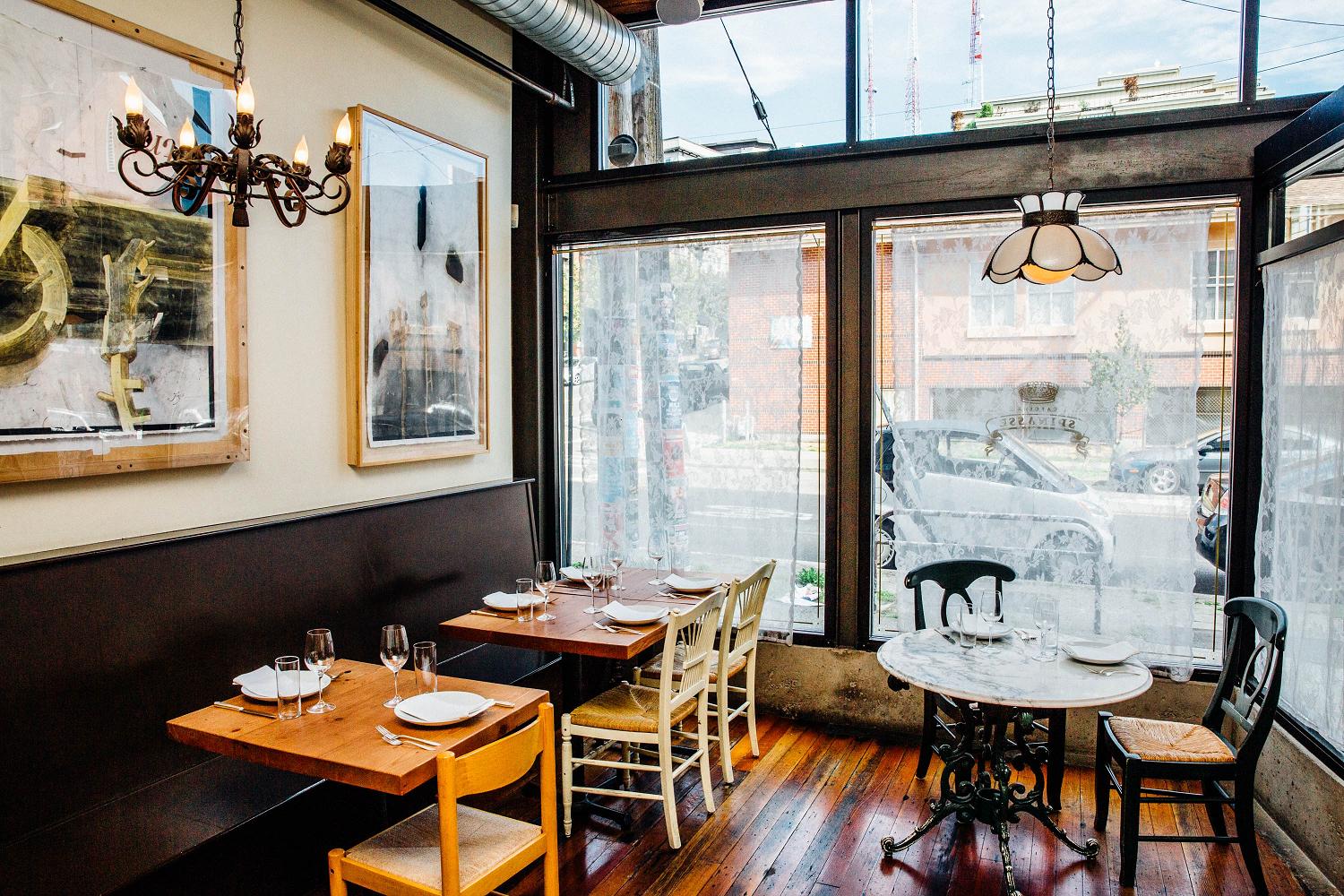
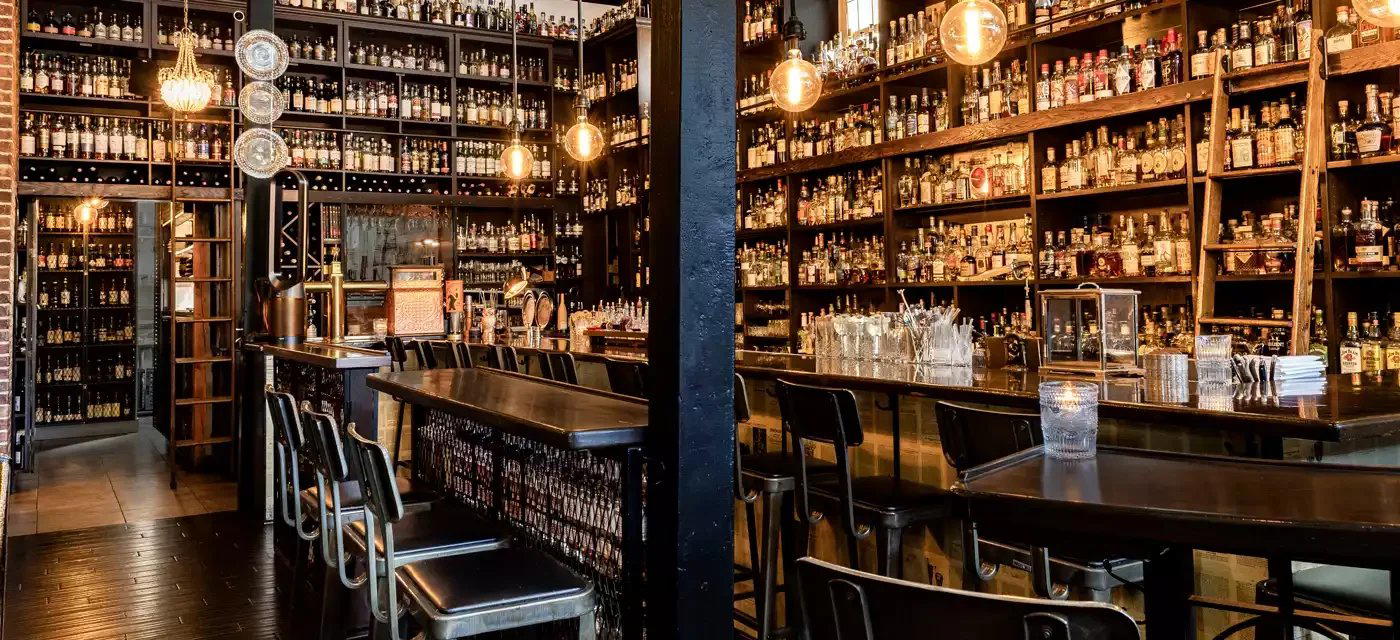
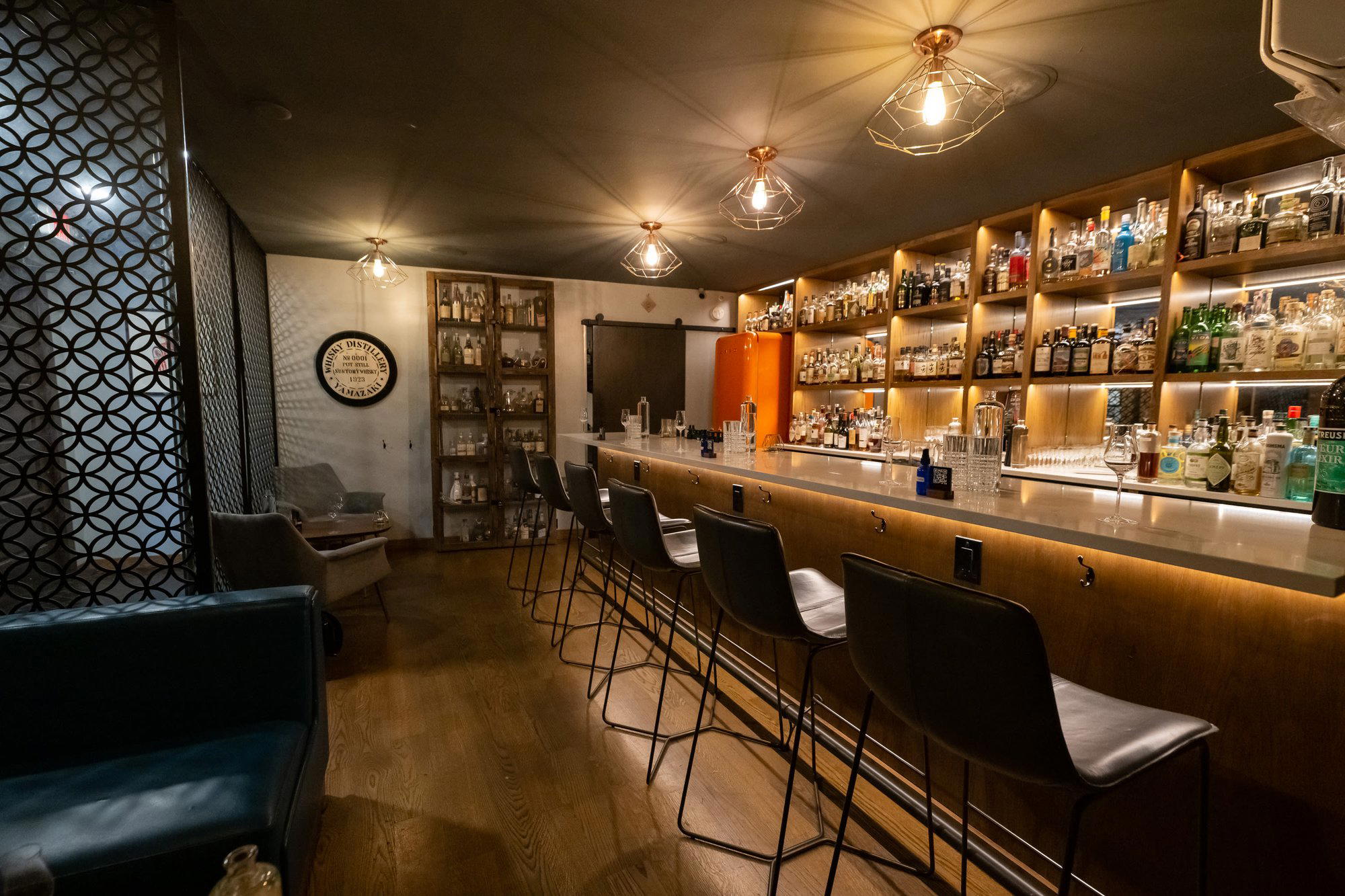
Bars in Seattle
Browse all →
Hotels in Seattle
Browse all →

Details
- Trendy
- Lively
- Modern
- Brunch
- Group Dining
- Casual Hangout
- Open Kitchen
- Craft Cocktails
- Local Sourcing
- Small Plates
- A La Carte
- Craft Cocktails
- Vegetarian Friendly
- Vegan Options
Current opening hours
- Monday
- 11 AM–9 PM
- Tuesday
- 5–9 PM
- Wednesday
- 5–9 PM
- Thursday
- 5–9 PM
- Friday
- 11 AM–10 PM
- Saturday
- 10 AM–10 PM
- Sunday
- 10 AM–9 PM
Hours can change for holidays and private events. Last verified .
Casual and welcoming with an eclectic, modern vibe celebrating diverse global flavors through bold street food presentations.