On Rue de Bourgogne in Paris's 7th arrondissement, Nubar occupies a quietly serious address in one of the city's most composed dining neighbourhoods. The street sits at the edge of the Faubourg Saint-Germain, where political Paris and gastronomic Paris have long overlapped. Specific menu and booking details are best confirmed directly with the venue.
Pearl is the En Primeur Club membership app — saves, bookings, and concierge access live there. Same editors, same standards.
- Address
- 34 Rue de Bourgogne, 75007 Paris, France
- Phone
- +33950584291
- Website
- nubar.fr
- Directions
- Get directions
 Saves & bookings on Pearl
A Street That Sets the Register
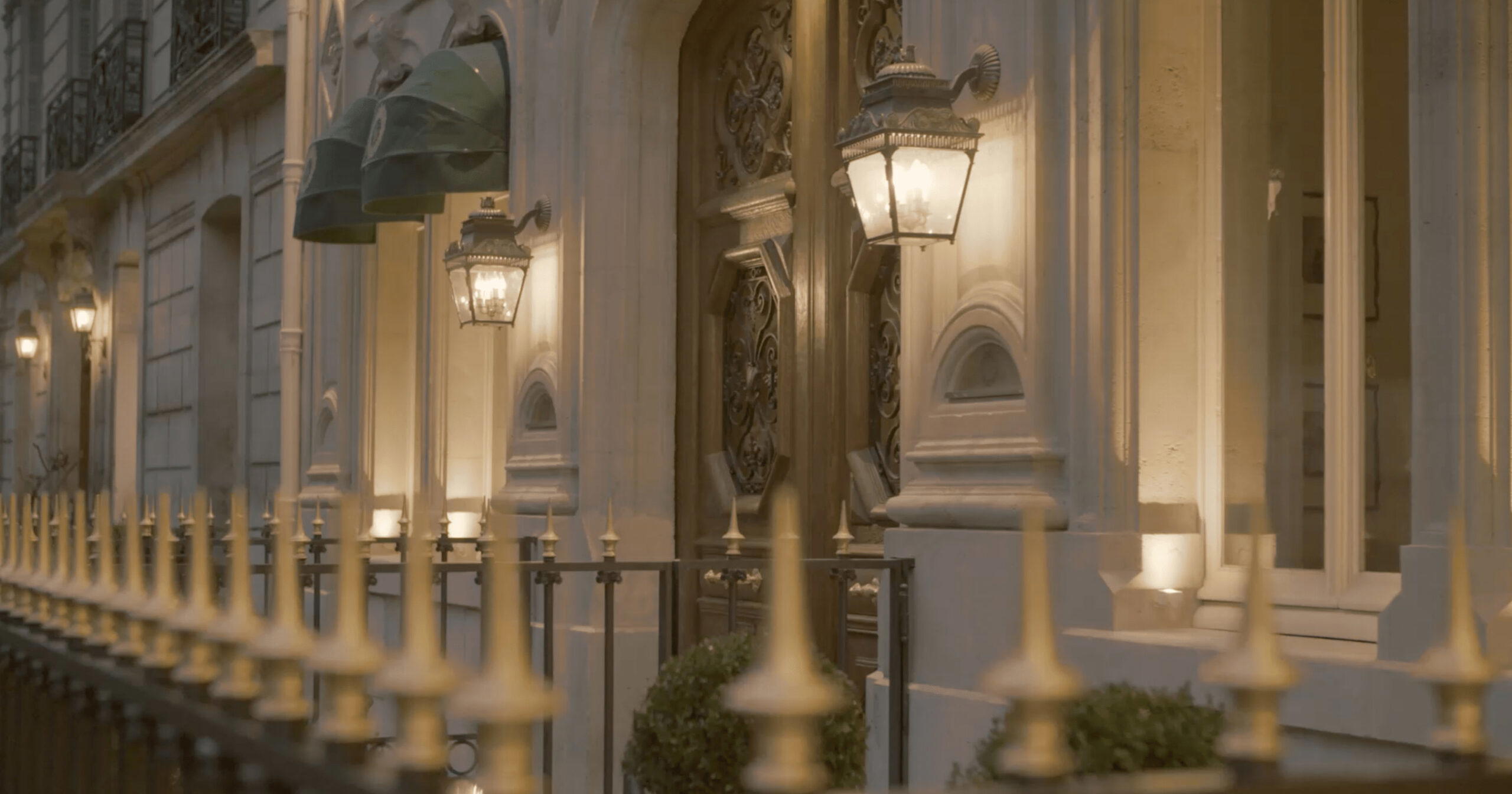
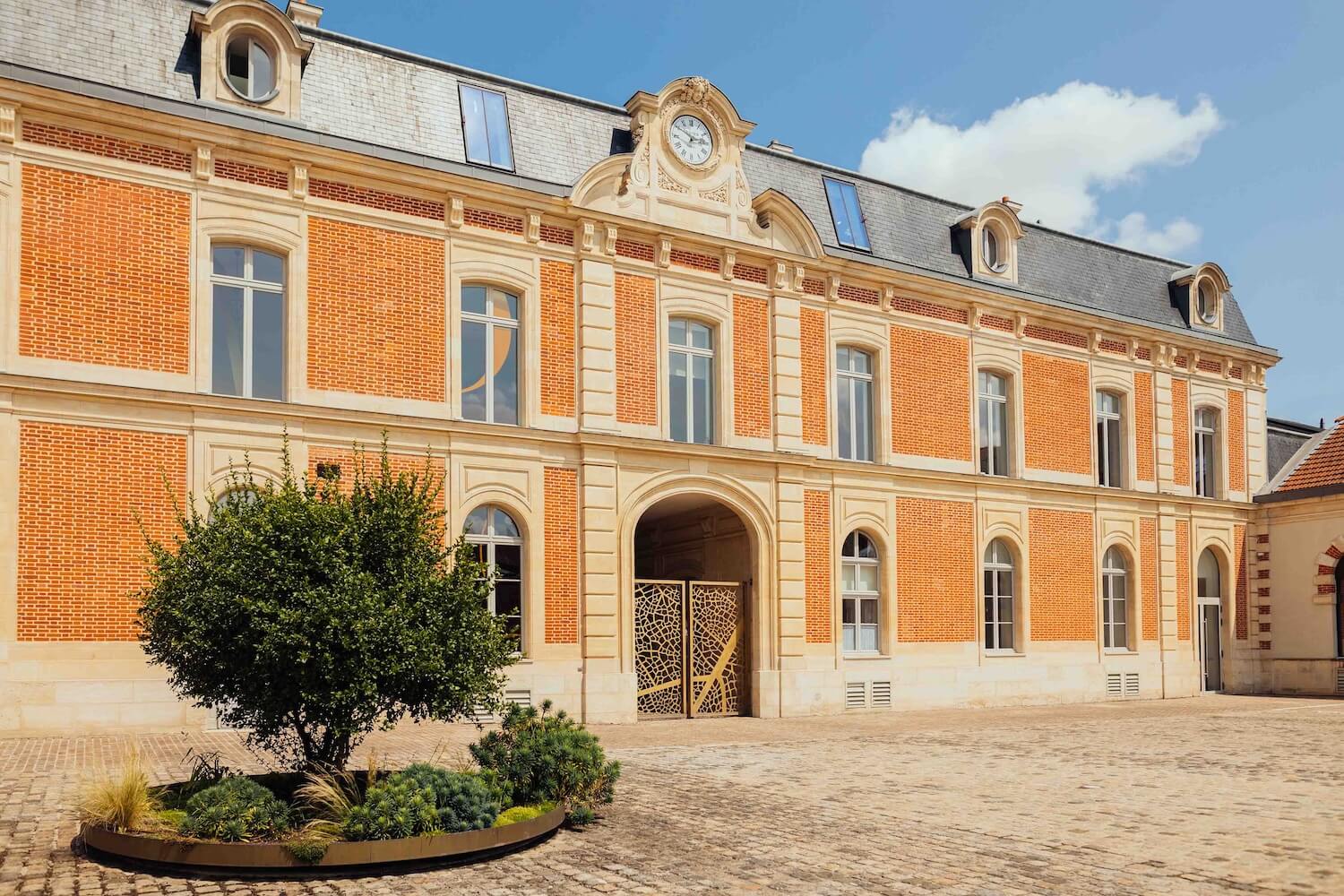
Rue de Bourgogne runs through the 7th arrondissement with the kind of low-key authority that characterises the best of Left Bank Paris. The street is close enough to the Assemblée Nationale to attract a lunch crowd that treats discretion as a professional requirement, and far enough from the tourist corridors of Saint-Germain-des-Prés to maintain a pace that rewards rather than pressures the diner. Nubar sits at number 34 on this street, and that address alone positions it within a very specific register of Parisian dining: rooms where the conversation matters as much as the plate, and where the room itself is designed to enable rather than overwhelm.
This corner of the 7th has historically supported a dining culture built around regulars rather than destination visitors. The neighbourhood's restaurants have tended toward classical French structure, reliable cellars, and interiors that age gracefully rather than chase trends. That context matters when reading any venue on Rue de Bourgogne. The physical environment here is not incidental — it is the argument.
The 7th Arrondissement as Architectural Context
Paris's 7th is a neighbourhood of 18th and 19th-century stone buildings, high ceilings, and a civic seriousness that bleeds into its dining rooms. The arrondissement contains some of France's most architecturally disciplined interiors, and the restaurants that have endured here have typically understood that the room must do sustained work — not just on opening night, but across decades of repeat visits from a clientele that notices when things change and when they don't.
The broader dining pattern in this part of Paris runs from the formal grandeur of places like Arpège, which has held three Michelin stars for decades on nearby Rue de Varenne, through to more neighbourhood-pitched addresses where the ambition is relational rather than spectacular. L'Ambroisie, on the Place des Vosges across the river, represents the apex of this particular sensibility in French dining: rooms of serious beauty, food of equal seriousness, and an almost total absence of self-promotion. The 7th breeds a similar instinct.
In that context, the physical container of a restaurant on Rue de Bourgogne carries more interpretive weight than it might elsewhere in the city. A room here either aligns with the neighbourhood's architectural confidence or it works against it. There is very little middle ground.
Design Logic in This Part of Paris
The premium dining rooms of the 7th arrondissement have generally resisted the maximalist renovation cycles that periodically sweep through more high-profile addresses. Where venues in the 8th, like Le Cinq at the Four Seasons George V, operate within the logic of grand hotel grandeur, the 7th's better rooms tend toward restraint. Seating arrangements in this neighbourhood typically favour space between tables, a practical acknowledgment of who is eating and what they may be discussing.
That spatial grammar extends to acoustics and light. The rooms that have survived longest in this arrondissement are those that manage noise levels without resorting to soft furnishings that feel anachronistic, and that handle natural light in ways that work across a full lunch and into the early evening. These are not accidental design decisions. They reflect a coherent understanding of what the room is being asked to do over the course of a service.
Across France, the restaurants that have maintained the longest institutional relevance, Auberge de l'Ill in Illhaeusern, Paul Bocuse's Auberge du Pont de Collonges, Troisgros in Ouches, have done so in part because their physical environments were designed with a long time horizon in mind. The room was never a temporary installation. It was a permanent proposition.
Positioning Within the Paris Premium Tier
Paris's premium dining market currently splits between a handful of highly visible creative addresses, Alléno Paris au Pavillon Ledoyen, Kei, and a larger body of classically oriented rooms where the proposition is consistency and environment rather than novelty. Nubar's address places it in the second category by default: Rue de Bourgogne is not a street where theatrical reinvention reads as credible. The neighbourhood selects for a different kind of ambition.
That distinction matters practically. Diners choosing between the two modes in Paris are making a decision about what they want the room to be doing while they eat. The creative-destination tier, which includes internationally recognised addresses like Mirazur in Menton or AM par Alexandre Mazzia in Marseille, requires a different kind of attentiveness from the diner. The neighbourhood-serious tier, which the 7th arrondissement exemplifies, allows for a different quality of presence at the table.
For international visitors already familiar with the top end of French dining, the 7th's better rooms often read as a corrective to the spectacle of the more celebrated addresses. The equivalent in a different register would be choosing Bras in Laguiole over a Paris three-star: the logic is the location and what the environment asks of you, not the star count.
For a broader view of where Nubar sits within the city's full dining range, the EP Club Paris restaurants guide maps the relevant tier comparisons in detail.
Planning Your Visit
Rue de Bourgogne is most accessible from the Assemblée Nationale or Varenne metro stations, both on Line 13. The street sits roughly equidistant between these two stops, and the walk from either takes under five minutes. The neighbourhood is well served by restaurants at multiple price points for pre- or post-dinner options, including several wine bars on adjacent streets that make early-evening planning direct.
For a reference point on what the 7th arrondissement's dining tier typically requires in terms of advance planning: the neighbourhood's more formal rooms often book two to four weeks ahead for weekend services, though that window can extend during the spring and autumn Paris social calendar. Addresses at the level of Assiette Champenoise in Reims or Auberge du Vieux Puits in Fontjoncouse require considerably more lead time, but a Rue de Bourgogne address sits at a different point on that spectrum.
Quick reference: Nubar, 34 Rue de Bourgogne, 75007 Paris.
How Nubar Paris compares with similar nearby venues.
| Venue | Cuisine | Price |
|---|---|---|
| Garance | Modern French | Not listed |
| Café des Ministères | Bistro, Traditional Cuisine | €€ |
Continue exploring
More in Paris
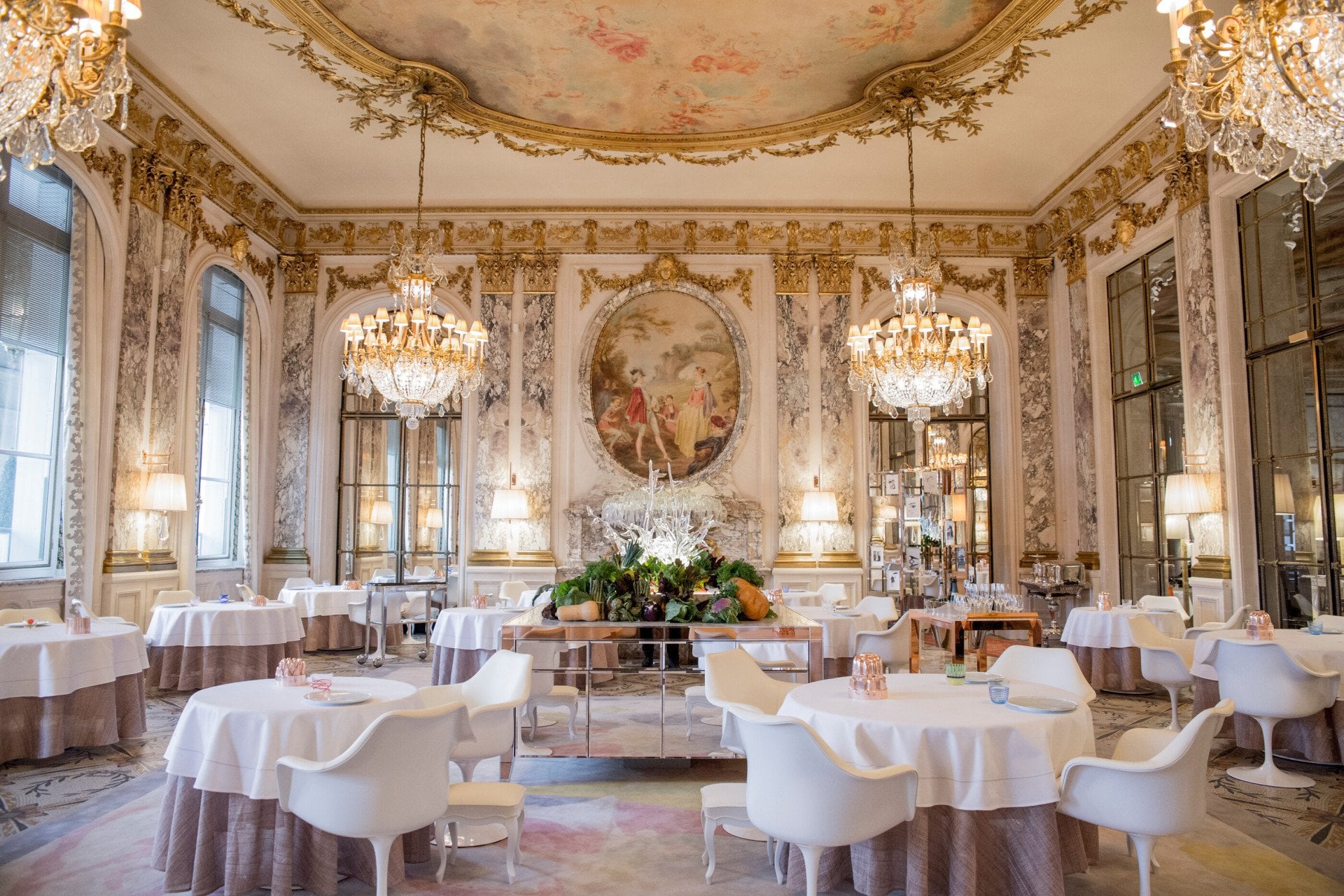
Restaurants in Paris
Browse all →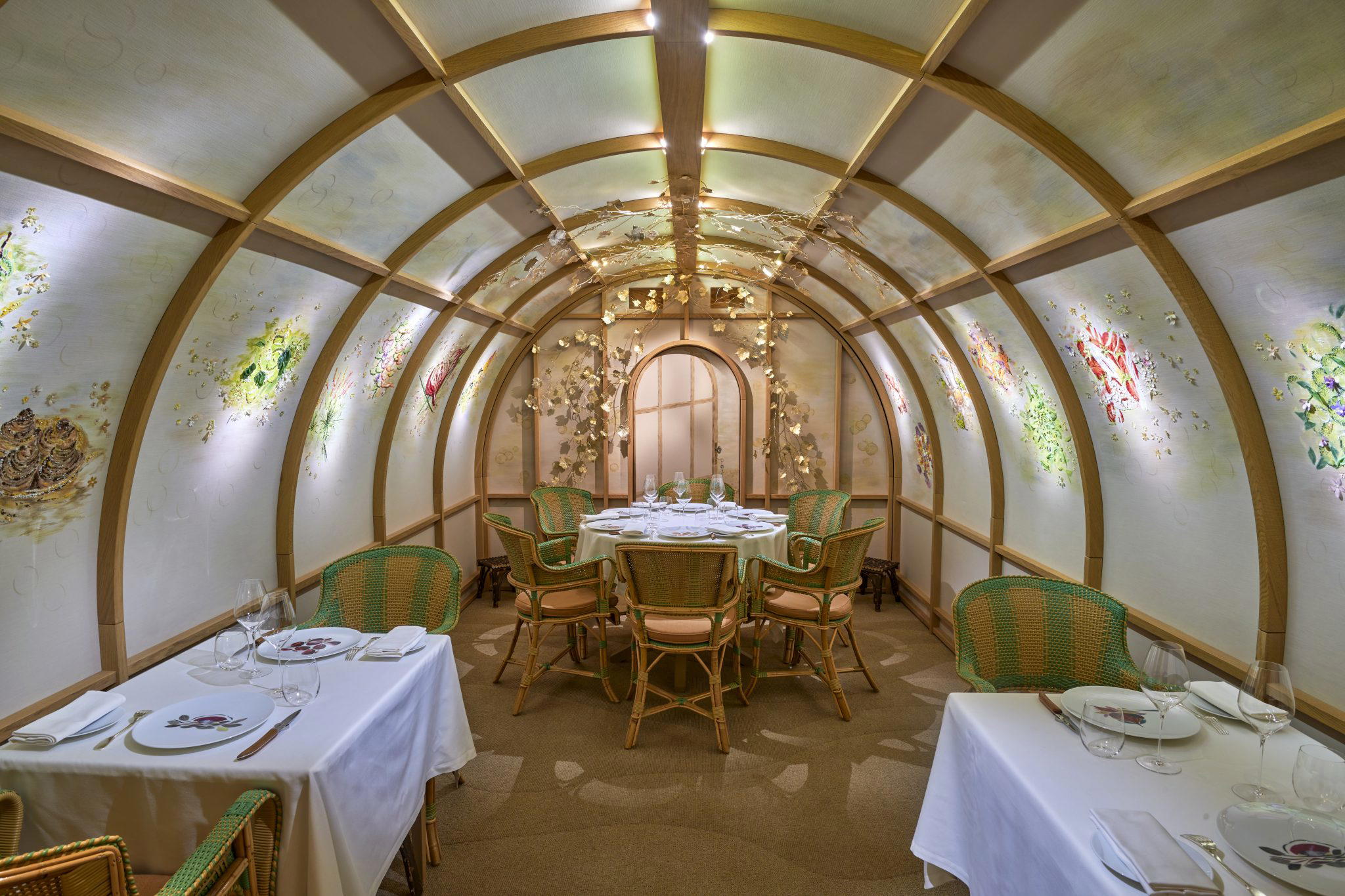
Bars in Paris
Browse all →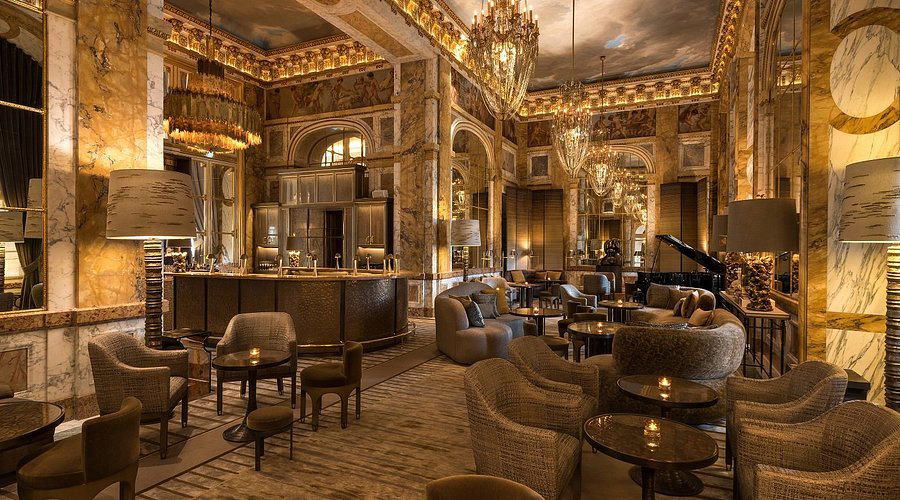
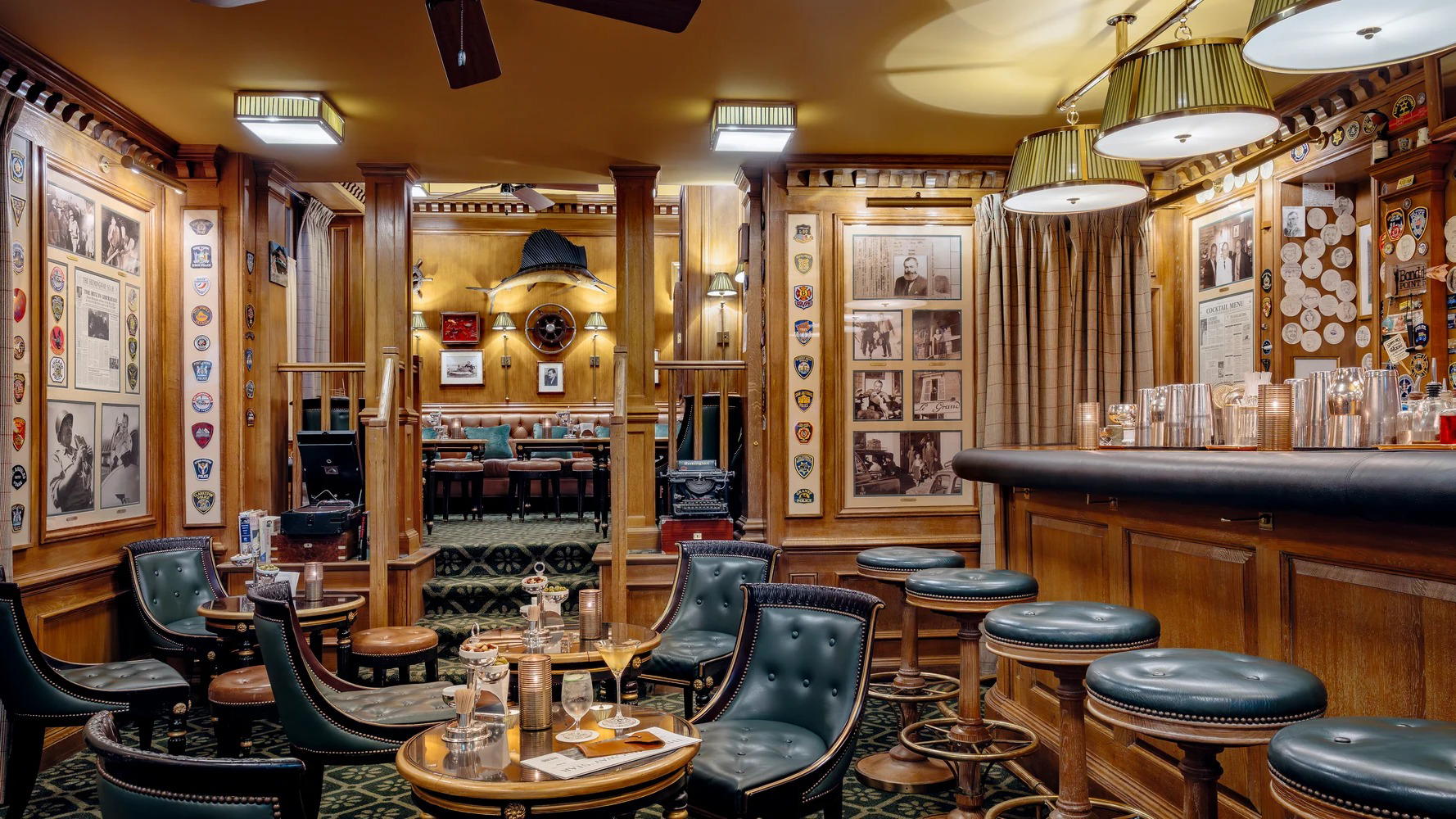
Hotels in Paris
Browse all →



At a Glance
- Elegant
- Sophisticated
- Date Night
- Business Dinner
- Group Dining
- Private Dining
Current opening hours
- Monday
- 11:45 AM–2:30 PM, 6:45–10 PM
- Tuesday
- 11:45 AM–2:30 PM, 6:45–10 PM
- Wednesday
- 11:45 AM–2:30 PM, 6:45–10 PM
- Thursday
- 11:45 AM–2:30 PM, 6:45–10 PM
- Friday
- 11:45 AM–2:30 PM, 6:45–10 PM
- Saturday
- 11:45 AM–2:30 PM, 6:45–10 PM
- Sunday
- Closed
Hours can change for holidays and private events. Last verified .
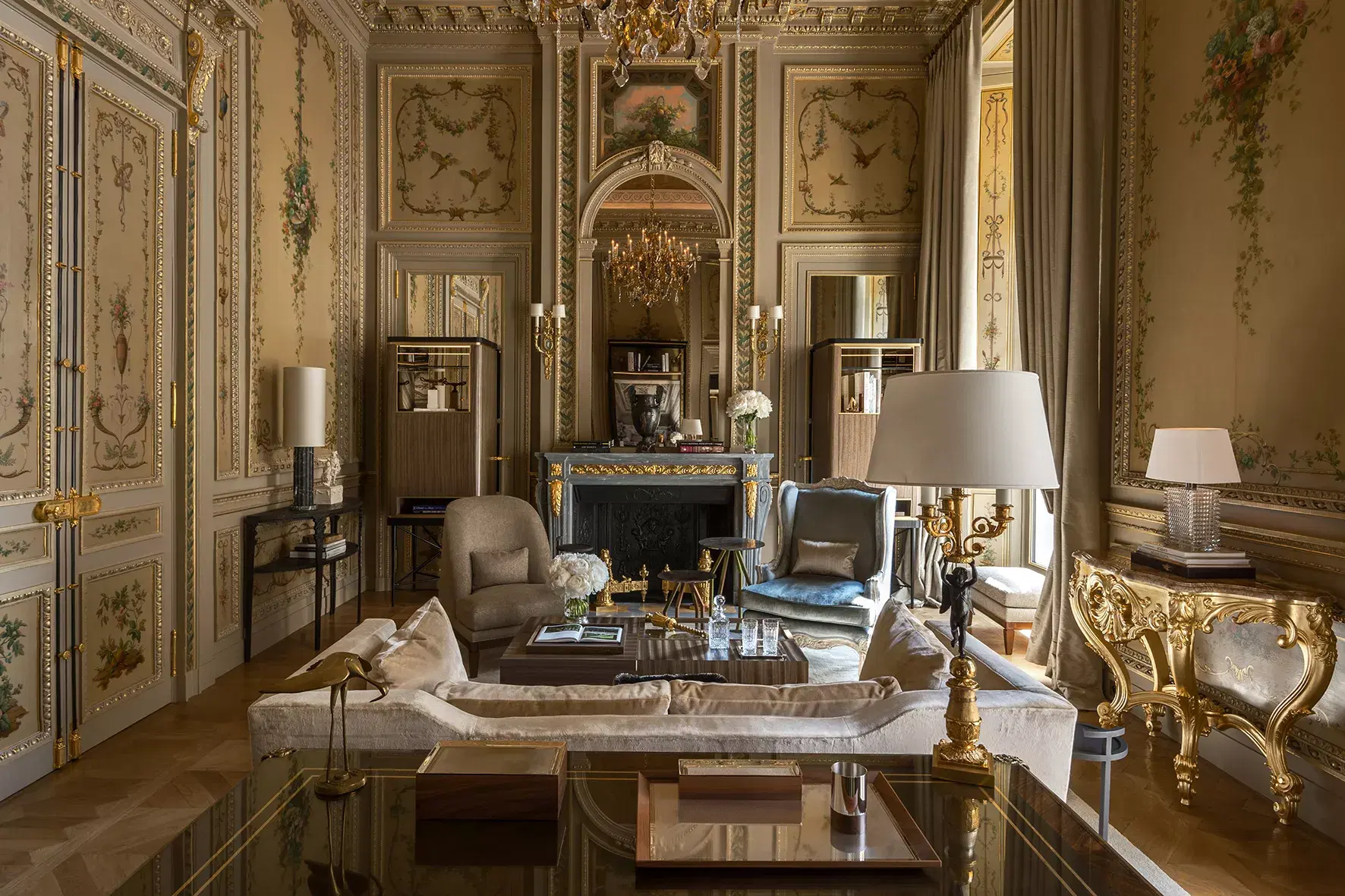
Elegant and refined surroundings with moderate noise levels.
Know Before You Go
- Getting there
- 34 Rue de Bourgogne, 75007 Paris, France