

2 Michelin Stars · La Liste Top Restaurants · SCMP 100 Top Tables Restaurants
Our verdict
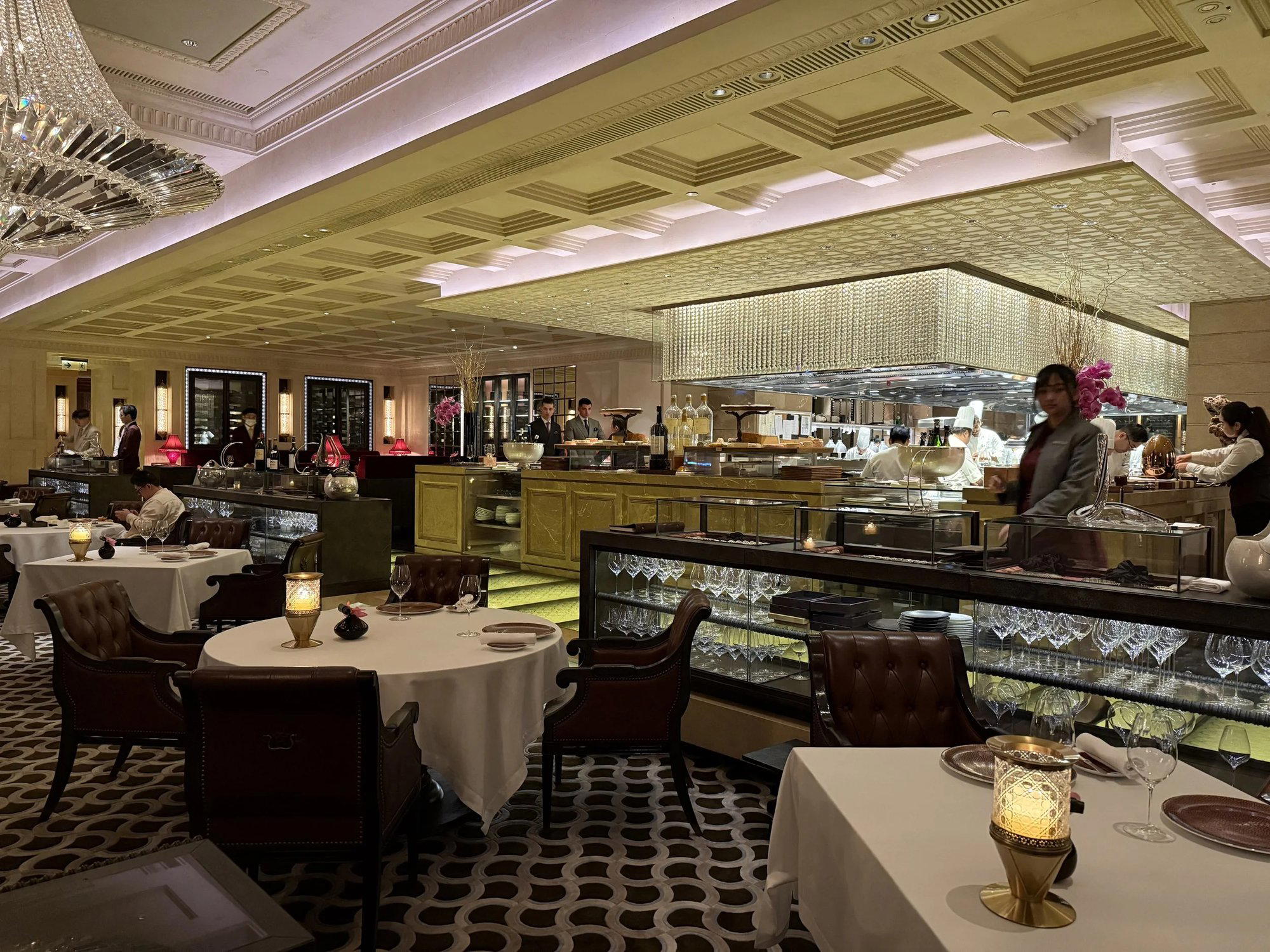
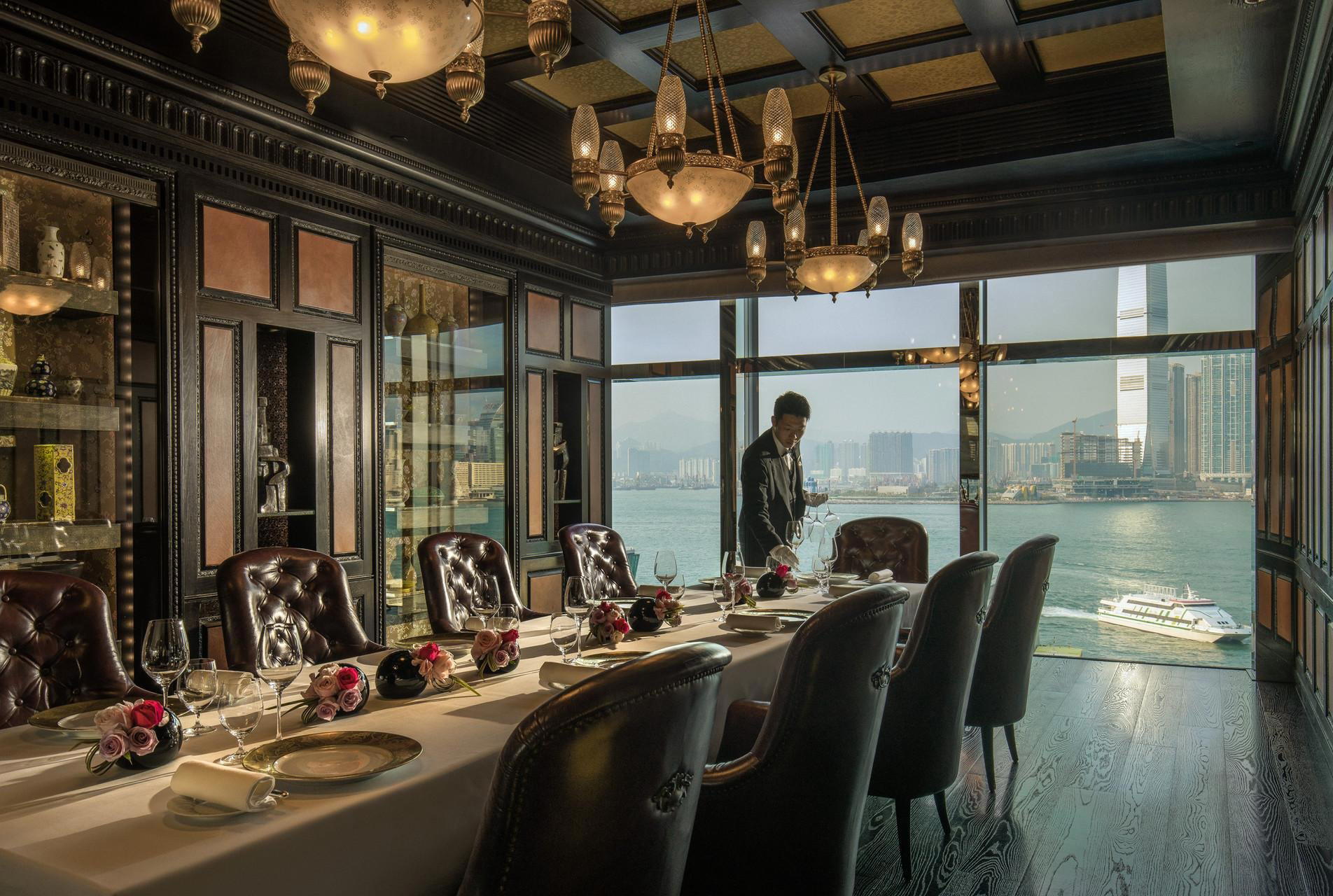
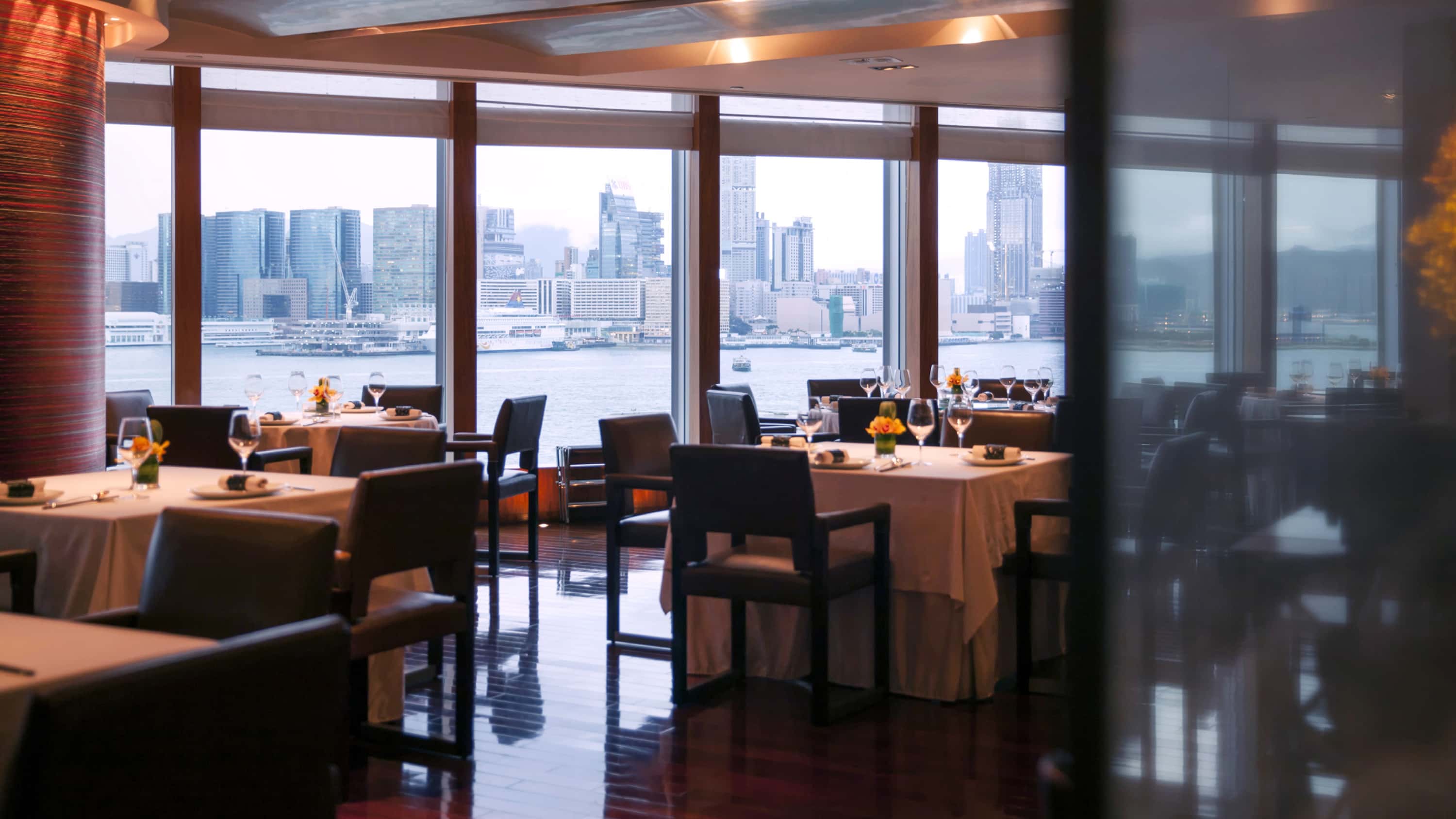
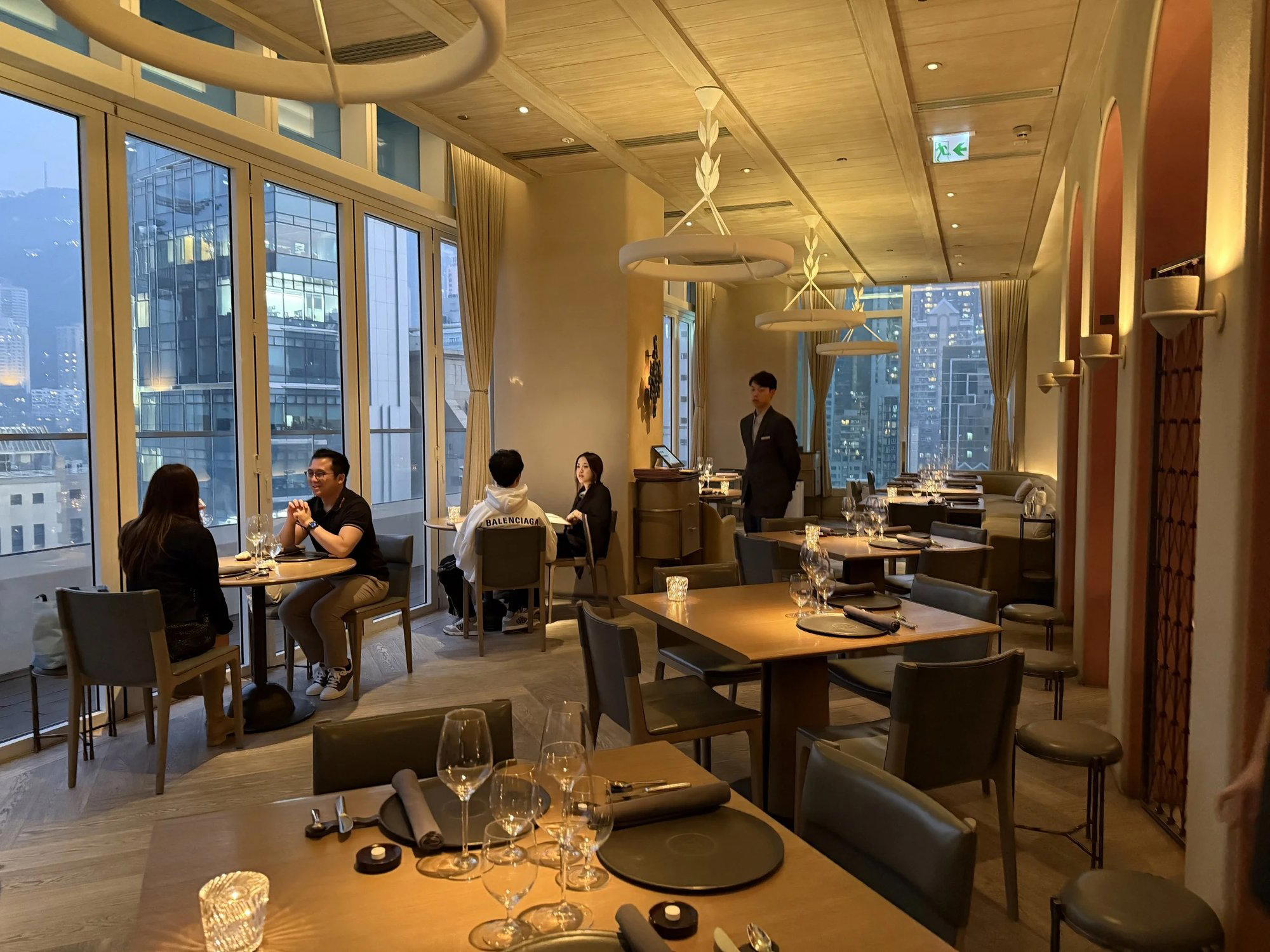
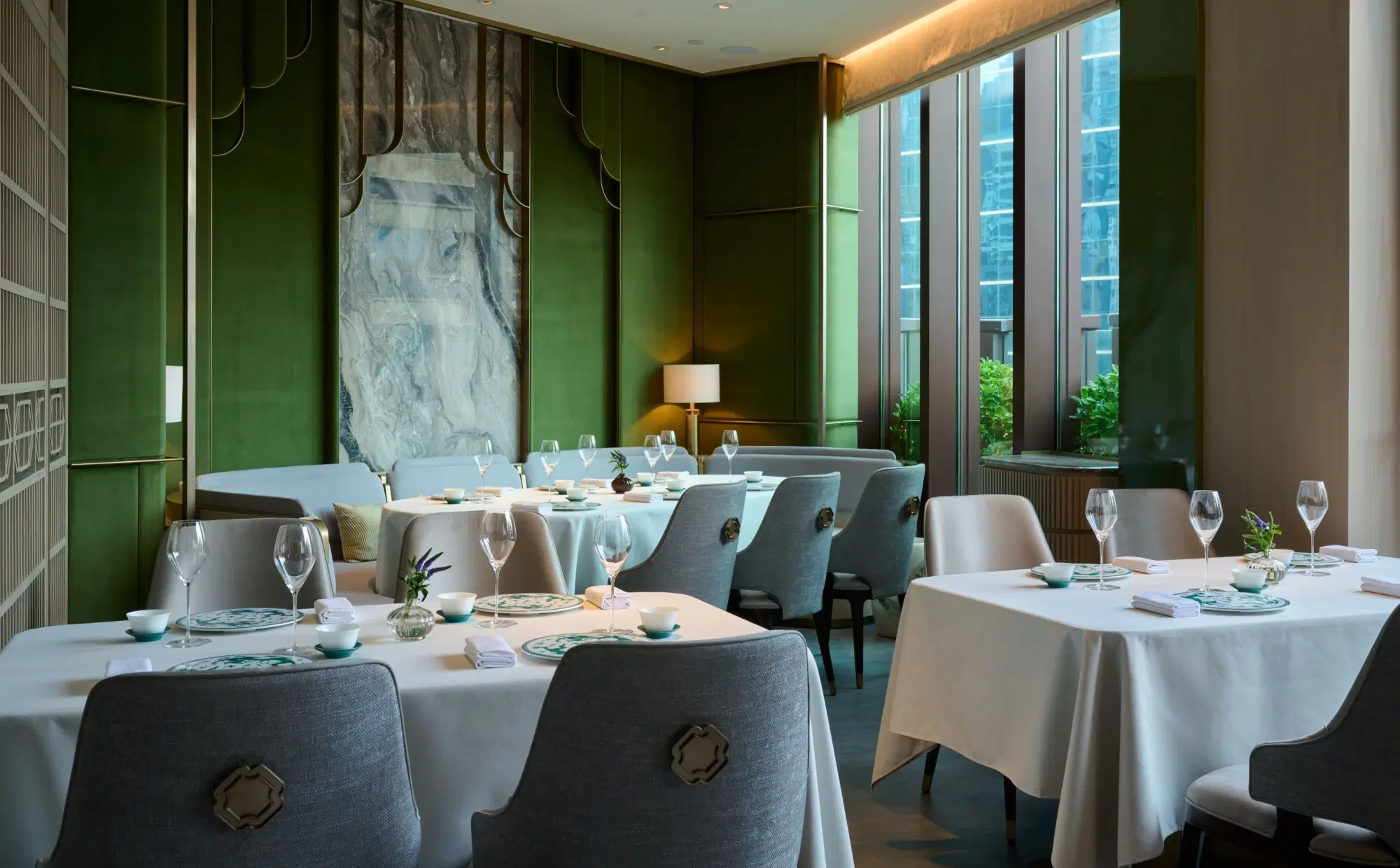
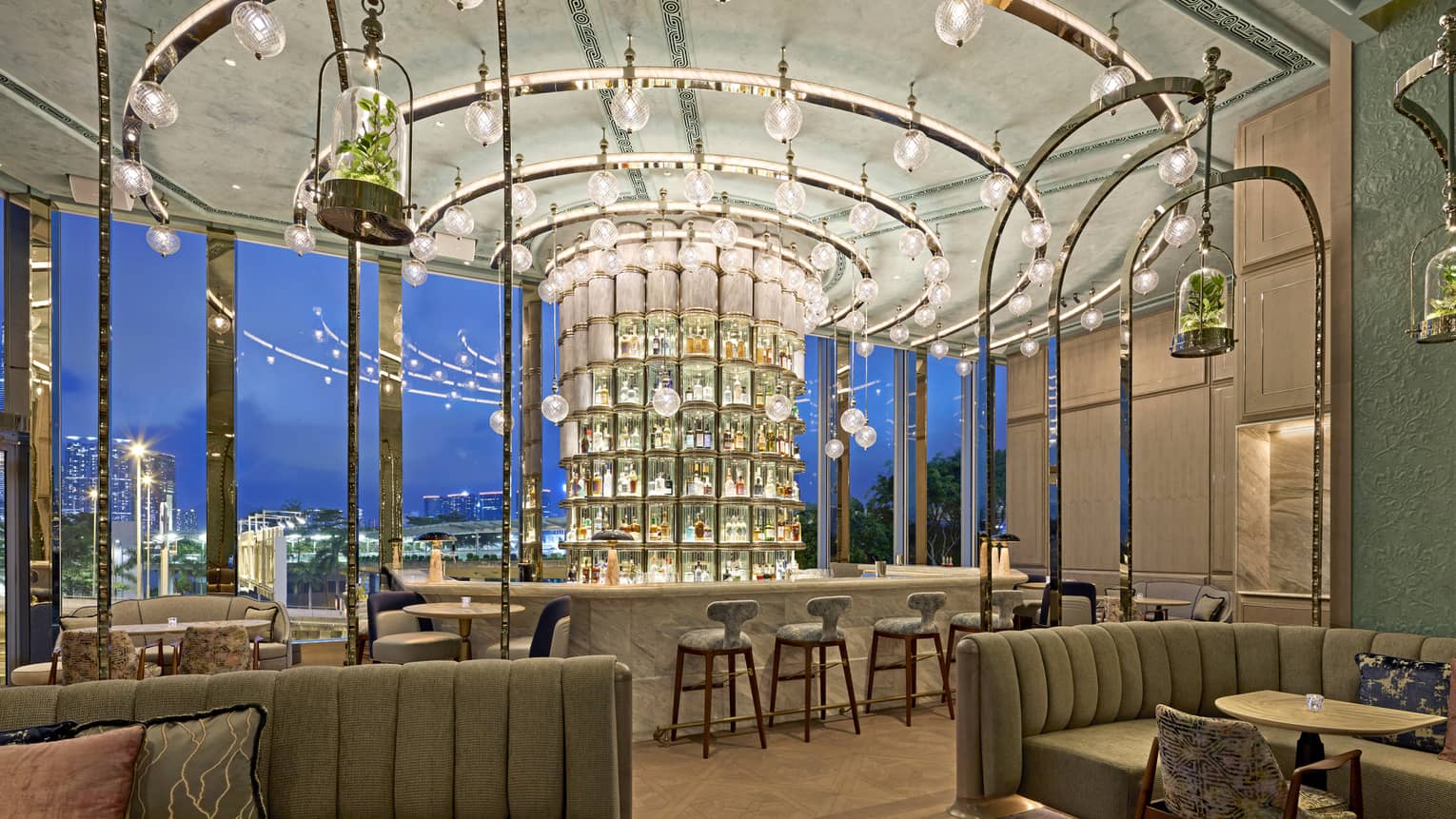
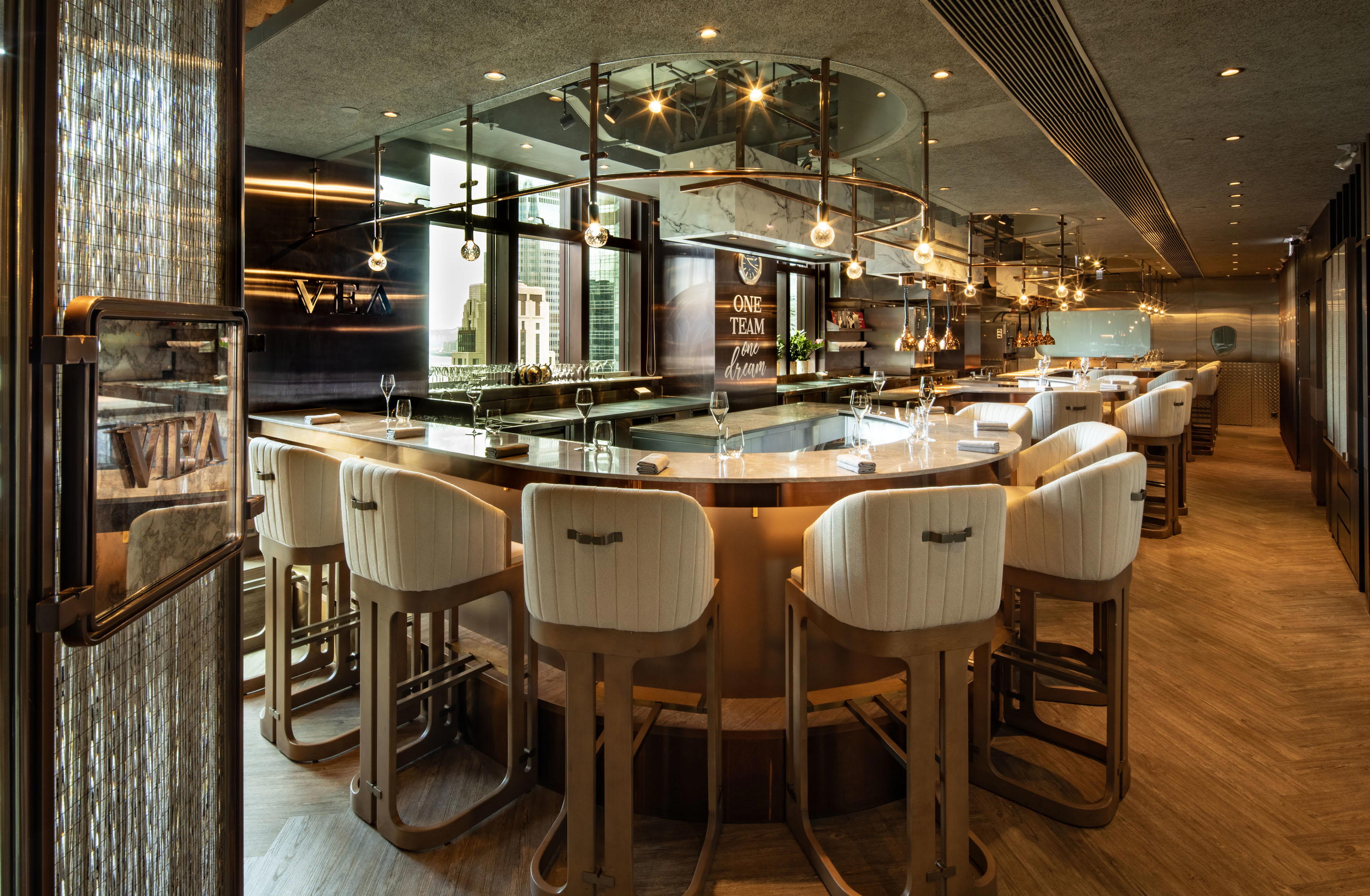
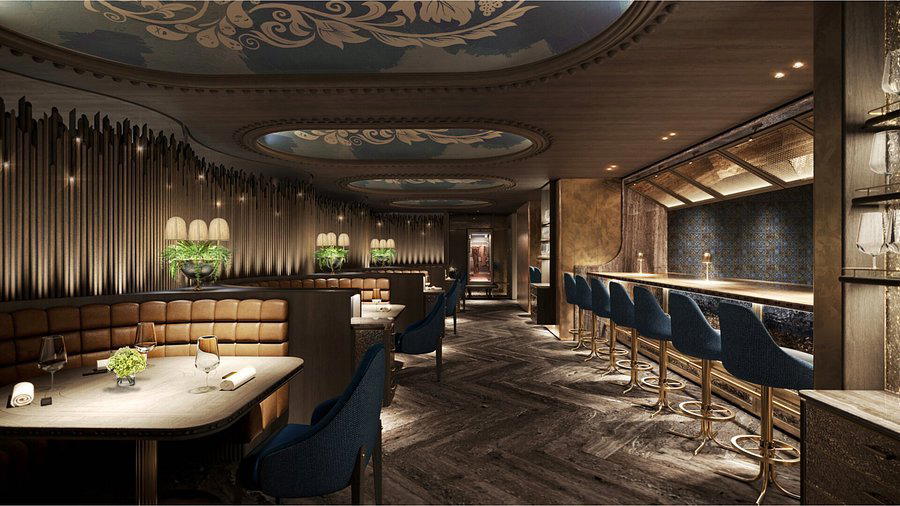
Michelin-starred chef Paulo Airaudo brings contemporary Italian artistry to Hong Kong's Four Seasons, where his seasonally-driven omakase menu showcases premium Japanese seafood through innovative techniques. The intimate 22-seat restaurant features dual dining spaces with harbor views, creating an elevated yet approachable fine dining experience that bridges Italian tradition with Asian precision.

Pearl is the En Primeur Club membership app, where members save venues, book tables and use the concierge.
The menu
What to order
- Silky egg custard with Ibérico ham consommé
- Scottish blue lobster with Hokkaido pumpkin
- Hokkaido sweet potato flan
Italian Omakase at Altitude: The Counter Format Comes to Central
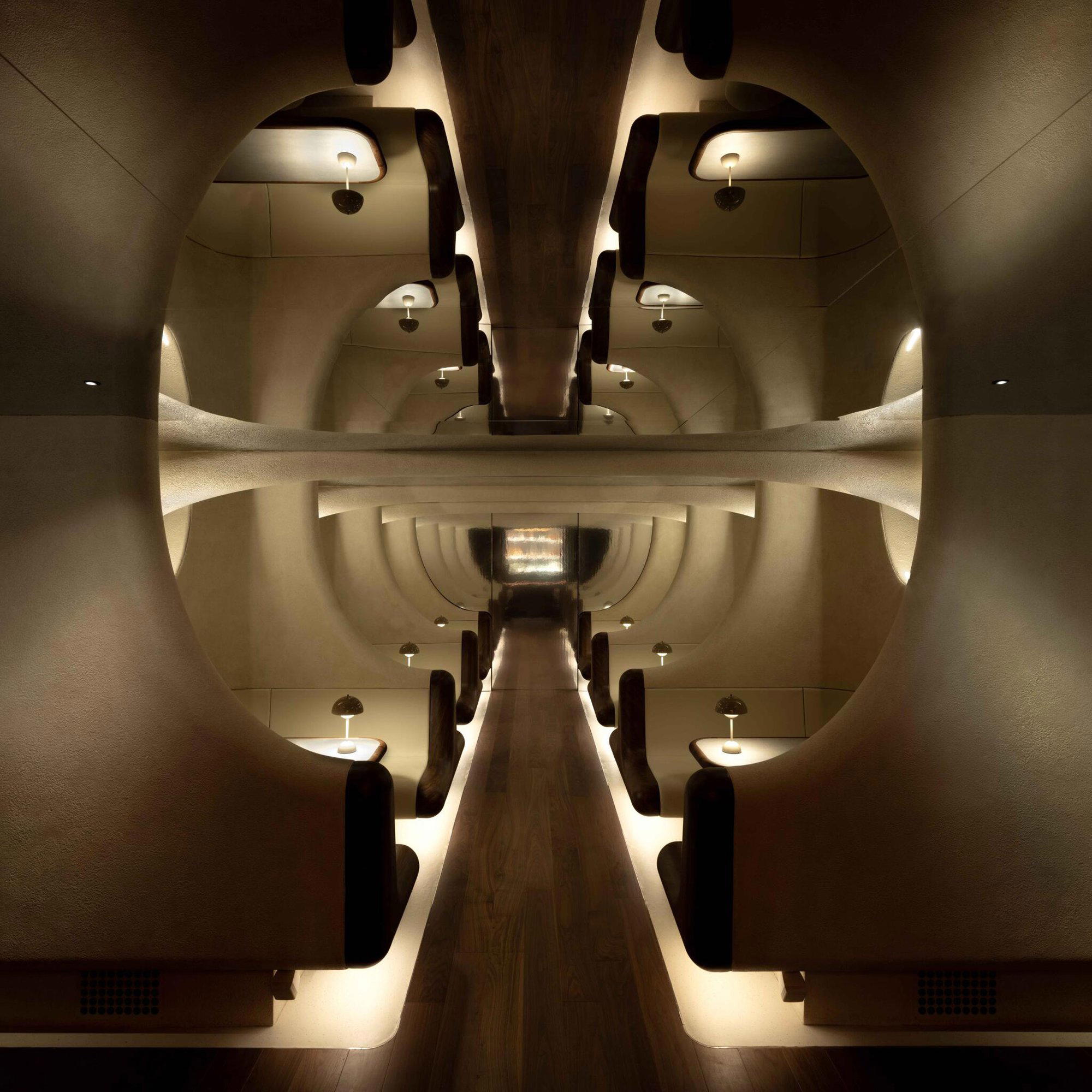
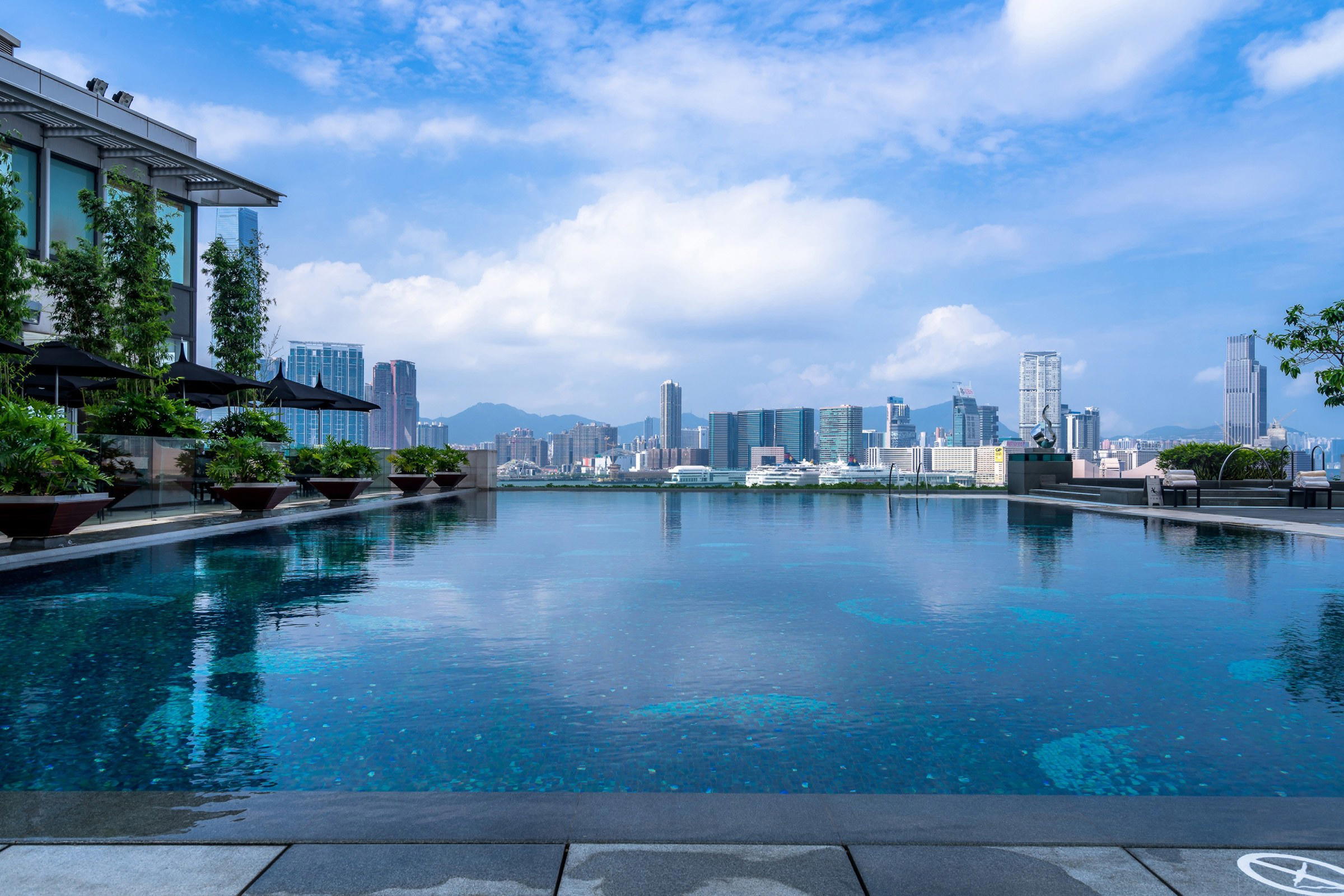
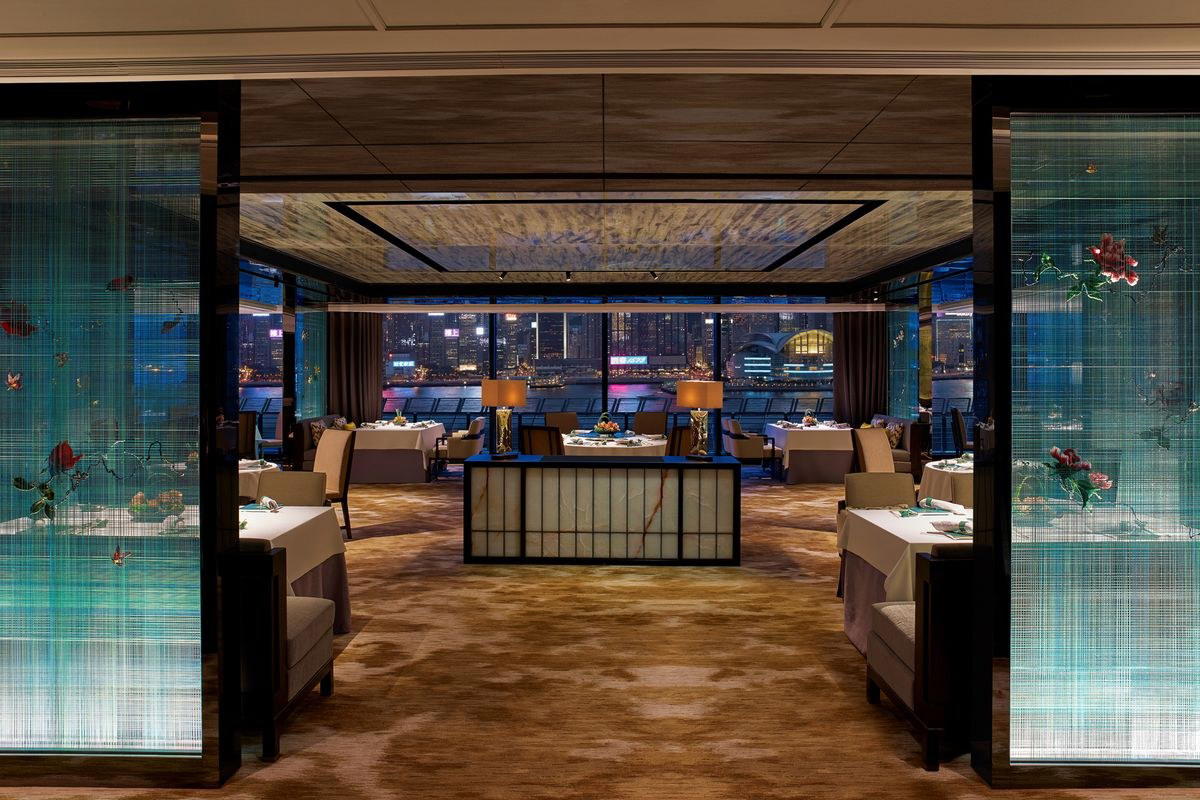
The fifth floor of the Four Seasons Hotel Hong Kong sits above Finance Street with harbour views that frame the West Kowloon skyline in a way that few dining rooms in Central can match. Arriving at Noi, the transition from the lobby's marble corridors into a contained, intimate counter space sharpens the focus immediately: this is a room designed to reduce distraction and concentrate attention on what arrives in front of you. The omakase format, borrowed from Japanese kaiseki tradition and applied to Italian contemporary cooking, has been gaining traction in Hong Kong as a way to present European fine dining with the same sequenced precision that the city already prizes in its Japanese restaurant tier.
That convergence is not incidental at Noi. The restaurant operates inside one of Hong Kong's most credentialed hotel addresses, a Forbes Travel Guide Five-Star property, and its two Michelin stars (retained across both the 2024 and 2025 guides) place it among a small number of Italian tables in Hong Kong that hold that recognition. For context, 8 1/2 Otto e Mezzo Bombana (Hong Kong) remains the other Michelin-starred Italian point of reference in the city, and the two restaurants occupy different register entirely: Bombana's is a full-service dining room rooted in classical Italian luxury; Noi's counter format pushes toward the chef's-table model, where the kitchen's logic dictates the evening's sequence from start to finish.
The Pasta Question: Tradition, Technique, and What the Counter Reveals
Within Italian contemporary cooking, handmade pasta functions as a kind of credentialing exercise. The shapes a kitchen chooses, the flour ratios it works with, and the degree to which sauces are built to serve the pasta rather than compete with it all signal where a chef's priorities lie. At the counter format Noi operates, pasta courses sit within the omakase sequence rather than occupying a standalone section of a carte, which means they arrive with the full attention of the kitchen and without the distraction of a diner deciding between options.
Chef Paulo Airaudo brings an Italian foundation to a menu that folds in Asian ingredients and technique, positioning Noi within a sub-genre of Italian cooking that has been taking hold across Asia's major dining cities. In Singapore, Buona Terra works a similar register of Italian contemporary with Southeast Asian inflection. In Hong Kong itself, the question of how Italian technique absorbs local produce and flavour logic has been answered differently by each kitchen that has tried it. The omakase container is useful here precisely because it removes the guest's expectation of fixed regional categories: a pasta course can carry Japanese seasoning or local vegetables without the awkwardness of it sitting alongside a traditionally framed menu.
La Liste has tracked Noi's position across consecutive years: 84 points in 2025 and 85 points in 2026, a trajectory that places it within La Liste's upper-mid bracket for fine dining globally. That scoring, combined with two consecutive Michelin two-star holdings, gives Noi a dual anchor in both the French-led Michelin evaluation system and La Liste's broader international index, a combination that reflects the restaurant's cross-cultural positioning as much as it does its kitchen quality.
Where Noi Sits in Hong Kong's Fine Dining Map
Hong Kong's top-tier restaurant scene is heavily weighted toward French and Japanese-influenced kitchens. The Michelin three-star tier includes rooms like Caprice and Amber, both operating from hotel platforms with French contemporary frameworks. The two-star bracket, where Noi operates, includes kitchens like Ta Vie, which works across Japanese-French lines, and Citrino da Yoshinaga Jinbo, another cross-cultural Italian reference point in the city. What this bracket shares is a preference for tasting or omakase formats over à la carte service, and a tendency to use the hotel setting as a quality guarantor rather than a constraint.
Italian contemporary as a category occupies a smaller slice of Hong Kong's fine dining than French or Japanese, which gives Noi a distinct positional advantage in a city with deep appetite for both Italian food and counter-format dining. Italian restaurants at equivalent price and quality tiers in Europe, from Agli Amici Rovinj in Croatia to Bracali in Tuscany and Atto di Vito Mollica in Florence, tend to operate from a clearer regional anchor, with pasta tradition rooted in specific geography. Noi's departure from that framework, operating in Hong Kong with Asian-ingredient integration, represents a different kind of project: Italian cooking asked to perform fluently in a context where its reference points are not the surrounding culture.
Other Italian contemporary references in Europe include L'Olivo in Anacapri, Amistà in Corrubbio, Cannavacciuolo Vineyard in Tuscany, and Casa Bernardi in Benissa, all operating within or near their source cuisine's geography. The distance between those contexts and what Noi is doing in Central underlines how deliberately the kitchen is working in translation.
Planning Your Visit
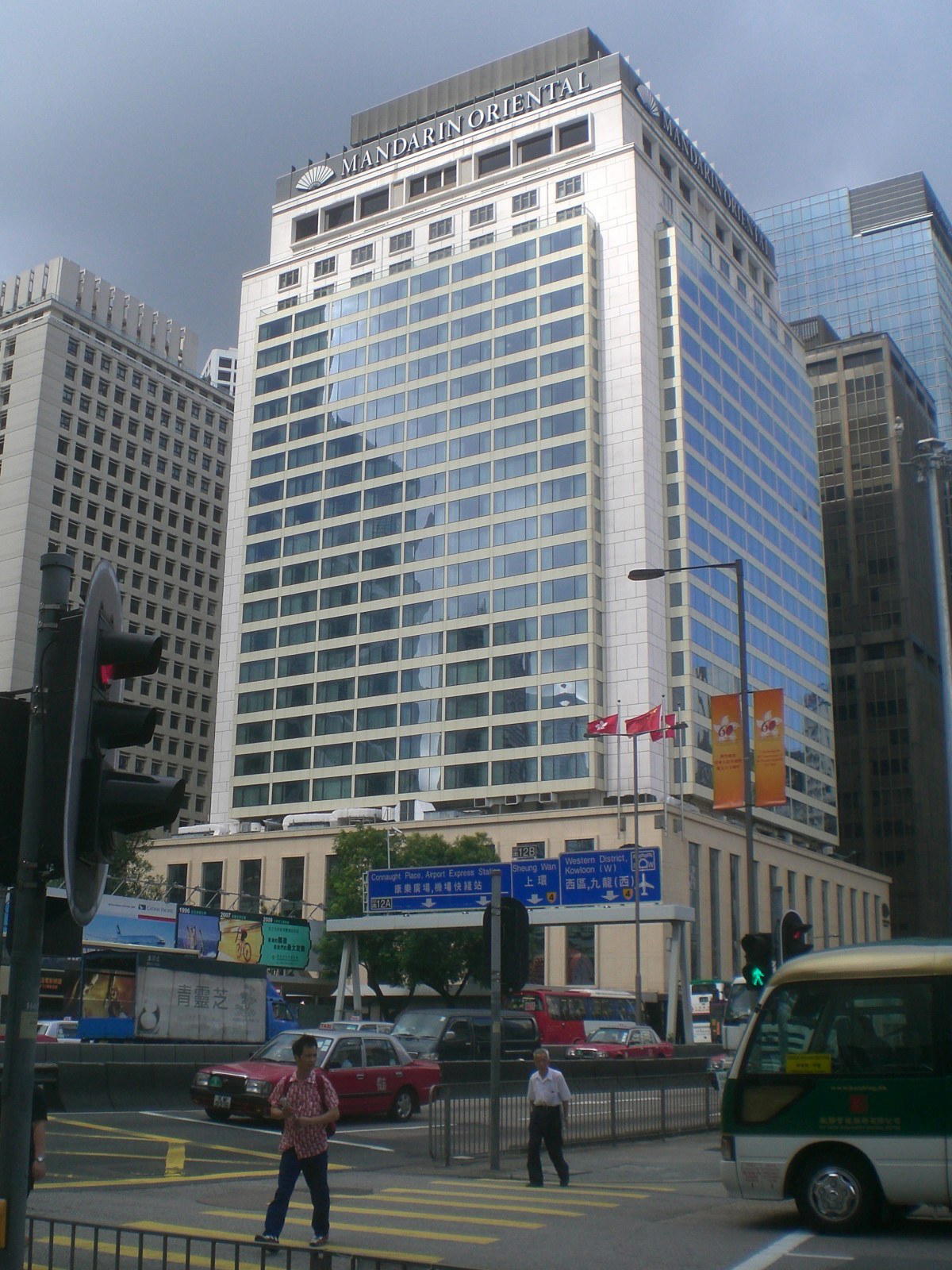
Noi sits within the Four Seasons Hong Kong at 8 Finance Street, Central, on the fifth floor. The Four Seasons address places it within easy reach of Hong Kong station on the Airport Express and MTR, making pre-departure dinners a practical option for those travelling through. The hotel's five-star rating and the restaurant's Michelin two-star status set expectations clearly for dress and formality: this is a counter-format experience, but the surroundings and price positioning ($$$$) call for evening dress over casual wear.
At the $$$$ price point, Noi competes directly with the city's other two- and three-star tasting format tables. The comparison table below positions it against its closest peers on key logistics factors.
| Venue | Stars | Format | Price Tier | Cuisine |
|---|---|---|---|---|
| Noi by Paulo Airaudo | Michelin 2★ | Omakase counter | $$$$ | Italian Contemporary |
| 8½ Otto e Mezzo Bombana | Michelin 3★ | Full-service dining room | $$$$ | Italian |
| Ta Vie | Michelin 2★ | Tasting menu | $$$$ | Japanese-French |
| Caprice | Michelin 3★ | Full-service dining room | $$$$ | French Contemporary |
| Amber | Michelin 2★ | Tasting menu | $$$$ | French Contemporary |
For further planning across the city's dining, hotel, bar, and experience options, see our full Hong Kong restaurants guide, our full Hong Kong hotels guide, our full Hong Kong bars guide, our full Hong Kong wineries guide, and our full Hong Kong experiences guide.
Frequently asked questions
Does Noi by Paulo Airaudo work for a family meal?
Noi is a two-Michelin-star omakase counter inside the Four Seasons Hong Kong, which sets the format: a fixed, sequenced menu at a counter or intimate table. That structure works well for adults seeking a focused dining experience, but it is less suited to young children who require menu flexibility or shorter sittings.
What should I expect atmosphere-wise at Noi by Paulo Airaudo?
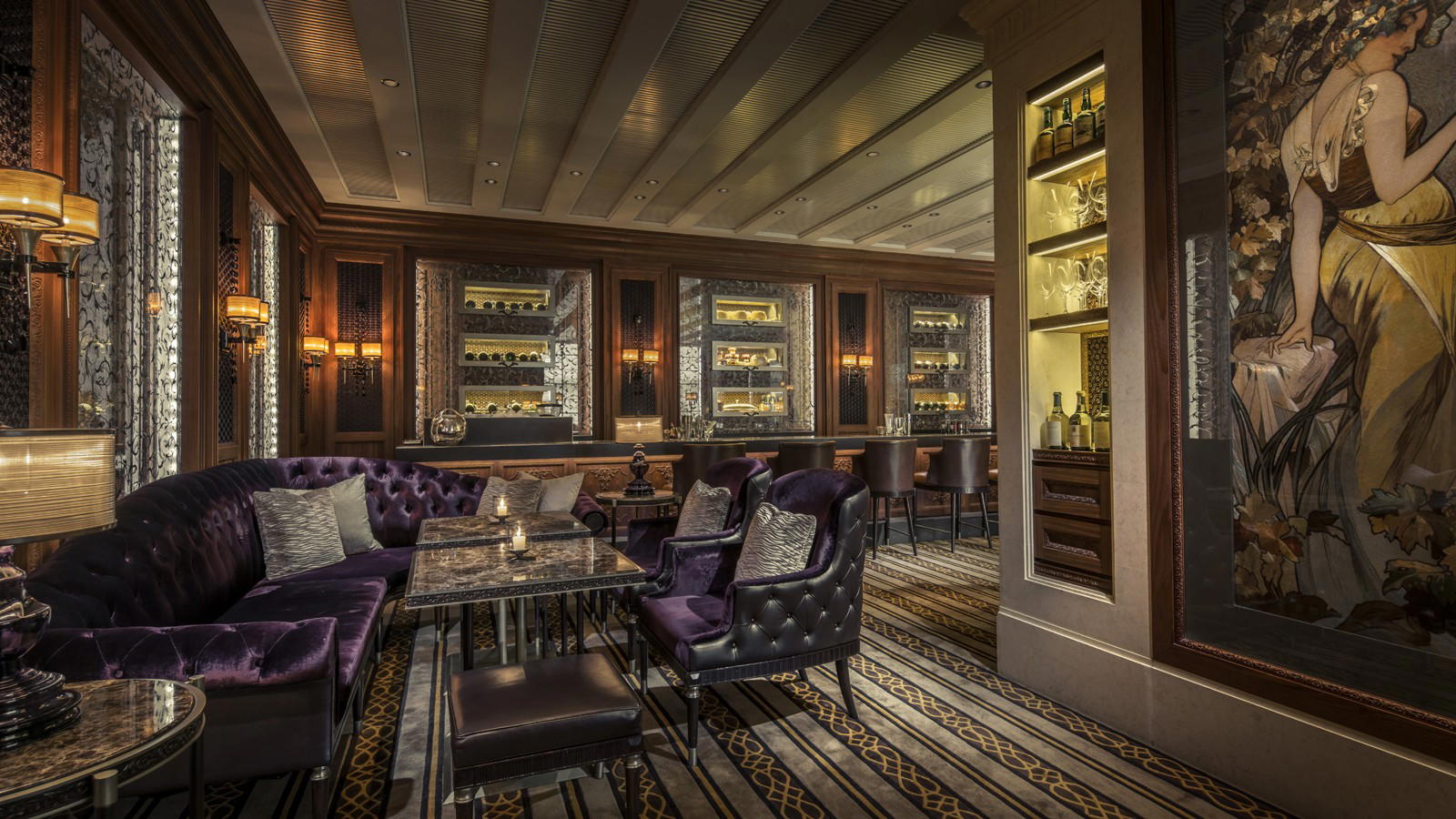
The room sits on the fifth floor of the Four Seasons at 8 Finance Street, Central, with harbour views framing the West Kowloon skyline. The omakase counter format keeps the setting deliberate and quiet, oriented toward the kitchen's progression rather than ambient noise. Expect the controlled formality typical of a two-Michelin-star counter, not a lively dining room.
Does Noi by Paulo Airaudo have a Michelin star or similar recognition?
Noi by Paulo Airaudo has received recognition including: Named for the Japanese word for “we” or “us,” Noi is the sum of head toque Paulo Airaudo’s lived experience, blending his Italian roots with Asian flavors to create a contemporary menu at Forbes Travel Guide Five-Star Four Seasons Hotel Hon….
What do people recommend at Noi by Paulo Airaudo?
The counter format means the kitchen sets the direction, so individual dish recommendations are less relevant than understanding the concept: Paulo Airaudo's Italian technique applied to Hong Kong and broader Asian ingredients, recognised across two consecutive Michelin Guide cycles (2024 and 2025) and scored 85 points on the 2026 La Liste ranking. The handmade pasta courses, a credentialing element in Italian contemporary cooking, are consistently cited as central to what the counter delivers.
What should I expect cuisine-wise at Noi by Paulo Airaudo?
What's the pricing like at Noi by Paulo Airaudo?
Pricing at Noi by Paulo Airaudo is listed as $$$$.
Comparison Snapshot
A quick peer list to put this venue’s basics in context.
| Venue | Cuisine | Price | Awards | Notes |
|---|---|---|---|---|
| Noi by Paulo AiraudoThis venue (the venue you are viewing) | Modern Italian Omakase | $300–500 | 2 Michelin Stars · La Liste Top Restaurants | Not listed |
| 8 1/2 Otto e Mezzo Bombana (Hong Kong) | 3 Michelin-Star Italian Fine Dining | $200–300 | 3 Michelin Stars · World's 50 Best #94 | Italian |
| Ta Vie | Modern French-Japanese Fine Dining | $300–500 | 3 Michelin Stars · World's 50 Best #68 | Japanese - French, Innovative |
| Caprice | Contemporary French Fine Dining | $200–300 | 3 Michelin Stars · World's 50 Best #35 | French, French Contemporary |
| Feuille | Modern Vegetable-Forward French | $200–300 | 1 Michelin Star · World's 50 Best #93 | French Contemporary |
| Neighborhood | Modern French with Asian Influences | $50–100 | 1 Michelin Star · World's 50 Best #24 | International, European Contemporary |
Recognition history
Dated appearances from independent guides and award organizations, with the underlying list record or original source where available.
Michelin 2 Stars
Michelin
La Liste Top Restaurants
La Liste
Forbes Recommended
Forbes
SCMP 100 Top Tables Restaurants
SCMP 100 Top Tables
Full recognition history (7 entries)
La Liste Top Restaurants
La Liste
Michelin 2 Stars
Michelin
Michelin 2 Stars
Michelin