Noche

James Beard Award Semi Finalist
Our verdict
Noche operates out of Tulsa's emerging Brady Arts and Greenwood corridor, bringing a night-oriented dining concept to a city increasingly serious about its restaurant scene. The address on N Elgin Ave places it within reach of Tulsa's downtown cultural anchors, and the name itself signals an intentional mood. Book ahead and arrive ready for atmosphere over speed.

Pearl is the En Primeur Club membership app — saves, bookings, and concierge access live there. Same editors, same standards.
- Address
- 110 N Elgin Ave Ste 140, Tulsa, OK 74120
- Phone
- (918) 574-8407
- Hours
- Mon–Thu 5–10 PMFri–Sun 11 AM–3 PM, 4–10 PM
- Website
- eatdrinknoche.com
- Directions
- Get directions
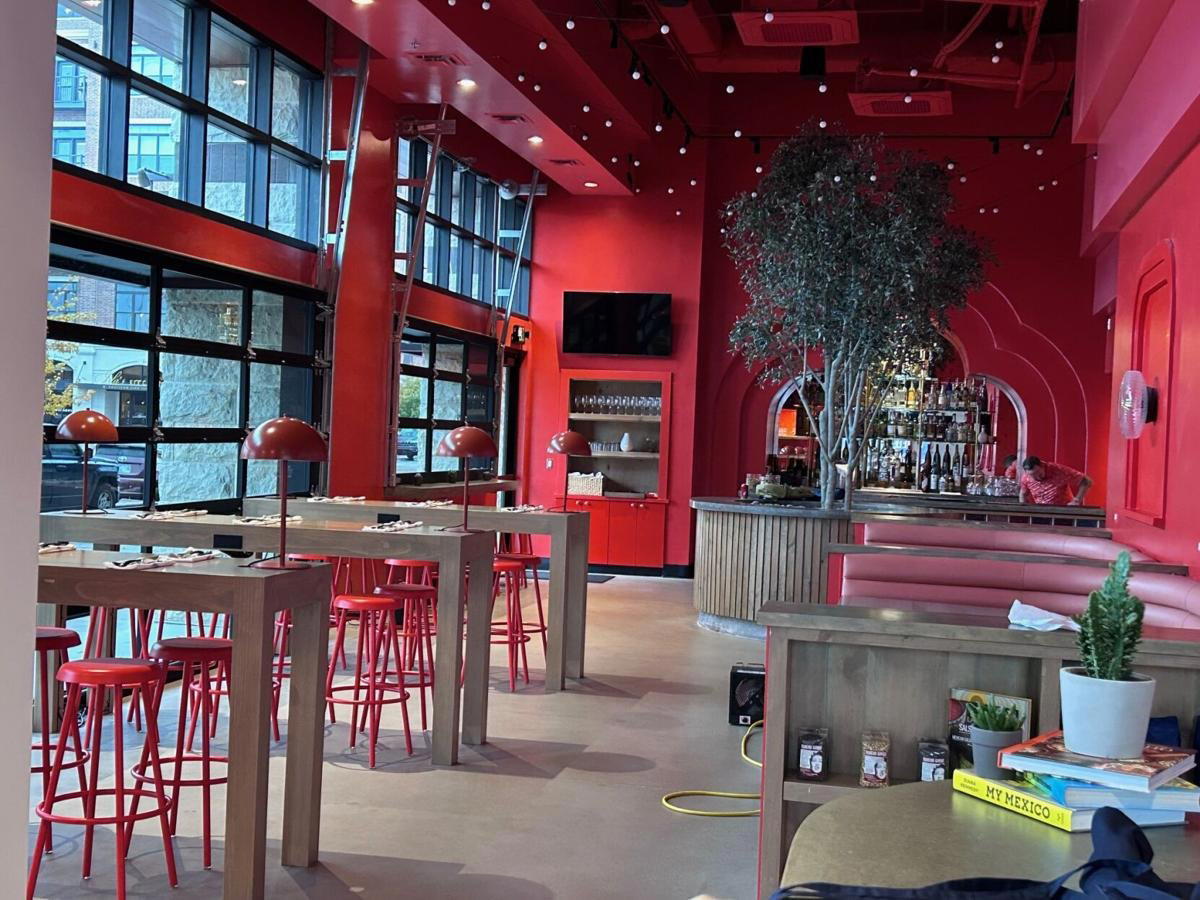
The menu
What to order
- Beef Tenderloin Tampiquena
- Short Rib Fajitas
- Chicken a la Brasa
After Dark in Tulsa: The Scene Noche Enters
American cities outside the coastal corridors have been rewriting their dining identities for the better part of a decade, and Tulsa is a clearer example of that shift than it tends to get credit for. The Brady Arts District and the blocks radiating from the Greenwood Avenue spine now hold a restaurant tier that competes on ambition rather than novelty, attracting operators with genuine culinary points of view. Noche, addressed at 110 N Elgin Ave in the 74120 zip code, enters that environment: a dining scene building real critical mass but not yet over-indexed on hype, which gives serious rooms room to breathe.
The name is worth taking literally. Noche is Spanish for night, and the framing matters. In Latin American dining culture, evening meals are not incidental to the day's rhythm but central to it. The long table, the late start, the meal as occasion rather than transaction: these are not affectations imported for aesthetic purposes but structural features of how food and gathering have historically functioned across Mexico, Colombia, Argentina, and beyond. A restaurant that plants its identity in that tradition is making a claim about pace and intention, not just decor.
Where Tulsa's Dining Scene Sits Right Now
To understand what Noche is doing, it helps to map where Tulsa dining stands. The city has moved decisively past the phase where any independently owned room with a serious wine list was considered a cultural event. Operations like Lowood and il seme have raised expectations for ingredient sourcing and kitchen discipline. FarmBar addresses the local-produce conversation directly. The result is a scene where opening another direct steakhouse or pizza concept draws little oxygen, and operators with a specific cultural or culinary thesis get proportionally more attention.
That context positions Noche in an interesting bracket. Latin-inflected dining in the American interior has historically defaulted to two modes: Tex-Mex casual or the occasional upscale tasting menu that performs Latin identity rather than inhabiting it. The growing counterexample, seen in cities from Kansas City to Denver, is the mid-to-upper tier room that takes a specific regional tradition seriously, whether that is Oaxacan mole technique, Peruvian ceviche methodology, or Argentine asado culture. Where Noche sits on that spectrum matters, and the address and positioning suggest a room aiming above casual.
The Cultural Architecture of the Evening Meal
Latin American cuisines are not a monolith, and any serious editorial treatment of a room using this framing has to resist collapsing the category. The differences between the fire-and-salt traditions of the Southern Cone, the chile-complexity of central Mexico, the citrus-acid structures of Peruvian cooking, and the Spanish-Caribbean confluence of Cuban food are as significant as the differences between French and Italian cooking in European terms. What links them is not technique or ingredient but a set of shared values around the meal as a social form: time given willingly, courses not rushed, the table as the endpoint rather than a waypoint.
For diners accustomed to Tulsa rooms like Bull In The Alley or the more casual energy of Doctor Kustom, Noche likely represents a gear change in register. The N Elgin address is within the walkable grid of downtown Tulsa, close enough to the PAC and the Brady Theater to make it a natural pre- or post-event choice, though the room's implied rhythm suggests the meal should be the event itself.
Tulsa in the National Conversation
It is worth placing what is happening in Tulsa's dining scene inside a broader national pattern. The rooms that have redefined American fine dining over the past two decades share a characteristic: they are not in the cities where you would have predicted them. Lazy Bear in San Francisco and Alinea in Chicago were disruptive partly because they arrived with conviction rather than pedigree. Operations like Single Thread Farm in Healdsburg and Blue Hill at Stone Barns in Tarrytown built reputations on specificity of place and ingredient rather than proximity to a major urban market. Addison in San Diego and The Inn at Little Washington demonstrate that hospitality ambition is not a coastal monopoly.
The comparison is not hyperbolic. The point is structural: markets like Tulsa, where real estate costs allow operators to invest in food and service rather than rent, and where a growing professional and arts-adjacent population generates genuine demand for serious rooms, are producing dining that belongs in a national conversation. Places like Le Bernardin in New York City, Emeril's in New Orleans, Providence in Los Angeles, Atomix in New York City, and The French Laundry in Napa set a benchmark for what seriousness looks like in their respective categories. Rooms in secondary markets are increasingly measured against that benchmark, not against local precedent only. Even internationally, a room like 8 1/2 Otto e Mezzo Bombana in Hong Kong illustrates how cuisine-driven ambition travels and lands in unexpected geography.
Planning a Visit
Noche is at 110 N Elgin Ave, Suite 140, in downtown Tulsa, positioned within the walkable core of the city's arts and entertainment district. For a room of this apparent positioning, midweek visits tend to offer more attentive service pacing than weekend peak, a pattern consistent across this category of independently operated urban room. For the wider picture of where Noche sits among Tulsa's serious dining options, our full Tulsa restaurants guide maps the field.
Frequently asked questions
Is Noche suitable for children?
Noche is positioned within downtown Tulsa's arts and entertainment district, which tends to draw an adult evening crowd. The venue's name and placement in that corridor suggest an atmosphere oriented toward dinner and nightlife rather than family dining, though nothing in the available record formally restricts younger guests. check the venue's official channels at 110 N Elgin Ave, Suite 140, to confirm whether the format suits your group.
What kind of dining experience does Noche offer in the context of Tulsa's Latin restaurant scene?
Noche operates at 110 N Elgin Ave in a downtown Tulsa corridor that has seen a notable concentration of independently owned, chef-driven rooms emerge over the past decade. Latin American cuisines span a wide range of regional traditions, and how Noche interprets that framing, whether through Mexican, South American, or pan-Latin references, is worth confirming directly with the restaurant. Tulsa has few comparable evening concepts anchored specifically to this culinary direction, which gives Noche a relatively open field in the city's current dining conversation.
What do people recommend at Noche?
Given that the venue operates within Tulsa's emerging independent dining tier and draws on Latin-influenced framing, guests visiting comparable rooms in the city's arts district tend to orient toward the tasting or prix-fixe formats when available. The safest approach is to ask the team at 110 N Elgin Ave, Suite 140, what is driving the most conversation on the current menu.
What's Noche's location?
Noche is located at î110 N Elgin Ave Ste 140, Tulsa, OK 74120, Tulsa.
What's the best way to book Noche?
Walking in or reaching out via the venue's social media presence is the most practical route until direct contact details are confirmed. The address is 110 N Elgin Ave, Suite 140, in downtown Tulsa, within a district where most venues field walk-in and reservation traffic in the early evening.
Cost and Credentials
Comparable venues nearby, for context on price, style, and recognition.
| Venue | Cuisine | Price | Awards | Notes |
|---|---|---|---|---|
| NocheThis venue — the venue you are viewing | Wood-Fired Mexican Grill | $30–50 | James Beard Award Semi Finalist | Not listed |
| Lowood | Modern Wood-Fired New American | Not listed | World's Best Wine Lists Awards WBWL 3-Star | East Village, Modern Wood-Fired New American |
| Bull In The Alley | Speakeasy Steakhouse | $100–150 | Not listed | Deco District, Speakeasy Steakhouse |
| il seme | Regional Italian with Local Oklahoma Ingredients | $50–100 | Not listed | Downtown Tulsa, Regional Italian with Local Oklahoma Ingredients |
| FarmBar | Farm-to-Table American Tasting Menus | $100–150 | James Beard Award Semi Finalist | 18th & Boston, Farm-to-Table American Tasting Menus |
| Polo Grill | Contemporary American Steakhouse | $50–100 | Wine Spectator Best of Award of Excellence | Utica Square, Contemporary American Steakhouse |
Recognition history
Dated appearances from independent guides and award organizations, with the underlying list record or original source where available.
James Beard Award Semi Finalist
James Beard Award
Continue exploring
More in Tulsa
Restaurants in Tulsa
Browse all →
Bars in Tulsa
Browse all →
Hotels in Tulsa
Browse all →
Details
- Lively
- Trendy
- Energetic
- Date Night
- Group Dining
- Special Occasion
- Open Kitchen
- Craft Cocktails
- Local Sourcing
- A La Carte
- Small Plates
- Agave Spirits
Current opening hours
- Monday
- 5–10 PM
- Tuesday
- 5–10 PM
- Wednesday
- 5–10 PM
- Thursday
- 5–10 PM
- Friday
- 11 AM–3 PM, 4–10 PM
- Saturday
- 11 AM–3 PM, 4–10 PM
- Sunday
- 11 AM–3 PM, 4–10 PM
Hours can change for holidays and private events. Last verified .
Lively and warm atmosphere evoking the energy of Mexico City's streets with wood-fired cooking and agave spirits.