Juniper Restaurant
Juniper Restaurant occupies a grounded address on East 3rd Street in Tulsa's downtown corridor, where the city's most considered dining has been consolidating over the past decade. The address places it within walking distance of Tulsa's arts district and its growing cluster of chef-driven rooms. Visitors planning a Tulsa table should read the neighbourhood context before booking.
Pearl is the En Primeur Club membership app — saves, bookings, and concierge access live there. Same editors, same standards.
- Address
- 324 E 3rd St, Tulsa, OK 74120
- Phone
- +1 918 794 1090
- Website
- junipertulsa.com
- Directions
- Get directions
 Saves & bookings on Pearl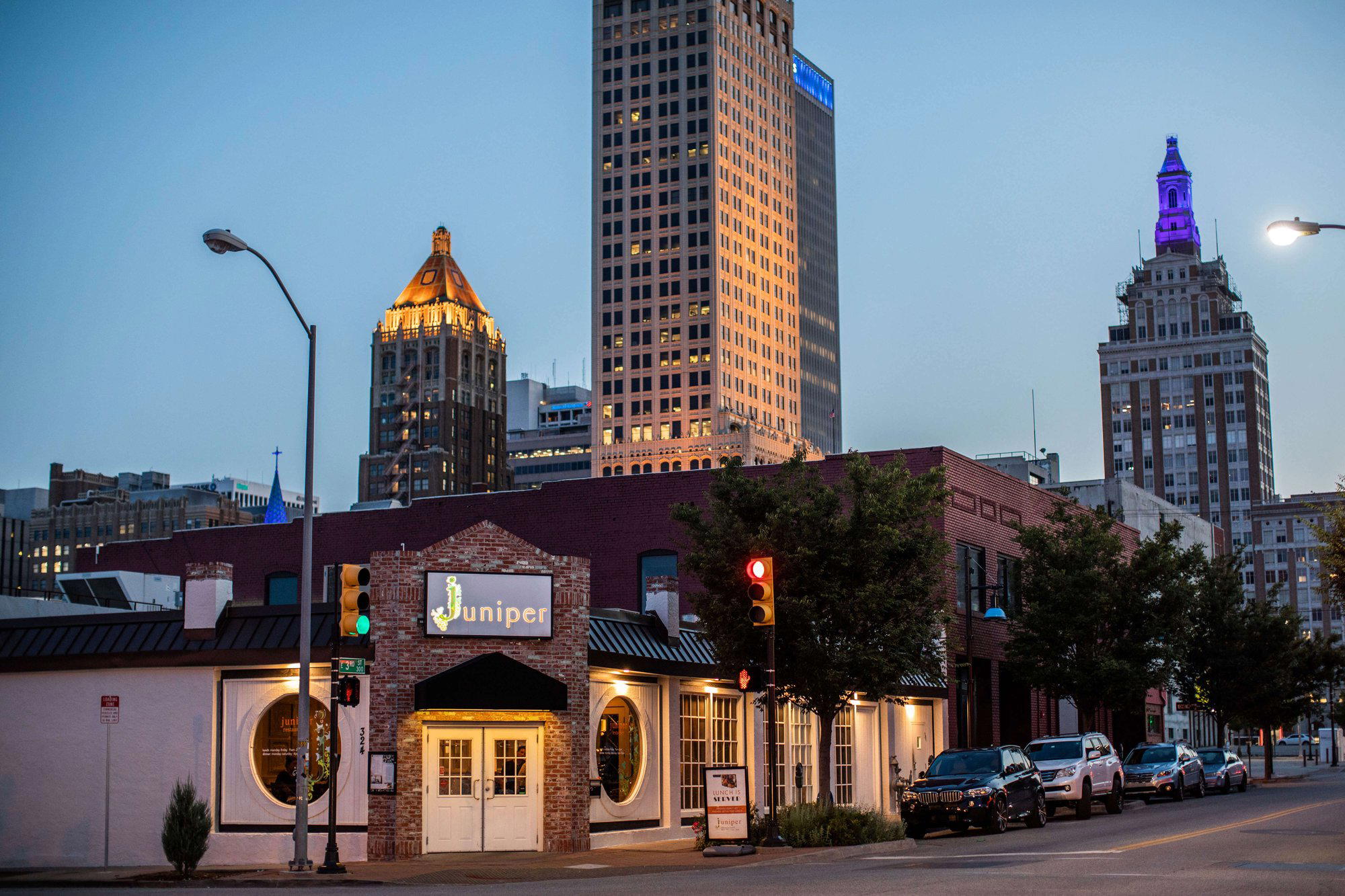
East 3rd Street and the Shape of Tulsa Dining
Tulsa's downtown dining scene has undergone a genuine structural shift over the past fifteen years. The city that once defaulted to chain steakhouses and suburban comfort food has produced a corridor along East 3rd Street where independent, operator-owned restaurants now set the pace. That corridor is where Juniper Restaurant sits, at 324 E 3rd St, and the address itself carries meaning: this is the stretch of downtown Tulsa where the more deliberate dining decisions are being made, where rooms tend to be smaller and menus more considered than the broader metro average.
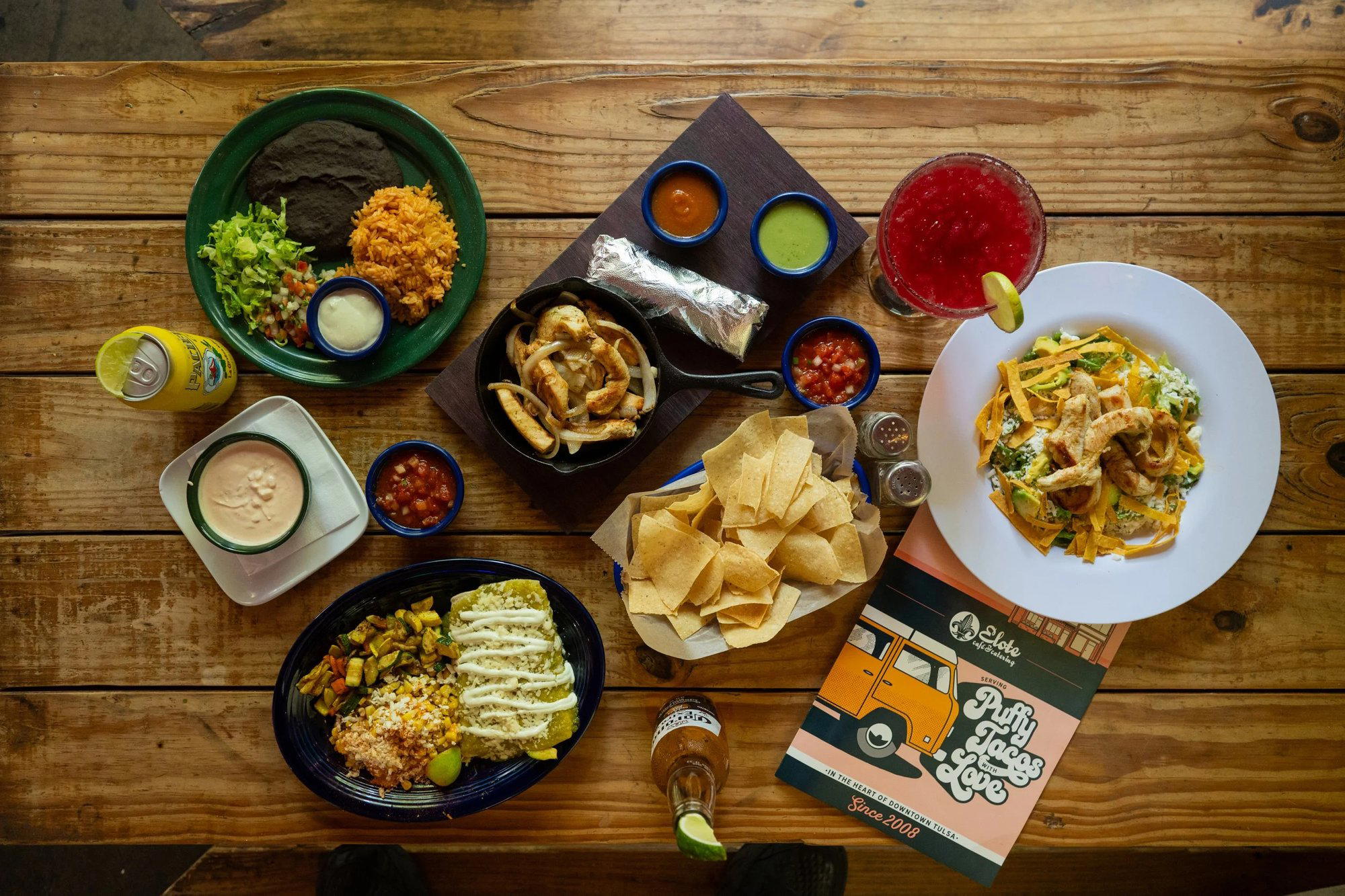
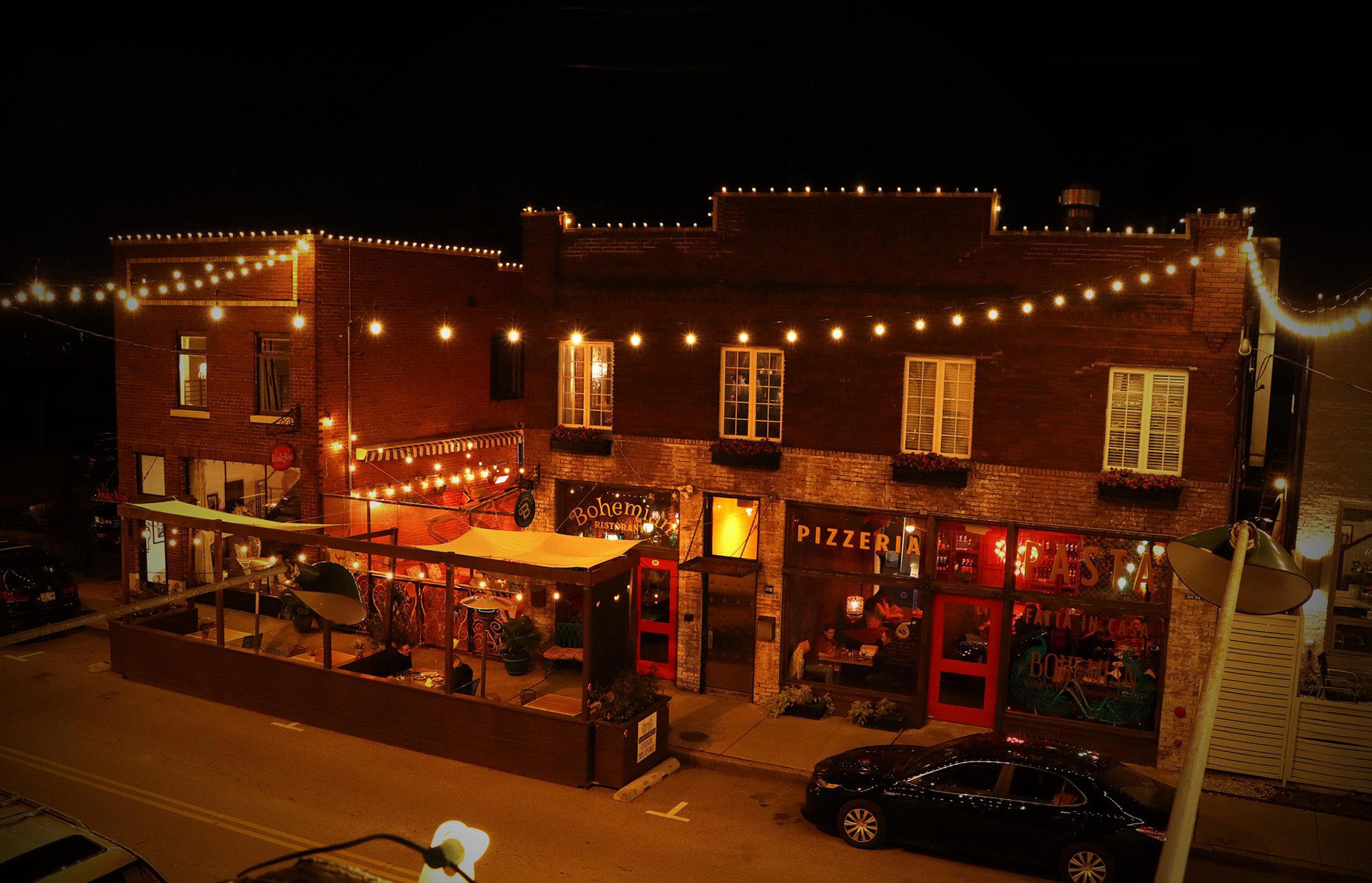
The surrounding neighbourhood includes a concentration of independently run venues that span multiple cuisines and service styles. East Village Bohemian Pizzeria operates nearby and represents a different register of the same independent-operator energy. Further afield, Elote Cafe & Catering and El Rancho Grande Mexican Food anchor distinct cultural dining traditions across the city. For a fuller picture of where Juniper sits within the broader Tulsa table, see our full Tulsa restaurants guide.
What the Name Signals
In American fine-casual and chef-driven dining, botanical naming conventions have become a shorthand for a particular culinary disposition: ingredient-led menus, seasonal sourcing, and a preference for the kind of restrained presentation that lets produce and preparation carry the weight rather than sauce or spectacle. Juniper, as a plant, sits at the intersection of wild forage and classical flavour — it is what gives gin its backbone, what game cooks reach for when they want to cut through richness, and what Nordic and mountain cuisines have used for centuries as a bridge between the forest and the kitchen. A restaurant that takes that name is making a small editorial statement about where its culinary sympathies lie.
That context matters in Tulsa specifically, because Oklahoma's culinary identity is more layered than its national reputation suggests. The state's agricultural base, its proximity to cattle country, and its Indigenous food traditions all create a local ingredient pool with genuine depth. Restaurants that choose to engage with that pool, rather than importing a generic fine-dining template, tend to produce the most interesting dining in the city. Whether Juniper is doing that at the level its address and name suggest is what a first visit is designed to answer.
The Broader Scene It Belongs To
Across the American interior, a pattern has emerged where cities that were historically underrepresented in national food coverage are quietly producing rooms that would compete credibly in any coastal market. Oklahoma City's H&8th district demonstrated this a decade ago; Tulsa's East 3rd corridor is the follow-on chapter. The competitive set for a venue like Juniper is not other Tulsa restaurants alone, but a wider cohort of mid-continent chef-driven independents operating without the marketing infrastructure of major metropolitan food media.
That positioning has a practical implication for the traveller: rooms in this tier are rarely overpriced relative to coastal equivalents, and they are almost never over-hyped. The feedback loop between national press attention and reservation demand that inflates both prices and waiting lists in New York or Los Angeles operates more slowly here, which means the window to discover a serious room before it becomes difficult to book tends to be longer.
For comparison, consider the trajectory of programme-led bar and dining venues in other second-tier American cities. Julep in Houston built its reputation methodically over several years before national recognition followed. Kumiko in Chicago operates with a discipline and depth that took time to filter into mainstream food coverage. The lesson from both is that rooms in cities outside the primary food-media markets often deserve attention earlier in their arc, not after the reservation wait has already grown.
Cultural Roots and What They Mean at the Table
The juniper plant's culinary history runs from Scandinavia through the Alpine regions of France and Italy and into the Indigenous cooking traditions of North America, where it appears as both seasoning and medicinal herb. That cross-cultural range is not incidental: it represents a culinary ingredient that different traditions arrived at independently because it solves similar problems, cutting fat, adding resinous depth, bridging meat and forest. A kitchen that works with those associations has a richer set of references to draw from than one anchored to a single national tradition.
In the context of Oklahoma and the wider southern plains, that matters because the region's food heritage is genuinely pluralistic. Indigenous foodways, cattle culture, German and Czech settler cooking in the eastern counties, and the deep Southern traditions carried north during the Great Migration all left deposits in the local food vocabulary. A chef-driven room in downtown Tulsa has access to those layers in a way that a generic European-fine-dining template would not. The interesting question is how much of that local complexity any given kitchen chooses to engage with, and how explicitly.
Drinking at Juniper: What to Expect
The trajectory of serious independent restaurants in American cities over the past decade has moved toward beverage programmes with the same intentionality as the kitchen. Botanical-leaning wine lists, spirits selected for production provenance, and cocktail programmes that mirror the kitchen's ingredient sourcing have all become markers of the serious independent tier. Where a venue's name gestures toward botanical and foraging traditions, the natural drinks pairing leans toward gin-forward cocktails, vermouth-led aperitifs, or wine from producers working in a similar restraint-led register. The specifics of Juniper's current list should be confirmed directly with the venue before visiting.
What to Know Before You Go
The address at 324 E 3rd St places Juniper within Tulsa's walkable downtown grid, accessible from the Brady Arts District and the broader East Village corridor. Tulsa's downtown has been in active development since the mid-2010s, with significant investment in the arts infrastructure that surrounds this stretch of 3rd Street. For first-time visitors to Tulsa, the East 3rd area is the most efficient place to start if a serious dinner is the priority for the evening.
Given the sparse national coverage of Tulsa's dining scene relative to its actual quality, advance planning pays off. Checking current reservation availability directly with the venue is the practical first step. For the broader Tulsa table, venues like Albert G's Bar-B-Q offer a contrasting but equally serious register of Oklahoma food culture, and building an itinerary that includes both registers gives a more complete picture of what the city's eating actually looks like. The same principle applies when comparing notes with other serious independent programmes at the international level, from Superbueno in New York City to The Parlour in Frankfurt on the Main: what defines quality at the independent-operator tier is consistency of point of view, not scale.
Continue exploring
More in Tulsa
Bars in Tulsa
Browse all →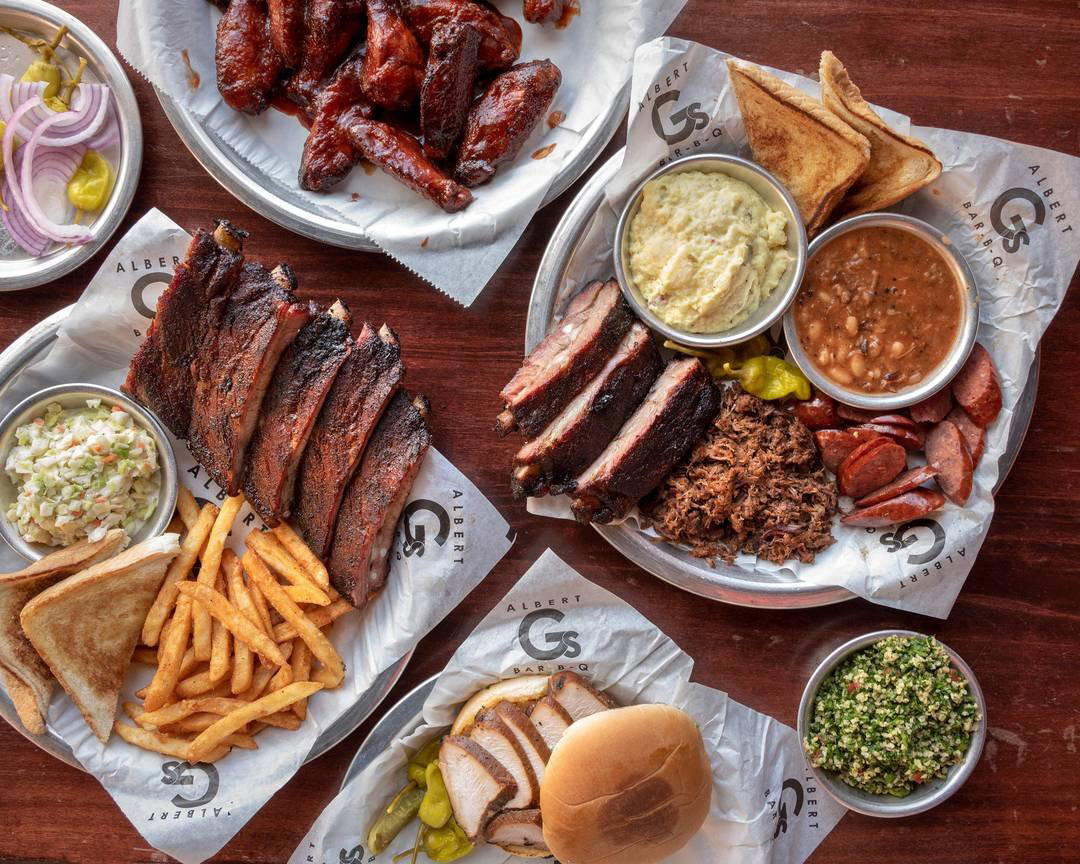
Restaurants in Tulsa
Browse all →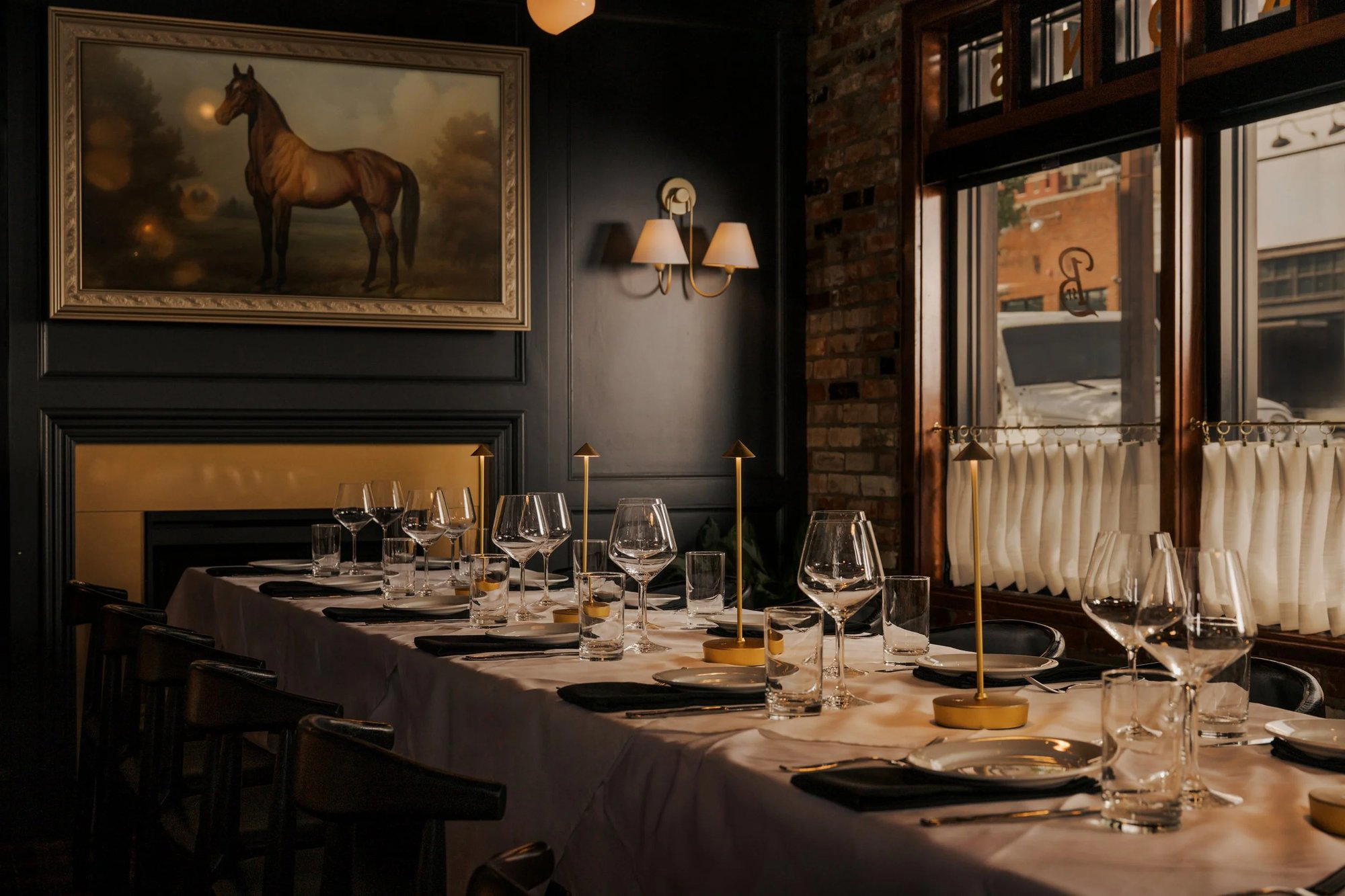
Hotels in Tulsa
Browse all →
At a Glance
- Intimate
- Cozy
- Rustic
- Elegant
- Date Night
- Special Occasion
- Standalone
- Seated Bar
- Booth Seating
- Craft Cocktails
Current opening hours
- Monday
- 4–9 PM
- Tuesday
- 4–9 PM
- Wednesday
- 4–9 PM
- Thursday
- 4–9 PM
- Friday
- 4–10 PM
- Saturday
- 4–10 PM
- Sunday
- Closed
Hours can change for holidays and private events. Last verified .
Warm and inviting with rustic brick columns, commissioned local art, and a cozy atmosphere.
Know Before You Go
- Getting there
- 324 E 3rd St, Tulsa, OK 74120