Bull In The Alley
Our verdict
Bull In The Alley is a speakeasy steakhouse for dinner, with a conversational, leisurely pace, smart casual dress, an extensive wine list, and Table Steak, Porterhouse, and Petite Filet.

Pearl is the En Primeur Club membership app — saves, bookings, and concierge access live there. Same editors, same standards.
- Address
- 11 E Reconciliation Wy, Tulsa, OK 74103
- Phone
- (918) 949-9803
- Hours
- Mon–Thu 5–11 PMFri–Sat 5 PM–1 AMSun 5–11 PM
- Website
- bullinthealley.com
- Directions
- Get directions
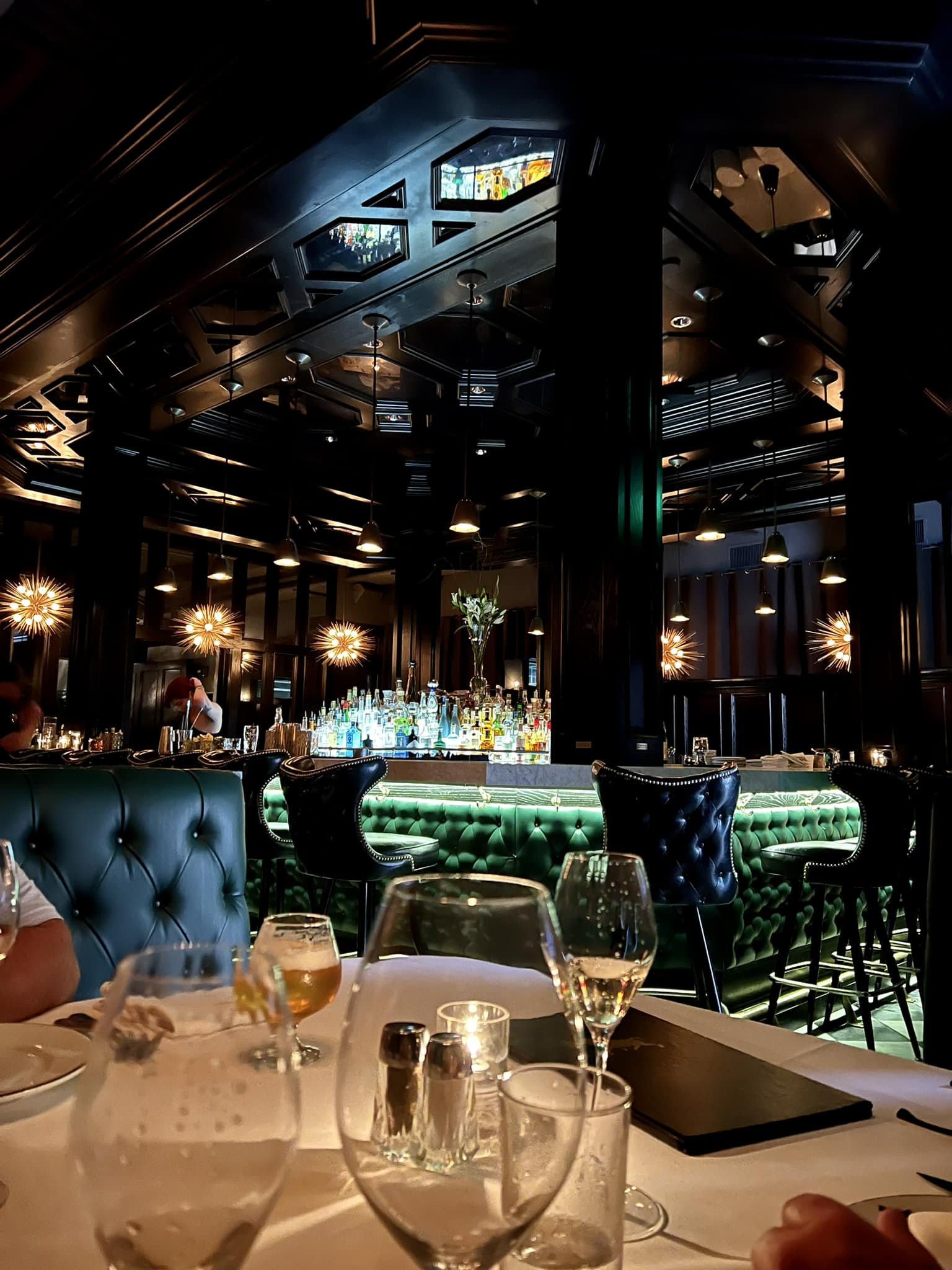
Where Reconciliation Way Meets the Plate
There is something telling about a restaurant address. Bull In The Alley sits at 11 E Reconciliation Way in downtown Tulsa, a street whose name carries the full weight of the city's effort to acknowledge and move forward from the 1921 Tulsa Race Massacre. That address places this venue at the physical and symbolic center of a Greenwood District revival that has drawn serious attention to what Tulsa is becoming, not just what it once was. The approach to the building, along a corridor lined with public art and memorial markers, sets a specific tone before you reach the door: this is a city that takes its identity seriously, and the restaurants opening here are expected to do the same.
Ingredient Sourcing as Editorial Statement
Across American dining in the past decade, the most substantive shift has not been in technique but in supply chain. Kitchens that once treated local sourcing as a marketing footnote now build entire menus around relationships with specific farms, ranches, and producers. Oklahoma sits at the intersection of several agricultural traditions: cattle country, wheat belt, and increasingly, a network of small-scale growers producing heritage vegetables and artisan goods. Restaurants in Tulsa that take sourcing seriously draw from this geography rather than importing identity from coastal food cultures.
The broader farm-to-table movement, which reached its clearest expression at places like Blue Hill at Stone Barns in Tarrytown and Single Thread Farm in Healdsburg, has gradually filtered into mid-market American dining. What distinguishes the more rigorous end of that spectrum is not price point but specificity: the difference between a menu that says "locally sourced" and one whose dishes trace back to named producers within a defined radius. Oklahoma's ranching heritage gives Tulsa kitchens a particular advantage when it comes to beef provenance, and the state's growing community of market farmers adds texture to what can appear on a plate.
Tulsa's dining scene has developed a small but coherent cohort of restaurants working in this register. FarmBar takes an explicit farm-to-table stance, while il seme channels Italian-influenced seasonal thinking. Lowood and Noche represent adjacent approaches to place-conscious cooking in the same city. The question for any new entry into this cohort is whether its sourcing philosophy operates as genuine kitchen logic or as decoration. Bull In The Alley's Reconciliation Way address puts it inside a district where authenticity is both demanded and scrutinized.
Downtown Tulsa's Dining Geography
Tulsa's downtown revival is not a single-neighborhood story. It spans the Brady Arts District, the Greenwood corridor, and the Blue Dome area, each with a different density of food and drink operators. The Reconciliation Way address places Bull In The Alley closer to the Greenwood end of that spectrum, where the cultural stakes around new business are higher and the connection to community history is more direct. Restaurants that open in this zone are read as participants in a larger civic conversation, whether they intend to be or not.
That context shapes how sourcing decisions land. A kitchen in this location that draws from Black-owned Oklahoma farms, from Indigenous food producers, or from the historic food traditions of the Greenwood District makes a different kind of statement than one that simply lists its vendor relationships. The broader national conversation around ingredient sourcing has increasingly included questions about whose land, whose labor, and whose culinary heritage is represented in a supply chain. Restaurants at the sharper end of this thinking, from Smyth in Chicago to Addison in San Diego, have demonstrated that rigorous sourcing and strong editorial identity are not in tension with each other.
At the European end of that spectrum, Atelier Moessmer Norbert Niederkofler in Brunico has built an entire culinary program around Alpine terroir, refusing ingredients that cannot be traced to the immediate region. That level of commitment is rare, but it sets a clear benchmark for what place-conscious sourcing looks like when taken to its logical conclusion. Tulsa's version of that conversation is necessarily different in character, but the underlying question is the same: does the food tell you where you are?
What to Expect When You Visit
The address at 11 E Reconciliation Way in Tulsa's downtown core places it within walking distance of several cultural landmarks and other dining destinations in the Greenwood and Brady Arts corridors. Visitors exploring the area would do well to treat it as part of a broader downtown itinerary rather than an isolated destination, pairing a meal here with time at the nearby Greenwood Cultural Center or the Bob Dylan Center, which opened in the district in 2022.
For broader planning across Tulsa's dining scene, our full Tulsa restaurants guide maps the city's key operators by neighborhood and category. Nearby, Doctor Kustom represents the more casual end of Tulsa's downtown food culture, useful context for understanding the range of formats operating in the same corridor.
For those calibrating Tulsa against the wider American dining conversation, the relevant comparison set runs from neighborhood-driven urban kitchens to more formally ambitious programs. Le Bernardin in New York City, Lazy Bear in San Francisco, Emeril's in New Orleans, The French Laundry in Napa, Providence in Los Angeles, The Inn at Little Washington in Washington, and Atomix in New York City each represent a different model of how American restaurants build identity around sourcing, technique, and place. Bull In The Alley's Greenwood address suggests an interest in the place-identity side of that equation, but the specifics of how it executes are worth verifying on the ground.
Frequently asked questions
Where exactly is Bull In The Alley?
Bull In The Alley is located at 11 E Reconciliation Wy, Tulsa, OK 74103, Tulsa.
What neighborhood is Bull In The Alley in, and what else is nearby in Tulsa?
Bull In The Alley is located at 11 E Reconciliation Way in downtown Tulsa, Oklahoma, placing it within reach of the Brady Arts District, the Greenwood corridor, and the Blue Dome area, each of which anchors a distinct slice of Tulsa's restaurant and bar scene. The Reconciliation Way address itself sits in a part of downtown that has seen sustained reinvestment, making the surrounding blocks worth exploring before or after a meal.
What do people recommend at Bull In The Alley?
Specific dish recommendations require confirmation directly with the venue, as the menu format and current offerings are best verified on-site or by contacting Bull In The Alley at their Reconciliation Way address in downtown Tulsa. The restaurant's location in a part of the city with a strong independent dining identity suggests a kitchen oriented around intentional sourcing rather than chain-style menus. Check in with the venue before visiting to get the most current picture of what's on.
Should I book Bull In The Alley in advance?
Given that Bull In The Alley operates at 11 E Reconciliation Way in one of downtown Tulsa's more active corridors, securing a reservation ahead of time is a reasonable precaution, particularly on weekends. check the venue's official channels to confirm reservation policy and current hours, as neither is publicly documented at time of writing.
Fast Comparison
| Venue | Cuisine | Price | Awards |
|---|---|---|---|
| Bull In The AlleyThis venue — the venue you are viewing | Speakeasy Steakhouse | $100–150 | Not listed |
| Lowood | Modern Wood-Fired New American | Not listed | World's Best Wine Lists Awards WBWL 3-Star |
| Polo Grill | Contemporary American Steakhouse | $50–100 | Wine Spectator Best of Award of Excellence |
| Doctor Kustom | Authentic Brazilian | $20–30 | Not listed |
| FarmBar | Farm-to-Table American Tasting Menus | $100–150 | James Beard Award Semi Finalist |
| il seme | Regional Italian with Local Oklahoma Ingredients | $50–100 | Not listed |
Continue exploring
More in Tulsa
Restaurants in Tulsa
Browse all →
Bars in Tulsa
Browse all →
Hotels in Tulsa
Browse all →
Bull In The Alley
The wine
- Wine program
- Curated wine list
- Extensive wine list
Details
- Intimate
- Rustic
- Elegant
- Cozy
- Special Occasion
- Date Night
- Extensive Wine List
- A La Carte
- Gluten Free Options
Current opening hours
- Monday
- 5–11 PM
- Tuesday
- 5–11 PM
- Wednesday
- 5–11 PM
- Thursday
- 5–11 PM
- Friday
- 5 PM–1 AM
- Saturday
- 5 PM–1 AM
- Sunday
- 5–11 PM
Hours can change for holidays and private events. Last verified .
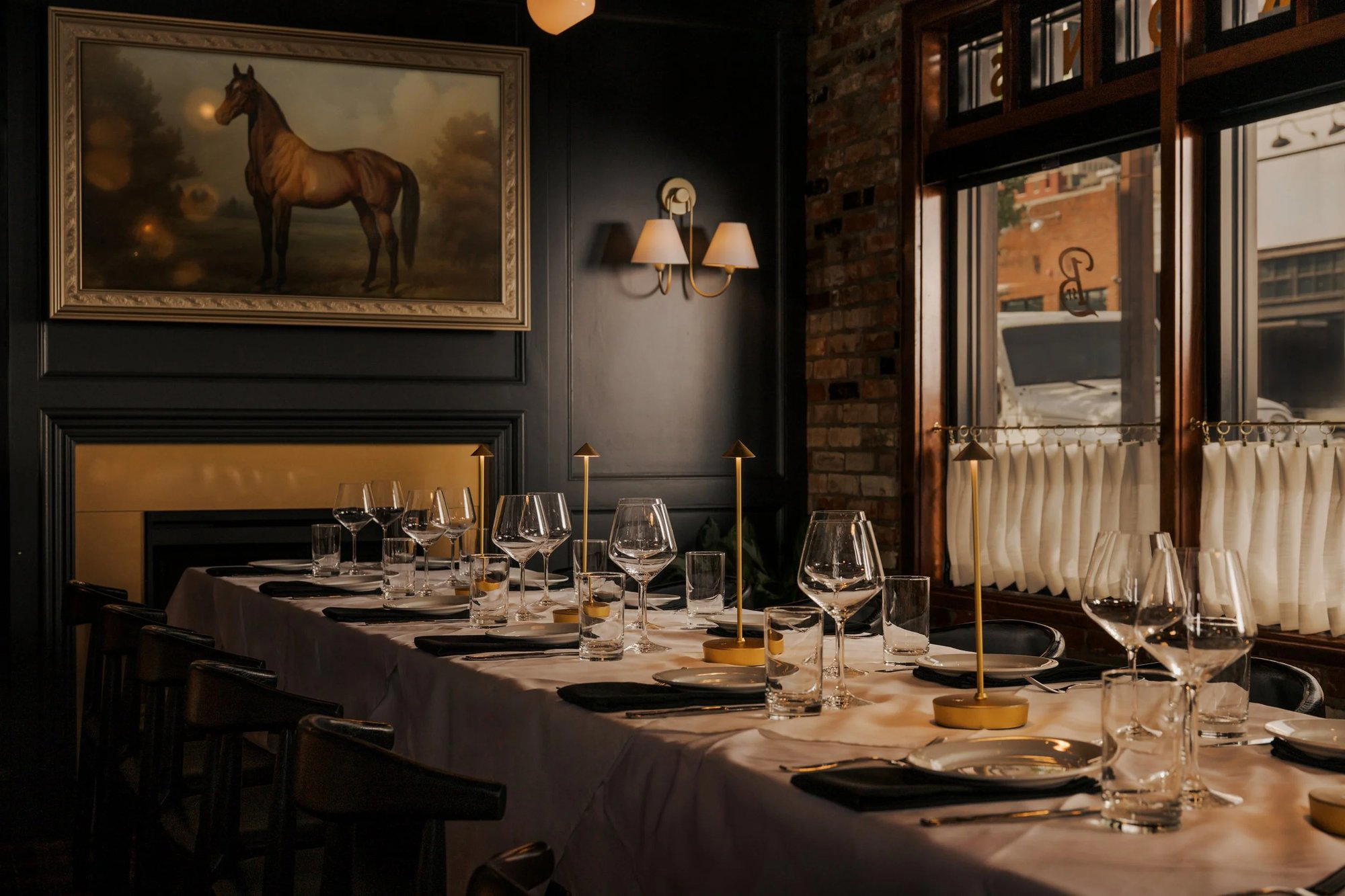
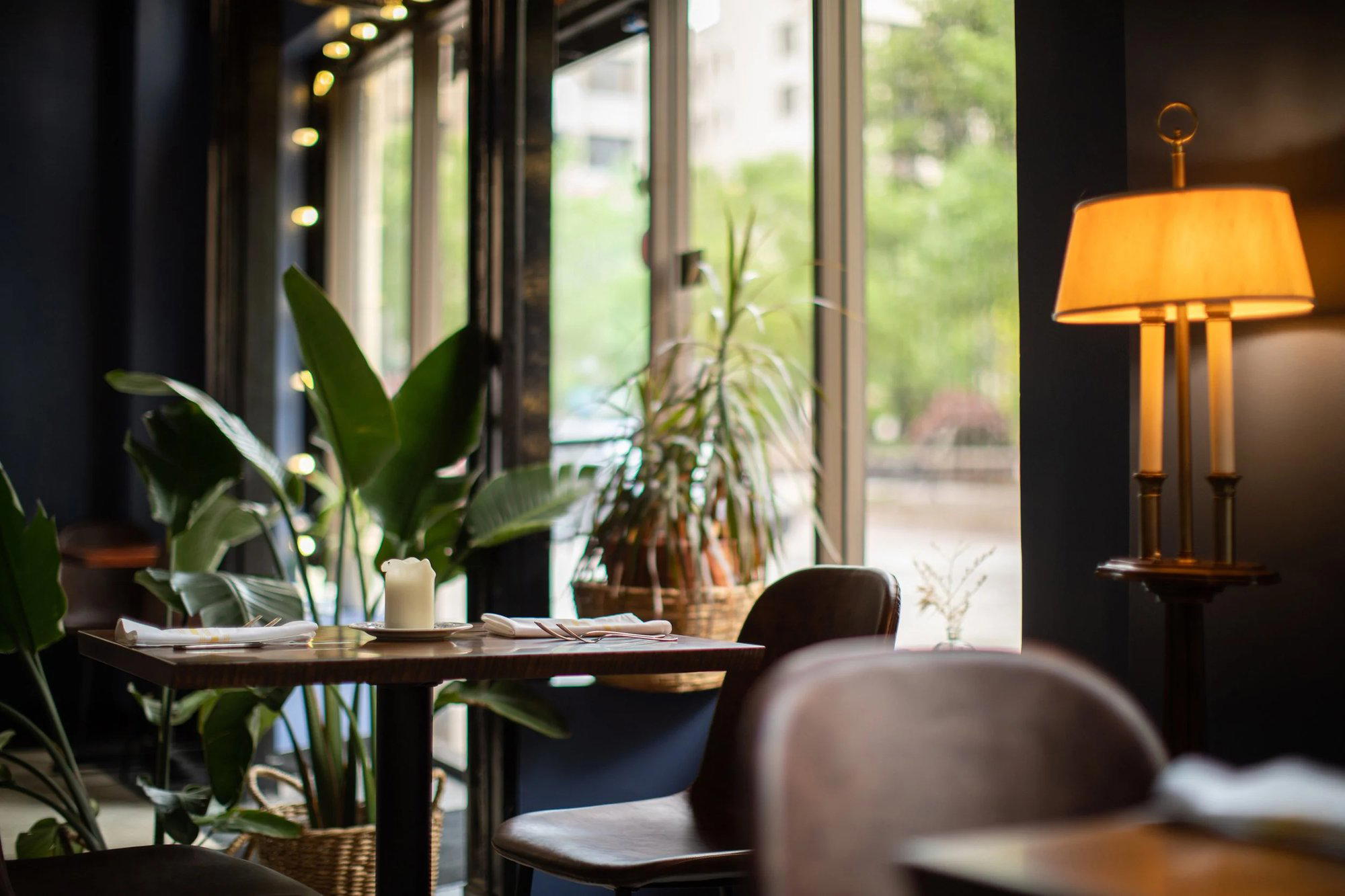
Dim lighting with black walls, chandeliers, and a speakeasy atmosphere that feels posh, mysterious, and exclusive.