East Village Bohemian Pizzeria
On East 3rd Street in Tulsa's Brady Arts District, East Village Bohemian Pizzeria occupies the kind of neighbourhood slot that cities build around over decades: a casual, community-anchored spot where the pizza is the point and the regulars set the tone. It sits among a stretch of independent venues that define the district's character, making it a reliable reference point for how the area eats.
Pearl is the En Primeur Club membership app — saves, bookings, and concierge access live there. Same editors, same standards.
- Address
- 818 E 3rd St, Tulsa, OK 74120
- Phone
- +1 918 895 6999
- Website
- eastvillagebohemian.com
- Directions
- Get directions
 Saves & bookings on Pearl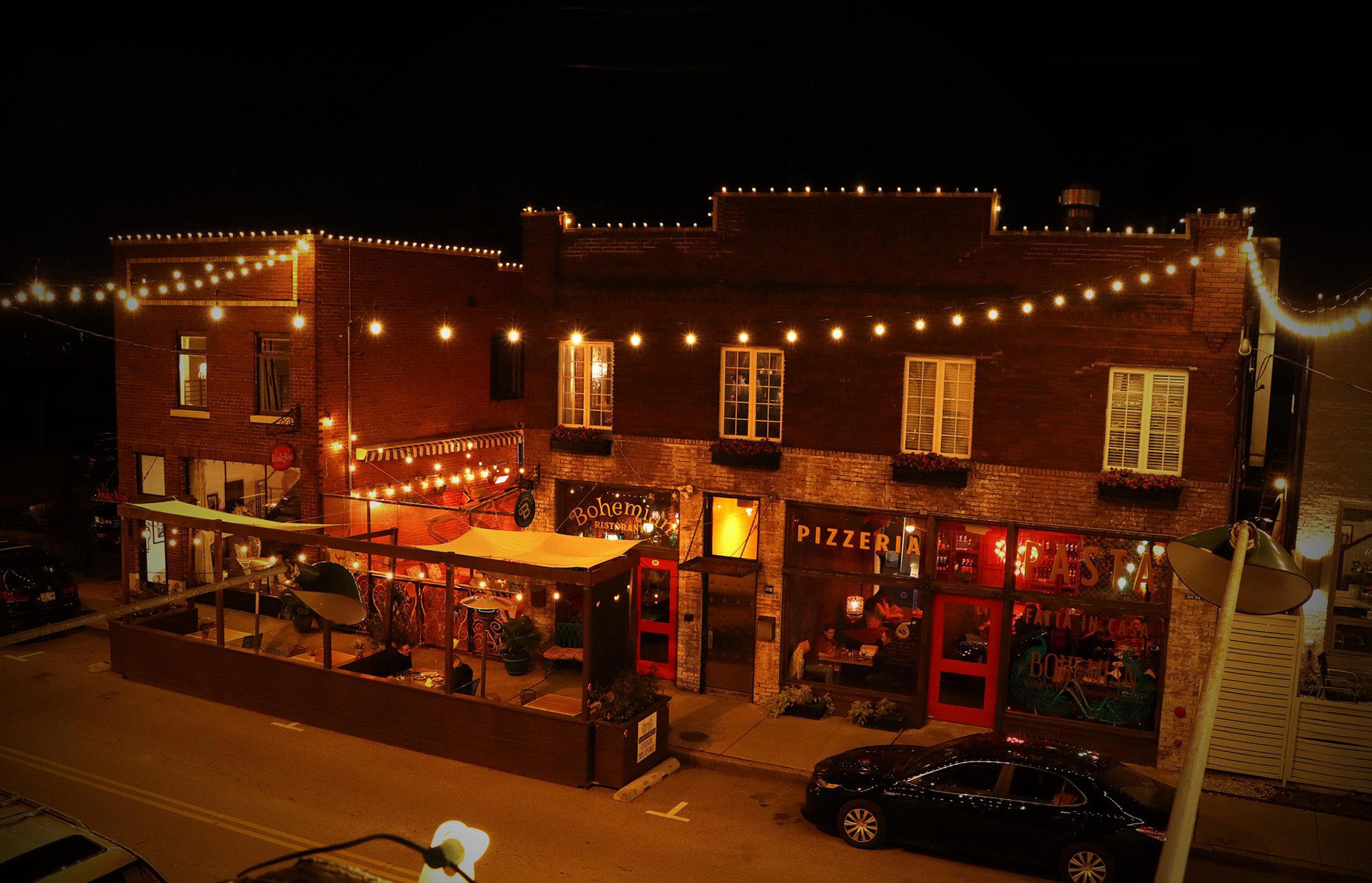
The Block That Shaped the Spot
East 3rd Street in Tulsa's Brady Arts District has long functioned as a corridor for independent, community-rooted venues rather than franchise formats. The neighbourhood draws a mix of artists, longtime residents, and spillover from nearby galleries and music venues. East Village Bohemian Pizzeria at 818 E 3rd St sits squarely in that pattern. "Bohemian" in this context is less a design concept and more a declaration of neighbourhood alignment, the kind of place that doesn't need a PR strategy because its regulars do that work for it.
That dynamic matters in a city like Tulsa, where the independent dining scene has built real momentum over the past decade without abandoning the local-first identity that makes it coherent. The Brady Arts District in particular has consolidated a cluster of independent operators, from the slow-smoke tradition represented by Albert G's Bar-B-Q to the longstanding Mexican food institution El Rancho Grande Mexican Food, each holding a specific community role rather than competing for the same customer. East Village Bohemian Pizzeria fits that ecology: pizza as a daily-use format, not a special occasion.
What the Pizza Format Signals
Pizza, more than most formats, is a community barometer. The places that last in a neighbourhood are rarely the ones chasing press; they're the ones whose pies are consistent enough that regulars don't reconsider. The "bohemian" framing in the name points toward a less conventional approach, likely more interested in character than in adherence to Neapolitan or New York orthodoxy. What the name and address together suggest is a venue operating in a register closer to neighbourhood staple than destination dining, and in the Brady Arts District, that is not a downgrade.
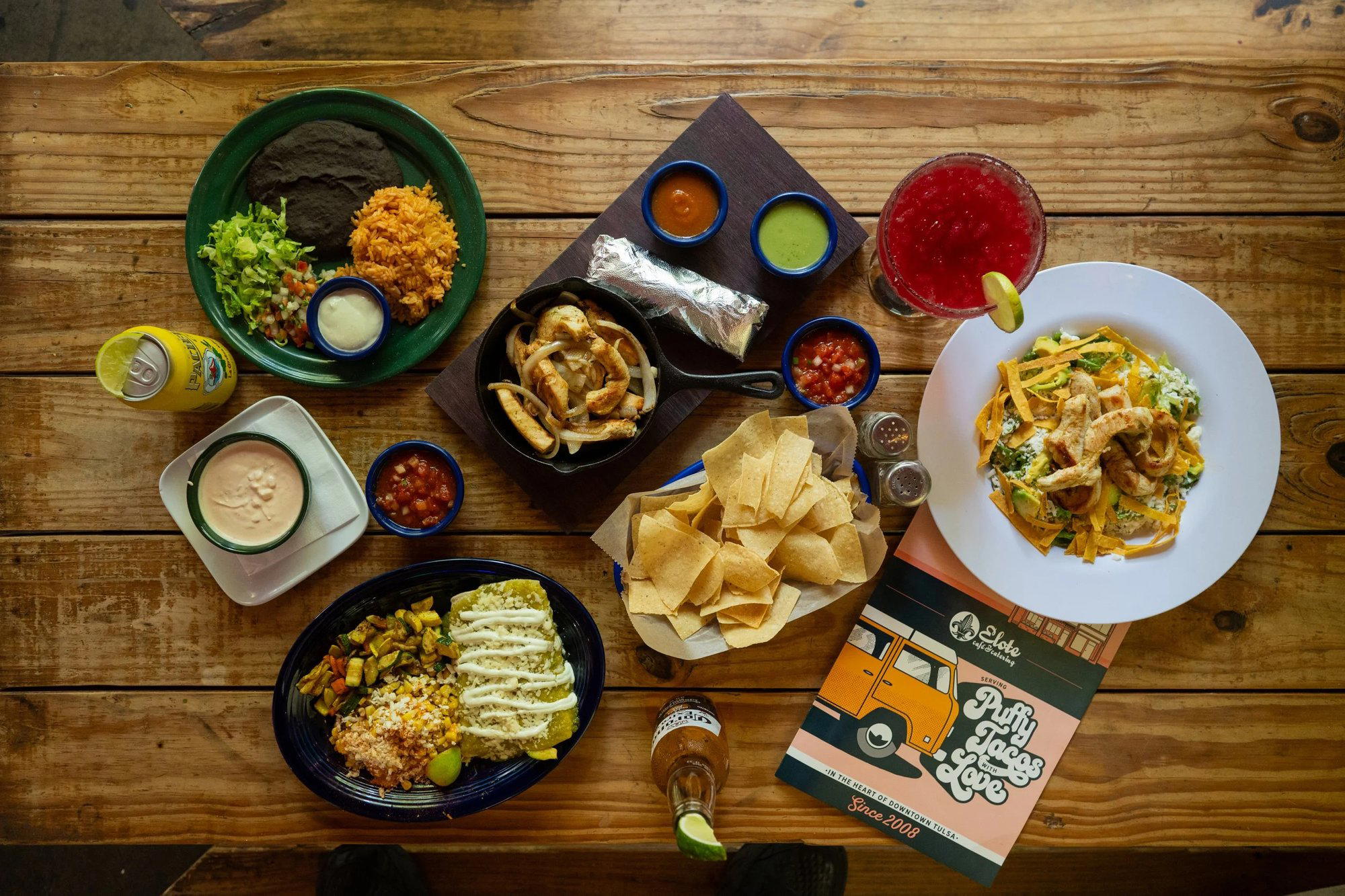
Tulsa's independent pizza scene sits in a broader American context where mid-tier cities have increasingly developed their own distinct pizza identities, separate from the coastal conversations about sourdough fermentation timelines and flour provenance. Places like Elote Cafe & Catering and Gigi's Chinese Cuisine in the same city demonstrate that Tulsa's diners support a genuinely plural food culture, not a single dominant format. A pizzeria that holds its ground in that environment is one that has earned its place through repetition and reliability, not novelty.
The Neighbourhood Watering Hole Principle
There is a category of venue that functions less as a restaurant in the formal sense and more as a neighbourhood anchor, the place where the same faces appear on a Tuesday as on a Saturday, where the staff know orders before they're given, and where the room feels like an extension of the street outside. East Village Bohemian Pizzeria appears to occupy that role in its stretch of East 3rd. The Brady Arts District has enough foot traffic from cultural events and enough residential density nearby to sustain that kind of loyalty economy.
That model, sometimes dismissed as informal, is actually the more durable one. The cocktail bars that tend to sustain serious reputations over years, from Kumiko in Chicago to Jewel of the South in New Orleans to Bar Leather Apron in Honolulu, share one thing with the leading neighbourhood pizzerias: they are built around a consistent experience that people return to, not a single impressive moment. The same logic applies to a Tulsa pizzeria that has made its home in a district defined by independent operators with genuine local roots.
Across American cities, venues that anchor a neighbourhood block over years, rather than cycling through concepts, provide a kind of civic infrastructure that newer operators depend on. The regulars at a place like this are often the same people who fill the rooms at nearby cultural venues, and the cross-pollination between dining anchors and arts programming is part of what gives districts like Brady their coherence.
Context in the American Pizza Conversation
American pizza has fractured productively over the past two decades. The Neapolitan revival brought certified wood-fired protocols and strict ingredient sourcing to cities that had previously only known delivery chains; Detroit-style pans gained a second wave of national recognition; New York slices became a formal subculture complete with regional loyalists. Independent pizzerias in mid-sized cities have navigated that proliferation in different ways. Some adopted one of the named styles wholesale; others continued making pizza that resists easy categorisation, shaped by local preferences rather than coastal trend cycles.
Venues operating in that second mode, which seems the more likely fit for a place called Bohemian on a street like East 3rd, tend to be evaluated by their regulars on different criteria than critics apply. Consistency of crust texture over six months. Whether the margins-to-price ratio holds up. Whether the room still feels like the neighbourhood, or has started to feel like a version of it curated for visitors. These are harder to measure, but they are what keep a local dining anchor alive. The contrast is visible across the US: technically polished venues in food-press-friendly cities sometimes close within two years, while the Brady Arts District equivalent keeps its lights on by being genuinely useful to the people who live nearby.
American independent dining operates differently across city tiers. Julep in Houston, Superbueno in New York City, ABV in San Francisco, and The Parlour in Frankfurt on the Main each demonstrate how venue identity anchors to neighbourhood character rather than floating free of it. East Village Bohemian Pizzeria is Tulsa's version of that principle applied to pizza.
Planning Your Visit
East Village Bohemian Pizzeria is located at 818 E 3rd St in the Brady Arts District. It is a casual venue where reservations are recommended, and current hours should be checked before visiting. The surrounding block on East 3rd rewards an evening of combined stops: the district's independent restaurant cluster means that a meal here can sit naturally within a longer stretch of the neighbourhood rather than being a standalone destination trip.
Accolades, Compared
| Venue | Awards |
|---|---|
| East Village Bohemian PizzeriaThis venue — the venue you are viewing | This venue |
Continue exploring
More in Tulsa
Bars in Tulsa
Browse all →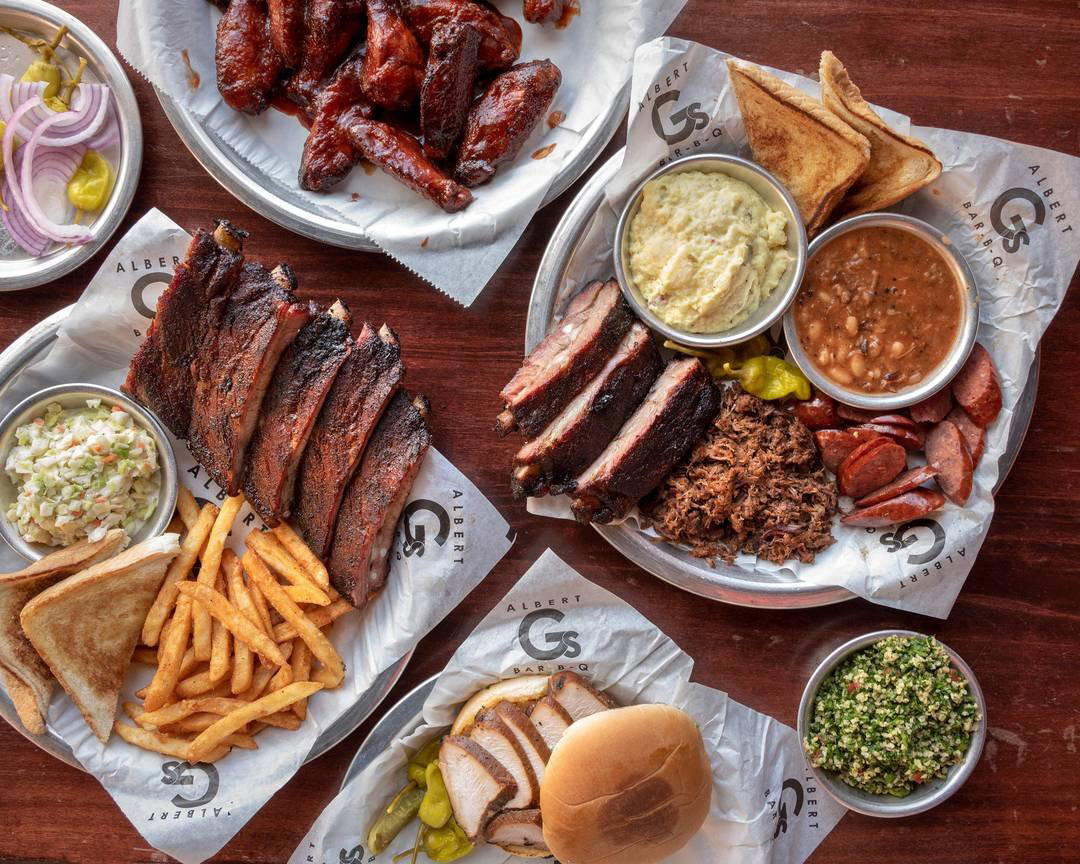
Restaurants in Tulsa
Browse all →
Hotels in Tulsa
Browse all →
At a Glance
- Trendy
- Bohemian
- Lively
- Date Night
- Casual Hangout
- Group Outing
- Outdoor Terrace
- Lounge Seating
- Craft Cocktails
Current opening hours
- Monday
- Closed
- Tuesday
- 11 AM–9 PM
- Wednesday
- 11 AM–9 PM
- Thursday
- 11 AM–9 PM
- Friday
- 11 AM–10 PM
- Saturday
- 11 AM–10 PM
- Sunday
- 11 AM–9 PM
Hours can change for holidays and private events. Last verified .
Hipster and trendy atmosphere with casual yet lively energy, well-suited for welcoming dining experiences.
Know Before You Go
- Getting there
- 818 E 3rd St, Tulsa, OK 74120