Albert G's Bar-B-Q
Albert G's Bar-B-Q occupies a corner of downtown Tulsa's First Street corridor where Oklahoma's pit tradition meets a no-frills counter format. The address at 421 E 1st St places it squarely in the older civic fabric of the city, alongside a dining scene that ranges from long-running Mexican kitchens to independent pizza operations. For visitors working through Tulsa's barbecue options, Albert G's represents the category's street-level, walk-in end.
Pearl is the En Primeur Club membership app — saves, bookings, and concierge access live there. Same editors, same standards.
- Address
- 421 E 1st St, Tulsa, OK 74120
- Phone
- +1 918 728 3650
- Website
- albertgs.com
- Directions
- Get directions
 Saves & bookings on Pearl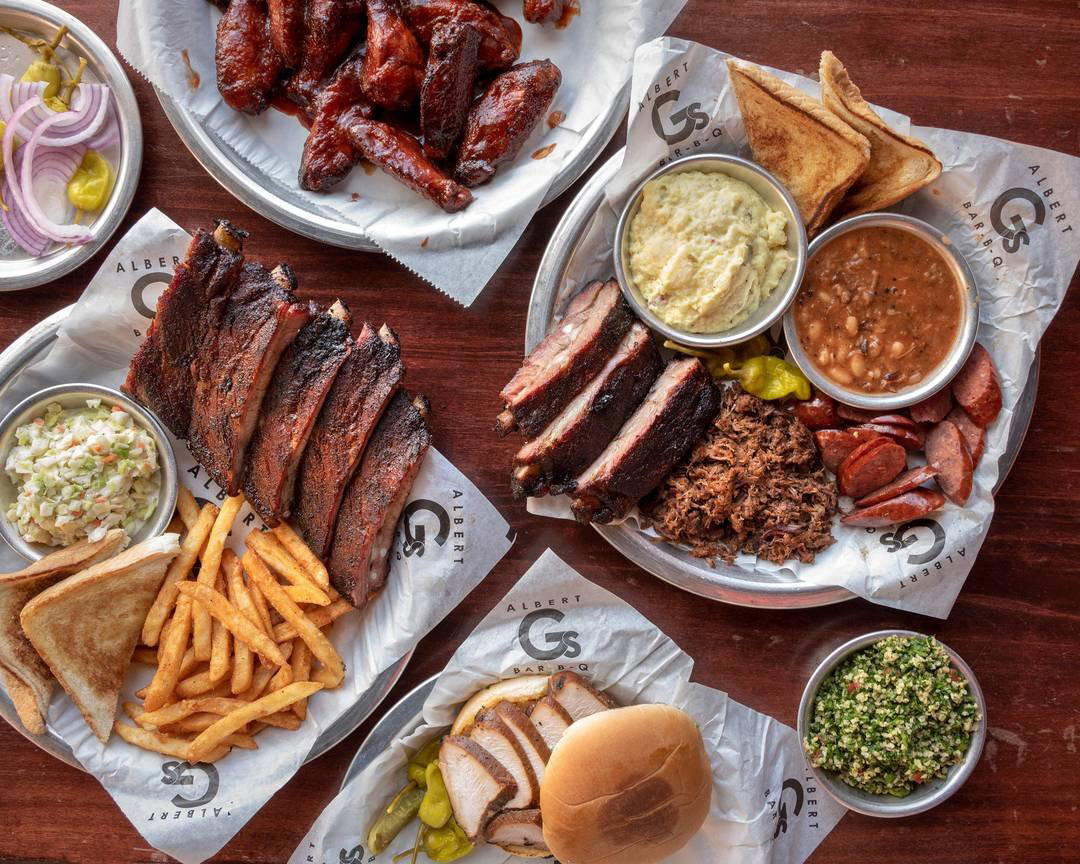
First Street and the Weight of Smoke
Downtown Tulsa's First Street has always carried a certain functional honesty. The blocks around 421 E 1st St are not the renovated Arts District corridors that draw weekend foot traffic further east, nor the polished Brady Arts edges that attract design-conscious visitors. This is older Tulsa: wide sidewalks, low-slung buildings, and a street grid that predates the oil-boom architectural flourishes you find further in. Albert G's Bar-B-Q sits inside that context, occupying a spot where the expectation is product over presentation and where the transaction is simple: you come for smoked meat, and the room does not distract you from it.
Oklahoma's barbecue identity occupies an interesting position in the broader American pit canon. It sits geographically between Texas's beef-forward, post-oak tradition to the south and Kansas City's sauce-heavy, mixed-cut format to the north, and the state's own barbecue output has historically absorbed from both without fully committing to either. Tulsa in particular has maintained a barbecue culture that tilts more toward community-rooted counter operations than the chef-driven smokehouse model that has colonized cities like Austin and Nashville over the past decade. Albert G's belongs to that older, less theatrically curated end of the spectrum.
The Counter Format and What It Asks of You
The counter-service barbecue format carries its own hospitality logic, and it is worth understanding before you arrive. The person behind the counter at a place like Albert G's is not performing a tasting menu reveal or managing a wine pairing. The craft here is in the pit work done hours before service: the fire management, the wood selection, the temperature discipline that determines whether brisket renders correctly or tightens into something dry and disappointing. By the time a customer reaches the counter, the outcome is already set. The skill on display at the service moment is really the downstream expression of decisions made at 4 a.m.
That front-of-counter role, underappreciated in most dining criticism, is closer in spirit to what the leading bars achieve: read the customer quickly, give an honest recommendation, don't oversell, and let the product carry the weight. The bar and barbecue counter share this economy of interaction. It is no coincidence that American cities with strong barbecue cultures also tend to have strong counter-drinking cultures, where the value is in the pour and the brief exchange rather than the elaborate service ritual. Tulsa's broader bar scene has developed its own version of this directness, a quality you can trace across different categories in the city's hospitality offerings.
Where Albert G's Sits in Tulsa's Dining Geography
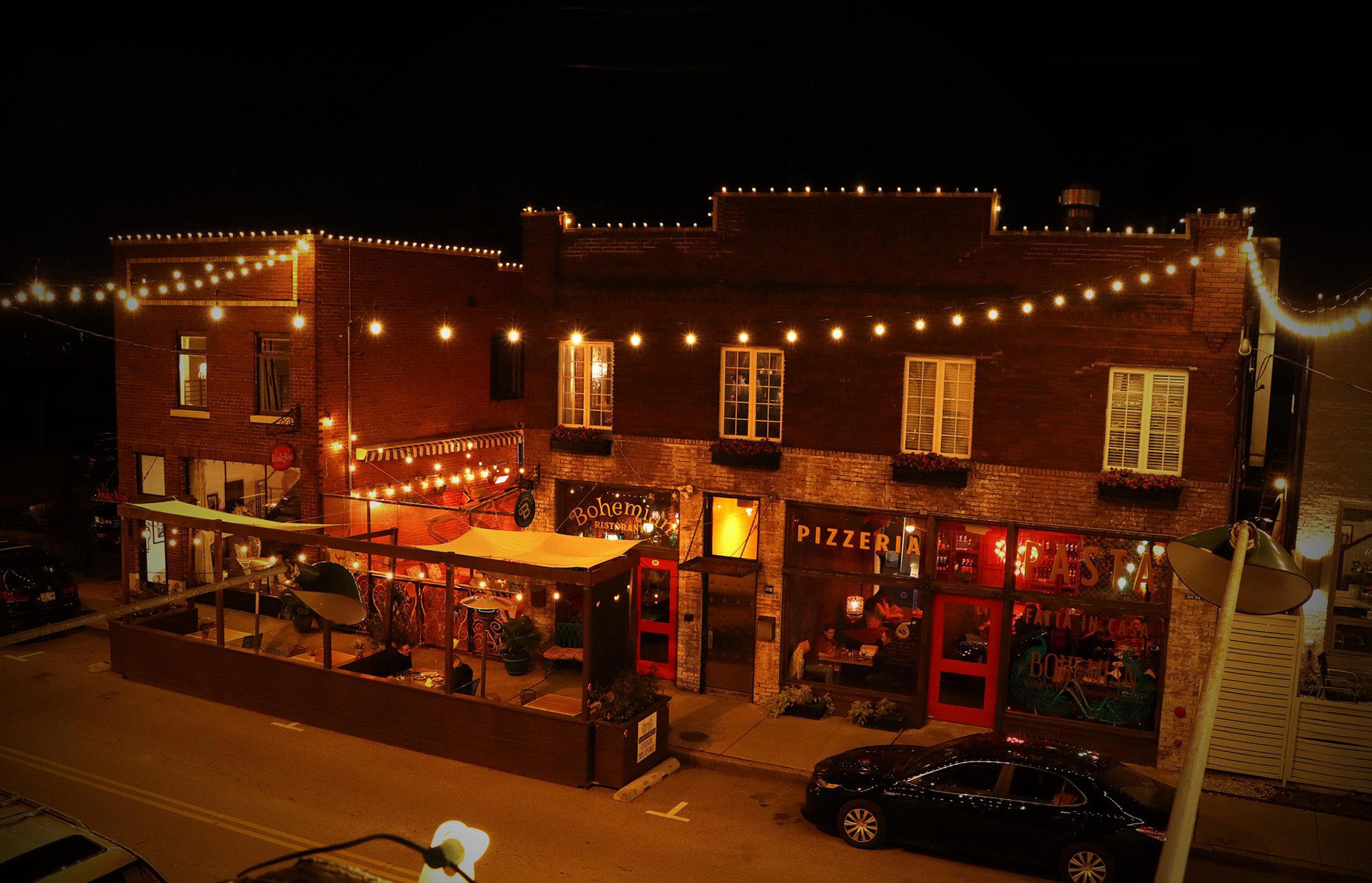
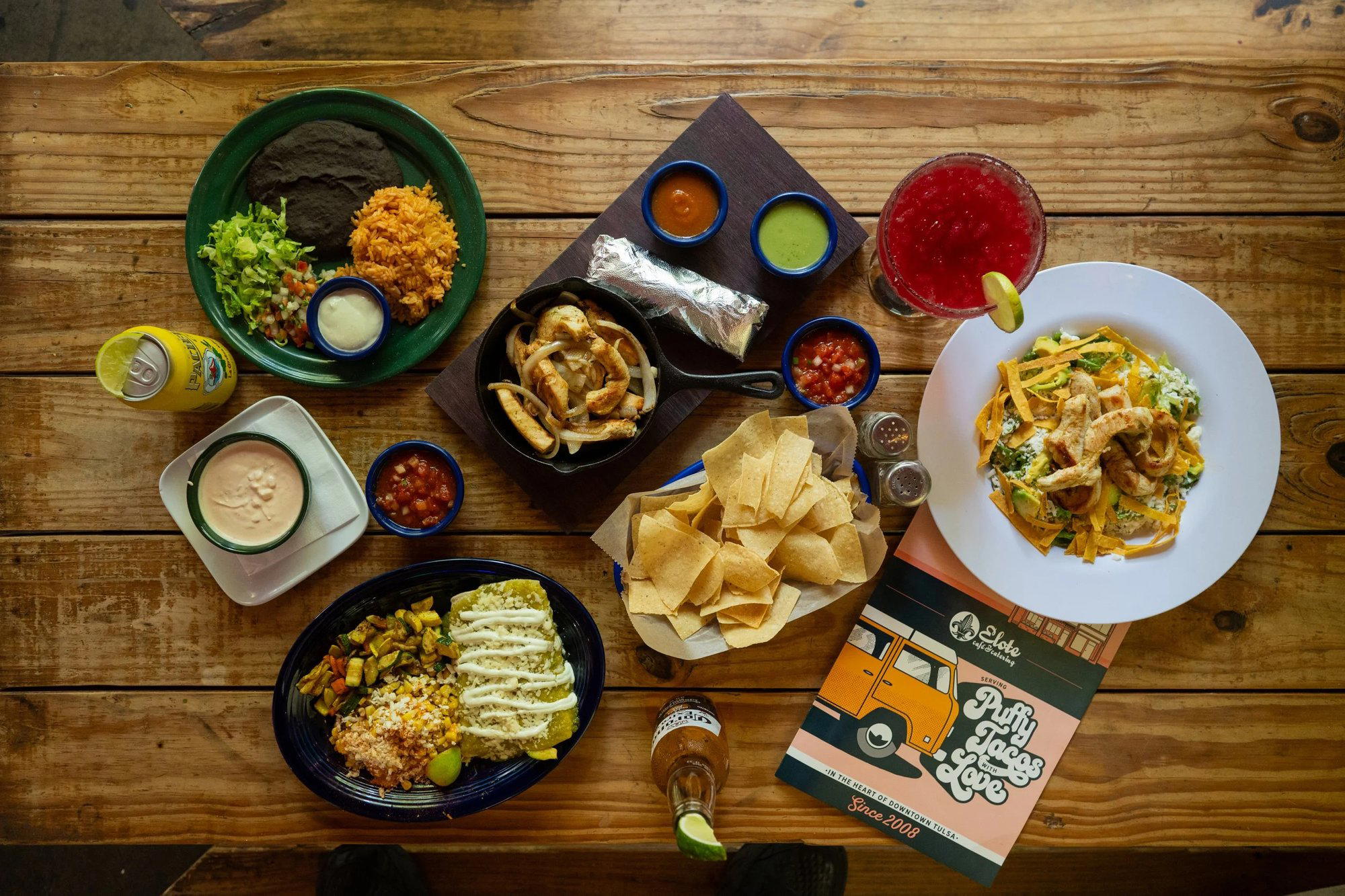
Tulsa's independent dining scene has diversified considerably in the past decade without losing its preference for formats that prioritize the food itself over the setting around it. The city's First Street and Brady Arts area now support a range of operations, from the neighborhood pizza format represented by East Village Bohemian Pizzeria to the long-established Mexican kitchen tradition of El Rancho Grande Mexican Food. Regional cooking with a more contemporary edge appears at places like Elote Cafe & Catering, while pan-Asian formats occupy a different quadrant of the market at Gigi's Chinese Cuisine. Albert G's sits at the most traditional end of this range: a format with deep American roots and minimal mediation between the pit and the plate.
For visitors building a broader picture of the city's food culture, this diversity is the point. Tulsa is not a single-cuisine city, and the barbecue tradition exists alongside, not above, the other long-running independent operations. Our full Tulsa restaurants guide maps this range more completely, with coverage across neighborhoods and price tiers.
Barbecue Counter Craft in National Context
The craft-focused, counter-led format that Albert G's represents has a parallel in the American bar world, where skill and restraint have replaced spectacle as the primary value signal. The cocktail programs at Kumiko in Chicago and Jewel of the South in New Orleans operate on a similar philosophy: the work is technical, the presentation is composed, and the theatrics are minimal. Julep in Houston applies that same economy to a Southern American context not entirely unlike Oklahoma's own relationship to regional tradition. Further afield, Bar Leather Apron in Honolulu, ABV in San Francisco, Superbueno in New York City, and The Parlour in Frankfurt each demonstrate, in different national contexts, that the most durable hospitality formats share a preference for substance over staging. The barbecue counter is simply a different medium for the same argument.
Planning Your Visit
Albert G's Bar-B-Q is located at 421 E 1st St in downtown Tulsa, within walking distance of the broader First Street and Brady Arts corridor. The walk-in, counter-service format means no reservation is required, and the practical advice that applies to most barbecue counters of this type applies here: arrive before peak lunch hours if you want the full range of cuts available, since pit supply is finite and the most sought-after items sell through before closing. The downtown address is accessible by car with street parking along E 1st St, and is roughly equidistant from the Brady Arts District to the west and the Greenwood corridor to the north.
Continue exploring
More in Tulsa
Bars in Tulsa
Browse all →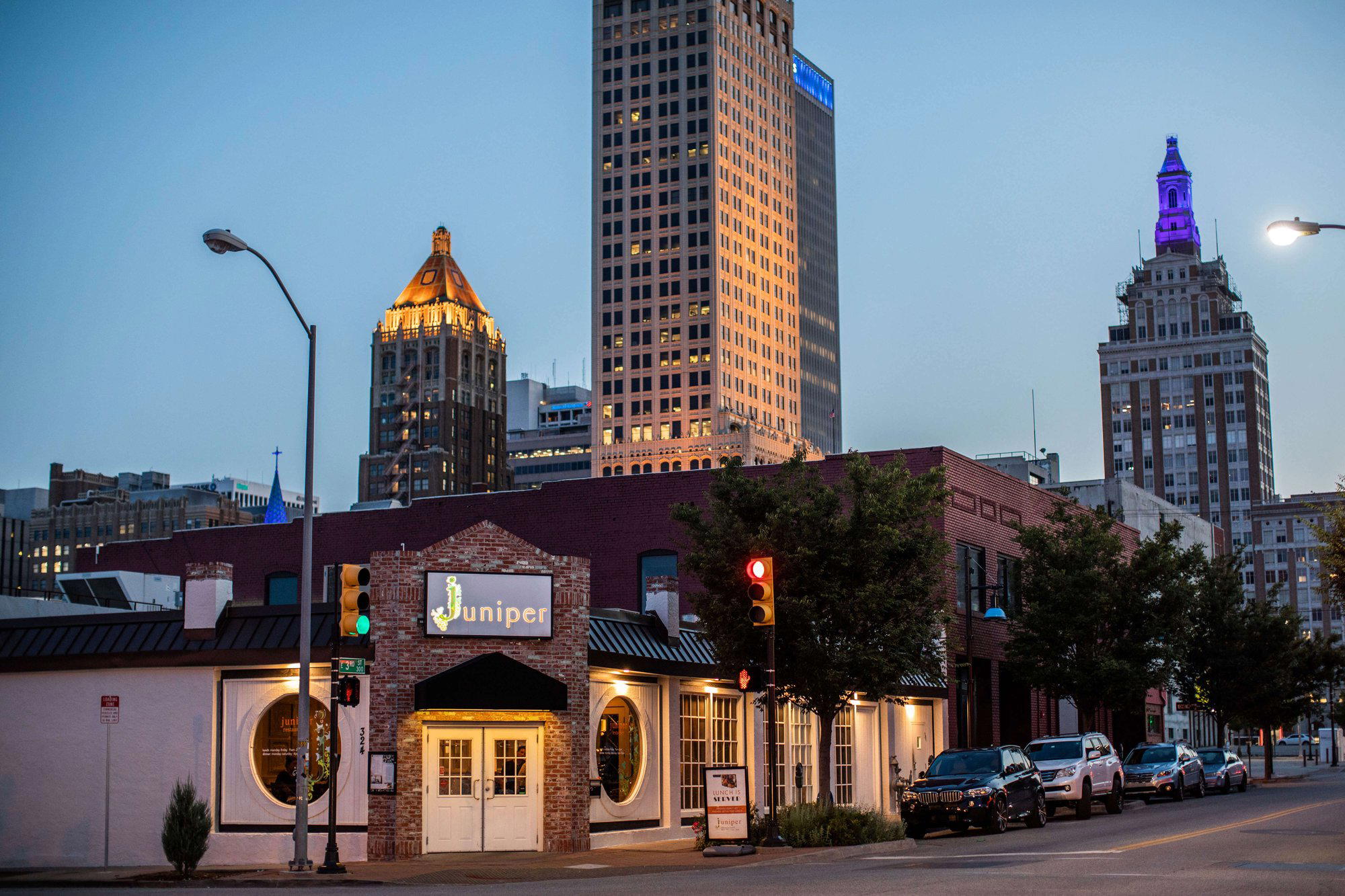
Restaurants in Tulsa
Browse all →
Hotels in Tulsa
Browse all →
At a Glance
- Rustic
- Lively
- Group Outing
- Casual Hangout
- After Work
- Standalone
- Booth Seating
- Seated Bar
- Private Rooms
- Whiskey
- Craft Beer
Current opening hours
- Monday
- 11 AM–8 PM
- Tuesday
- 11 AM–8 PM
- Wednesday
- 11 AM–8 PM
- Thursday
- 11 AM–8 PM
- Friday
- 11 AM–9 PM
- Saturday
- 11 AM–9 PM
- Sunday
- Closed
Hours can change for holidays and private events. Last verified .
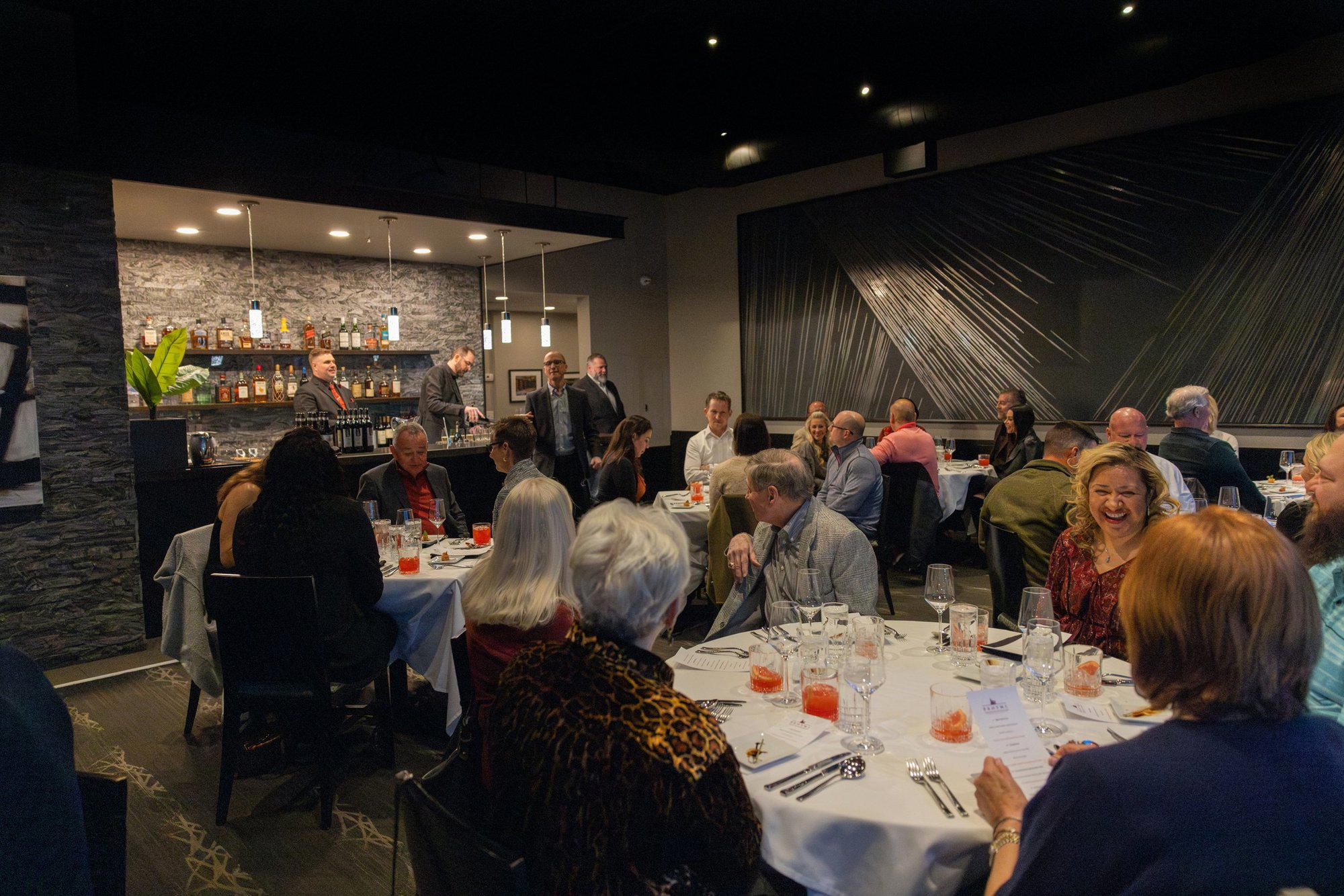
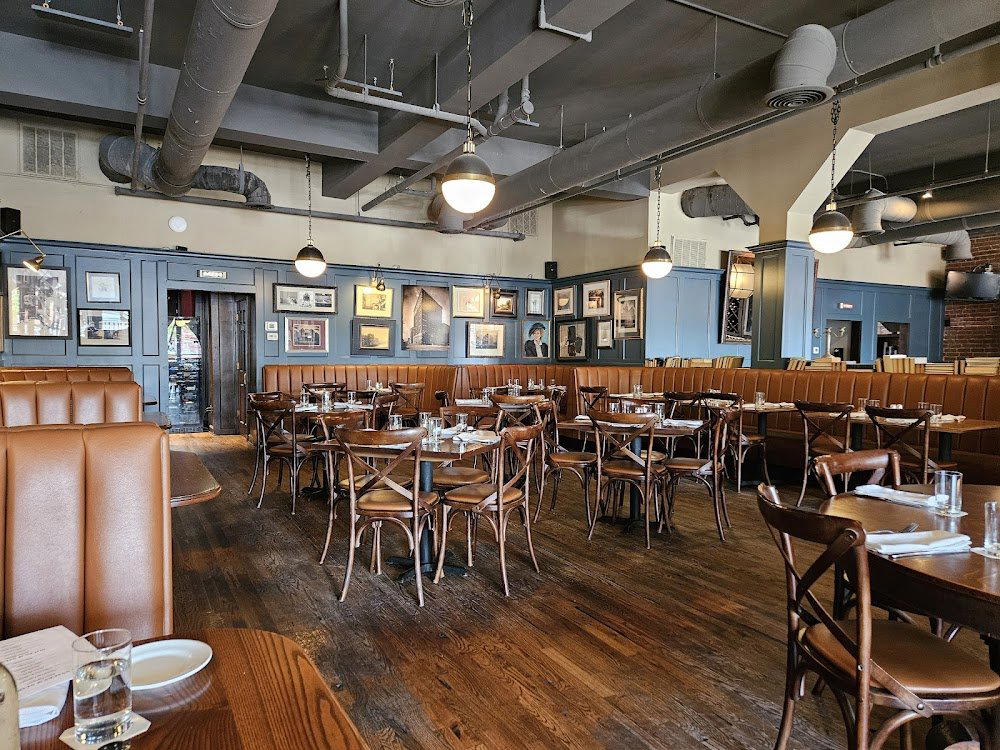
Big space with tables, booths, bar, high ceilings, a bit dark, and sports bar vibe with multiple TVs.
Know Before You Go
- Getting there
- 421 E 1st St, Tulsa, OK 74120