
Nobumi gives Tajimi’s everyday-dining culture a serious reference point: cafeteria cooking and oden rather than ceremony, with selection for Tabelog 100 - Diner - 2026 adding a clear trust signal. The appeal is in regional informality, drinks that run from sake to shochu and wine, and a small-room format suited to a casual dinner rather than a destination tasting menu.
Pearl is the En Primeur Club membership app — saves, bookings, and concierge access live there. Same editors, same standards.
- Address
- 4 Chome-19-4 Odamachi, Tajimi, Gifu 507-0023, Japan
- Phone
- +81 572-23-8108
- Website
- japoncompany.business
 Saves & bookings on Pearl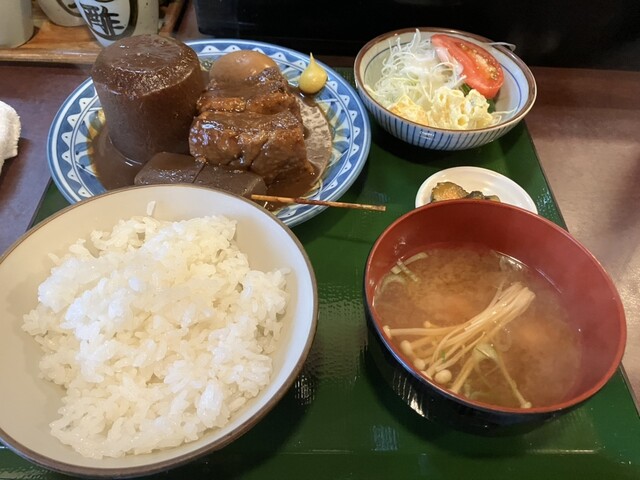
Approaching a small Tajimi diner changes the register of a meal before anything reaches the table. The city is better known internationally for ceramics than for destination restaurants, and that matters: dining here often feels tied to craft, household rhythms, and practical hospitality rather than spectacle. Nobumi sits inside that frame, working in the cafeteria and oden category, a form of Japanese cooking where sourcing and simmering carry more weight than presentation theater.
Oden is not a luxury code word. It is a test of restraint: broth, timing, seasonal vegetables, fish paste, tofu, egg, and the quiet discipline of holding ingredients so they absorb flavor without collapsing into sameness. Cafeteria cooking in Japan can be equally revealing because it depends on repeatability and trust. Diners return when the kitchen understands what belongs together, what can sit in broth, what needs freshness, and what drinks make sense beside it. Selection for Tabelog 100 - Diner - 2026 places Nobumi in a national conversation about ordinary formats taken seriously.
Oden and cafeteria cooking, treated as a sourcing argument
Tajimi’s restaurant culture rewards specificity over gloss. A meal built around oden and cafeteria dishes asks where the ingredients come from, how they are prepared, and whether the kitchen respects their limits. In a ceramic town, that relationship between material and use is easy to understand: food does not need elaborate staging when the format already carries local intelligence.
The drinks list reinforces that grounded approach. Sake, shochu, and wine cover three different modes of pairing: rice polish and umami for simmered dishes, distilled sharpness for richer plates, and wine for diners who want acidity or fruit against salt and broth. That range signals a neighborhood dinner room rather than a rigid tasting format. It also gives the meal a broader audience, from local regulars to travelers using Tajimi as more than a ceramics stop.
In the local comparison set, the distinction is useful. Shinano Ya occupies a lighter everyday bracket, while Niku no Higuchi Chokuei Yakiniku Yasufuku Honten and Kominka Yakiniku Kotori pull the city’s appetite toward beef and grill culture. Una Sen sits closer in occasion, a focused Japanese meal built around a clear tradition. Nobumi’s angle is less singular than eel and less meat-led than yakiniku; its strength is the diner format itself, where several modest categories can form a complete evening.
Why the small-room format matters in Tajimi
Twenty seats changes the tempo. Small Japanese diners often work because the room compresses decision-making: the menu does not need to behave like a hotel restaurant, and the kitchen can keep the meal close to the scale of daily cooking. That intimacy is not the same as exclusivity. It means the experience depends on local habits, limited covers, and a narrower margin for drift.
For travelers, the setting also affects how to read the city. Tajimi’s food scene is not built only around celebratory meals. Its appeal is the overlap between craft tourism, regional households, and restaurants that serve residents first. A diner recognized in a national awards list gives the city a credible counterpoint to bigger Japanese dining centers without pretending to be Tokyo or Kyoto. The editorial case is strongest for visitors who want a grounded dinner after galleries, kilns, or a ceramics-focused itinerary.
The broader Japan map helps clarify the choice. Travelers building a route around casual regional cooking might pair Tajimi research with -Grilled beef Sukiyaki- KAMAKURA TANUKIAN 鎌倉 たぬき庵 in Kamakura. 鮪と炭火焼き うお炭 秋葉原店 in Tokyo.cafe in Osaka.know in Kumamoto, (Shoku) Vietnam in Kawasaki, [Curry Senmon Ten] Maruyama Kyoju. in Sapporo, or [ki:] in Kyoto. For a wider sake-and-casual-food lens outside Japan, Jōdo Saké Bar in Los Angeles and Onigiri Time in Pasadena show how Japanese everyday formats travel, though the Tajimi version remains rooted in local routine.
How to plan the meal without overcomplicating it
This is not a venue that needs a grand narrative to justify the detour. The case is practical and cultural: a compact diner in Tajimi, recognized by Tabelog’s diner list, serving cafeteria cooking and oden with sake, shochu, and wine. The meal belongs to a category where ingredient handling matters more than luxury cues, and that is exactly why it suits the city.
Use Nobumi as a dinner anchor rather than an all-day plan, then build the rest of the stay around Tajimi’s stronger travel logic. The restaurant guide gives the food context, while hotels, bars, wineries, and experiences help decide whether the city is a single-night stop or part of a longer Gifu route: Our full Tajimi restaurants guide, Our full Tajimi hotels guide, Our full Tajimi bars guide, Our full Tajimi wineries guide, and Our full Tajimi experiences guide.
Quick Comparison
Comparable venues by cuisine and price in the same metro.
| Venue | Cuisine | Price | Notes |
|---|---|---|---|
| NobumiThis venue — the venue you are viewing | Casual Japanese | $ | Not listed |
| Kominka Yakiniku Kotori | Traditional Yakiniku in a Renovated Kominka | $$ | Takaramachi |
| Shinano Ya | Japanese Udon & Ramen | $ | Uenocho |
| Una Sen | Traditional Japanese Unagi (eel) restaurant | $$ | Aokicho |
| Niku no Higuchi Chokuei Yakiniku Yasufuku Honten | Yakiniku & Hida Beef | $$$ | Tajimi |
| Koja Sobaya (古謝そば屋) | Traditional Miyako Soba | $ | Hirara, Miyakojima City |
Recognition history
Dated appearances from independent guides and award organizations, with the underlying list record or original source where available.
Tabelog 100 #38 · No. 38
Tabelog · Tabelog 100 - Diner - 2026
Continue exploring
More in Tajimi
Restaurants in Tajimi
Browse all →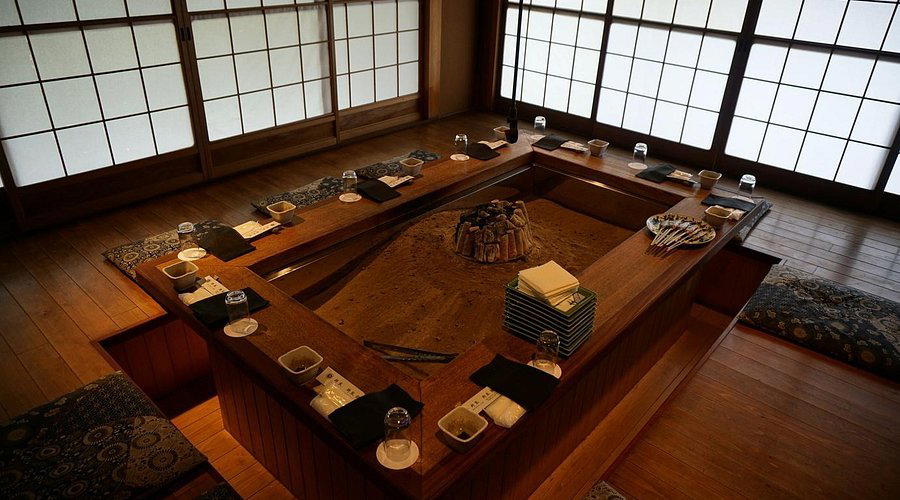




At a Glance
- Casual
- Casual Hangout
- After Work
- Group Dining
- Solo
- Standalone
Current opening hours
- Monday
- Closed
- Tuesday
- 5–9:30 PM
- Wednesday
- 5–9:30 PM
- Thursday
- 5–9:30 PM
- Friday
- 5–9:30 PM
- Saturday
- 5–9:30 PM
- Sunday
- 5–9:30 PM
Hours can change for holidays and private events. Last verified .