
Kominka Yakiniku Kotori puts Tajimi’s yakiniku scene in a sharper regional frame: a converted old-house setting, brand-beef sourcing, and recognition in Tabelog’s Yakiniku EAST 100 for 2025. It is not a Tokyo-style luxury counter transplanted to Gifu; it is a local grill room where meat selection, private-room flexibility, and family usability matter as much as ceremony.
Pearl is the En Primeur Club membership app — saves, bookings, and concierge access live there. Same editors, same standards.
- Address
- 3 Chome-38 Takaramachi, Tajimi, Gifu 507-0054, Japan
- Phone
- +81 572-56-2929
- Website
- kominkayakiniku-kotori.com
 Saves & bookings on Pearl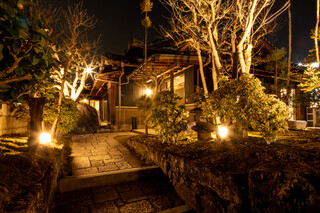
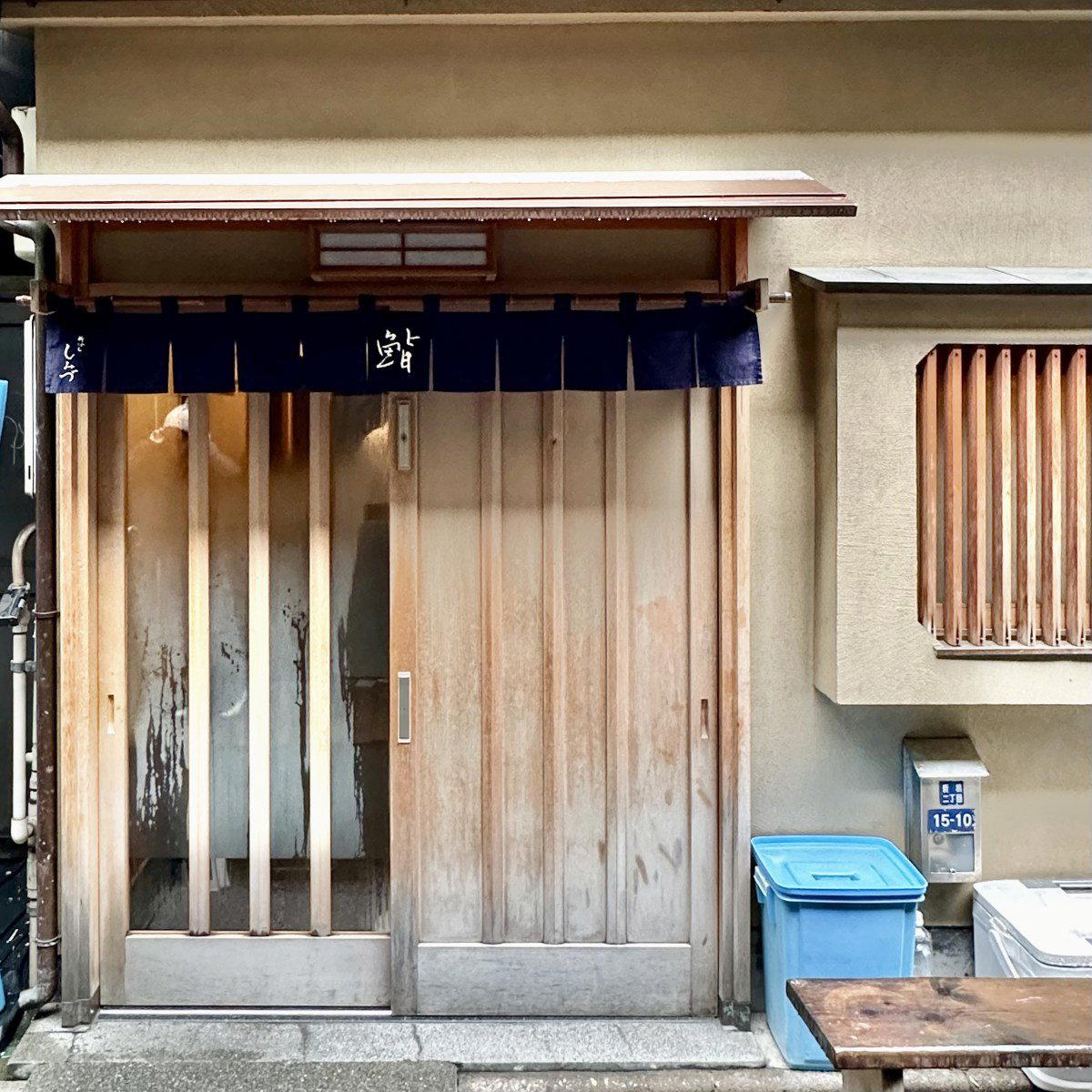
The appeal begins with the room type before the grill is lit. Tajimi is a city better known to many travelers through ceramics than destination dining, so a yakiniku house in a renovated kominka shifts the tempo: timber, domestic scale, tatami seating, counter seats, and table seating create a format closer to a regional gathering place than a metropolitan tasting-menu room. In that setting, beef has to carry the evening. Yakiniku is a test of sourcing as much as cooking because the guest controls heat, timing, and doneness at the table; the restaurant’s job is to buy well, cut cleanly, and provide enough structure for the meal to feel composed rather than improvised.
Kominka Yakiniku Kotori sits in that ingredient-led lane. Its public description points to carefully selected brand beef and a Level 1 Meat Specialist credential, which matters in a category where the difference between a satisfying grill and a serious one often appears before seasoning: marbling, thickness, offal handling, and the sequence in which cuts arrive. Tajimi has other useful reference points, including Niku no Higuchi Chokuei Yakiniku Yasufuku Honten for another local yakiniku comparison, Nobumi for a different casual-dining register, Shinano Ya for lower-spend local eating, and Una Sen for eel at a separate price tier. Against that local group, this is the meat-focused choice with the clearest awards signal.
Brand beef, offal, and izakaya range make the grill the center of gravity
Japanese yakiniku rewards restaurants that understand both luxury cuts and everyday appetites. The category can lean toward wagyu theatre, but regional houses often earn loyalty by balancing beef, horumon, rice, soup, drinking snacks, and family pacing. Here the listed categories extend beyond yakiniku into motsu-nabe and izakaya-style dining, which suggests a broader meal structure than a narrow beef-only progression. That range is useful in Tajimi, where dinner may be a date, a family meal, or a small celebration rather than a destination reservation built around a single chef’s counter.
The Tabelog Yakiniku EAST 100 selection for 2025 gives the restaurant a meaningful external marker. Tabelog’s Hyakumeiten lists are particularly relevant in Japan because they recognize depth within specific genres rather than folding every restaurant into one fine-dining hierarchy. For yakiniku, that matters: a grill house should be judged against other grill houses, not against sushi, kaiseki, or French-influenced tasting rooms. The restaurant was also selected for the Tabelog Grill EAST 100 in 2024, placing it in a regional conversation that extends beyond Tajimi while remaining tied to an accessible, table-grill format.
That distinction is important for travelers passing through Gifu. A Tokyo or Osaka dining itinerary often chases scarcity: counter seats, chef-led pacing, and a narrow reservation window. Tajimi’s stronger proposition is different. The city rewards meals that connect to local routines, with enough craft to justify the stop but not so much ceremony that the evening becomes stiff. Yakiniku fits that rhythm because it is social, tactile, and ingredient-forward. The quality of the beef does the serious work; the room lets the meal stay relaxed.
A kominka format that works for groups without losing the meat focus
The physical format supports several kinds of dining. The restaurant lists 51 seats across counter, table, and tatami areas, with private rooms for small parties and larger groups. That is not a minor operational detail in yakiniku. Smoke, pace, and shared plates can make grill restaurants awkward for mixed-age groups if the room is tight or the seating is inflexible. A house-style layout gives the meal more elasticity: couples can keep the evening contained, families can spread out, and larger parties can treat the grill as the center of a longer gathering.
Drink range also matters here. Sake, shochu, wine, and cocktails are listed, with particular attention to sake, shochu, and wine. Yakiniku’s pairing logic is broader than many visitors assume. Beer is the default in casual settings, but fattier beef, offal, and tare-seasoned cuts can work with shochu or structured reds; lighter grilled items and salt-led preparations can move toward sake. The presence of several drink lanes reinforces the izakaya-adjacent character rather than pushing the experience into a fixed-course frame.
The no-smoking policy and children-welcome note make the restaurant easier to place in a modern Japanese dining context. Older yakiniku rooms is smoky, adult, and late-night in feel; newer regional rooms increasingly compete on comfort as well as meat quality. That shift is especially relevant outside major tourist corridors, where restaurants have to serve local families and repeat diners, not only culinary pilgrims. In Tajimi, the result is a grill house with enough recognition to interest travelers and enough practical breadth to remain useful to the city around it.
How to place it in a Tajimi dining itinerary
For a traveler building a short Tajimi stay, this is the dinner to choose when beef is the point rather than a side note. Lunch pricing sits in a lighter bracket than dinner, but the restaurant’s strongest identity is evening yakiniku: a table built around shared grilling, drinks, and meat selection. Those comparing local options should use category first, not prestige alone. Choose eel when the meal needs a single traditional specialty, choose casual local cooking when speed and budget lead the decision, and choose yakiniku when the night should revolve around conversation, fire, and beef.
Readers mapping the city more broadly can start with our full Tajimi restaurants guide, then widen the trip through our full Tajimi hotels guide, our full Tajimi bars guide, our full Tajimi wineries guide, and our full Tajimi experiences guide. For wider Japan and beyond, related dining pages include -Grilled beef Sukiyaki- KAMAKURA TANUKIAN 鎌倉 たぬき庵 in Kamakura. 鮪と炭火焼き うお炭 秋葉原店 in Tokyo.cafe in Osaka.know in Kumamoto, (Shoku) Vietnam in Kawasaki, [Curry Senmon Ten] Maruyama Kyoju. in Sapporo, [ki:] in Kyoto, Jōdo Saké Bar in Los Angeles, and Onigiri Time in Pasadena.
Comparable Spots, Quickly
Comparable venues by cuisine and price in the same metro.
| Venue | Cuisine | Price | Notes |
|---|---|---|---|
| Kominka Yakiniku KotoriThis venue — the venue you are viewing | Traditional Yakiniku in a Renovated Kominka | $$ | Not listed |
| Una Sen | Traditional Japanese Unagi (eel) restaurant | $$ | Aokicho |
| Niku no Higuchi Chokuei Yakiniku Yasufuku Honten | Yakiniku & Hida Beef | $$$ | Tajimi |
| Shinano Ya | Japanese Udon & Ramen | $ | Uenocho |
| Nobumi | Casual Japanese | $ | / Tajimi |
| Denko Sekka (電光石火) | Hiroshima-style Okonomiyaki | $$ | Hiroshima Station area |
Recognition history
Dated appearances from independent guides and award organizations, with the underlying list record or original source where available.
Tabelog 100 #84 · No. 84
Tabelog · Tabelog 100 - Yakiniku - EAST - 2025
Continue exploring
More in Tajimi
Restaurants in Tajimi
Browse all →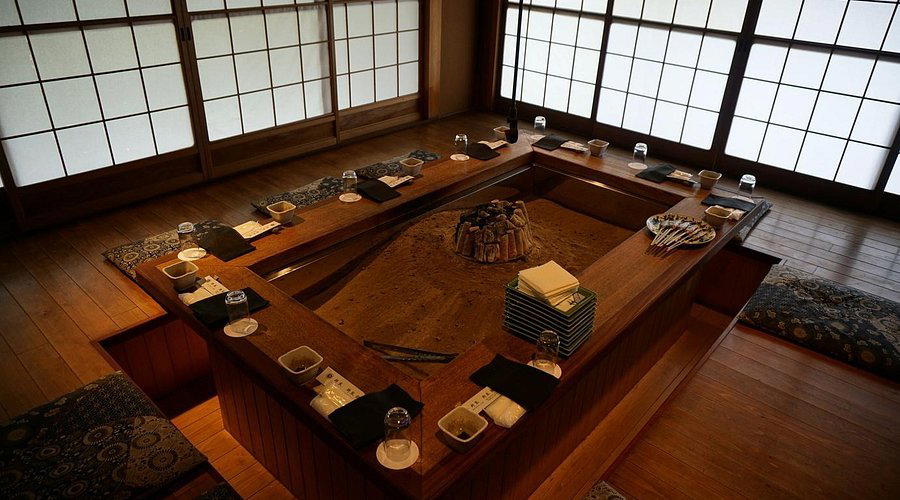

At a Glance
- Cozy
- Classic
- Rustic
- Intimate
- Date Night
- Group Dining
- Family
- Celebration
- Special Occasion
- Casual Hangout
- Garden
- Historic Building
- Design Destination
- Private Dining
- Standalone
- Local Sourcing
- Garden
Current opening hours
- Monday
- Closed
- Tuesday
- 11 AM–2 PM, 5–10 PM
- Wednesday
- 11 AM–2 PM, 5–10 PM
- Thursday
- 11 AM–2 PM, 5–10 PM
- Friday
- 11 AM–2 PM, 5–10 PM
- Saturday
- 11 AM–2 PM, 5–10 PM
- Sunday
- 11 AM–2 PM, 5–10 PM
Hours can change for holidays and private events. Last verified .
Traditional Japanese kominka setting with a Japanese garden, tatami-style private rooms and counter seats, creating a calm, cozy and slightly upscale atmosphere suited to relaxed meals and special occasions rather than noisy gatherings.