
A butcher-backed yakiniku address in Tajimi with repeated Tabelog 100 Yakiniku EAST selection, Niku no Higuchi Chokuei Yakiniku Yasufuku Honten is strongest when read through sourcing rather than spectacle. The draw is the link to Higuchi Meat Shop, founded in 1956, and its Hida beef supply chain, which gives the grill format a clearer reason to travel than another generic beef dinner.
Pearl is the En Primeur Club membership app — saves, bookings, and concierge access live there. Same editors, same standards.
- Address
- 岐阜県多治見市住吉町7-29-6 ファインビル住吉Ⅱ
- Phone
- +81572568429
- Website
- neoprime.co.jp
 Saves & bookings on Pearl
Approaching a suburban yakiniku room in Tajimi is a different proposition from chasing counter seats in Tokyo or Kyoto. The mood is less theatrical, more local and practical: tables built for groups, smoke managed rather than romanticized, and beef treated as the point of the evening rather than a luxury accessory. That matters in Gifu, where Hida beef gives the region a serious claim in Japan’s wagyu conversation, and where a restaurant tied directly to a meat business can speak through procurement before it says anything about service style.
Niku no Higuchi Chokuei Yakiniku Yasufuku Honten belongs to that supplier-led category. Higuchi Meat Shop was founded in 1956 and grew from retail butchery into a wider meat-trading operation, with domestic carcass processing, distribution, processed products, and a special dealership for Hida beef among its credentials. In yakiniku, that background is not a decorative origin story. It changes the reader’s question from “what is the concept?” to “how close is the dining room to the supply chain?”
Hida beef with a butcher's logic, not a chef's monologue
Yakiniku rewards sourcing discipline more directly than many Japanese formats. The diner does part of the cooking, so the kitchen’s authority sits in selection, cutting, portioning, and pacing rather than a finished plate. A butcher-operated room has an advantage when it can translate cattle knowledge into a table format without overcomplicating the experience. Here, the categories are clear: yakiniku, izakaya-style drinking, and beef dishes, with Hida beef as the central regional signal.
The restaurant’s Tabelog 100 Yakiniku EAST 2025 selection places it in a curated regional group rather than a casual local-only bracket. Its Tabelog score of 3.64 adds a second signal, useful in Japan because Tabelog ratings compress hard at the upper end. Repeat recognition across recent Yakiniku EAST selections also suggests consistency in a category where one strong cut is not enough; the room has to deliver across ordering patterns, group sizes, and drinking occasions.
Within Tajimi, the comparison is instructive. Kominka Yakiniku Kotori sits in the same broad yakiniku price lane, which makes it the cleanest local reference for beef-focused dining. Nobumi and Una Sen occupy different dining instincts, while Shinano Ya represents the lower-spend everyday side of the city’s restaurant map. That spread is useful: Tajimi is not a single-category dining town, and the stronger choices sit in distinct lanes rather than competing for the same evening.
A room built for groups, dates, and repeat local use
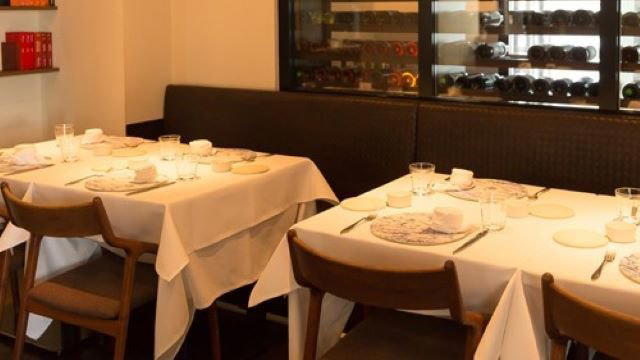
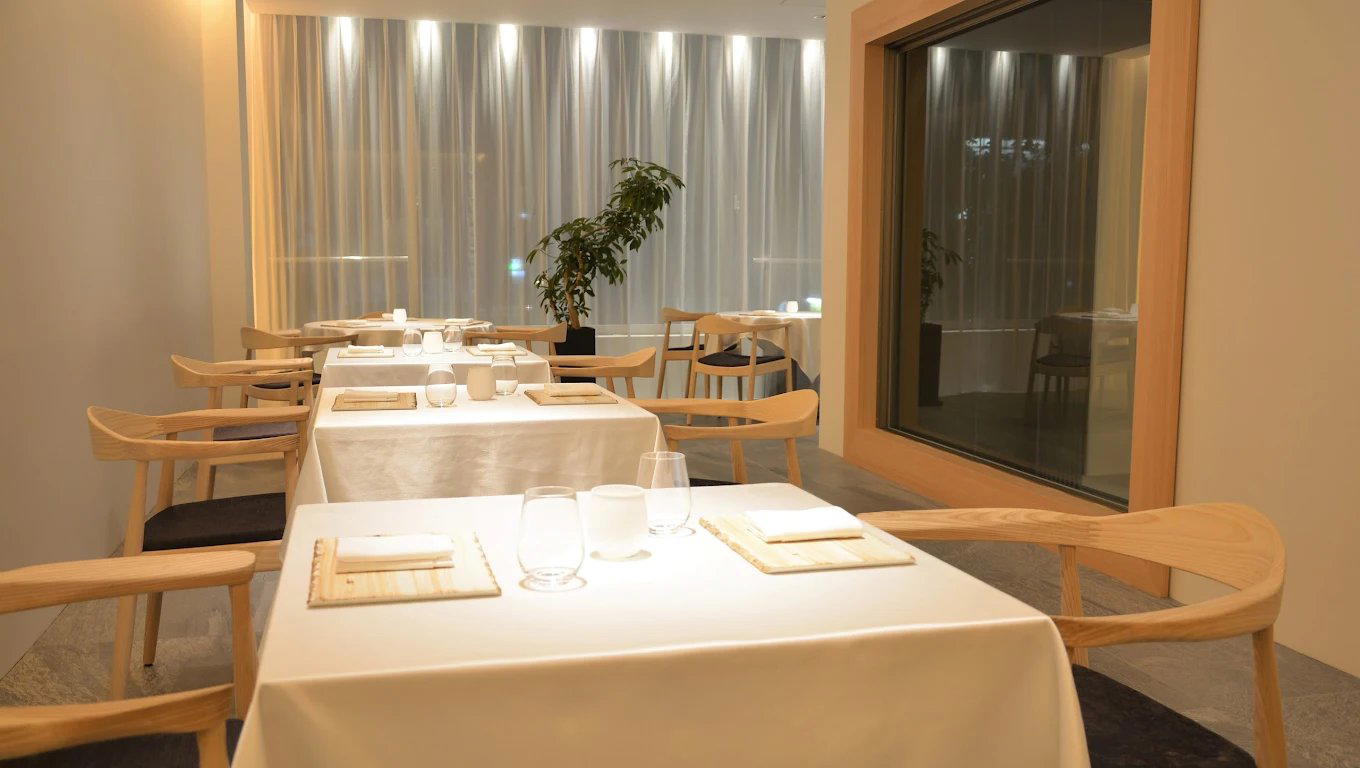
The format is expansive by small-city standards: 48 seats, private rooms for parties from two up to larger groups, and semi-private rooms that can be connected for bigger gatherings. That tells you something about the intended audience. This is not a precious tasting-menu room built around scarcity; it is a yakiniku house designed for families, dates, celebrations, and local repeat traffic. Children are welcome, non-smoking seating is specified, and there is a smoking area at the entrance, a practical detail that matters in Japan’s grill rooms.
The drinks program also points to range rather than minimalism, with sake, shochu, wine, and cocktails listed. That mix fits the way yakiniku functions in regional Japan: part dinner, part drinking table, part family occasion. The interest is not in a single pairing doctrine but in flexibility. Beef can pull toward nihonshu, shochu highballs, wine, or simple mixed drinks depending on the table, and the better regional yakiniku rooms understand that the social rhythm matters as much as the cut list.
For broader planning, Tajimi rewards clustering food decisions by appetite rather than by neighbourhood prestige. The city’s strongest restaurant choices cover grilled beef, eel, noodles, and casual Japanese formats, so a short stay benefits from contrast. Use Our full Tajimi restaurants guide to place this meal against the rest of the city, then pair it with Our full Tajimi hotels guide, Our full Tajimi bars guide, Our full Tajimi wineries guide, and Our full Tajimi experiences guide if the trip extends beyond dinner.
Where it sits in Japan's grill-and-beef map
Japan’s beef dining splits into several traditions: steakhouse service, sukiyaki, shabu-shabu, kappo-style beef courses, and yakiniku, where the grill sits at the centre of the table. Supplier-led yakiniku is its own subset. It attracts diners who care less about a chef’s biography and more about whether procurement, aging, and cutting have been handled before the meat reaches the grill.
That is why the butcher connection is the central editorial fact here. Higuchi’s wider business, including Hida beef dealing and domestic meat processing, gives the restaurant a structural reason to exist in Tajimi rather than feeling like an imported urban concept. The 2019 opening date also matters: this is a modern dining room attached to an older meat enterprise, not a preserved postwar yakiniku relic. The result is a useful hybrid for travelers, regional sourcing with contemporary booking and room infrastructure.
For readers mapping Japanese dining beyond Gifu, this sits closer to ingredient-led grill culture than to city tasting-menu culture. Beef specialists such as -Grilled beef Sukiyaki- KAMAKURA TANUKIAN 鎌倉 たぬき庵 in Kamakura show another branch of the same beef conversation, while casual city addresses like. 鮪と炭火焼き うお炭 秋葉原店 in Tokyo.cafe in Osaka.know in Kumamoto, (Shoku) Vietnam in Kawasaki, [Curry Senmon Ten] Maruyama Kyoju. in Sapporo, and [ki:] in Kyoto show how Japan’s regional restaurant map often rewards specificity over polish. For overseas comparisons in Japanese-led formats, Jōdo Saké Bar in Los Angeles and Onigiri Time in Pasadena underline the same point from another angle: the strongest concepts are usually built around a clear product logic.
The editorial case for Niku no Higuchi Chokuei Yakiniku Yasufuku Honten is therefore narrow and persuasive. Choose it for Hida beef, a butcher-backed supply story, and a room that can handle both intimate tables and larger local gatherings. Do not choose it for chef theatre. In Tajimi, that restraint is the advantage.
How It Stacks Up
Comparable venues by cuisine and price in the same metro.
| Venue | Cuisine | Price | Notes |
|---|---|---|---|
| Niku no Higuchi Chokuei Yakiniku Yasufuku Honten | Yakiniku & Hida Beef | $$$ | Tajimi |
| Shinano Ya | Japanese Udon & Ramen | $ | Uenocho |
| Nobumi | Casual Japanese | $ | / Tajimi |
| Kominka Yakiniku Kotori | Traditional Yakiniku in a Renovated Kominka | $$ | Takaramachi |
| Una Sen | Traditional Japanese Unagi (eel) restaurant | $$ | Aokicho |
| Kuriya Otona Kurogi | Japanese Sweets and Shaved Ice Cafe | $$$ | Ueno |
Recognition history
Dated appearances from independent guides and award organizations, with the underlying list record or original source where available.
Tabelog 100 #94 · No. 94
Tabelog · Tabelog 100 - Yakiniku - EAST - 2025
Continue exploring
More in Tajimi
Restaurants in Tajimi
Browse all →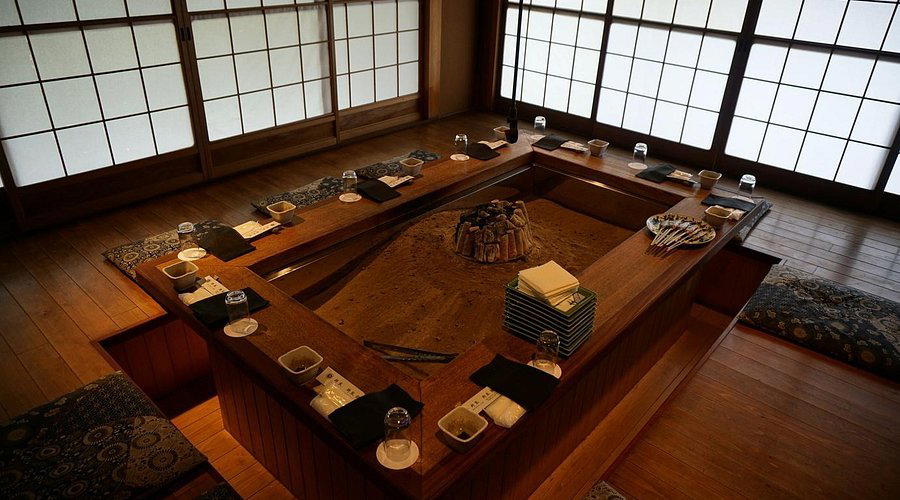
At a Glance
- Cozy
- Lively
- Classic
- Group Dining
- Family
- Celebration
- Business Dinner
- Casual Hangout
- Special Occasion
- Private Dining
- Standalone
- Sake Program
- Beer Program
- Local Sourcing
A cozy yakiniku restaurant with dim lighting and a warm, classic feel, focused on enjoying high-quality Hida beef in a relaxed yet lively atmosphere suitable for families and group banquets.