
Shinano Ya is a small Tajimi udon house with unusually strong signals for a low-priced regional noodle stop: Tabelog 100 Udon EAST selection in 2024 and a history that reaches back to Nagoya around 1930 before reopening in Tajimi in 1948. The appeal is less luxury than discipline: wheat noodles, a house-restaurant setting, tatami seating, and a price band that keeps the focus on everyday craft.
Pearl is the En Primeur Club membership app — saves, bookings, and concierge access live there. Same editors, same standards.
- Address
- 岐阜県多治見市上野町3-46
- Phone
- +81572221984
- Website
- tabelog.com
- Directions
- Get directions
 Saves & bookings on Pearl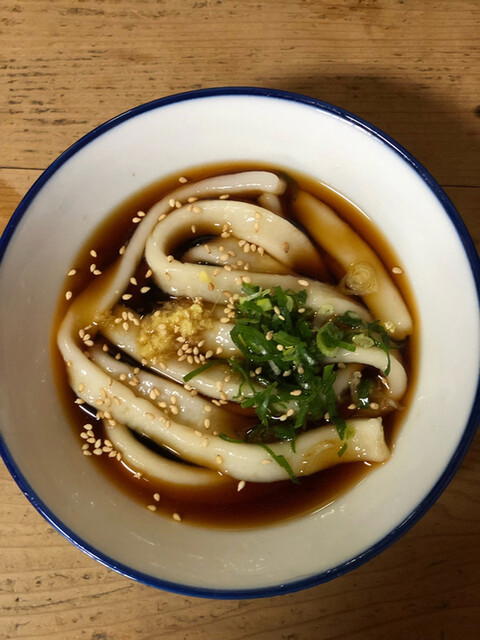
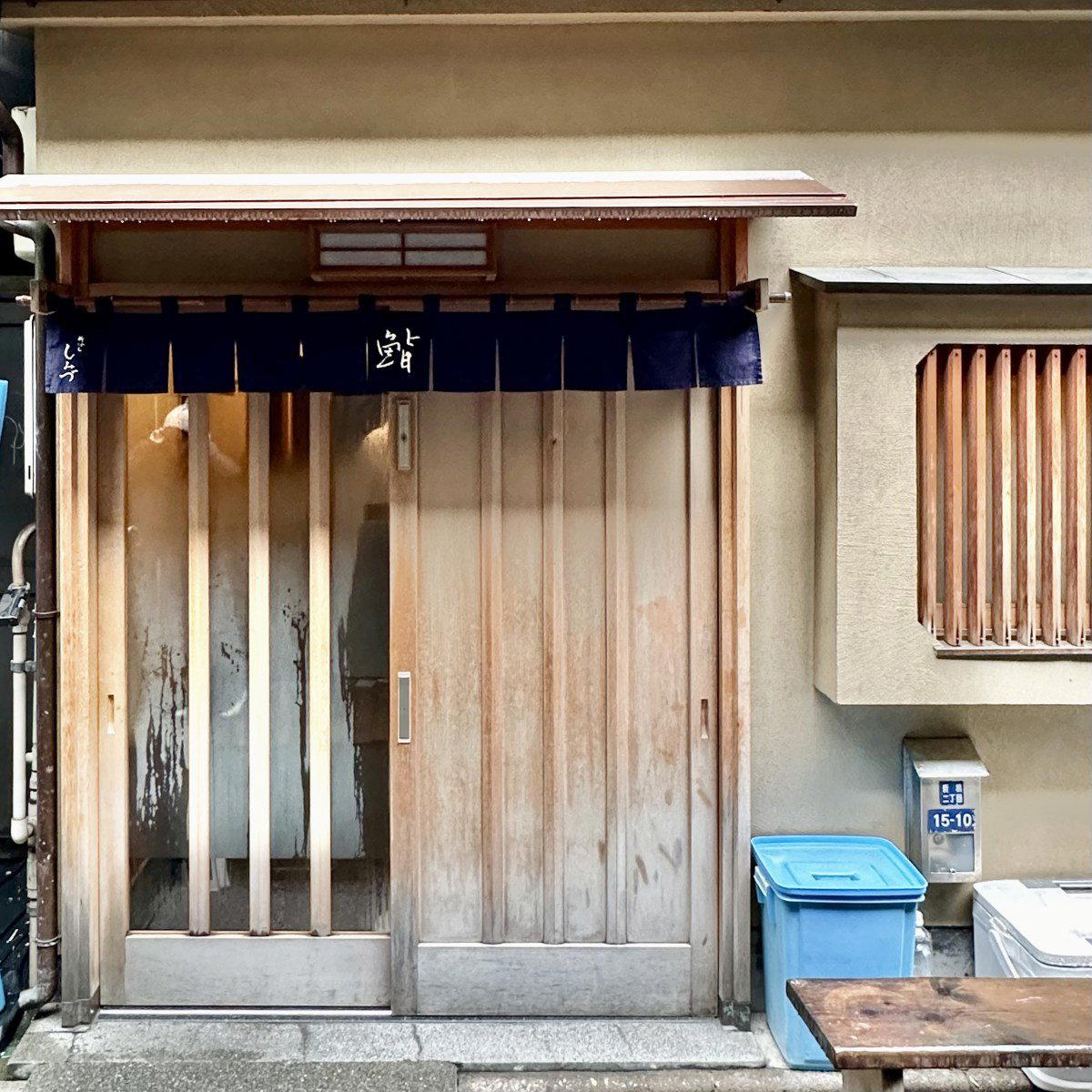
Approach the address in Uenocho and the cues are domestic rather than grand: a house restaurant, tatami seating, and a format built around a narrow noodle vocabulary. Tajimi is better known outside Gifu for ceramics than for destination dining, but that is exactly why its stronger food addresses matter. In a city of kiln culture, workaday lunch counters, unagi specialists, and yakiniku rooms, udon has to earn attention through texture, broth discipline, and the confidence to stay plainspoken.
Shinano Ya belongs to that older Japanese category where sourcing is not performed as theatre. Wheat, water, stock, and timing carry the meal. Udon houses live or fail on those elemental inputs: flour quality, kneading, resting, cutting, boiling, and the balance of dashi against noodle weight. The category rewards consistency over novelty, which explains why a modestly priced restaurant can sit in serious company when the craft is controlled.
Udon as ingredient logic, not menu spectacle
Japan’s regional noodle culture often gets flattened into ramen tourism, but udon asks for a different reading. Ramen is frequently discussed through toppings, tare, oil, and shop identity; udon is judged first by the noodle itself. The point is not abundance. It is whether the wheat has enough structure, whether the cooking window is hit, and whether the broth supports the noodle rather than covering it.
That matters in Tajimi because the city’s dining scene is not built around high-priced tasting menus. Local spending patterns point toward practical specialization: Nobumi and Una Sen sit in a higher JPY 3,000 - JPY 3,999 band, while beef-focused rooms such as Niku no Higuchi Chokuei Yakiniku Yasufuku Honten and Kominka Yakiniku Kotori can reach JPY 5,000 - JPY 5,999 at dinner. Against that local frame, Shinano Ya’s JPY 1,000 - JPY 1,999 range places it in the low-cost craft tier rather than the occasion-dining tier.
The Tabelog 100 Udon EAST 2024 selection is the key external signal here. It places the restaurant inside a regional noodle conversation that runs beyond Tajimi, and its previous selections in 2017, 2018, 2019, 2020, and 2022 suggest repeated recognition rather than a single spike of attention. Tabelog’s score of 3.80 also matters in Japan’s review culture, where specialist shops outside major tourist corridors can carry serious local weight without the international machinery of Michelin-style dining.
A Tajimi room with old-line noodle-house habits
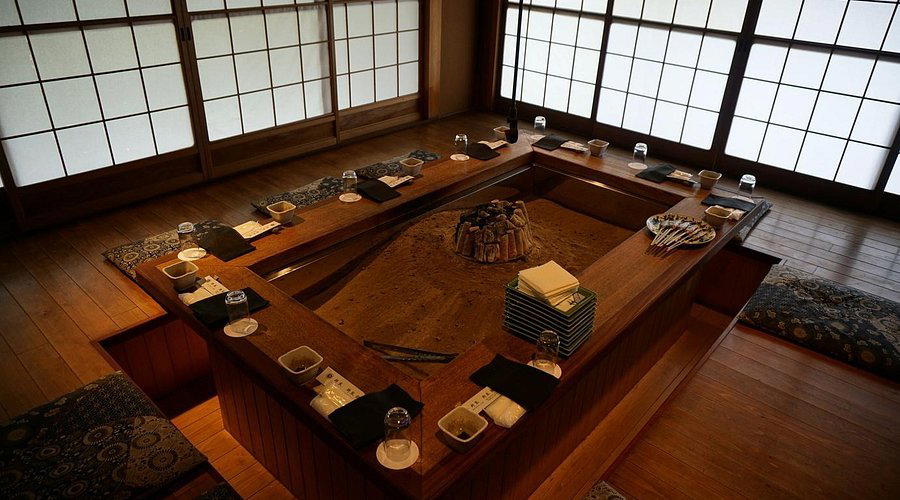
The room’s configuration says as much as the awards. Twenty-six seats, including one four-person table and tatami seating, place the meal in the register of a small local restaurant, not a counter-only performance. Private rooms and private use are unavailable, which reinforces the communal, daytime-noodle-house character. Non-smoking status keeps the focus on the bowl rather than the room.
Origin story is useful only because it explains continuity. The business traces itself to Nagoya around 1930 and reopened in Tajimi in 1948, a timeline that puts it in the postwar rebuilding arc of central Japan’s everyday dining culture. That does not make the food valuable by age alone. It does explain why the format feels resistant to trend cycles: udon, ramen, tatami, a house setting, and a service model that does not bend itself into luxury language.
Ingredient sourcing, in this context, is less about naming a farm and more about understanding the Japanese noodle economy. Udon depends on commodity ingredients treated with precision. Flour behaves differently by protein content and milling; water affects dough handling; dashi relies on extraction rather than heaviness. A shop in this category can be compelling without broadcasting provenance at every turn, because the proof is structural: noodle resilience, broth clarity, and repeatable timing.
For travelers building a Tajimi food day, this is a sharper choice than treating the city as a pass-through between Nagoya and the Mino ceramics towns. The broader local map has range, from unagi and yakiniku to small Japanese restaurants, and our full Tajimi restaurants guide is the better frame for comparing those categories. Staying over changes the rhythm; our full Tajimi hotels guide covers that side of the trip, while our full Tajimi bars guide, our full Tajimi wineries guide, and our full Tajimi experiences guide help separate a lunch stop from a full local itinerary.
How it fits Japan's specialist-food circuit
Shinano Ya is not competing with luxury restaurants on service choreography. It competes in the Japanese specialist-food circuit, where a single category can justify a detour if the execution is disciplined. That circuit might include beef-focused addresses such as -Grilled beef Sukiyaki- KAMAKURA TANUKIAN 鎌倉 たぬき庵 in Kamakura, casual urban cooking like. 鮪と炭火焼き うお炭 秋葉原店 in Tokyo, coffee-led stops such as.cafe in Osaka, or regional independents including.know in Kumamoto and (Shoku) Vietnam in Kawasaki. The common thread is not cuisine type. It is focus.
That focus also explains why comparisons across Japan should be category-aware. A curry specialist like [Curry Senmon Ten] Maruyama Kyoju. in Sapporo, a Kyoto address such as [ki:] in Kyoto, and Japanese-food formats abroad like Jōdo Saké Bar in Los Angeles or Onigiri Time in Pasadena all ask the same editorial question: does a narrow idea have enough technique behind it? For the restaurant, the repeated udon recognition, long operating history, and restrained price band make the answer unusually clear for a small-city noodle house.
The practical read is simple: come for udon as a craft product, not for a broad menu or a polished occasion format. Tajimi rewards travelers who understand that serious Japanese eating is often quiet, specialized, and inexpensive by luxury-travel standards. This is the kind of address that makes sense when the day is built around ceramics, local trains, and a precise lunch rather than a long dinner.
At-a-Glance Comparison
Comparable venues by cuisine and price in the same metro.
| Venue | Cuisine | Price | Notes |
|---|---|---|---|
| Shinano Ya | Japanese Udon & Ramen | $ | Uenocho |
| Kominka Yakiniku Kotori | Traditional Yakiniku in a Renovated Kominka | $$ | Takaramachi |
| Nobumi | Casual Japanese | $ | / Tajimi |
| Una Sen | Traditional Japanese Unagi (eel) restaurant | $$ | Aokicho |
| Niku no Higuchi Chokuei Yakiniku Yasufuku Honten | Yakiniku & Hida Beef | $$$ | Tajimi |
| ぎょうざ 湖月 | Traditional Japanese Gyoza Specialist | $ | 北浜 |
Recognition history
Dated appearances from independent guides and award organizations, with the underlying list record or original source where available.
Tabelog 100 #48 · No. 48
Tabelog · Tabelog 100 - Udon - EAST - 2024






At a Glance
- Classic
- Cozy
- Well Known
- Solo
- Casual Hangout
- Standalone
- Historic Building
- Street Scene
Simple, traditional, and relaxed, with a homey house-restaurant feel and tatami-mat seating.