Michelin Plate · We're Smart World 1 Radish
Our verdict
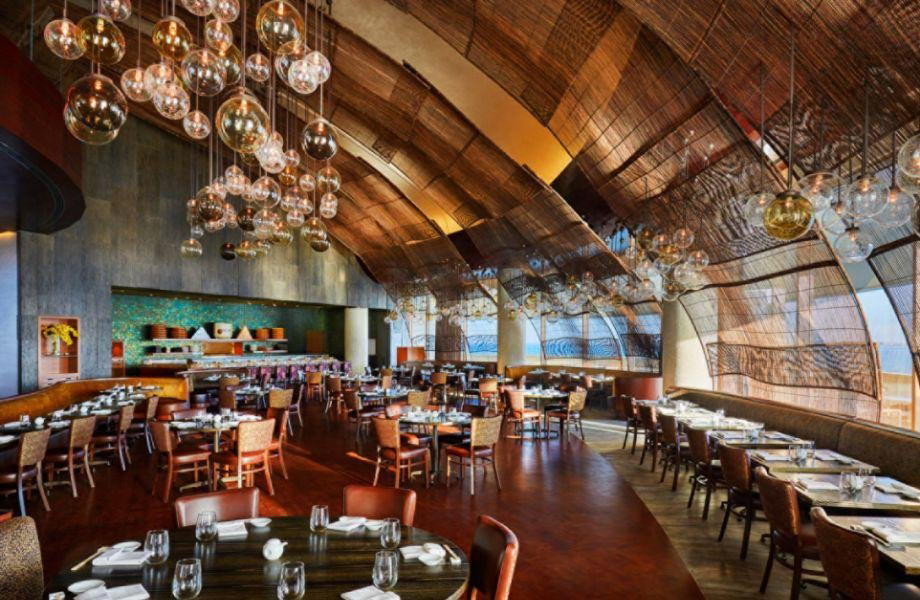
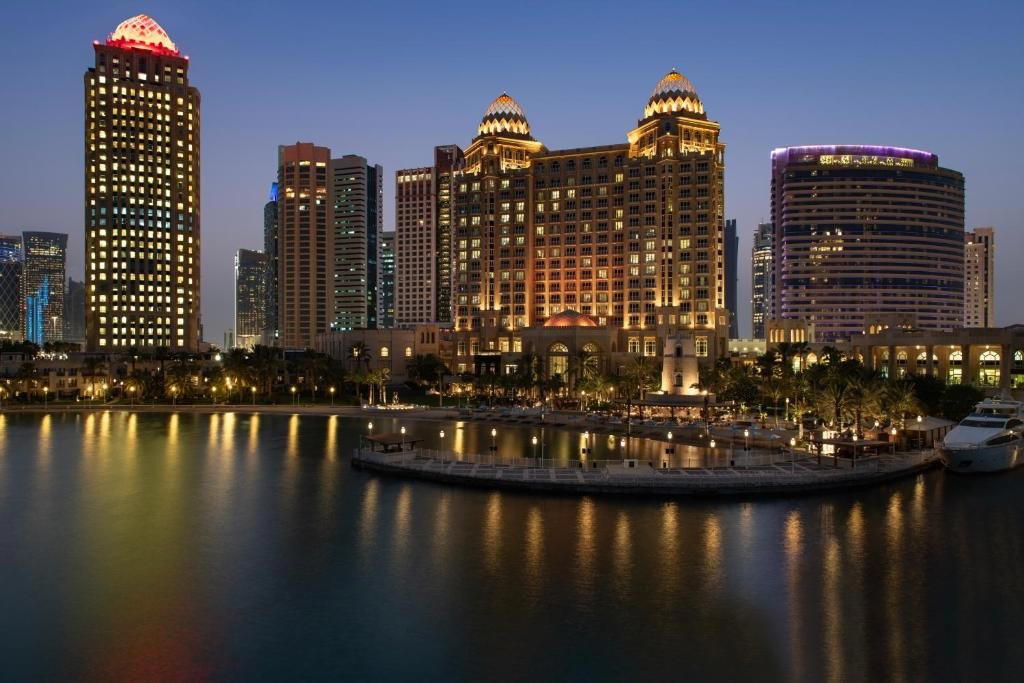
Nobu Doha occupies a striking position within the Four Seasons' waterfront complex on Diplomatic Street, bringing the brand's Japanese-Peruvian framework to a city still shaping its fine-dining identity.

Pearl is the En Primeur Club membership app, where members save venues, book tables and use the concierge.
Where Japanese Ceremony Meets a Harbour in Motion
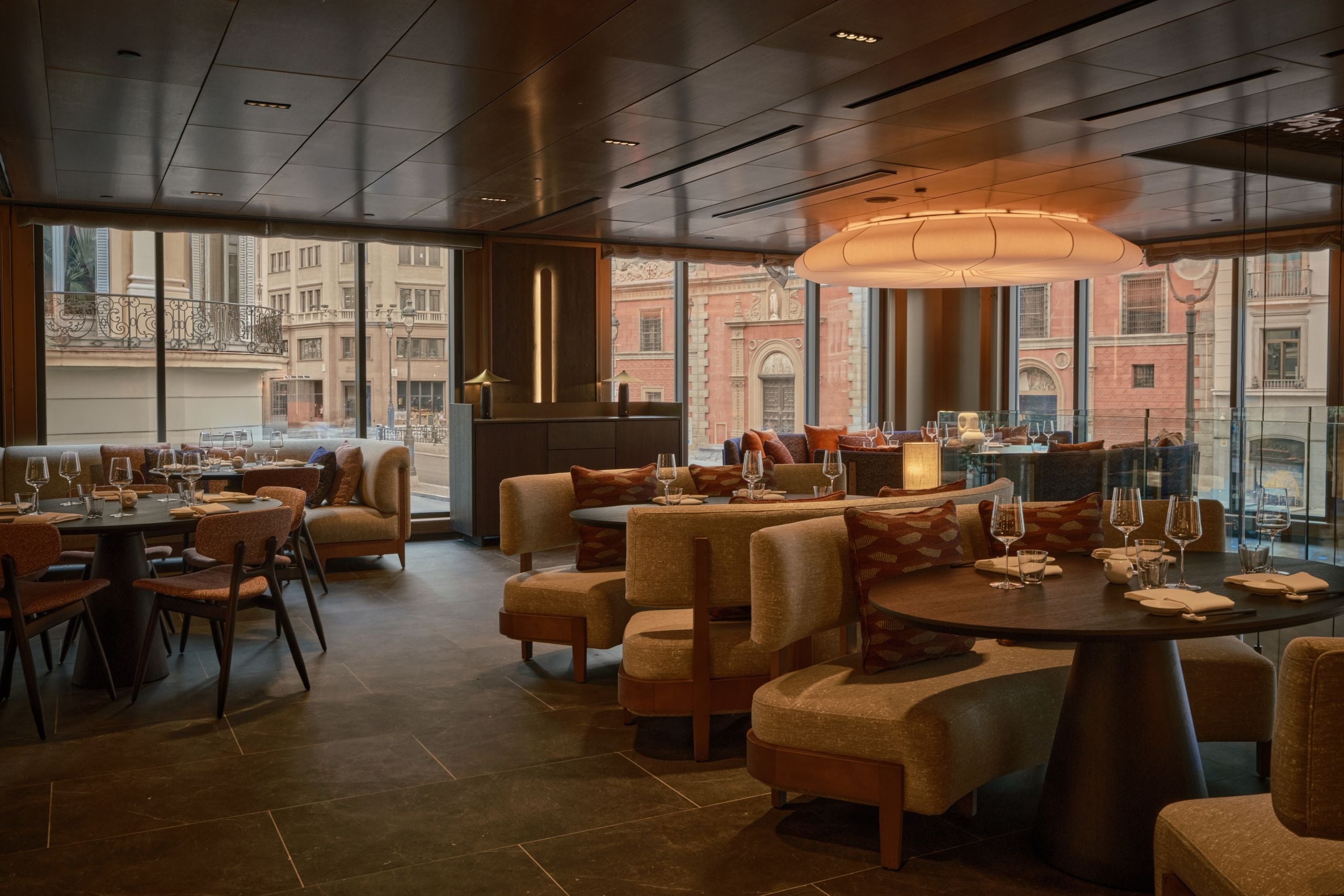
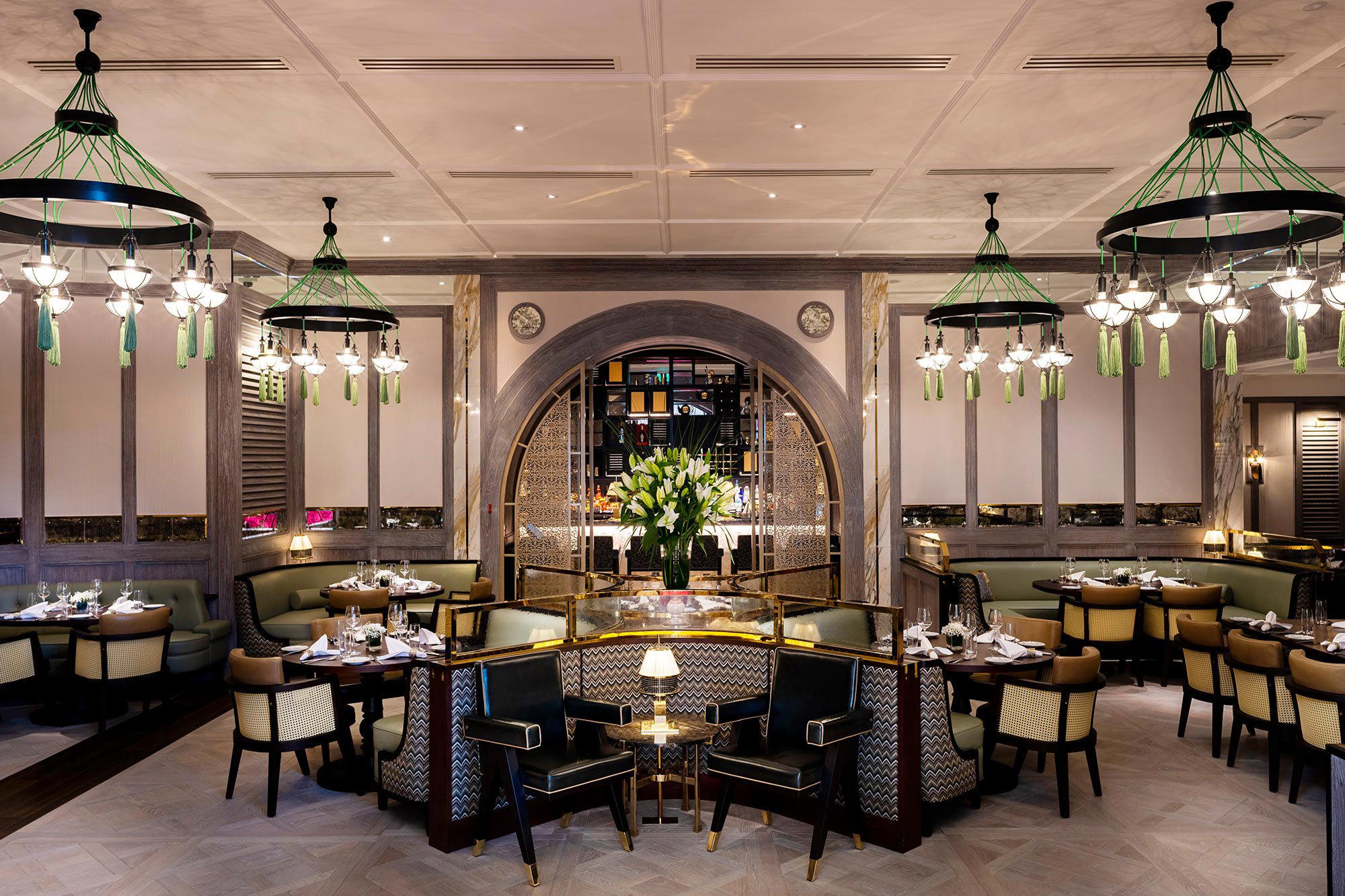
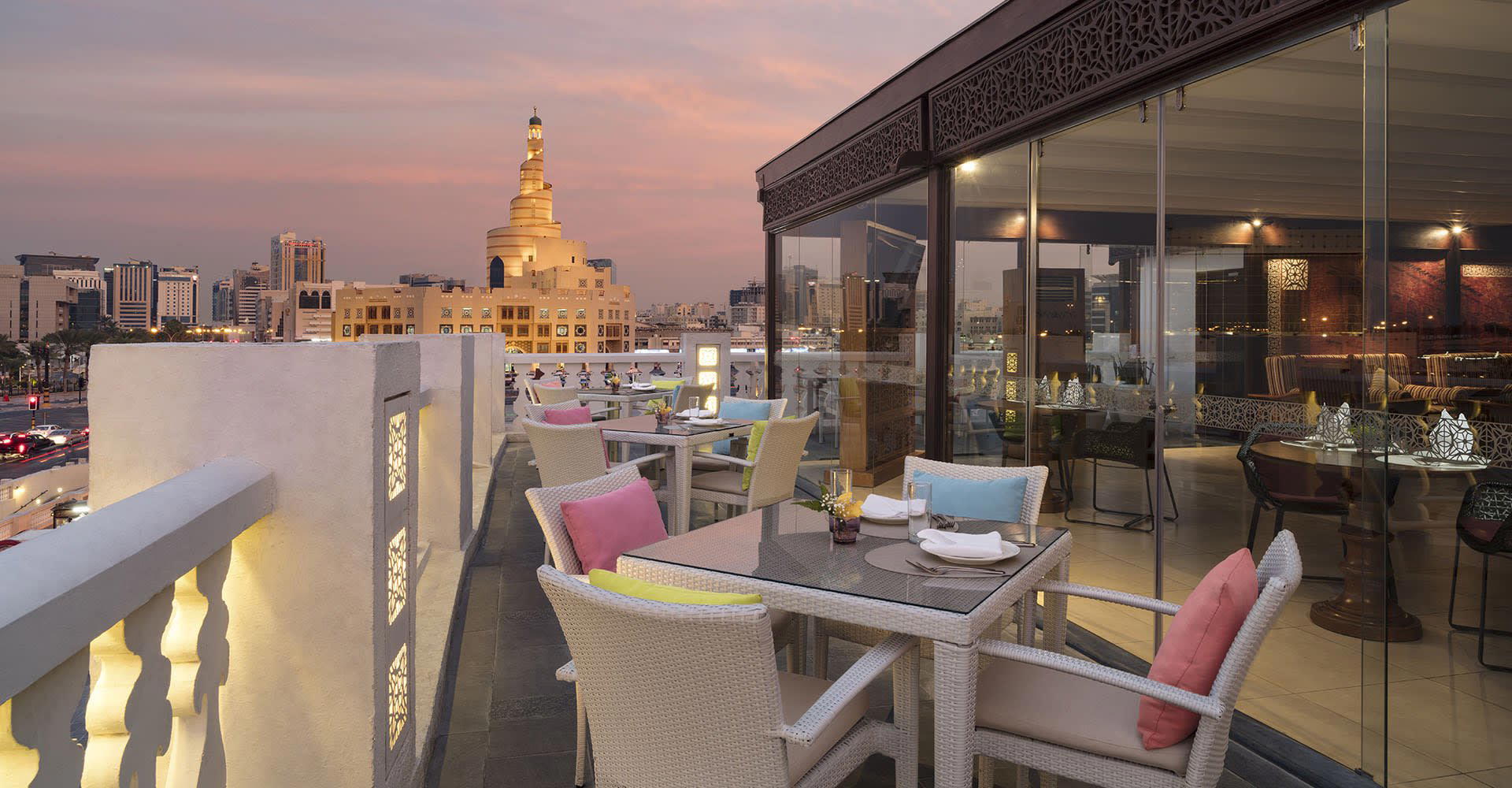
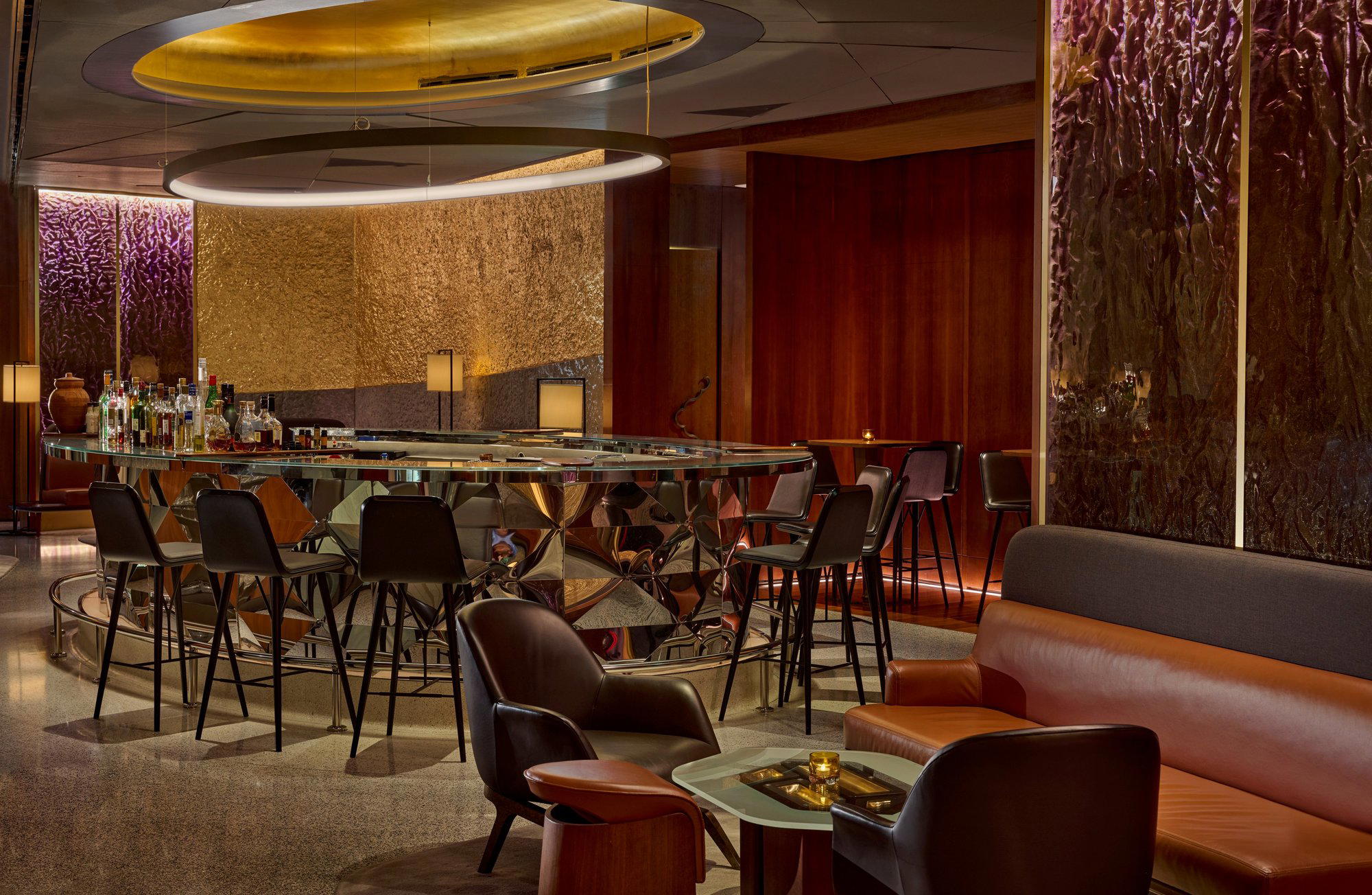
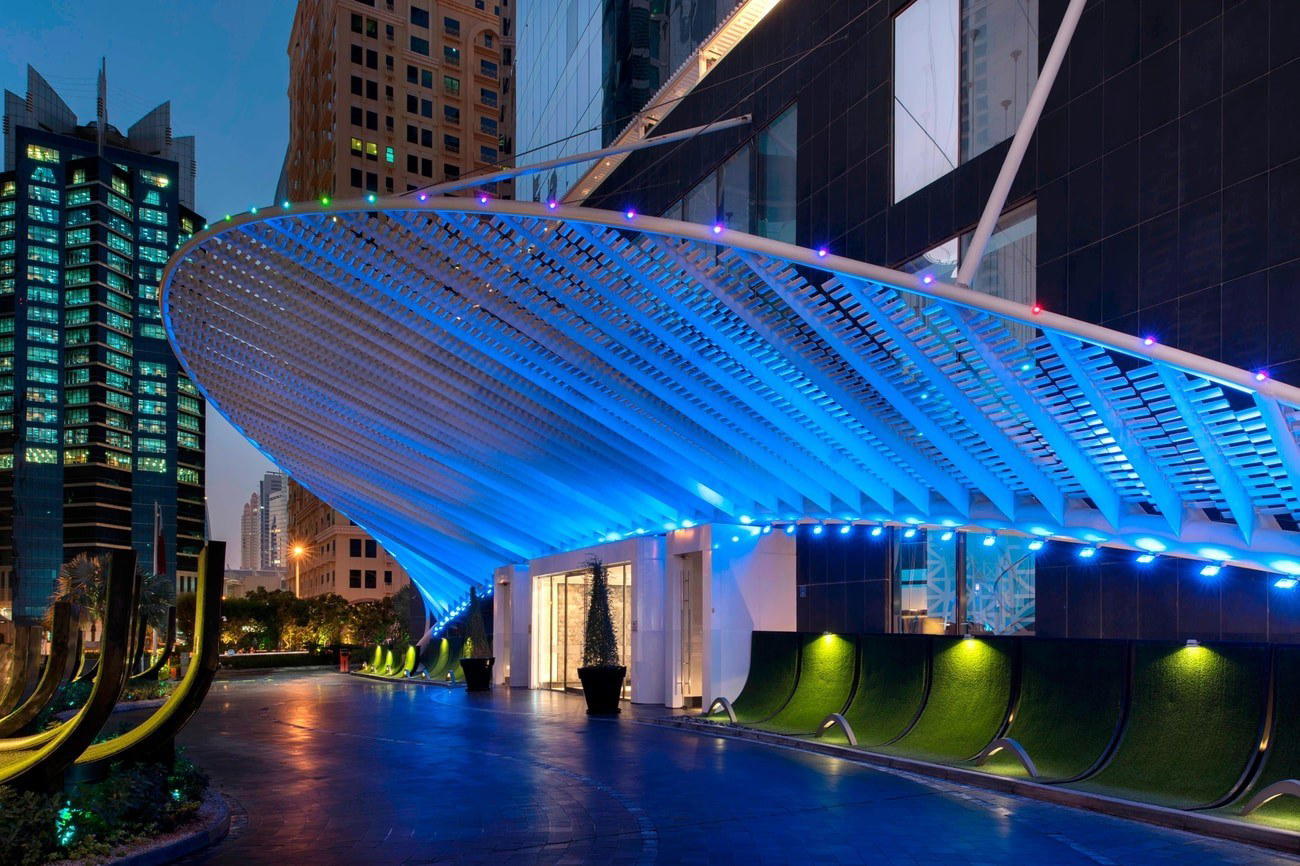
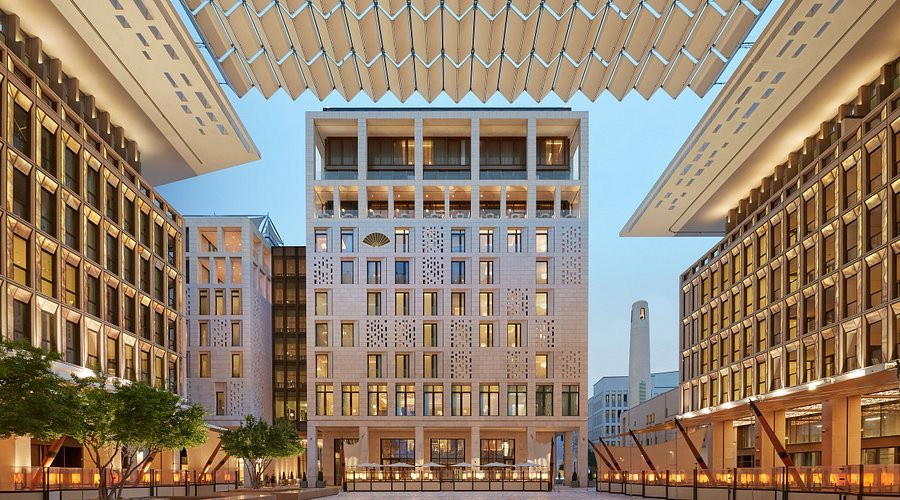
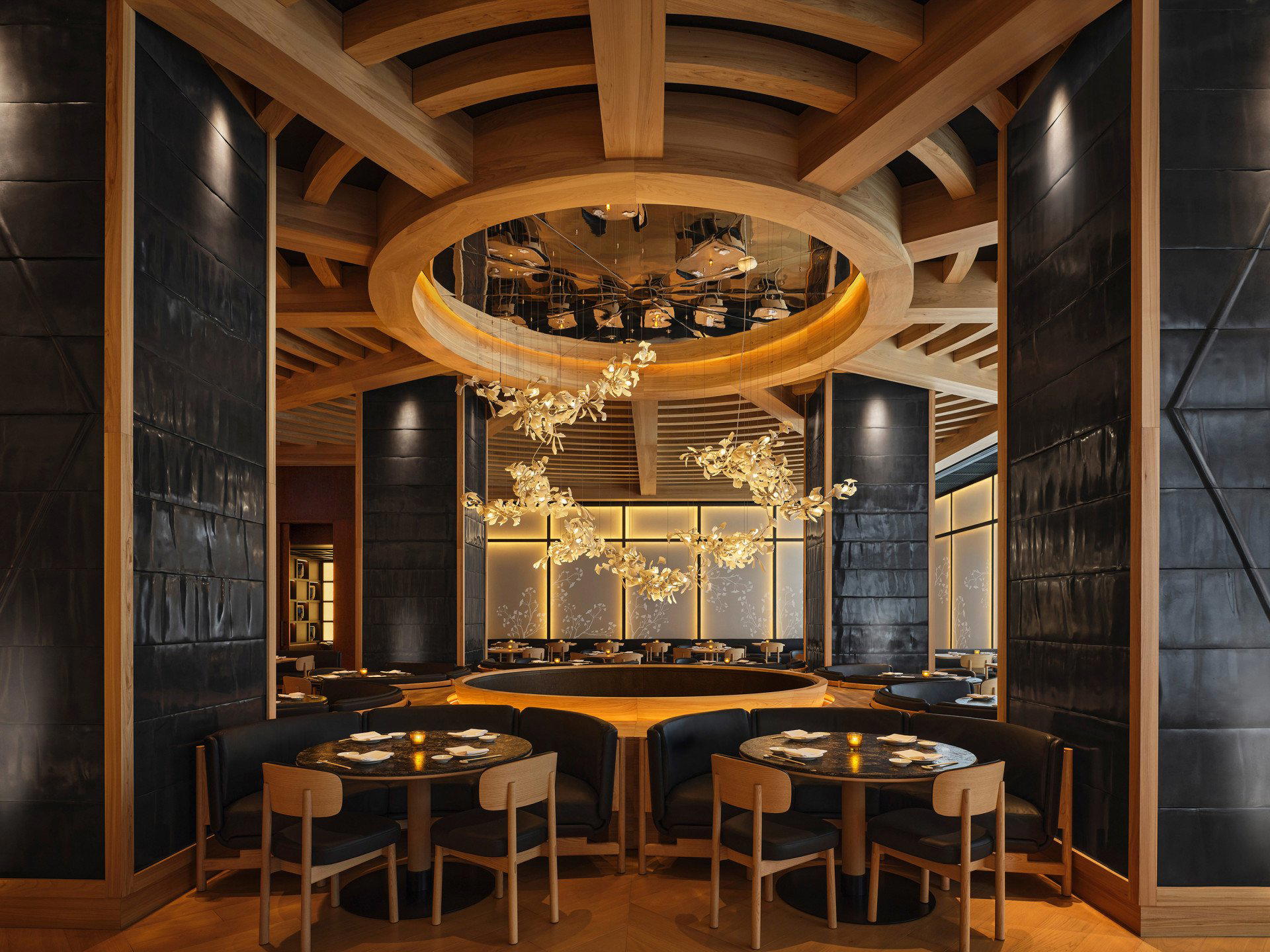
Approaching the Four Seasons Doha along Diplomatic Street, the building announces itself before the meal does. The waterfront complex is one of the more architecturally deliberate structures in a city that has built aggressively over the past decade, and the dining room inside carries that same register: high ceilings, considered lighting, a view across the harbour that frames the skyline Doha is still actively assembling. Dining here involves a specific kind of awareness, you are inside a fully resolved interior while the city outside remains mid-sentence. That tension is not incidental. It is, in a way, the experience.
The Nobu Framework in a Gulf Context
The Nobu concept originated in New York in 1994 and has since expanded to over fifty locations globally, making it one of the most replicated upscale Japanese formats in the world. That reach brings a question worth asking about any outpost: what does the format mean in this particular city? In Doha, where Japanese cuisine has had limited independent development outside hotel restaurants, the brand operates as a primary reference point for Japanese dining at the leading price tier. It sits at ﷼﷼﷼﷼, the same bracket as IDAM by Alain Ducasse, and above Morimoto, which runs at ﷼﷼﷼ and occupies an adjacent Japanese-contemporary position. That positioning matters: guests at this level are not comparison-shopping against casual sushi; they are choosing between international fine-dining formats.
The Nobu kitchen runs on a philosophy of Japanese technique filtered through South American influence, the now-familiar black cod, the tiradito constructions, the citrus-forward sauces that soften raw fish into something more accessible than strict Japanese tradition demands. For markets where Japanese dining culture is not deeply embedded, this framework has proven particularly effective. It offers entry into Japanese presentation and pacing without requiring fluency in the conventions that govern a counter in Tokyo or Kyoto.
Pacing and the Architecture of a Nobu Meal
Japanese dining at its most deliberate is organised around sequence and restraint. Dishes arrive at intervals calibrated to allow attention rather than momentum. The Nobu format preserves this logic while making it more social, sharing plates, multiple small courses, a table rhythm that accommodates groups without enforcing silence. In Doha's restaurant culture, where long communal dinners are a social norm, this structure fits more naturally than a single-diner omakase progression would.
The menu leans heavily on seafood, which reflects both the brand's identity and Qatar's geography. Fish quality at this price tier is, as the Michelin recognition implies, taken seriously. The 2025 Michelin Plate, awarded to restaurants serving food of good quality within the Michelin framework, without reaching starred status, confirms that the kitchen is operating at a level of consistency that reviewers have formally acknowledged. It places Nobu in a small cohort of Doha restaurants tracked by the guide. For context, Michelin only began covering Qatar relatively recently, so inclusion at any tier carries weight in the local market.
Vegetables, as noted in reviewer commentary, require deliberate ordering. The menu is structured around protein, and greens do not appear automatically as accompaniments. This is worth knowing before you arrive: a table that defaults to the kitchen's natural cadence will eat heavily marine. Those who want balance need to ask for it explicitly.
Doha's Fine-Dining Position in 2025
Doha's restaurant scene has developed in a specific pattern: international brands anchored in luxury hotels, a smaller set of local and regional concepts, and very few independent fine-dining operators with the same infrastructure. At the top tier, the comparison set for Nobu is IDAM by Alain Ducasse for French-contemporary, Alba for Italian, and Baron and Bayt Sharq on the Middle Eastern side. Argan operates at a lower price point with Moroccan focus. Nobu occupies the Japanese position in this international cohort, and there is no close domestic competitor at the same price level.
That absence of direct competition shapes how Nobu functions in the city. In Tokyo, a Nobu meal exists within a dense ecosystem of Japanese dining options across every price tier, from Kagurazaka Ishikawa and Azabu Kadowaki to Ginza Fukuju, where the brand's fusion approach would be evaluated against a deep field. In Doha, it reads differently: it is, for many visitors and residents, the primary encounter with Japanese cuisine at fine-dining standards. That gives it a different kind of authority than the same concept would carry in Los Angeles, where Hayato operates, or in Osaka, home to Kashiwaya Osaka Senriyama, or in Kyoto, where Gion Matayoshi represents a very different register of Japanese hospitality.
Planning Your Visit
At the ﷼﷼﷼﷼ price tier, an evening here represents a significant spend by local standards, and the booking window should reflect that. For weekend evenings, especially during Qatar's cooler season running roughly from October through March, when outdoor and hotel dining peaks across the city, reservations made a week or more ahead are advisable. The harbour-facing location and the Four Seasons address attract both hotel guests and Doha-based residents, creating consistent demand that does not dip sharply during the week.
The restaurant is located on Diplomatic Street, accessible by taxi or rideshare from central Doha with no notable logistical complications. Valet parking is available through the Four Seasons. Those approaching from the West Bay or Corniche area will find the drive direct. Dress expectations at this price point and within a Five-Star hotel context trend toward smart casual at minimum, with many diners leaning formal, particularly on weekends.
For a broader picture of what Doha's dining, hotel, bar, and cultural scenes offer, see our full guides: Doha restaurants, Doha hotels, Doha bars, Doha wineries, and Doha experiences.
Frequently asked questions
What does dinner at Nobu typically cost?
Pricing at Nobu is listed as ﷼﷼﷼﷼.
Where do I go for Nobu?
Nobu is located at Diplomatic St, Doha, Qatar, Doha.
What distinctions does Nobu have?
Nobu has received recognition including: Nobu is without a doubt a concept! You eat top-quality fish and refined Japanese cuisine, a country where vegetables are unmistakably part of the daily diet. Because most dishes are very pure and based on fish or seafood, you have to consci….
What's the best thing to order at Nobu?
The Nobu framework is built around fish and seafood prepared with Japanese precision, and those are the dishes that define the concept across all fifty-plus global locations. Vegetables are handled well but are a secondary consideration, order them deliberately rather than assuming they'll anchor the meal.
What type of food is Nobu known for?
How far ahead should I plan for Nobu?
The Four Seasons setting and Michelin Plate recognition for 2025 put it in a small tier of Doha restaurants where weekend tables fill early. Booking at least a week in advance for weekday visits and two or more weeks for Thursday and Friday evenings is a practical baseline.
| Venue | Cuisine | Price | Awards | Notes |
|---|---|---|---|---|
| NobuThis venue (the venue you are viewing) | Japanese Fusion Fine Dining | Not listed | Michelin Plate · We're Smart World 1 Radish | Not listed |
| IDAM by Alain Ducasse | Contemporary French Mediterranean with Arabian influences | $50–100 | 1 Michelin Star · World's 50 Best #44 | French, French Contemporary, ﷼﷼﷼﷼ |
| Argan | Authentic Moroccan | $20–30 | Michelin Bib Gourmand | Moroccan, ﷼ |
| Hakkasan | Modern Cantonese | $100–150 | Michelin Plate | Chinese, ﷼﷼﷼﷼ |
| Jiwan | Modern Qatari Fine Dining | Not listed | Michelin Bib Gourmand | Middle Eastern, ﷼﷼ |
| Morimoto | Contemporary Japanese Fusion | $100–150 | Michelin Plate · Wine Spectator Award of Excellence | Japanese, Sushi, Japanese Contemporary, ﷼﷼﷼ |
Recognition history
Dated appearances from independent guides and award organizations, with the underlying list record or original source where available.
Michelin Plate
Michelin
Opinionated About Dining Top Restaurants in Asia Recommended
Opinionated About Dining
We're Smart World 1 Radish
We're Smart World