Our verdict
Noarootsi Lokaal sits in the village of Pürksi on the Noarootsi peninsula, a stretch of western Estonia where Swedish-speaking communities shaped the land for centuries. The kitchen draws on what the surrounding coast and farmland produce, placing it squarely in the tradition of rural Estonian lokaal dining. For anyone travelling the Läänemaa region, it anchors a meal in place rather than in trend.

Pearl is the En Primeur Club membership app, where members save venues, book tables and use the concierge.
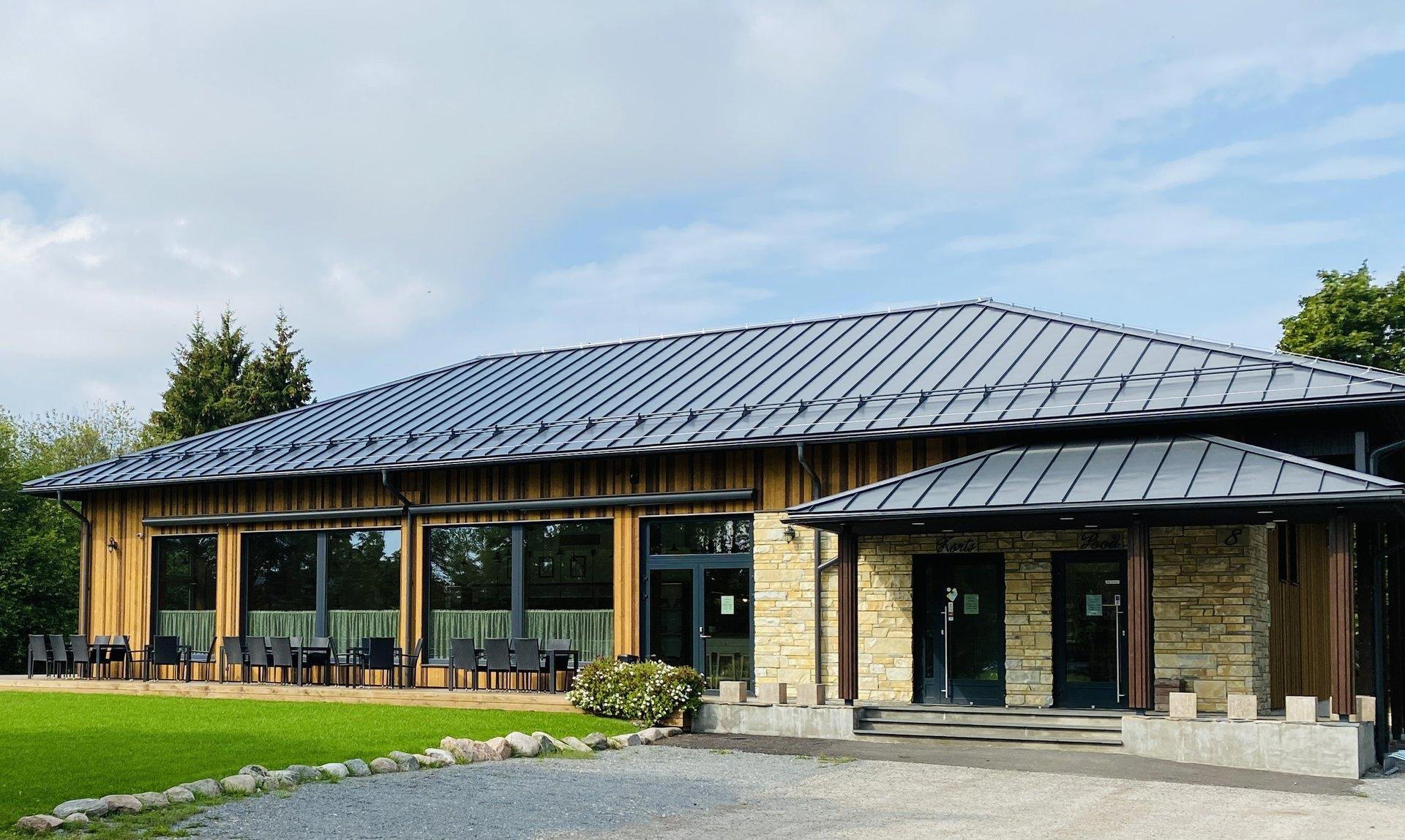
Where the Noarootsi Peninsula Meets the Plate
The drive to Pürksi is itself an argument for going. Western Estonia's Noarootsi peninsula extends into Haapsalu Bay as a thin finger of pine forest, farmstead, and coastal meadow, and the village at its base has a quietness that most of the country's dining circuit never reaches. Rural Estonian lokaals, the word itself a direct borrowing from the Swedish lokal, are community-anchored eating houses rather than destination restaurants in the modern sense. They sit at crossroads and in village centres, they open when there is reason to open, and the food they serve reflects the agricultural and coastal calendar of their immediate surroundings. Noarootsi Lokaal at Pürksi 8 operates inside that tradition.
The peninsula carries a particular historical weight. The Noarootsi coast was home to Estonian Swedes, a coastal community whose presence shaped place names, food habits, and architectural character across this corner of Läänemaa for six hundred years. That layered provenance is not decoration; it is context for why a lokaal here would root itself in local sourcing as a matter of habit rather than marketing strategy. In the broader Estonian dining picture, where restaurants like 180° by Matthias Diether in Tallinn operate at the high-concept, high-spend end of Estonian fusion and Kolm. Restoran in Võru anchors regional pride in the country's southeast, the rural lokaal occupies a different register entirely: unmediated, unglossy, and dependent on what the land around it yields.
Ingredient Logic on the Noarootsi Coast
Läänemaa is one of Estonia's most productive coastal counties for both fish and small-scale agriculture. The bay waters around Haapsalu and the Noarootsi peninsula yield perch, pike, bream, and seasonal herring. The inland farms supply rye, root vegetables, dairy, and foraged goods that shift with the season. A lokaal in this location does not need to import an identity: the identity is already in the ground and the water. Where restaurants in larger Estonian cities now build sourcing stories deliberately, a village eating house on the Noarootsi peninsula has been working this way by geographic necessity for generations.
That distinction matters for how to read a place like Noarootsi Lokaal against its urban counterparts. At Kohvik in Viljandi or Valgeranna Veinitall in Audru, the sourcing narrative is a choice made in conversation with the market. At a rural lokaal, it is the absence of an alternative. That is not a lesser form of localism; in many respects it is a more honest one. The supply chain is short because there is no other supply chain available, and the menu reflects the week's catch and harvest rather than a designed concept.
This places Noarootsi Lokaal in an interesting comparative position. Coastal lokaals in western Estonia sit closer in spirit to the working fishing-village cafes of Scandinavia than to the new-Nordic-inflected tasting menus that have drawn international attention to Tallinn. The comparison venues that define premium Estonian dining, from NOA's modern European format to Alexander's four-tier price bracket, occupy a different category entirely. The lokaal is not competing with those rooms. It serves a different purpose, a different community, and a different moment in a traveller's itinerary.
Läänemaa's Broader Dining Pattern
Western Estonia's eating-out culture is distributed differently from Tallinn's. Rather than clustering in a dense city-centre circuit, it spreads across small towns and village stops: a kohvik at a crossroads, a summer terrace above a bay, a fish smokehouse that doubles as a lunch counter. Haapsalu, the regional centre closest to Pürksi, has its own cluster of cafes and seasonal restaurants, including Kärme Küülik in Haapsalu, which reflects the small-town Estonian cafe tradition in a different key. But the Noarootsi peninsula itself is sparse enough that the lokaal in Pürksi functions as the community's anchor point for food and gathering, which is precisely what the lokaal format was built to do.
This diffuse geography has a practical implication for visitors. Eating well in Läänemaa requires planning around village schedules rather than urban opening hours. The Estonian countryside does not operate on metropolitan restaurant logic, and the lokaal calendar tends to follow community events, season, and local demand more than standardised weekly timetables. Anyone travelling the peninsula from the Haapsalu direction should confirm availability before arrival, since the driving distance from Haapsalu to Pürksi means a closed door is a meaningful detour. For those also exploring the broader western coastline, Kalana ÄÄR in Kalana and KABE Beach in Kaberneeme illustrate how other Estonian coastal communities have built eating destinations around their own water-facing geography.
For context on where the rural lokaal sits within Estonia's wider regional dining range, consider also Ilmaveere in Obinitsa in the country's southeast, which anchors Seto cultural food traditions in a similarly community-rooted format, and Kuur in Vihtra, which represents the farmstead eating house model in Pärnumaa. Each of these places makes a case for the same argument: that Estonia's most distinctive food culture is not concentrated in Tallinn's competitive tasting-menu circuit but distributed across a countryside that is still eating from its own land. At the international end of the spectrum, the sourcing discipline visible in places like Le Bernardin in New York City or the ingredient-as-identity approach at Atomix arrives at similar conclusions through very different means.
Planning a Visit to Pürksi
Noarootsi Lokaal is located at Pürksi 8, Pürksi küla, 91201, Estonia, on the Noarootsi peninsula in Läänemaa county. The address sits at the entry to the village and is the natural stopping point for anyone driving the peninsula road from Haapsalu. The absence of a digital presence is characteristic of rural lokaals that serve primarily a local and passing-trade function rather than a destination-dining one. For the full picture of what is eating in this corner of Estonia, see our full Purksi restaurants guide.
Frequently asked questions
Does Noarootsi Lokaal work for a family meal?
Pürksi is a small village setting on the Noarootsi peninsula, which generally suits a relaxed, unhurried pace rather than a fast city-centre format. The address at Pürksi 8 is at the entry point of the peninsula, making it accessible for those arriving by car with children in tow. That said, specific family facilities are not documented, so contacting the venue directly before visiting with young children is advisable.
What's the overall feel of Noarootsi Lokaal?
The feel follows the geography: the Noarootsi peninsula is a quiet, pine-edged stretch of western Estonia reaching into Haapsalu Bay, and the restaurant sits within that register rather than against it. Expect a pace and atmosphere shaped by a coastal county where the dining culture is distributed across small settlements rather than concentrated in a city circuit. It is a place you travel to deliberately, not one you stumble into.
How far is Noarootsi Lokaal from Haapsalu, and is it worth the drive from there?
Noarootsi Lokaal is located at Pürksi 8 on the Noarootsi peninsula in Läänemaa county, which places it roughly 25–30 kilometres from Haapsalu town along the peninsula road, calculable from the address coordinates. The drive itself is part of the logic: the peninsula road passes through pine forest and coastal farmland that frames why the kitchen sources the way it does. For anyone already in Haapsalu, it is a half-day commitment, not a quick lunch detour.
What's the must-try dish at Noarootsi Lokaal?
What the kitchen's position on the Noarootsi coast does suggest is a strong orientation toward Läänemaa's bay fish and small-scale farm produce, the county is among Estonia's more productive for both. Arriving with that expectation, and ordering whatever reflects the current season, is the most reliable strategy.
How do I find Noarootsi Lokaal?
Noarootsi Lokaal is located at Pürksi 8 Pürksi küla, 91201, Estonia, Purksi.
Comparison Snapshot
| Venue | Cuisine | Price | Awards | Notes |
|---|---|---|---|---|
| Noarootsi LokaalThis venue (the venue you are viewing) | Modern Estonian Country Fare | Not listed | Not listed | Not listed |
| NOA | Modern International | $50–100 | Michelin Bib Gourmand · White Guide Baltic Restaurants - Very Fine Level | Modern European, Modern Cuisine |
| 180° by Matthias Diether | Modern Creative Fine Dining | $300–500 | 2 Michelin Stars · La Liste Top Restaurants | Estonian Fusion |
| NOA Chef’s Hall | Modern European Fine Dining | $150–200 | 1 Michelin Star · La Liste Top Restaurants | Creative |
| Alexander | Nordic Islands’ Cuisine | $150–200 | Michelin Plate · La Liste Top Restaurants | Modern Cuisine |
| Fellin | European Café-Bistro | Not listed | Michelin Bib Gourmand · White Guide Baltic Restaurants - Fine Level | Traditional Cuisine |
Continue exploring
More in Purksi
Details
- Cozy
- Rustic
- Family
- Casual Hangout
- Standalone
- Local Sourcing
- A La Carte
- Vegan Options
Cozy and warm atmosphere reflecting Estonian hospitality.