Our verdict
Kaspervik sits in Käsmu, a small fishing village on Estonia's Lahemaa coast where the Baltic's influence on what ends up on the plate is immediate and unavoidable. The setting, quiet lanes, granite shoreline, pine forest framing the bay, defines the kind of eating that makes sense here: produce drawn from close geography, prepared without distance from its source. For visitors exploring Estonia's less-trafficked coastal dining circuit, Käsmu rewards the detour.

Pearl is the En Primeur Club membership app, where members save venues, book tables and use the concierge.
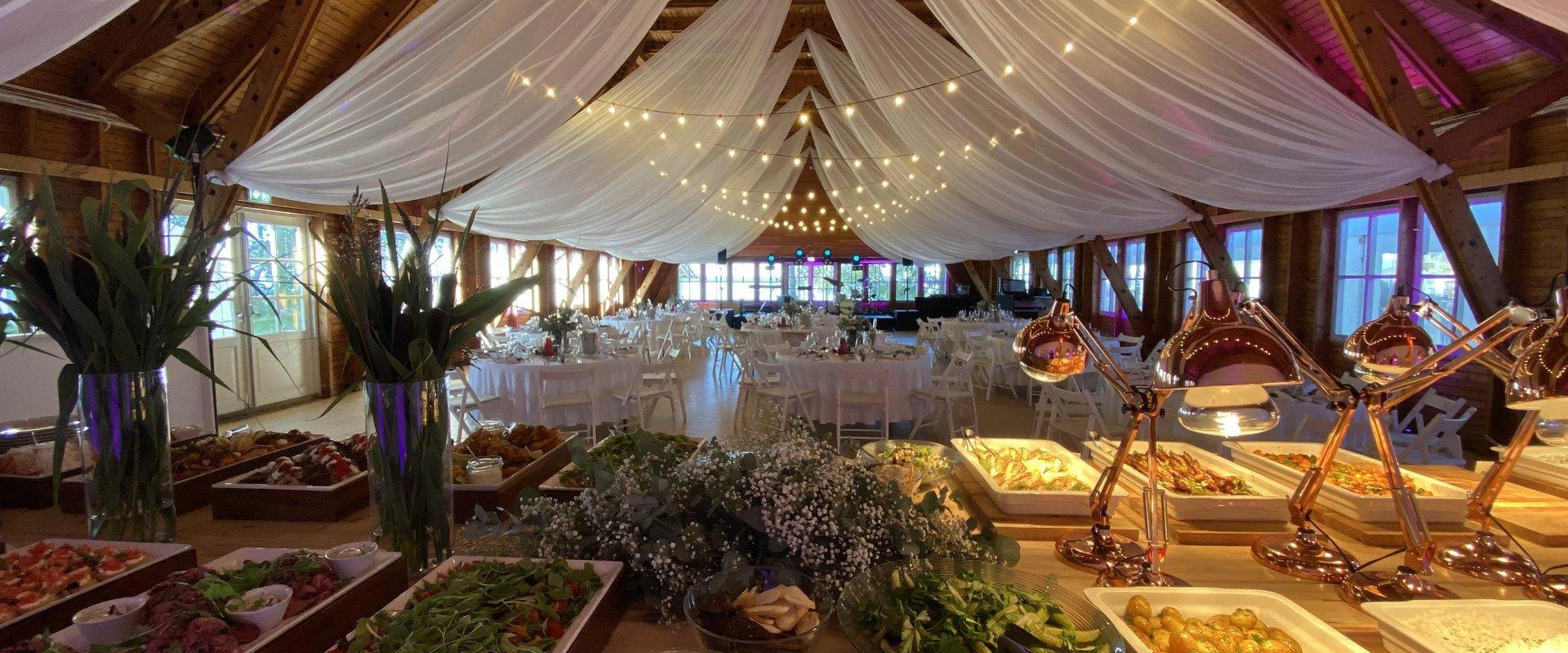
The menu
What to order
- Raw beef steak pöff à la tartar
- Vegan moussaka
Where the Lahemaa Coast Sets the Terms
Käsmu sits at the tip of a small peninsula on Estonia's northern coast, inside Lahemaa National Park, and the village has a particular quality that separates it from the resort towns further west. There are no hotel chains, no organized tourist queues. The road narrows to a single lane through birch and pine before opening onto a bay rimmed by smooth Baltic granite. In a country where the relationship between landscape and table has always been direct, foragers, fishermen, and smallholders feeding the same communities for generations, a place like Käsmu makes the food-to-land connection feel less like a marketing premise and more like an observable fact.
Kaspervik, addressed at Lainela tänav 10-9, sits within this context. The physical approach tells you what the setting prioritizes: modest scale, proximity to the water, the kind of quietness that coastal Estonian villages maintain even in summer. The Lahemaa shoreline is not a production zone in the industrial sense, it is a stretch of coastline where small-volume, seasonally driven supply has always been the practical reality, not an aspirational positioning.
Ingredient Sourcing and the Coastal Supply Logic
Estonia's most interesting dining across the full spectrum, from 180° by Matthias Diether in Tallinn at the high end of Estonian fusion to the quieter regional tables in smaller towns, has converged on a single shared argument: the Baltic and its surrounding land already provide a larder with specific character, and the kitchen's job is to stay close to it rather than override it. That argument is easiest to make and hardest to fake in a place like Käsmu.
The village has historically been a sea captain's settlement, and the culture of working directly with the sea rather than at a remove from it is embedded in local identity. Baltic herring, pike-perch, and seasonal perch from nearby waters represent the kind of ingredient supply that does not require sourcing decisions, geography makes them obvious. Foraged ingredients from the national park surroundings, including mushrooms and berries whose seasons compress into late summer and autumn, fill the remaining gaps. Compared with restaurants in larger Estonian cities that must construct a regional identity through deliberate sourcing partnerships, a Käsmu operation starts with proximity as a baseline condition rather than an achievement.
This is the same dynamic visible at KABE Beach in Kaberneeme and Wana Kala Kõrts in Neeme along the northern coastal strip, restaurants where what arrives on the plate is shaped first by what the immediate coastline and forest provide, and presentation follows from that rather than the reverse. For context on how this compares to Estonia's inland dining tradition, Kohvik in Viljandi and Kolm. Restoran in Voru offer a useful point of comparison, both operate with strong regional grounding but without the coastal supply specificity that defines venues on the Lahemaa and Pärnu coastlines.
Placing Kaspervik in Estonia's Coastal Dining Circuit
Estonia's coastal dining sits in a distinct tier from the capital's formal restaurant scene. Tallinn supports structured tasting menus, wine programs, and the kind of international credentialing associated with 180° by Matthias Diether. Outside the capital, the register shifts. At venues like Franzia in Narva Joesuu and Valgeranna Veinitall in Audru, the reference points are local rather than international. Kaspervik belongs to this coastal category, a setting where the draw is location, seasonal supply logic, and the specific texture of eating in a place this removed from urban infrastructure.
The comparison to somewhere like Kuur in Vihtra or Kalana ÄÄR in Kalana is instructive: these are venues that work within the constraints of Estonian coastal geography and treat those constraints as defining assets. The limited supply, the short growing season, the small community context, all of these produce a kind of cooking and hospitality that cannot be scaled or replicated indoors in a city. The contrast with a globally connected operation like Le Bernardin in New York City or Atomix in New York City is not just geographical; it is philosophical. Käsmu's version of ingredient sourcing is involuntary in the leading sense.
Planning the Visit
Getting to Käsmu requires a car from Tallinn, the village is roughly 80 kilometres east, accessible via the Tallinn-Narva highway with a turn south through Lahemaa. Public transport connections to the peninsula tip are minimal, which makes Käsmu a destination that self-selects for visitors with specific intent rather than passing foot traffic. The same logic that limits supply diversity also limits convenience, and both are features rather than problems for the visitor who travels to eat within a particular landscape rather than to eat despite it.
Seasonal timing matters on this coastline. Summer, from June through August, brings the longest daylight hours and the most reliable access to outdoor-oriented settings along the bay. Autumn shifts the palette toward mushroom and game availability and the light on the water turns from pale to amber. Winter visits to Käsmu are possible but the village empties significantly; the resident population is small and the seasonal economy contracts. For a broader orientation to what's dining in this part of Estonia, our full Käsmu restaurants guide covers the available options across the village. Visitors coming from further along the coast may also find Kärme Küülik in Haapsalu and Burger Bros in Rakvere worth noting as waypoints en route.
At venues of this scale and location, direct contact before arrival is advisable, particularly outside the main summer window when hours may contract without formal notice. The address, Lainela tänav 10-9, Käsmu, 45601 Lääne-Viru maakond, is the reliable starting point for any visit planning.
Frequently asked questions
Would Kaspervik be comfortable with kids?
Käsmu itself is a quiet village inside Lahemaa National Park, which shapes the tone of any visit there. The setting, a residential address at Lainela tänav 10-9, suggests an informal, unhurried pace rather than a loud or busy dining room.
What kind of setting is Kaspervik?
Kaspervik sits at Lainela tänav 10-9 in Käsmu, a small peninsula village on Estonia's northern coast within Lahemaa National Park. The address places it well outside any urban dining strip, this is a remote, nature-adjacent setting where the coastline and forest define the atmosphere more than any interior design decision. Expect something closer to a countryside retreat than a formal restaurant room.
Is Kaspervik worth the drive from Tallinn for a day trip?
The drive from Tallinn to Käsmu runs roughly 80 kilometres east via the Tallinn-Narva highway, making it a feasible half-day or full-day trip rather than a quick detour. Käsmu itself, set inside Lahemaa National Park, rewards the journey independently of any single dining stop, the peninsula has a distinct coastal character that few places on Estonia's north coast match. Whether Kaspervik alone justifies the round trip depends on confirming it is open and operating on the day you plan to visit, so advance contact is advisable.
Where is Kaspervik located?
Kaspervik is located at Lainela tänav 10-9, Käsmu, 45601 Lääne-Viru maakond, Estonia, Kasmu.
Do they take walk-ins at Kaspervik?
Given Käsmu's remote position, roughly 80 kilometres east of Tallinn, requiring a car, arriving without a reservation carries real risk. The village sees concentrated visitor traffic during Estonia's short summer season, and any operation at this address is likely working with limited covers. Reaching out ahead of travel is the practical move.
What's Kaspervik best at?
Kaspervik's position inside Lahemaa National Park, on the Käsmu peninsula, points toward the kind of experience Estonia's coastal dining does well, tight sourcing from nearby waters and forests, and a pace set by the season rather than a fixed menu cycle. That positions it within the tier of rural Estonian addresses that trade on provenance and place rather than formal tasting-menu structure.
In Context: Similar Options
| Venue | Cuisine | Price | Awards | Notes |
|---|---|---|---|---|
| KaspervikThis venue (the venue you are viewing) | Estonian Seasonal Seaside | Not listed | Not listed | Not listed |
| NOA | Modern International | $50–100 | Michelin Bib Gourmand · White Guide Baltic Restaurants - Very Fine Level | Modern European, Modern Cuisine |
| 180° by Matthias Diether | Modern Creative Fine Dining | $300–500 | 2 Michelin Stars · La Liste Top Restaurants | Estonian Fusion |
| NOA Chef’s Hall | Modern European Fine Dining | $150–200 | 1 Michelin Star · La Liste Top Restaurants | Creative |
| Alexander | Nordic Islands’ Cuisine | $150–200 | Michelin Plate · La Liste Top Restaurants | Modern Cuisine |
| Fellin | European Café-Bistro | Not listed | Michelin Bib Gourmand · White Guide Baltic Restaurants - Fine Level | Traditional Cuisine |
Continue exploring
More in Kasmu
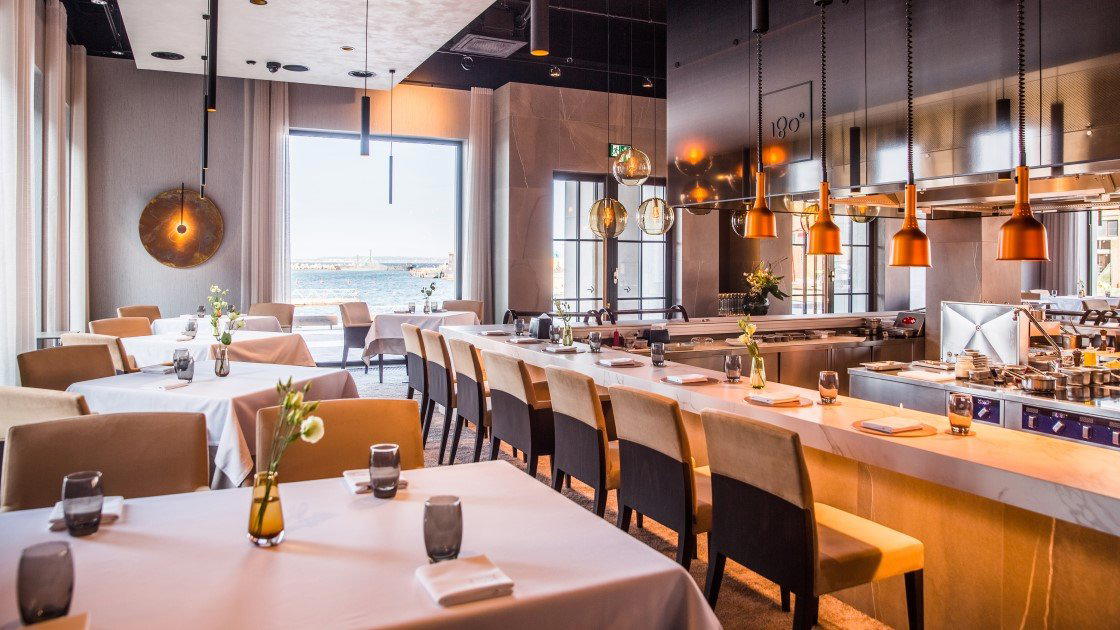
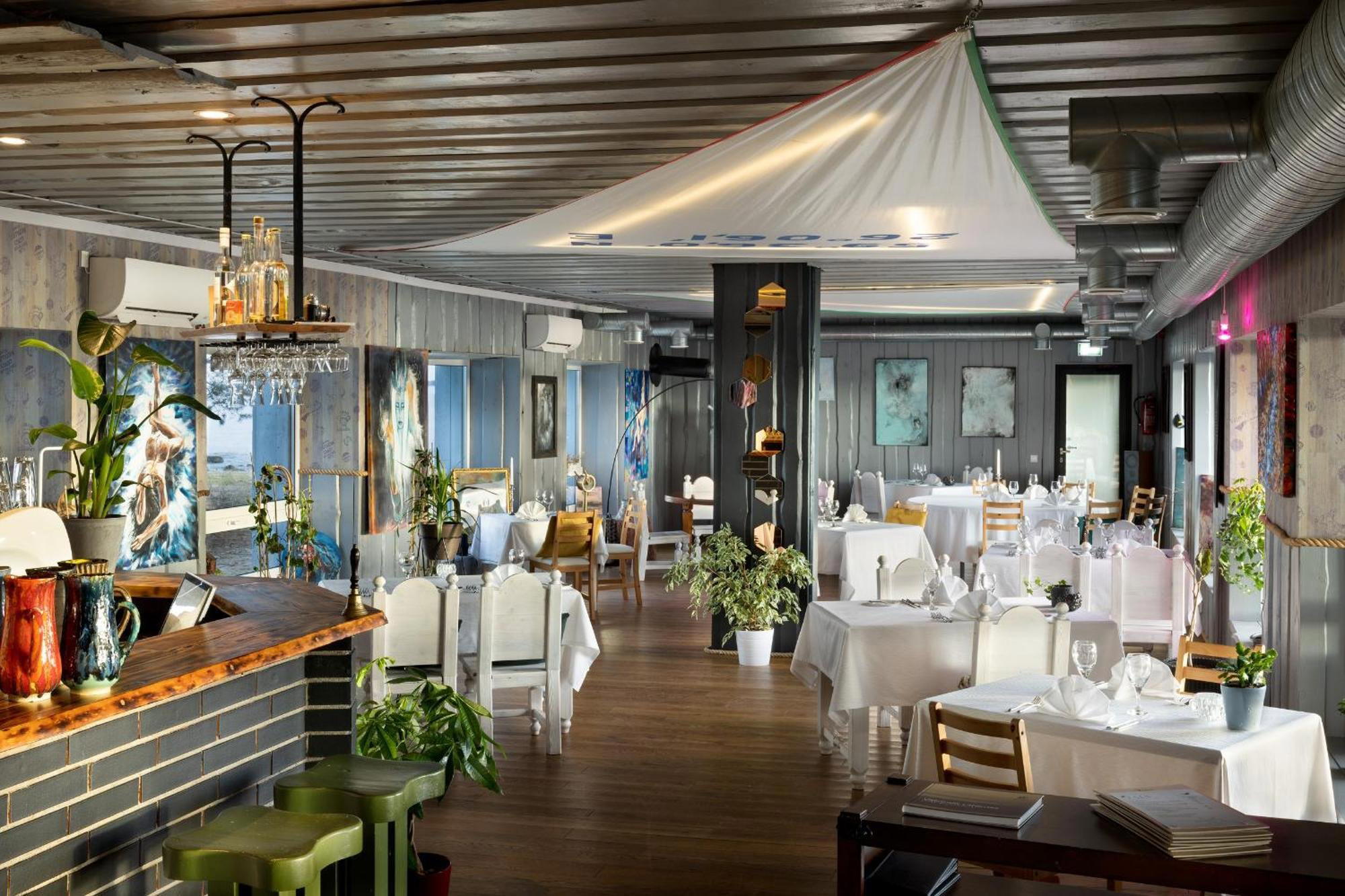
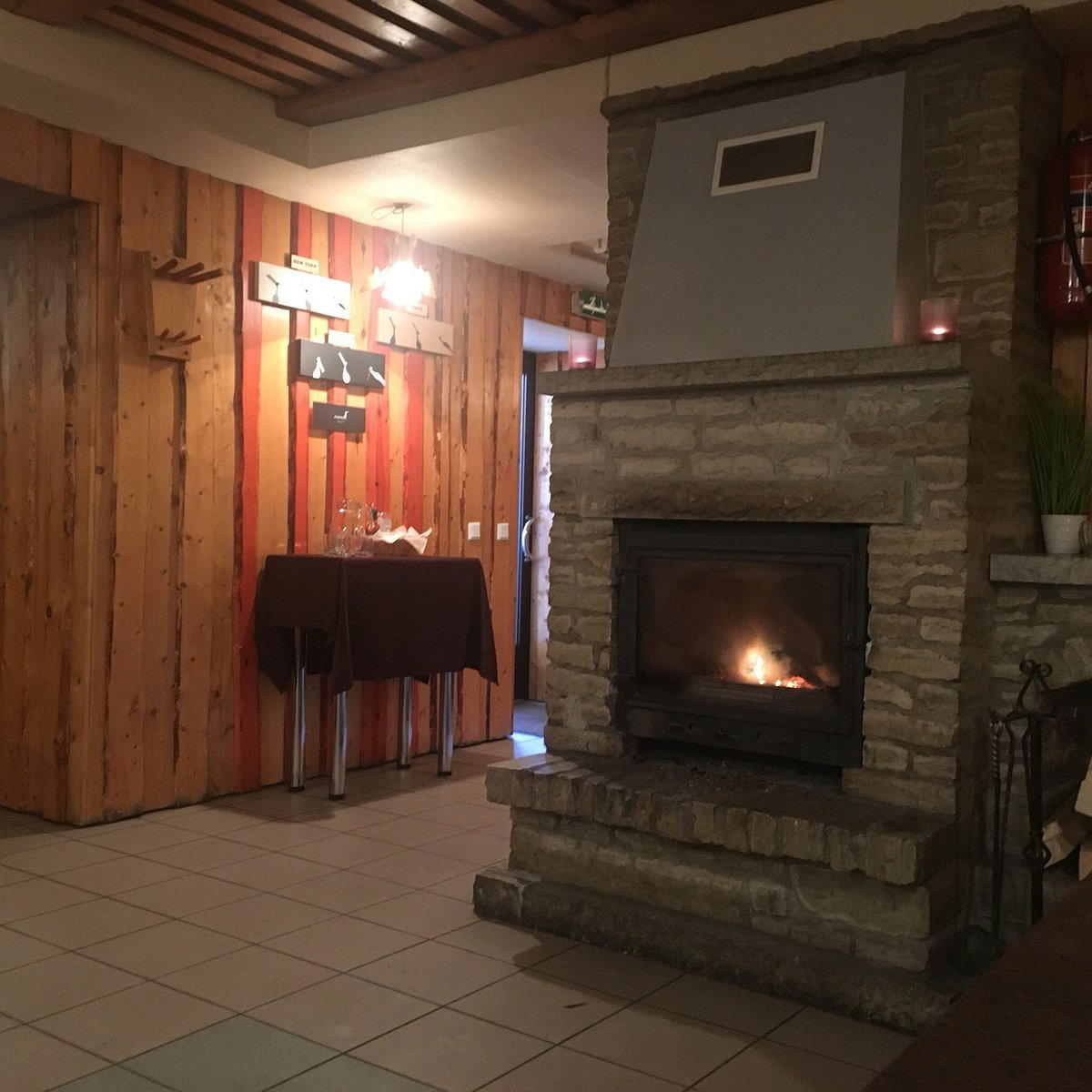
Details
- Cozy
- Scenic
- Rustic
- Romantic
- Date Night
- Special Occasion
- Waterfront
- Terrace
- Local Sourcing
- Waterfront
- A La Carte
- Vegetarian Friendly
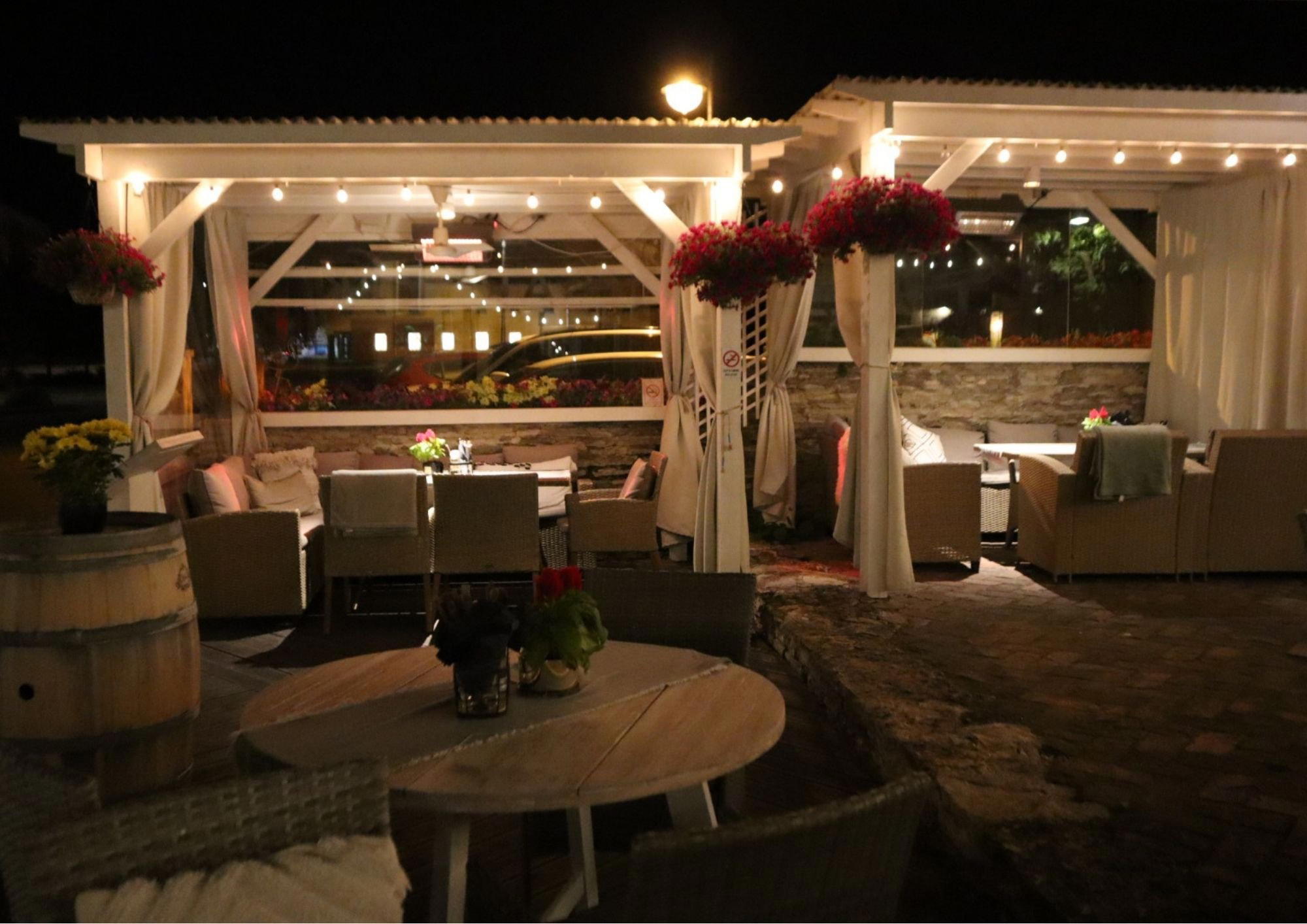
Cosy atmosphere with caring service and terrace offering enchanting sea views.