
White Guide Baltic Restaurants - Fine Level
Our verdict
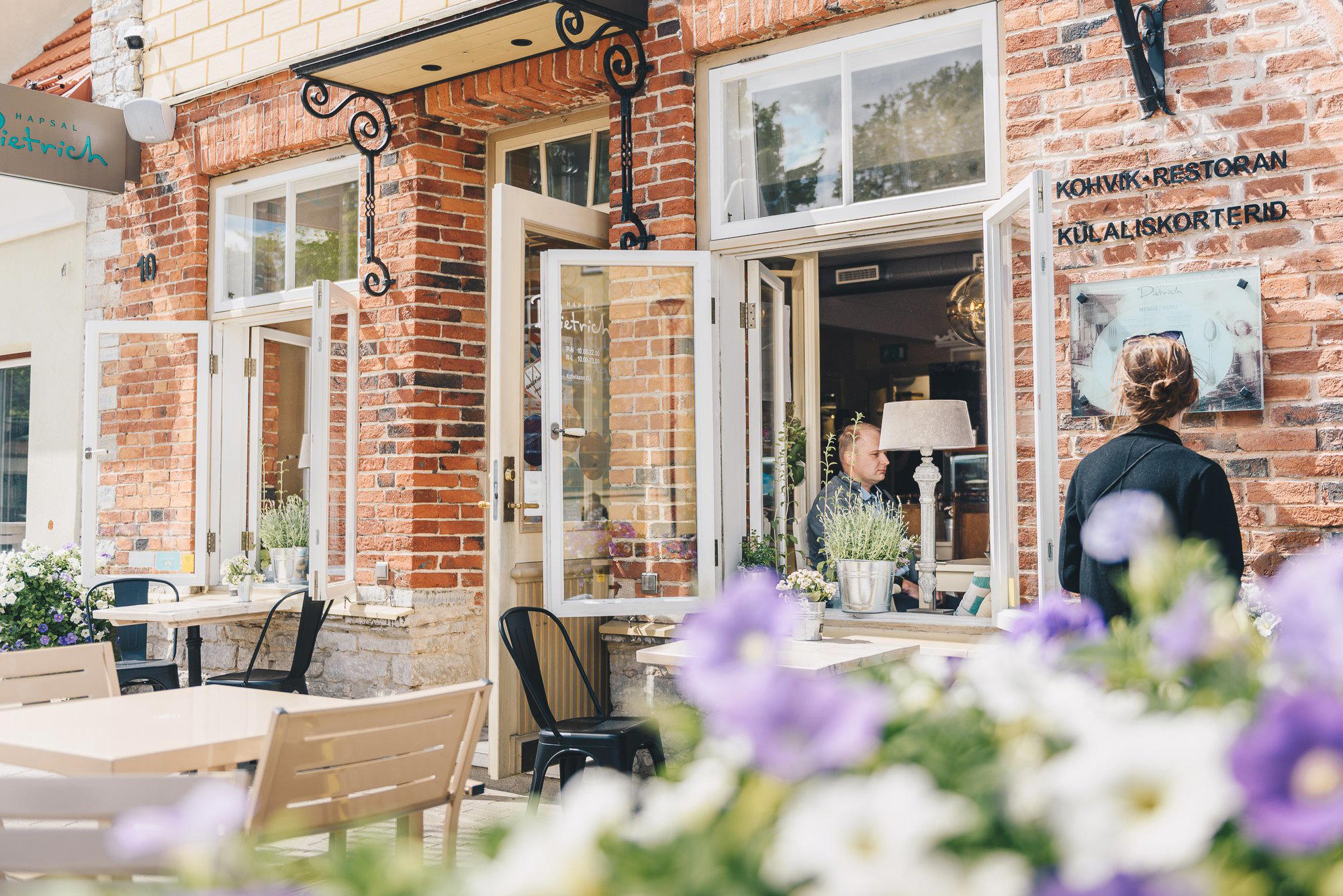
Hapsal Dietrich sits on Karja Street in Haapsalu's compact old town, where Estonia's western coast dining scene operates at a quieter, more considered register than the capital. With sparse published data and a low public profile, it occupies the kind of position that rewards visitors who seek out local tables over well-signposted options. A reference point for understanding how small-city Estonian hospitality works beyond Tallinn's orbit.

Pearl is the En Primeur Club membership app, where members save venues, book tables and use the concierge.
The menu
What to order
- House cakes
- Sizzling prawns
- Fresh local fish
Haapsalu's Dining Register: Small City, Deliberate Choices
Estonian coastal towns do not run on the same logic as Tallinn. In Haapsalu, a spa town of roughly ten thousand people on the western shore, the restaurant culture reflects the pace of a place that draws visitors for its wooden architecture, mud-cure history, and the particular quality of light that Baltic writers have been describing for two centuries. Tables here are fewer, menus shorter, and the relationship between kitchen and local supply chain tighter than anything you find in the capital. Hapsal Dietrich, addressed at Karja tn 10 in the old town core, is part of that fabric.
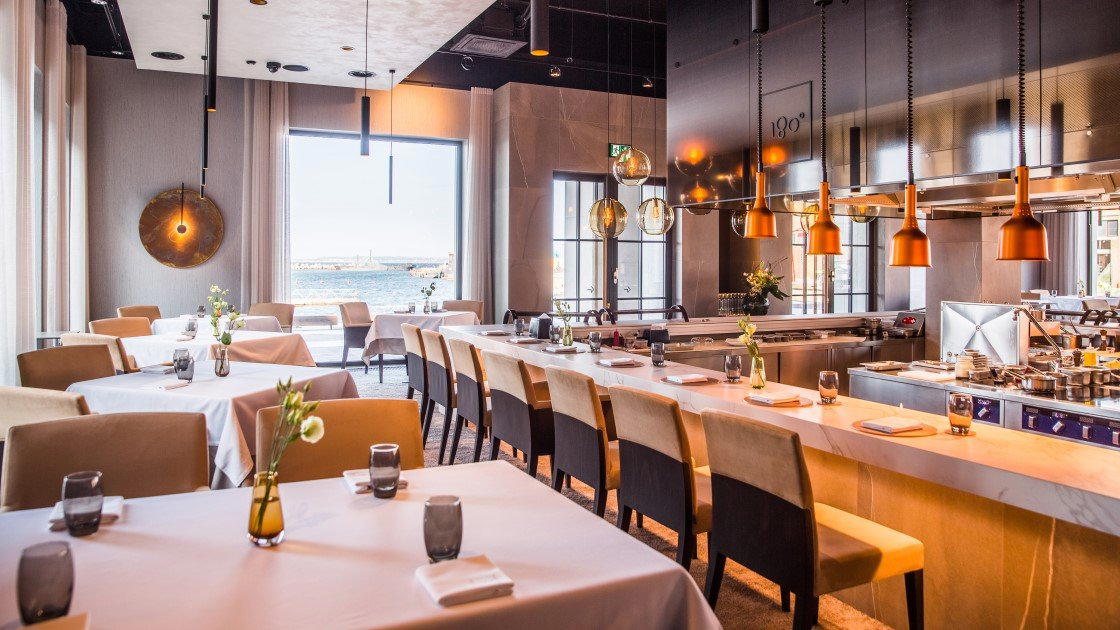
Haapsalu's dining scene occupies a specific tier in the Estonian regional picture: not the ambition-signalling territory of Tallinn's fine-dining corridor, where venues like 180° by Matthias Diether compete on tasting-menu credentials, but a quieter register where local character and consistency carry more weight than format prestige. In that context, finding a table on Karja Street rather than the tourist-facing promenade is already an editorial signal about what a venue is trying to do.
The Cultural Logic of Western Estonian Cooking
The food traditions of western Estonia and the islands draw heavily on coastal proximity: fish from the Haapsalu bay and the wider West Estonian Archipelago, foraged ingredients from the surrounding forests and wetlands, and preserved or fermented preparations that reflect centuries of practical necessity in a short-growing-season climate. This is not the Nordic-fine-dining version of those traditions, reframed for international audiences, but the source material from which that international moment draws its credibility.
Small-city restaurants in this region tend to carry that tradition without performing it. The contrast is instructive: in Tallinn's old town, Estonian culinary heritage is often a conscious selling point, packaged for the visitor market. In Haapsalu, the same ingredients and techniques appear more quietly, because they are simply what is available and what local diners know. That distinction matters when you are deciding which restaurants in a region tell you something real about the place.
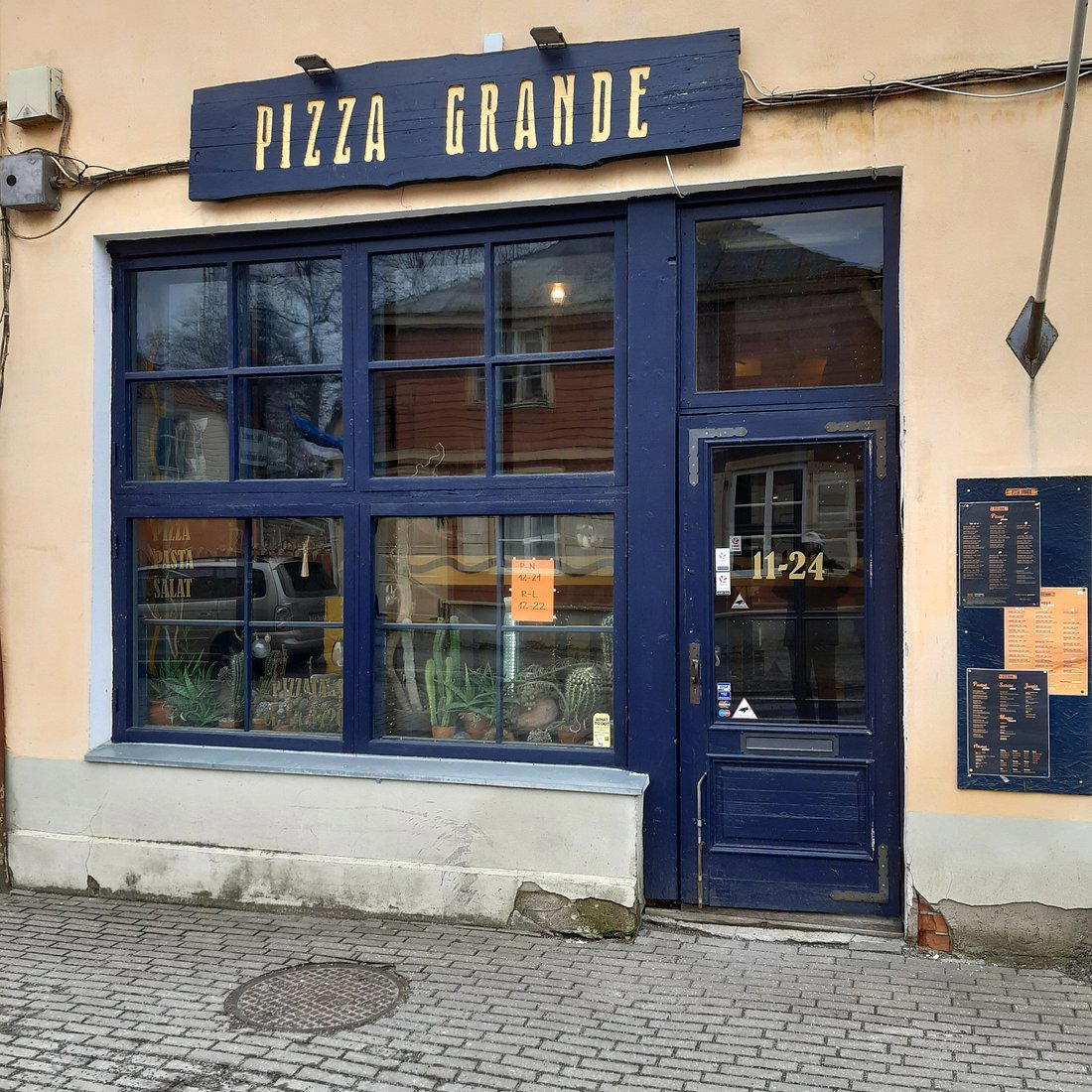
For context on how different operators approach the Haapsalu dining scene, Rado Haapsalu positions itself explicitly in the traditional cuisine tier at a mid-range price point, offering a useful comparison for how locally-inflected cooking gets presented at different register levels. Kärme Küülik and Pizza Grande round out the town's accessible options, covering the casual end of the spectrum. Our full Haapsalu restaurants guide maps the scene in fuller detail.
What Karja Street Tells You
The address is specific in a way that matters for a town this size. Karja Street runs through the older residential and commercial core rather than along the waterfront or into the castle district where most visitor-oriented businesses cluster. A restaurant on Karja tn is oriented, at least partly, toward a local clientele rather than the summer tourist circuit. Whether that orientation holds at Hapsal Dietrich is something the address implies rather than confirms, but it is a reasonable inference from the geography.
Haapsalu's visitor season peaks sharply in July and August, when the spa resort history draws summer visitors and the White Lady film festival pulls cultural audiences. Outside those months, the town operates at a lower volume, and restaurants that survive year-round do so on local repeat custom rather than seasonal overflow. That dynamic shapes what gets cooked, how menus are priced, and the pacing of service in ways that distinguish western Estonian provincial dining from anything you encounter closer to the capital.
For a sense of how other Estonian regional towns handle a similar dynamic, Kohvik in Viljandi and Kolm. Restoran in Voru both operate in comparably sized cities where the local-versus-visitor tension plays out at the table level. Further afield, Franzia in Narva Jõesuu and Kohvik Kaar in Narva illustrate how Estonia's geographically dispersed restaurant culture maintains distinct local identities despite the gravitational pull of Tallinn's dining circuit.
Planning Your Visit
Published booking information, pricing, and hours for Hapsal Dietrich are not available in current listings. Small Estonian restaurants at this scale frequently operate without maintained web presences, which is itself a useful indicator: the trade-off for a lower public profile is that visits reward preparation over spontaneity. Seasonal closures or adjusted hours between September and May are common across the Haapsalu dining scene, so confirming ahead of a dedicated trip is advisable regardless of the venue.
Haapsalu is accessible from Tallinn by bus in approximately two hours, with the journey through western Estonian countryside adding context to the coastal-rural character you encounter at the table. The town's compact old town means that once you are there, everything within the dining scene is walkable.
Estonian Regional Dining in Wider Context
Estonia's regional dining story is still being written for international audiences. The country's Michelin recognition remains concentrated in Tallinn, but the ingredients, producers, and culinary logic that make that recognition possible are largely rural and coastal in origin. Venues operating in towns like Haapsalu sit closer to those sources, which does not automatically make them more interesting but does make them more revealing about what Estonian food actually is before it gets curated for export.
For those who want to cross-reference Estonian approaches against other Baltic and Nordic coastal traditions, the pattern of small-city restaurants working with short supply chains and seasonal constraints is consistent across the region. It connects, in a different register, to the logic you see in internationally recognised seafood venues like Le Bernardin in New York City, where the intelligence of a kitchen is read through its relationship to a single product category, or the cultural specificity that defines Atomix in New York City's approach to Korean culinary heritage. The ambition is different, but the underlying question is the same: what does a place's food say about the place itself.
Other coastal and waterside venues in Estonia's broader orbit offer additional comparison points. KABE Beach in Kaberneeme, Wana Kala Kõrts in Neeme, and Valgeranna Veinitall in Audru each work within the Estonian coastal register at different price and format points. Kuur in Vihtra and Eva Sushi in Tartu extend the picture into interior Estonia, while Everest Thai/Nepalese Restaurant in Pärnu and Burger Bros in Rakvere mark the edges of what the country's provincial dining circuit looks like at its most international-facing.
Frequently asked questions
Where is Hapsal Dietrich in Haapsalu?
Hapsal Dietrich is located at Karja tn 10, Haapsalu, 90503 Lääne maakond, Estonia, Haapsalu.
Is Hapsal Dietrich a good option for visitors travelling specifically to explore Estonian regional cuisine outside Tallinn?
Estonia's Michelin recognition remains concentrated in Tallinn, which means Haapsalu represents a different kind of argument for regional cooking, one rooted in western Estonian and archipelago food traditions rather than capital-city fine dining. Hapsal Dietrich's location on Karja tn 10 in Haapsalu places it in a city with a distinct coastal and spa-town character that Tallinn does not replicate. For travellers whose interest is in how Estonian cuisine operates away from the restaurant media spotlight, western Estonia is the more instructive destination.
What do regulars order at Hapsal Dietrich?
Specific menu details for Hapsal Dietrich are not published in current listings, but the broader culinary tradition of western Estonia centres on bay fish, coastal produce, and the island-influenced larder of the West Estonian Archipelago. In a town of Haapsalu's scale, restaurants at this address tend to build their identity around what the local bay and region yield seasonally. Confirmed menu details are best obtained directly from the venue.
How hard is it to get a table at Hapsal Dietrich?
Haapsalu draws a steady flow of visitors during the warmer months, when the spa town's population and tourist traffic swell considerably beyond its resident base of roughly ten thousand. For a venue on Karja Street in the older commercial core, demand during peak season can outpace casual walk-in availability. Booking ahead, particularly for summer weekends, is the practical approach for any dining address in this part of western Estonia.
What's the defining dish or idea at Hapsal Dietrich?
Venues operating in this register tend to treat fish from the bay and foraged or grown western Estonian produce as the primary material. The address on Karja Street, away from the tourist-facing waterfront strip, suggests a kitchen oriented toward the town itself rather than seasonal visitors.
Cost and Credentials
Comparable venues nearby, for context on price, style, and recognition.
| Venue | Cuisine | Price | Awards | Notes |
|---|---|---|---|---|
| Hapsal DietrichThis venue (the venue you are viewing) | Historic European Café with Local Flavors | $20–30 | White Guide Baltic Restaurants - Fine Level | Not listed |
| Kärme Küülik | Modern Estonian with Wood-Fired Grill | $30–50 | White Guide Baltic Restaurants - Very Fine Level | Haapsalu, Modern Estonian with Wood-Fired Grill |
| Rado Haapsalu | Modern Estonian Traditional | Not listed | Michelin Plate · Star Wine List | Haapsalu center, Modern Estonian Traditional |
| Pizza Grande | Traditional Italian Pan Pizza | $10–20 | Not listed | Old Town Haapsalu, Traditional Italian Pan Pizza |
| KOGU Resto | Modern Estonian Signature Cuisine | $50–100 | Not listed | Kalaranna, Modern Estonian Signature Cuisine |
| Supelsaksad | European Café | Not listed | White Guide Baltic Restaurants - Fine Level | Old Town, European Café |
Recognition history
Dated appearances from independent guides and award organizations, with the underlying list record or original source where available.
White Guide Baltic Restaurants - Fine Level
White Guide
Continue exploring
More in Haapsalu
Details
- Historic
- Cozy
- Elegant
- Date Night
- Family
- Casual Hangout
- Historic Building
- Beer Program
- Local Sourcing
- Street Scene
- A La Carte
- Vegetarian Friendly
- Gluten Free Options
Current opening hours
- Monday
- 11:30 AM–8 PM
- Tuesday
- 11:30 AM–8 PM
- Wednesday
- 11:30 AM–8 PM
- Thursday
- 11:30 AM–10 PM
- Friday
- 11:30 AM–10 PM
- Saturday
- 11:30 AM–10 PM
- Sunday
- 11:30 AM–8 PM
Hours can change for holidays and private events. Hours as of .
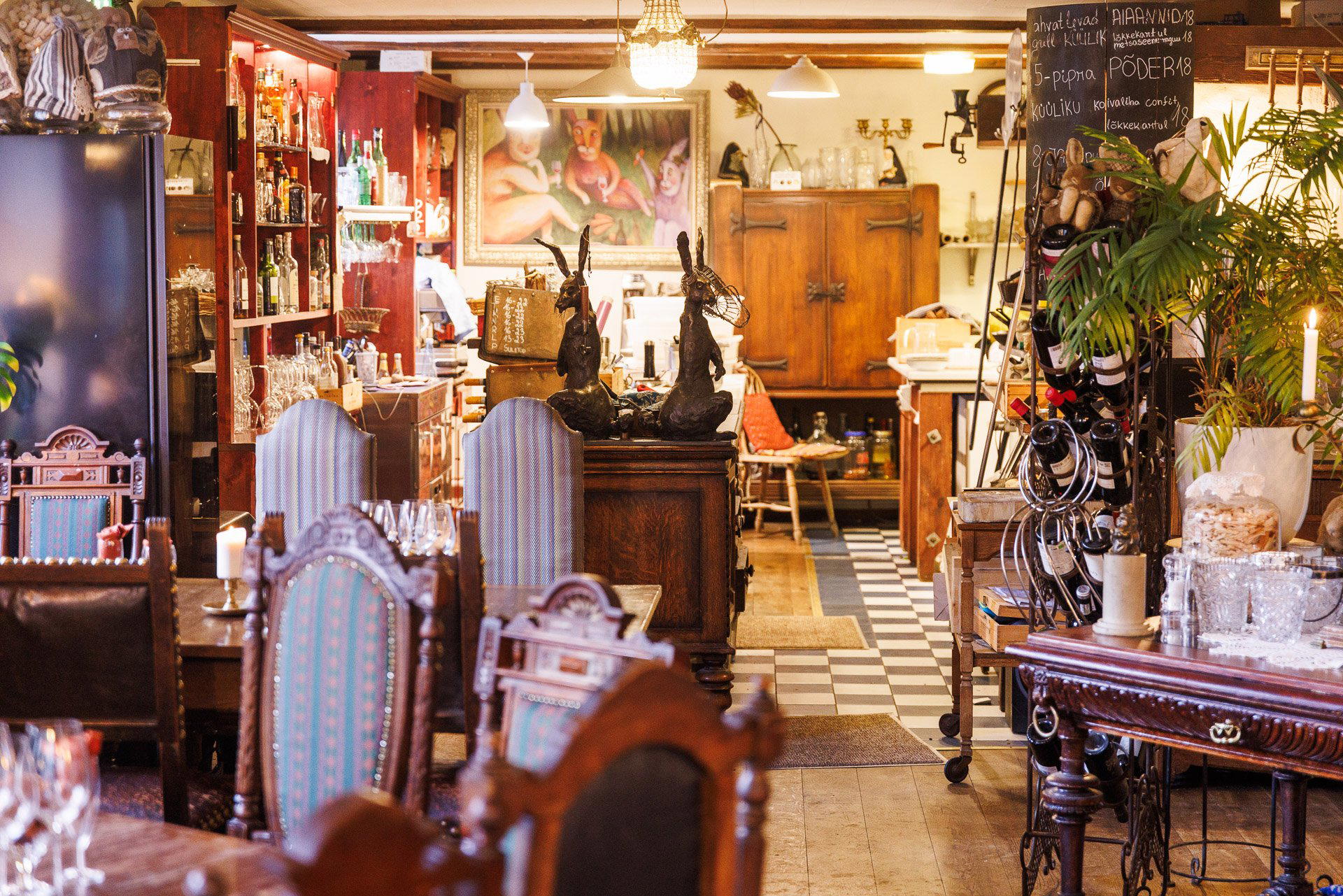
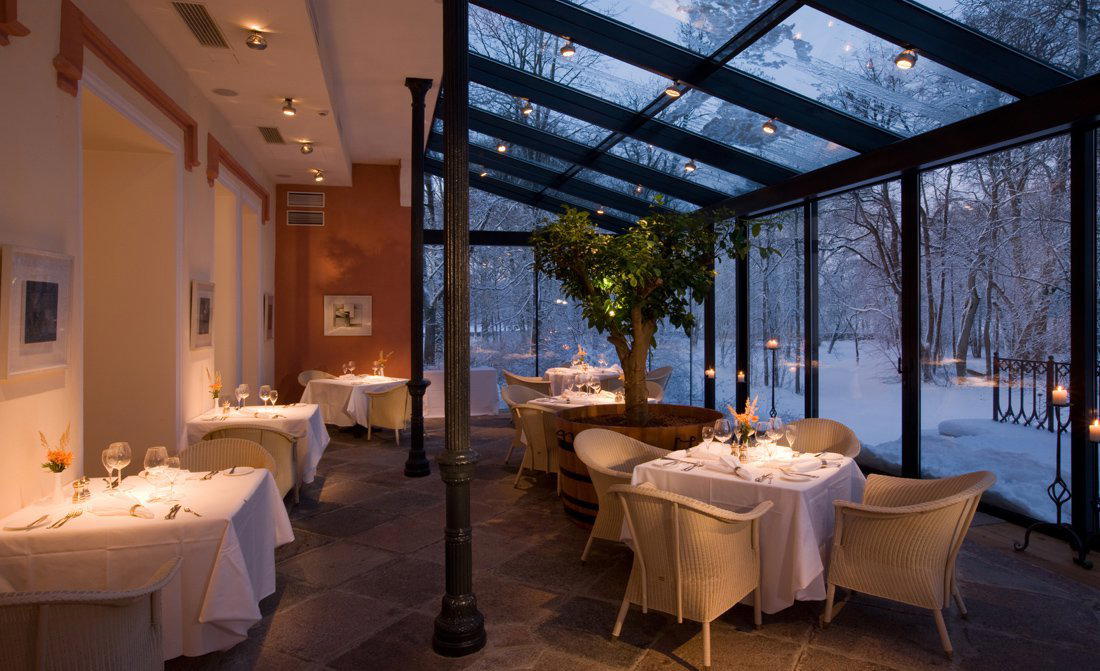
Cozy historic interior with old Estonian furniture, warm welcoming atmosphere, and stylish decorative elements evoking a century ago.