On the Boulevard Gustave Chancel in Antibes, NKI Sushi occupies a dining niche that is genuinely scarce on the Côte d'Azur: a dedicated Japanese address outside the hotel-restaurant circuit. In a town where the default seafood register runs Provençal and Mediterranean, NKI offers a different grammar for the same raw material, precision-led, counter-oriented, and set against one of France's more sun-drenched backdrops.
Pearl is the En Primeur Club membership app — saves, bookings, and concierge access live there. Same editors, same standards.
- Address
- 20 Bd Gustave Chancel, 06600 Antibes, France
- Phone
- +33806231045
- Website
- nkisushi.dishop.co
- Directions
- Get directions
 Saves & bookings on Pearl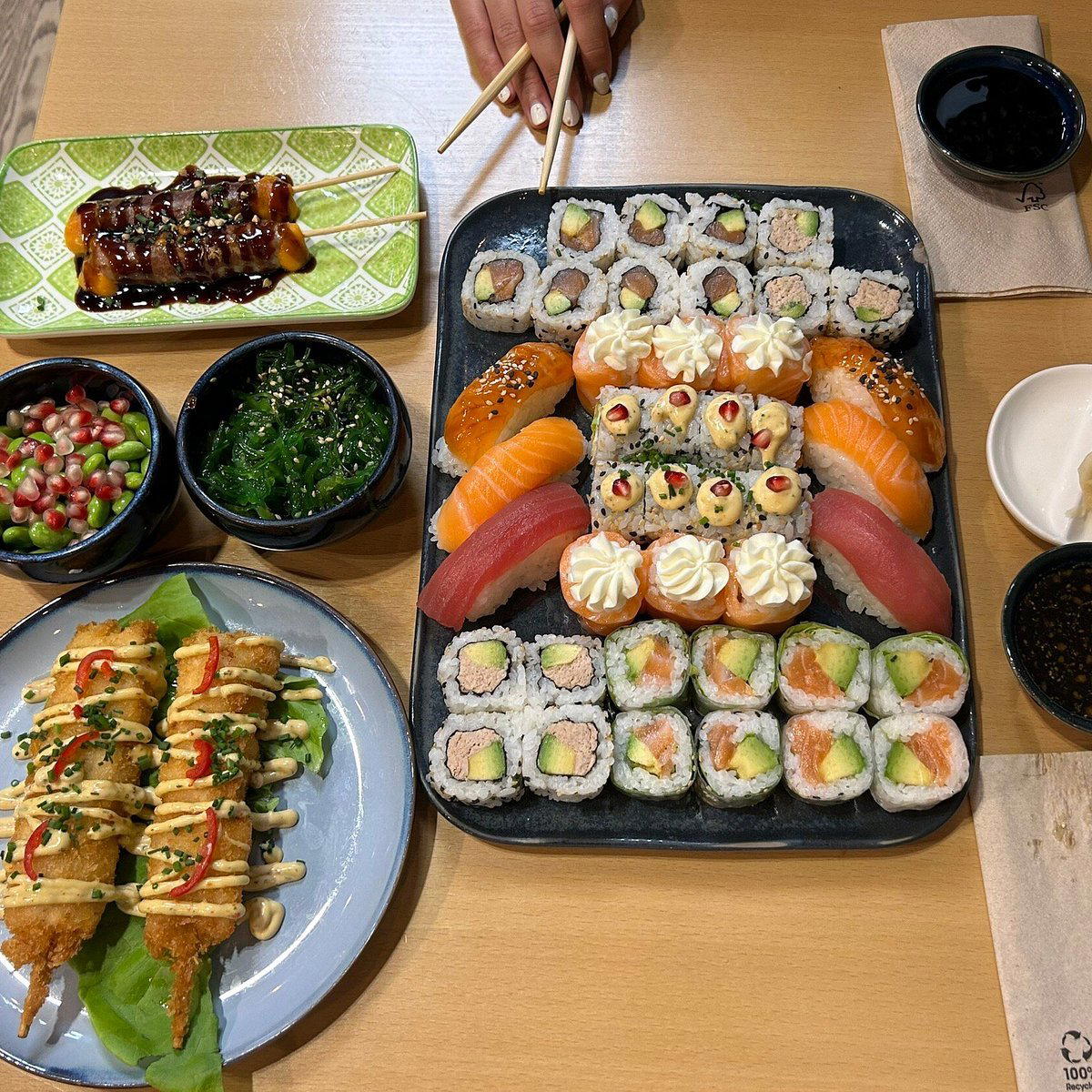
Sushi on the Riviera: The Gap NKI Fills
The Côte d'Azur has a seafood culture that goes back centuries, but it has historically expressed that culture in one register: Provençal. Bouillabaisse, grilled rouget, tapenade-dressed bream, these are the idioms the region defaults to, from Nice's brasseries to the white-tablecloth rooms of Cap d'Antibes. Japanese technique applied to Mediterranean catch represents a much smaller, harder-to-find category along this stretch of coast. NKI Sushi, a casual Fresh Contemporary Sushi restaurant at 20 Boulevard Gustave Chancel in Antibes, operates in that gap. In a town where the high-end dining bracket is occupied by addresses like Les Pêcheurs and Louroc at the Hôtel du Cap-Eden-Roc, both running at the €€€€ tier with Mediterranean and modern French frameworks, NKI occupies a distinct alternative position rather than a directly competing one.
That positioning matters. Antibes is not a city with a saturated Japanese dining scene. Visitors who have spent time at counters in Paris or Tokyo, or who have eaten at reference-point addresses like Atomix in New York, will bring comparative expectations that the local market does not typically service. NKI exists, in part, to meet those expectations in a location that otherwise offers them nowhere to land.
What the Boulevard Gustave Chancel Communicates Before You Sit Down
Boulevard Gustave Chancel runs along the southern edge of Antibes, close enough to the water that the light quality shifts in the late afternoon, the particular Mediterranean flatness that turns building facades the colour of warm stone. Arriving at a Japanese restaurant on this street involves a small perceptual shift. The visual environment is entirely Côte d'Azur: the scale of the boulevard, the palm-edged sightlines, the unhurried pace that distinguishes Antibes from the more frenetic register of Cannes or Monaco. What NKI proposes, architecturally and conceptually, is a counter experience transposed into that context.
Counter-format sushi rooms derive much of their atmosphere from compression: the chef working within reach, the sequence of preparation visible, the silence that serious omakase culture carries as a form of respect. How that translates in a Riviera setting, where the surrounding city runs at a different temperature, both literally and culturally, is part of what makes a venue like this interesting to assess. The Mediterranean backdrop does not disappear at the door. It tends to enter through the seafood itself.
Mediterranean Catch in a Japanese Register
France's southern coastline produces seafood that is technically excellent but temperamentally different from the Pacific varieties that classical Edo-style sushi was built around. The fat structures, the seasonal availability windows, the texture profiles, all shift when you move from tuna off the Spanish Atlantic to rouget from the Ligurian Sea or sea bass from local day-boats. Kitchens that handle Japanese technique in Mediterranean markets are making continuous decisions about how much to adapt and how much to hold to the original grammar.
This question is not distinctive to Antibes. It runs through the entire French fine-dining engagement with Japanese method, from the three-Michelin-starred precision of Alléno Paris au Pavillon Ledoyen to the mountain-inflected sourcing logic at Flocons de Sel in Megève. At the coastal end of that conversation, particularly compelling kitchens tend to be those that work honestly with what the local waters produce in a given week rather than importing consistency from distant sources. The Riviera's seasonal rhythms, peak summer abundance, the quieter shoulder months either side, give a kitchen operating in this register genuine material to work with across the year.
Where NKI Sits in Antibes's Wider Dining Picture
Antibes runs a tighter dining circuit than its neighbour Nice or the further west addresses in the Var. The town's most-discussed table in the regional cuisine category is Le Figuier de Saint-Esprit, which operates at the €€€€ tier with an emphasis on Provençal tradition. At the more accessible end of the spectrum, Chez Jules Le Don Juan holds the €€ bracket with a Provençal approach, and Chez Josy anchors the neighbourhood bistro register. NKI does not slot neatly into any of those categories. It draws on a different tradition entirely, which means it serves a different decision in a diner's evening: not a variation on the regional theme, but a departure from it.
For context on what the French Riviera's broader dining ambition looks like at the highest level, Mirazur in Menton, ranked first in the world on the 50 Best list at its peak, demonstrates the ceiling of what the coastline can produce when garden-to-plate sourcing is combined with technical rigour. NKI operates in a different register and price tier, but the regional ingredient quality that makes addresses like Mirazur possible extends throughout the Riviera coast, including the waters and markets accessible to an Antibes kitchen. That ingredient context is relevant regardless of format or scale.
France's Broader Counter-Cuisine Conversation
The appetite for counter-format, precision-led Japanese dining has grown steadily across France's major cities over the past decade. Paris now hosts a competitive tier of Japanese-founded and Japanese-trained counters that benchmark themselves against Tokyo references. That cultural pressure has gradually extended to secondary cities and resort markets. Antibes, as a town that draws an international crowd from late spring through early autumn, sits in the part of the French market where that demand arrives seasonally, concentrated, and often with high baseline expectations from travellers who eat at similar addresses in other cities.
Whether that seasonal concentration works in a small counter's favour or against it depends on format discipline. Addresses like AM par Alexandre Mazzia in Marseille have shown that the South of France can support serious precision-led dining year-round, not just during peak summer. The question for Antibes is whether the winter shoulder months sustain enough local appetite to carry a kitchen operating outside the regional default mode. For visitors planning around the summer peak, the practical answer is direct: July and August bring the fullest restaurant circuit to life across the whole Riviera, though they also compress booking availability across every category.
For a fuller read on what Antibes offers across cuisine types and price points, the EP Club Antibes restaurant guide maps the town's dining circuit by neighbourhood and category. Elsewhere in France, the country's counter-leading dining tradition extends from Alsace, where Au Crocodile in Strasbourg holds its longstanding position, to the Loire and Burgundy corridors, and outward to the reference institutions: Auberge de l'Ill in Illhaeusern, Bras in Laguiole, Troisgros in Ouches, and Paul Bocuse's Auberge du Pont de Collonges. Japanese-register dining in France does not sit in direct conversation with those institutions, but it has absorbed their emphasis on product quality and service precision, and that cross-pollination shows most clearly in markets like the Riviera, where the raw material is genuinely notable.
Planning a Visit
NKI Sushi is located at 20 Boulevard Gustave Chancel, Antibes. Reservations are recommended. Antibes is accessible by TGV and regional rail from Nice (approximately 20 minutes) and from Cannes (approximately 15 minutes), making it a practical dinner destination from either direction without requiring a car. The town's old quarter and waterfront are within walking distance of most central addresses, and Boulevard Gustave Chancel sits in the southern residential belt rather than the tourist-heavy old town core, a quieter approach in both directions.
Peers You’d Cross-Shop
Comparable venues nearby, for context on price, style, and recognition.
| Venue | Cuisine | Price | Notes |
|---|---|---|---|
| NKI sushiThis venue — the venue you are viewing | Fresh Contemporary Sushi | $$ | Not listed |
| MamaBoon | Authentic Vietnamese Street Food | $$ | Vieil Antibes |
| Michelangelo | Authentic Italian Trattoria | $$$ | Old Town |
| La Cafetière Fêlée | Fusion Franco-Asiatique | $$ | Vieil Antibes |
| YÚKØ | Latin-Asian Fusion Tapas | $$$ | Boulevard d'Aguillon |
| Nacional | Italian-Provençal Beef & Wine | $$$ | Place Nationale, Antibes |
Continue exploring
More in Antibes
Restaurants in Antibes
Browse all →
Bars in Antibes
Browse all →
Hotels in Antibes
Browse all →

At a Glance
- Cozy
- Modern
- Intimate
- Casual Hangout
- Group Dining
- Family
- Standalone
- Sustainable Seafood
Current opening hours
- Monday
- 11:30 AM–2 PM, 6–9:30 PM
- Tuesday
- 11:30 AM–2 PM, 6–9:30 PM
- Wednesday
- 11:30 AM–2 PM, 6–9:30 PM
- Thursday
- 6–9:30 PM
- Friday
- 11:30 AM–2 PM, 6–9:30 PM
- Saturday
- 6–9:30 PM
- Sunday
- 6:30–9:30 PM
Hours can change for holidays and private events. Last verified .
Warm, welcoming atmosphere with well-suited lighting that creates a comfortable dining environment.