

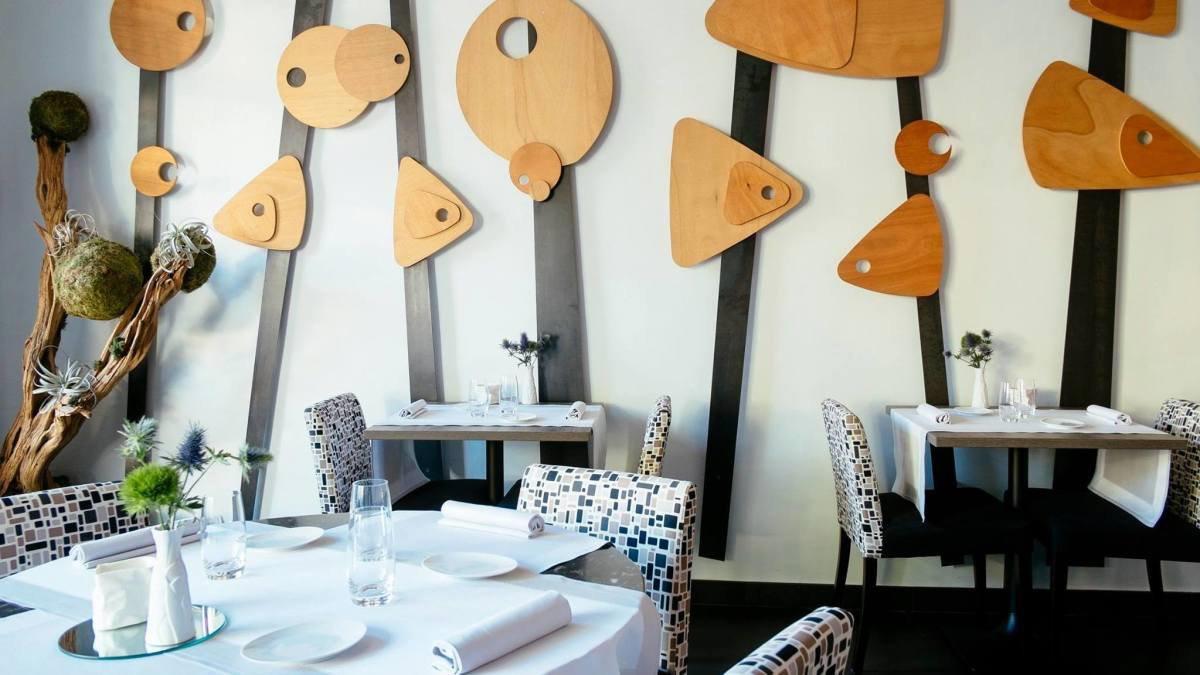
A Michelin-starred address in the heart of Antibes' old town, Le Figuier de Saint-Esprit sits between the Picasso Museum and the Marché Provençal, serving market-driven regional cuisine from a family kitchen with deep Provençal roots. The patio fig tree and rampart setting frame a dining experience grounded in local producers and weekly market sourcing.
Pearl is the En Primeur Club membership app — saves, bookings, and concierge access live there. Same editors, same standards.
- Address
- 14 Rue du Saint-Esprit, 06600 Antibes, France
- Phone
- +33 4 93 34 50 12
- Directions
- Get directions
 Saves & bookings on Pearl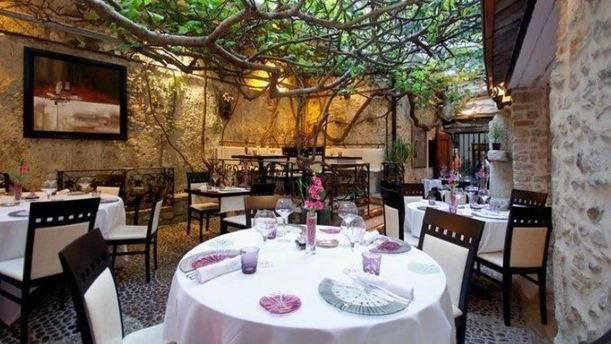
Between the Ramparts and the Market
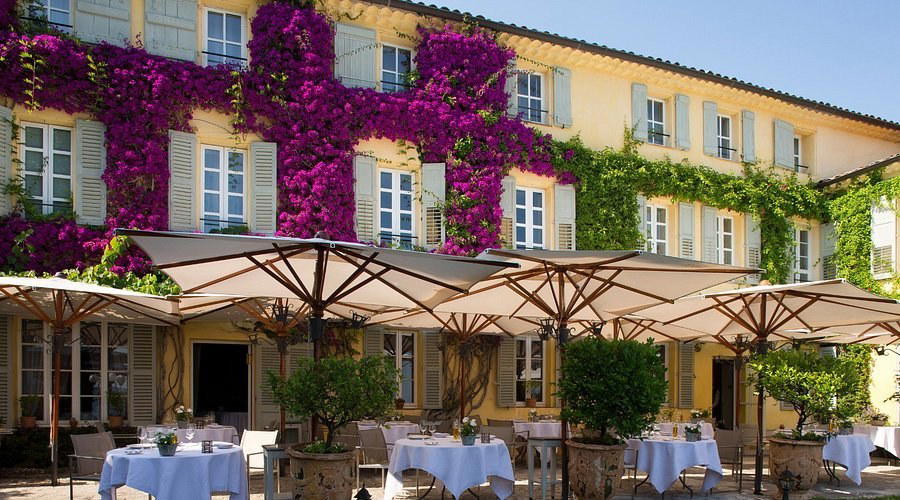
Old Antibes operates on a different clock from the resort towns strung along the Côte d'Azur. Inside the Vauban-era walls, the streets narrow to the width of a delivery cart, the Marché Provençal sets up in the covered arcades each morning, and the Picasso Museum occupies a former castle keep a short walk from the water. Rue du Saint-Esprit sits inside this compressed old town, and the approach to Le Figuier de Saint-Esprit follows the kind of route that makes the eventual arrival feel earned: past ochre façades, through a quartier that smells of cut herbs and warm stone in summer, and into a courtyard where a mature fig tree holds the centre of the terrace. The setting does not perform Provence so much as simply inhabit it.
This positioning, physically and conceptually, places the restaurant in a specific tier of the Riviera dining scene. At the €€€€ price bracket, it shares price territory with Les Pêcheurs and Louroc at the Hôtel du Cap-Eden-Roc, both of which operate from more architecturally dramatic coastal settings. What distinguishes this address is its rootedness in the old town rather than the waterfront, and a culinary proposition built on regional continuity rather than modern reinvention. The Michelin star confirms that the Guide concurs with that positioning: this is serious cooking that does not need a sea view to justify its price.
The Logic of the Meal
The dining ritual here follows a rhythm shaped by where the food comes from. The kitchen sources weekly at the Old Antibes market and at the Forville Market in Cannes, which means the menu moves with the season rather than being fixed to a showpiece format. In this respect, Le Figuier belongs to a tradition of French regional cooking in which the shopping precedes the menu writing, not the other way around. This is the same logic that underpins the cooking at destination addresses like Bras in Laguiole or Flocons de Sel in Megève, applied at a more domestic scale and with a distinctly Provençal ingredient vocabulary.
Two dishes have earned the status of signatures over time, and they are worth understanding as examples of how the kitchen thinks. The squid-ink cuttlefish cannelloni with shellfish jus and fresh basil is a construction that belongs entirely to this coastline: cuttlefish from the nearby Mediterranean, the basil that defines Niçoise and Provençal kitchens, and a jus built from the shells rather than from cream or butter. The saddle of lamb cooked in Vallauris clay is a more theatrical technique, invoking the ceramic-making tradition of the neighbouring town. The clay cooking method, historically used across Mediterranean cultures, seals in moisture and concentrates aromatics. Both dishes point to a kitchen that reads local culinary geography and expresses it with precision rather than nostalgia.
Pacing and Protocol
The service dynamic at this kind of family-run address differs meaningfully from the choreographed formality of larger Michelin establishments. The front-of-house operation creates a domestic register that is not relaxed in the sense of being casual about food, but is unhurried in a way that longer tasting-menu formats at restaurants like Mirazur in Menton or Alléno Paris au Pavillon Ledoyen are structured to avoid. The meal proceeds at the pace of conversation and the kitchen, not according to a predetermined theatrical arc.
Service hours reflect a traditional French provincial schedule. Lunch runs from 12:15 PM to 1:30 PM on Thursday through Sunday, a compressed window that rewards guests who arrive at the opening rather than drifting in at 1:00 PM. Dinner runs from 7:15 PM to 9:30 PM on Monday and Wednesday through Sunday, with Tuesday the weekly closure. The tight lunch service is typical of Michelin kitchens in smaller cities that concentrate quality into fewer covers rather than extending service for volume. Guests should treat the 12:15 PM opening as a genuine start time, not a suggestion.
For context within Antibes' dining hierarchy, Chez Jules Le Don Juan operates at the €€ tier with Provençal cooking in a more accessible format, while L'Arazur occupies the €€€ bracket with a modern cuisine approach. Le Figuier sits at the summit of this local price spectrum with the credential to match it. Le Vauban offers traditional cuisine at a different register.
Regional Cuisine on the Côte d'Azur
The Côte d'Azur's fine dining identity has long been pulled between its cosmopolitan resort character and the distinctly Provençal and Ligurian culinary traditions that predate the tourist economy. The restaurants that hold critical weight in this corridor tend to be those that have found a way to honour the local ingredient base without reducing it to folkloric gesture. Le Figuier de Saint-Esprit sits in a comparable set defined by that commitment: kitchens that source from local markets, cook with Mediterranean seafood and Provençal herbs, and treat regional technique as an active practice rather than a marketing register.
Compared to the broader architecture of French starred cooking, where addresses like Troisgros in Ouches or Paul Bocuse in Collonges-au-Mont-d'Or represent the monumental classical tradition, and where younger addresses reframe French technique through contemporary lenses, Le Figuier occupies a different category: the family-run regional address that has sustained quality over time without pivoting to modernism or expanding to exploit its reputation. This is a rarer model than it might appear. For further regional comparison, Fahr in Künten-Sulz and Gannerhof in Innervillgraten represent analogous commitments to regional identity in different Alpine contexts.
Google's 4.4 rating from 777 reviews suggests that the experience consistently delivers against expectations rather than polarising guests around a high-concept format. That is consistent with the kind of cooking this address represents: generous, technique-driven, regionally grounded food that does not require a conceptual decoder.
Planning Your Visit
Le Figuier de Saint-Esprit is at 14 Rue du Saint-Esprit, inside the old town of Antibes, a short walk from the Picasso Museum and the covered market. The restaurant closes on Tuesdays. For those combining the meal with broader exploration of what Antibes offers, the EP Club guides to restaurants in Antibes, hotels in Antibes, bars in Antibes, wineries near Antibes, and experiences in Antibes provide the surrounding context. Reservations are essential.
Category Peers
Comparable venues nearby, for context on price, style, and recognition.
| Venue | Cuisine | Price | Awards | Notes |
|---|---|---|---|---|
| Le Figuier de Saint-EspritThis venue — the venue you are viewing | Creative Provençal Fine Dining | $$$$ | Michelin 1 Star | Not listed |
| Les Pêcheurs | Mediterranean Fine Dining | $$$$ | Michelin 1 Star | Cap d'Antibes |
| Maison de Bacon | Mediterranean Seafood Fine Dining | $$$$ | Michelin Plate | Cap d'Antibes |
| Louroc - Hôtel du Cap-Eden-Roc | Provençal-Mediterranean Fine Dining | $$$$ | Michelin 1 Star | Cap d'Antibes |
| Nananère | Modern French Bistro | $$$ | Michelin Plate | vieille ville |
| Le Vauban | Modern French Market Cuisine | $$$ | Michelin Plate | Old Town (Vieille Ville) |
Recognition history
Dated appearances from independent guides and award organizations, with the underlying list record or original source where available.
Michelin Plate
Michelin
Star Wine List
Star Wine List
Michelin 1 Star
Michelin
Michelin 1 Star
Michelin
Continue exploring
More in Antibes
Restaurants in Antibes
Browse all →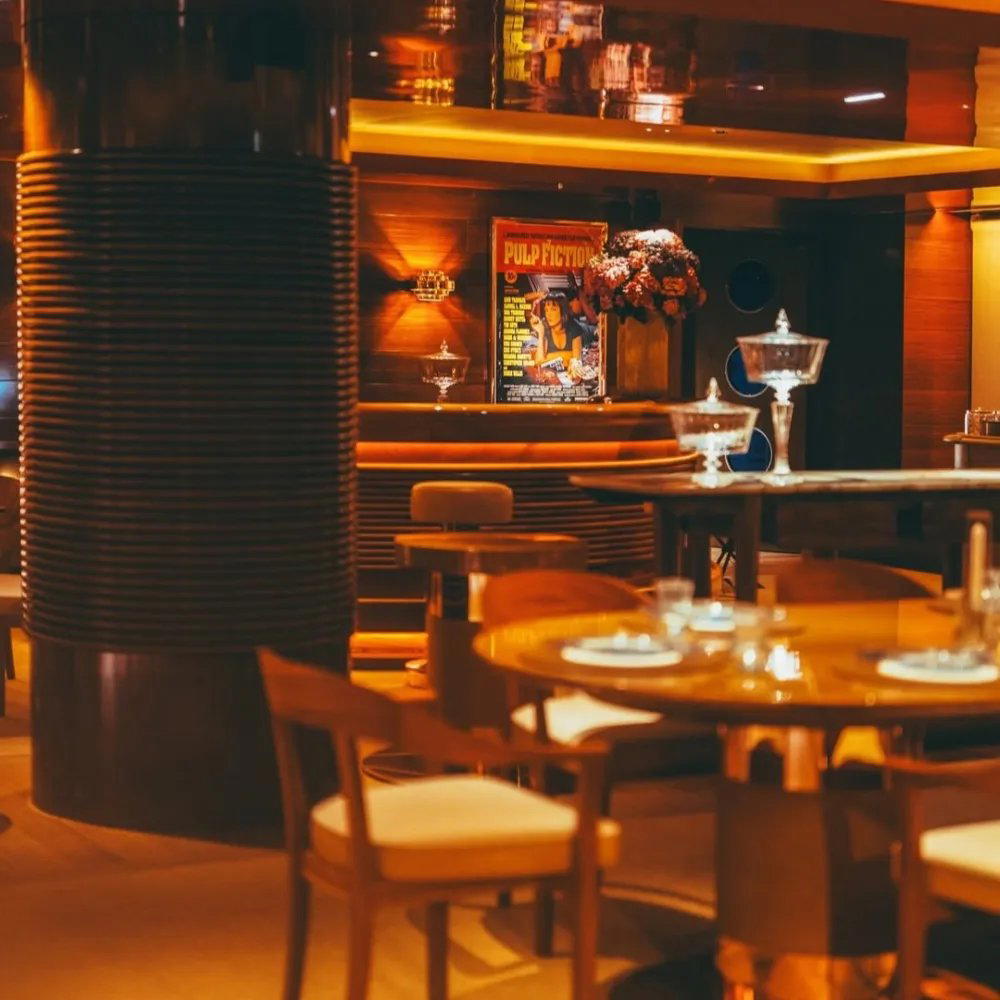
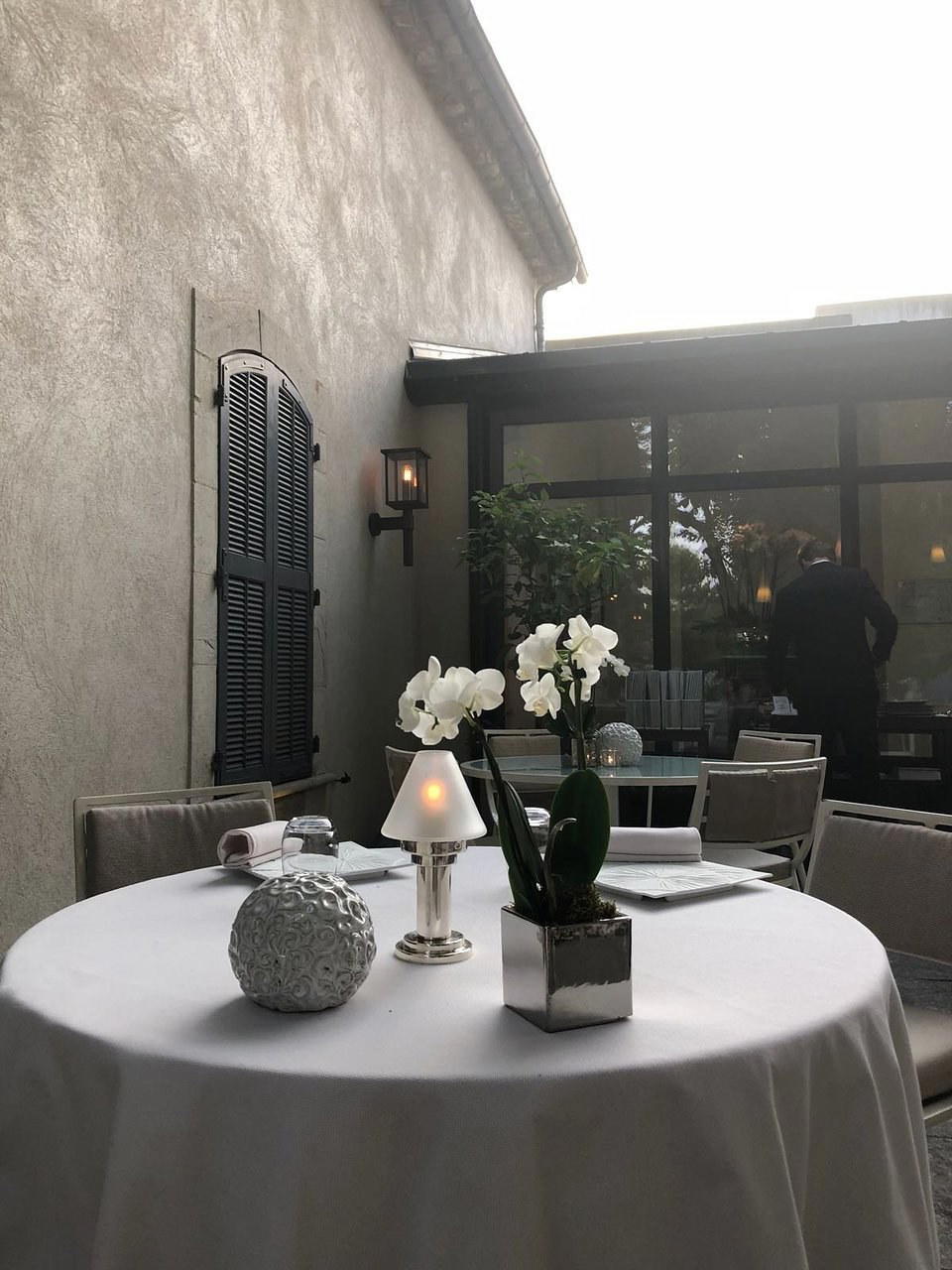
Bars in Antibes
Browse all →
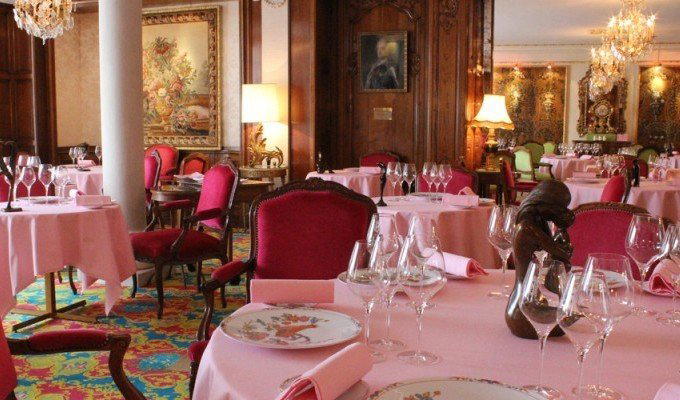
Hotels in Antibes
Browse all →

At a Glance
- Romantic
- Elegant
- Intimate
- Classic
- Cozy
- Date Night
- Special Occasion
- Celebration
- Terrace
- Private Dining
- Historic Building
- Extensive Wine List
- Local Sourcing
- Garden
Current opening hours
- Monday
- 12:15–1:30 PM, 7:15–9:30 PM
- Tuesday
- Closed
- Wednesday
- Closed
- Thursday
- 12:15–1:30 PM, 7:15–9:30 PM
- Friday
- 12:15–1:30 PM, 7:15–9:30 PM
- Saturday
- 12:15–1:30 PM, 7:15–9:30 PM
- Sunday
- 12:15–1:30 PM, 7:15–9:30 PM
Hours can change for holidays and private events. Last verified .
Charming garden setting under a fig tree with romantic, elegant atmosphere, though some note dated decor; terrace praised for beauty.