On Boulevard d'Aguillon in Antibes, YÚKØ occupies a distinctive position in the Côte d'Azur dining scene, where the area's Mediterranean produce tradition meets a format that rewards unhurried attention. The address places it within walking distance of the old town's market culture, and the progression through courses follows the same seasonal logic that has long defined serious cooking on this stretch of coastline.
Pearl is the En Primeur Club membership app — saves, bookings, and concierge access live there. Same editors, same standards.
- Address
- 9 Bd d'Aguillon, 06600 Antibes, France
- Phone
- +33629468847
- Website
- yuko-antibes.fr
- Directions
- Get directions
 Saves & bookings on Pearl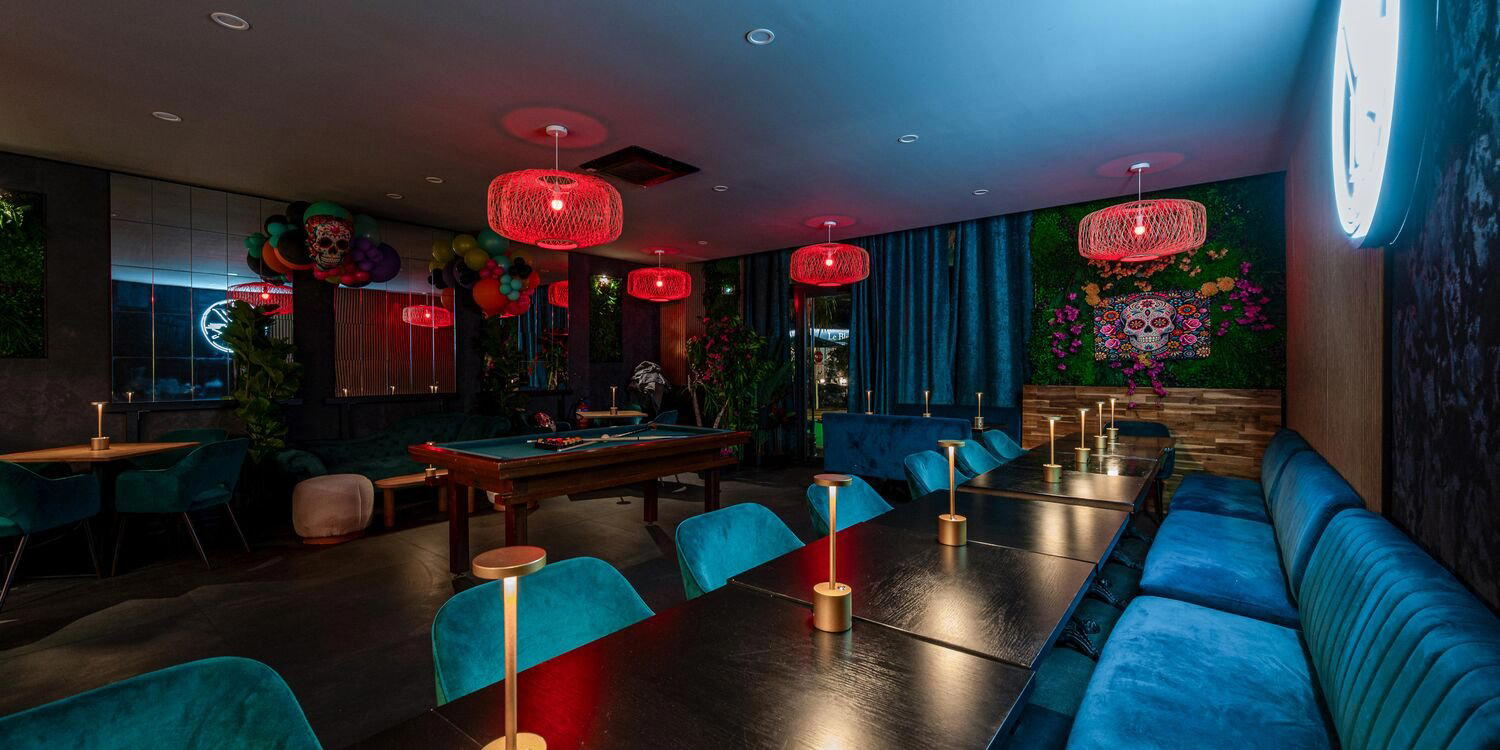
Where the Côte d'Azur Slows Down
Boulevard d'Aguillon runs along Antibes' seafront edge, close enough to the Vieux-Port that the light off the water reaches the street well into the evening. This is not the hyper-visible strip of Cannes, nor the quiet remove of Cap d'Antibes' more secluded dining rooms. It occupies an in-between register that Antibes handles well: accessible enough for a purposeful walk from the old town market, specific enough that arriving there already signals intent. YÚKØ sits at number 9 on that boulevard, and the address alone does a certain amount of editorial work before the meal begins.
The broader dining context along this stretch of the Alpes-Maritimes coast helps frame the address. The Côte d'Azur's top tier has historically concentrated at the cape properties and the grand hotel tables, places like Louroc at Hôtel du Cap-Eden-Roc, where the price and the setting operate as a unified proposition. Below that, Antibes itself supports a surprisingly serious mid-range and upper-mid-range tier: Le Figuier de Saint-Esprit anchors the regional cuisine category with long-established credibility, and Les Pêcheurs has built a Mediterranean seafood identity with Michelin recognition. YÚKØ enters this scene with a name that gestures toward something less rooted in Provençal convention, which in itself positions it as a distinct option for diners who have already worked through the area's more established addresses.
The Logic of the Progression
French fine dining at the serious end has increasingly organised itself around the tasting menu as the primary format. This is not distinctive to the Côte d'Azur; it is a structural feature of ambitious cooking across the country, from Alléno Paris au Pavillon Ledoyen in the eighth arrondissement to Flocons de Sel in Megève and Mirazur in Menton, just forty kilometres east along the same coastline. The tasting progression as a format carries a particular logic: it asks the kitchen to argue a case across multiple courses rather than defend a single proposition, and it asks the diner to commit time and attention rather than arrive and depart efficiently.
What matters in that format is sequencing. A well-constructed progression moves from restraint to intensity, from the raw to the cooked, from the oceanic to the terrestrial, with interstitials that provide contrast rather than repetition. The Côte d'Azur offers a strong larder for this kind of thinking: the fish markets at Antibes supply material that moves directly from the sea to the kitchen with a freshness that inland kitchens cannot match, while the inland producers of the Alpes-Maritimes, from herb growers in the arrière-pays to olive oil producers near Grasse, extend the local sourcing argument into the course structure's mid and later stages.
For context on how this progression-led format has been executed at the highest levels elsewhere in France, the reference points are instructive. Troisgros in Ouches, Auberge de l'Ill in Illhaeusern, and Bras in Laguiole each demonstrate that the tasting format rewards a clear point of view about sourcing and regionality. Paul Bocuse in Collonges-au-Mont-d'Or and AM par Alexandre Mazzia in Marseille take that format in contrasting directions, one classical and ceremonial, one intensely personal and technical. YÚKØ's positioning on the Antibes waterfront suggests a third register: a Mediterranean coastal identity that draws from the same Provençal sourcing tradition as Le Figuier de Saint-Esprit while pushing toward a presentation aesthetic that reads as more contemporary.
Antibes in Context
Antibes is not Nice, and that distinction matters for how dining there feels. Nice's restaurant scene has the density and the tourist infrastructure to sustain a wider range of formats and price points. Antibes operates at a smaller scale, which concentrates its dining scene into a tighter geography around the old town and the waterfront addresses. The market on Cours Masséna, open most mornings, sets the seasonal and produce-led tone for what kitchens in the area are working with at any given point in the year. The summer months bring a significant influx of visitors arriving by yacht and by road from Cannes and Nice, which has historically sustained the area's higher-price tables. Spring and autumn are typically easier for reservations.
For a fuller picture of what the local dining scene offers across price points, the EP Club Antibes restaurants guide maps the city's options from Chez Jules Le Don Juan at the accessible Provençal end through to the cape properties at the leading. Chez Josy represents the kind of neighbourhood anchor that gives the old town its texture between the more formally positioned tables.
The International Reference Frame
YÚKØ signals an orientation beyond Provençal convention. Kitchens on the Côte d'Azur have, over the past decade, increasingly incorporated Japanese technique and Japanese-influenced restraint into their work, a pattern visible at multiple tables from Nice to Monaco. This is a broader shift in how European fine dining has absorbed Japanese precision, visible in how places like Assiette Champenoise in Reims and Au Crocodile in Strasbourg have refined their presentation registers in recent years. Internationally, the conversation around this kind of cross-referencing has been led by kitchens like Le Bernardin in New York and Atomix, where the tasting format carries a clear cultural dialogue across its course structure.
At YÚKØ's address on Boulevard d'Aguillon, that international framing meets a specific local context. The name suggests a conceptual conversation between Mediterranean and Japanese sensibilities, which is a credible register for an Antibes address in 2024, given the coastline's long history of absorbing outside influences into its cooking.
Planning Your Visit
YÚKØ is located at 9 Boulevard d'Aguillon, 06600 Antibes, within walking distance of the old town and the Cours Masséna market. Antibes is served by TGV from Paris in approximately five and a half hours, and the Antibes train station is a fifteen-minute walk from the Boulevard d'Aguillon address. For visitors approaching from Nice or Cannes, the coastal road and the A8 motorway both place the town roughly twenty to thirty minutes from each direction, depending on seasonal traffic. The summer period from June through August concentrates demand across all Antibes dining, so advance planning is advisable during those months.
Standing Among Peers
Comparable venues nearby, for context on price, style, and recognition.
| Venue | Cuisine | Price | Notes |
|---|---|---|---|
| YÚKØThis venue — the venue you are viewing | Latin-Asian Fusion Tapas | $$$ | Not listed |
| Restaurant Le J | Modern French Bistronomique with Tahitian Influences | $$$ | Juan-les-Pins |
| La Cafetière Fêlée | Fusion Franco-Asiatique | $$ | Vieil Antibes |
| MamaBoon | Authentic Vietnamese Street Food | $$ | Vieil Antibes |
| Restaurant de la Gravette | Traditional Provençal Seafood Bistro | $$ | Old Town / Port d'Antibes |
| La Taille de Guêpe | Modern French Bistro with Edible Flowers | $$ | Vieil Antibes |
Continue exploring
More in Antibes
Restaurants in Antibes
Browse all →
Bars in Antibes
Browse all →
Hotels in Antibes
Browse all →
Wineries in Antibes
Browse all →
At a Glance
- Lively
- Trendy
- Elegant
- Group Dining
- Casual Hangout
- After Work
- Celebration
- Open Kitchen
- Craft Cocktails
Current opening hours
- Monday
- Closed
- Tuesday
- 5 PM–12:30 AM
- Wednesday
- 5 PM–12:30 AM
- Thursday
- 5 PM–12:30 AM
- Friday
- 5 PM–2:30 AM
- Saturday
- 5 PM–2:30 AM
- Sunday
- 5 PM–12:30 AM
Hours can change for holidays and private events. Last verified .
Refined and warm setting that becomes electrically festive with music and DJ sets.