
Nihonbashi Iseju belongs to Tokyo’s old-line sukiyaki tradition rather than the city’s tasting-menu race. Its 2024 Tabelog 100 Hot Pot selection, private-room format, and Meiji-era foundation make it especially relevant for family gatherings, business meals, and milestone dinners where ceremony matters as much as beef.
Pearl is the En Primeur Club membership app — saves, bookings, and concierge access live there. Same editors, same standards.
- Address
- 東京都中央区日本橋小伝馬町14-9
- Phone
- +81336637841
- Website
- iseju.com
 Saves & bookings on Pearl
The approach to a serious Tokyo sukiyaki house is not about spectacle. Shoes come off, voices drop, and the meal moves into a private-room rhythm that feels closer to an old merchant-district ritual than a contemporary restaurant performance. In Nihonbashi and its eastern edges, that matters: sukiyaki has long carried the weight of occasion dining, a dish for closing deals, marking family dates, and gathering several generations around the same pot.
Nihonbashi Iseju sits inside that lineage with unusually concrete credentials. Founded in the Meiji era and selected for Tabelog 100 Hot Pot in 2024, it represents a strand of Tokyo dining that prizes continuity, room structure, and recognizable Japanese beef culture over novelty. The categories tell the story plainly: sukiyaki, shabu shabu, and steak. This is not the Tokyo of minimalist counter omakase or high-concept French-Japanese tasting menus; it is the Tokyo of private rooms, hot pot pacing, and a meal built for conversation.
Why sukiyaki remains a ceremony for Tokyo milestone meals
Sukiyaki occupies a different emotional register from sushi or tempura in Tokyo. The format is communal, the pacing is slower, and the table has a built-in sense of hierarchy: someone tends the pot, beef arrives in measured rounds, and the room becomes part of the meal. For celebrations, that structure is the point. A private counter can impress, but it rarely accommodates grandparents, children, colleagues, and guests of honor with the same ease.
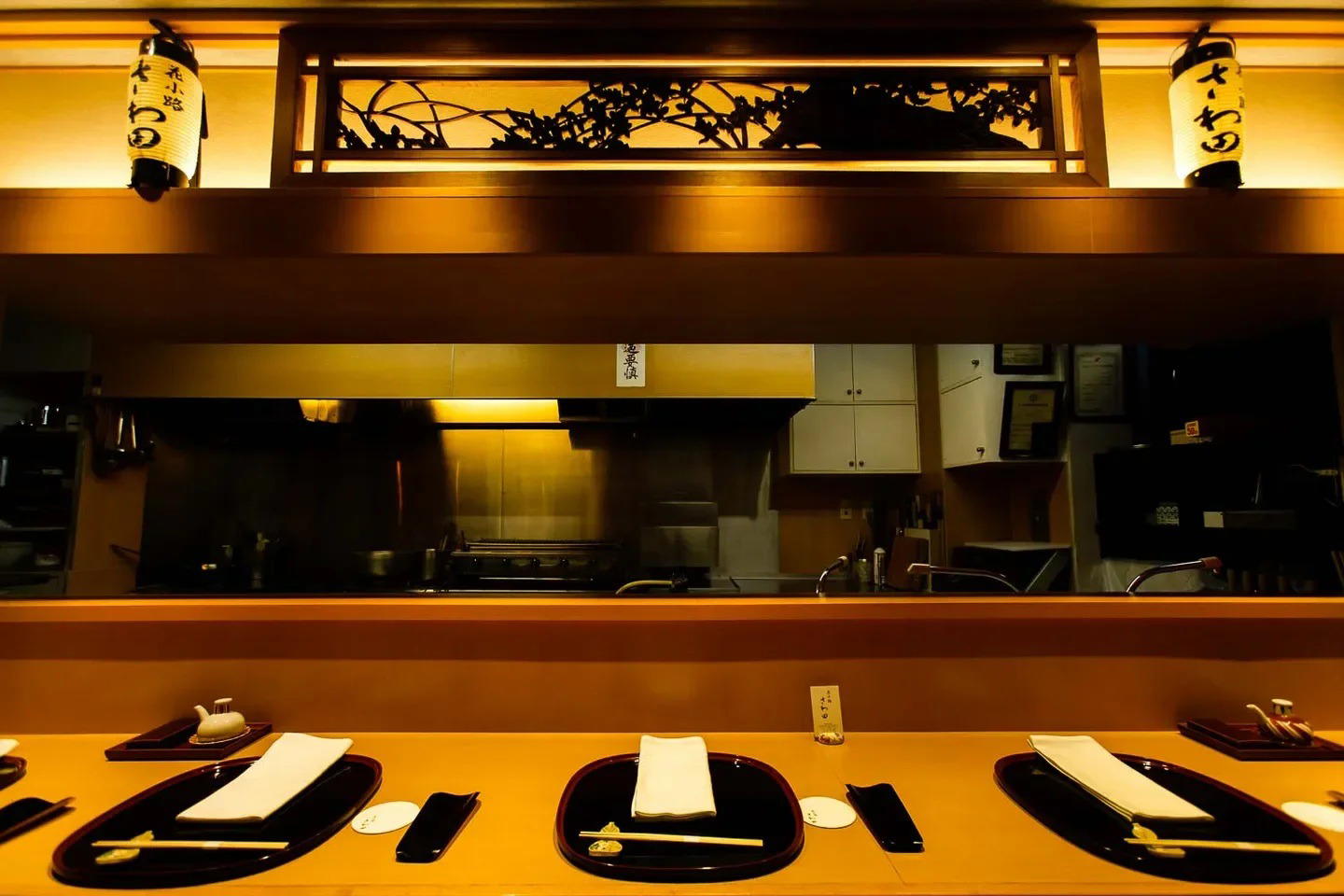
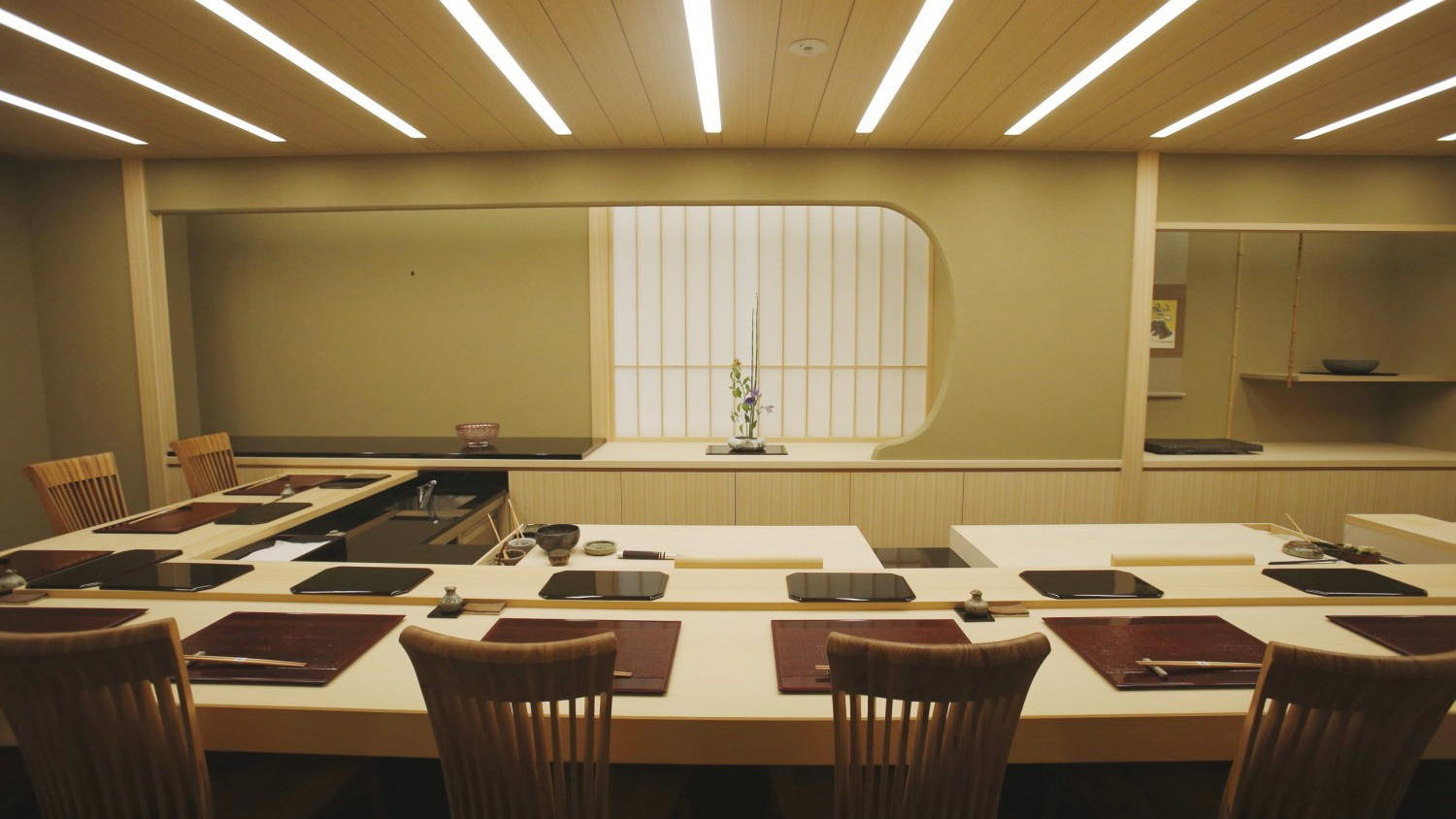
The restaurant’s 80-seat capacity and eight private rooms place it in the larger-format end of Tokyo’s serious hot pot scene. That matters for occasion dining because many acclaimed Japanese restaurants operate at small-counter scale, while sukiyaki houses can absorb groups without losing the formal cadence of the meal. Rooms can be connected for larger parties, and the seating mix includes tatami, sunken kotatsu, and high-chair options, a practical sign that the experience has been built around different generations rather than a single dining archetype.
Tokyo’s premium dining conversation often skews toward rarity: fewer seats, longer waits, tighter menus. Sukiyaki works by another logic. The value is in a familiar form handled with discipline. The 2024 Tabelog 100 Hot Pot recognition positions Nihonbashi Iseju among Japan’s noted sukiyaki and shabu shabu addresses, but the more telling signal is how the format fits the city’s social calendar. This is the kind of place chosen when the guest list matters.
Beef, hot pot, and the older grammar of Nihonbashi dining
Nihonbashi’s restaurant culture has always been tied to commerce, transport, and established tastes. The area does not need to compete with Shibuya’s youth energy or Ginza’s luxury theater; its strength is continuity. In that context, sukiyaki reads as a local language: sweet soy seasoning, beef as centerpiece, private rooms as social architecture, and drinks that stay within the Japanese dining frame, including sake, shochu, and wine.
The kitchen’s public emphasis is A5 Japanese black wagyu, with sukiyaki as the headline rather than a menu flourish. That distinction matters. In Tokyo, beef can appear as yakiniku, steak, kaiseki garnish, or Western-style luxury product; sukiyaki gives it a historical Japanese setting and a shared-table tempo. Shabu shabu and steak broaden the choice set, but the identity rests on the sweet-soy hot pot tradition.
Compared with the supplied Tokyo peer context, the price tier also signals its role. Jack37Burger, Sanfuku Tei, and BEAVER BREAD sit in casual everyday brackets, while TROMPETTE occupies a higher dinner range in a different European register. Nihonbashi Iseju falls into a middle-premium occasion bracket for hot pot: expensive enough to carry weight for a planned meal, not priced like the city’s most rarefied counter restaurants. For diners mapping Tokyo by occasion rather than cuisine alone, that is the useful distinction.
There is no chef-personality narrative needed here. The credibility comes from age, format, and recognition: Meiji-era roots, private-room infrastructure, and a place on the 2024 Tabelog 100 Hot Pot list. In a city where restaurant fame can turn on a single chef’s counter, this is a more institutional kind of authority.
Know Before You Go
- Meal format: Sukiyaki, shabu shabu, and steak, with sukiyaki as the primary reason to plan around it.
- Occasion fit: Family celebrations, business meals, and group dinners where privacy and pacing matter.
- Recognition: Selected for Tabelog 100 Hot Pot 2024.
- Budget signal: Dinner is listed at JPY 8,000 - JPY 9,999; lunch at JPY 3,000 - JPY 3,999, with a 10% service charge.
- Room structure: 80 seats and eight private rooms, with connected-room options for larger groups.
- Access note: Entry involves removing shoes and proceeding to basement level 1; there is no elevator.
- Planning note: Reservations are available, and group cancellation terms are strict enough to confirm attendance early.
For a broader read on the city’s range, compare this old-line hot pot format with casual and specialist entries in Our full Tokyo restaurants guide, or branch outward through Our full Tokyo hotels guide, Our full Tokyo bars guide, Our full Tokyo wineries guide, and Our full Tokyo experiences guide. Nearby and comparative restaurant references include. 鮪と炭火焼き うお炭 秋葉原店, 12/10 Shinjuku ten, 124. KAGURAZAKA (Yakitori), 2D Cafe, and 3 Chome no Curry Ya San. For wider Japan and diaspora context, see -Grilled beef Sukiyaki- KAMAKURA TANUKIAN 鎌倉 たぬき庵 in Kamakura.cafe in Osaka.know in Kumamoto, (Shoku) Vietnam in Kawasaki, [Curry Senmon Ten] Maruyama Kyoju. in Sapporo, [ki:] in Kyoto, Jōdo Saké Bar in Los Angeles, and Onigiri Time in Pasadena.
In Context: Similar Options
Comparable venues to anchor price and recognition.
| Venue | Cuisine | Price | Notes |
|---|---|---|---|
| Nihonbashi IsejuThis venue — the venue you are viewing | Traditional Sukiyaki with A5 Wagyu | $$$ | Not listed |
| Takasaki no Okan | Hot Sake Pairing Omakase | $$$ | Ikejiri Ohashi, Meguro |
| Isehiro Kyobashi honten | Historic Yakitori Specialist | $$$ | Chūō |
| Toriyaki to Torinabe Kakoi | Yakitori & chicken hot pot | $$$ | Minato |
| Yakitori Haruka | Traditional Yakitori & Wine Bar | $$$ | Minato |
| Tori Nago Ebisu ten | Duck hot pot & chicken izakaya | $$$ | Shibuya |
Recognition history
Dated appearances from independent guides and award organizations, with the underlying list record or original source where available.
Tabelog 100 #86 · No. 86
Tabelog · Tabelog 100 - Hot Pot - 2024





At a Glance
- Classic
- Cozy
- Intimate
- Well Known
- Business Dinner
- Group Dining
- Family
- Celebration
- Special Occasion
- After Work
- Private Dining
- Historic Building
- Standalone
- Sake Program
- Local Sourcing