Niagara's Finest Thai
Thai cooking occupies a specific niche in Niagara-on-the-Lake's wine-country dining scene, where the dominant register runs from Canadian seasonal to French-inflected. Niagara's Finest Thai, at 88 Picton Street, places Southeast Asian flavour architecture inside a town better known for Riesling pairings and estate dining, offering a distinct counterpoint to the surrounding restaurant landscape.
 Discover on Pearl
Pearl is the En Primeur Club membership app — saves, bookings, and concierge access live there. Same editors, same standards.
- Address
- 88 Picton St, Niagara-on-the-Lake, ON L0S 1J0, Canada
- Phone
- +19054681224
- Website
- niagarasfinestthai.com
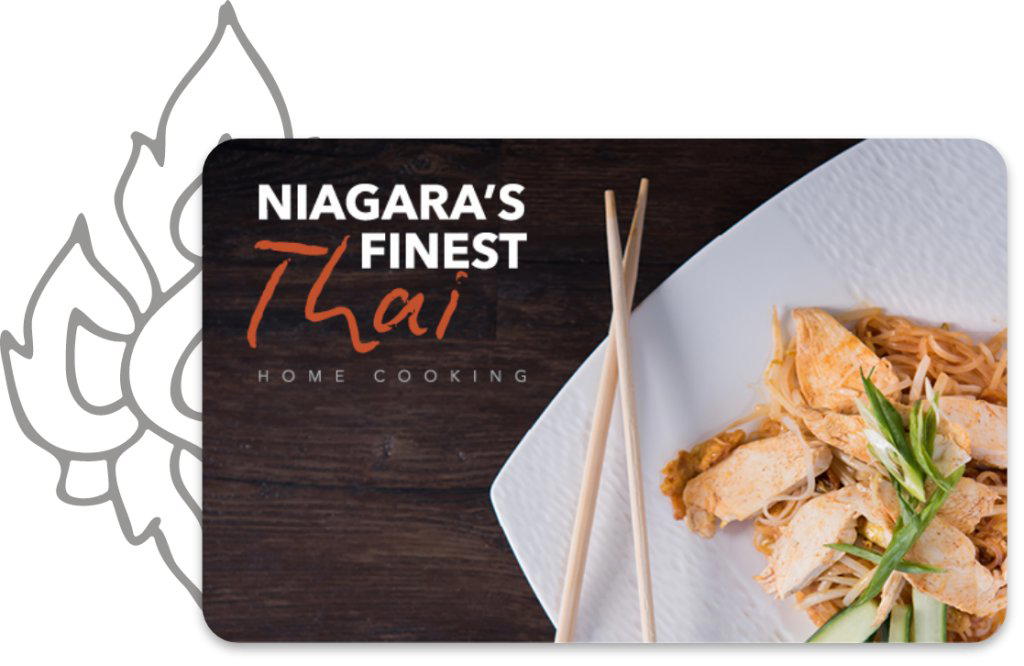
Thai Food in Wine Country: A Different Register
Niagara's Finest Thai in Niagara-on-the-Lake serves authentic Thai cuisine at 88 Picton St, with a casual dress code and recommended reservations. Restaurants like Aura On The Lake, Benchmark, and Kitchen76 at Two Sisters Vineyards each anchor their menus to that wine-country framework. Thai cooking operates on a different set of principles entirely: layered aromatics, the interplay of fish sauce and palm sugar, herbs that don't grow in Ontario vineyards, and heat calibrated by chili variety rather than by season. When a Thai kitchen opens in a town whose culinary identity is this tightly defined, it functions less as a complement and more as a deliberate contrast.
Niagara's Finest Thai, at 88 Picton Street, occupies that contrarian position. The address sits within easy walking distance of the historic downtown core, where Georgian storefronts and wine tasting rooms set a very specific visual tone. Arriving on Picton Street, visitors pass through a streetscape shaped by the town's nineteenth-century architecture and its well-maintained tourist infrastructure before reaching a kitchen whose reference points are Bangkok, Chiang Mai, and the Thai diaspora restaurants that have spread Thai flavour conventions across North America over the past four decades.
What the Menu Structure Reveals
Thai restaurant menus, in their most coherent forms, follow an internal logic that reflects the cuisine's actual structure. Appetisers draw on street food traditions: spring rolls, satay, fish cakes. Soups anchor the middle register, with Tom Yum and Tom Kha functioning as flavour statements about balance between sour, salt, and heat. Curries, green, red, Massaman, Panang, form the main event, each paste built from a distinct aromatic base. Stir-fries and noodle dishes fill the remaining space, offering lighter or quicker options alongside the longer-cooked dishes.
A menu structured this way tells you something beyond a list of dishes: it tells you whether the kitchen is genuinely committed to the full range of Thai cooking or whether it has compressed the cuisine into a short, accessible format aimed at reducing kitchen complexity. The distinction matters in a town like Niagara-on-the-Lake, where the surrounding restaurant scene, including places like HOBNOB Restaurant and the Cannery Restaurant, tends to run shorter, more curated menus with tight seasonal focus. A broader Thai menu signals a different kitchen philosophy: one oriented around category coverage and diner choice rather than the tasting-menu logic that has come to define premium dining in wine regions.
Within Canadian fine dining more broadly, the shift toward ambitious, place-specific tasting formats has been pronounced. Kitchens like Tanière³ in Quebec City or Alo in Toronto have built their reputations on controlled, sequenced menus that leave little room for substitution. Thai cooking's structure is nearly the opposite: it is inherently modular, designed for shared ordering, and responsive to the table rather than to a predetermined arc. That modularity is a feature, not a compromise.
Placing Thai Cooking in a Wine-Country Town
The challenge any Southeast Asian kitchen faces in Niagara-on-the-Lake is the wine pairing question. The town's dining culture is deeply tied to Niagara Peninsula Riesling, Chardonnay, Gewurztraminer, and icewine, and most restaurants on the strip orient their menus to show those wines. Thai food, with its high acidity, aromatic intensity, and chili heat, is actually not poorly suited to off-dry whites and aromatic varietals, Riesling and Gewurztraminer, in particular, have a long track record alongside Southeast Asian flavours. The local wine infrastructure, which supports places like Restaurant Pearl Morissette in Lincoln, creates an interesting opportunity for a Thai kitchen to operate within the same regional wine context from a different angle.
That said, Thai restaurants across North America have generally developed a beverage identity separate from the fine wine world. Thai iced tea, Thai beer, and the simpler, colder beverages that accompany street food are often as central to the experience as anything on the wine list. A kitchen at 88 Picton Street will be read against both contexts simultaneously: against Niagara's wine-country restaurant culture and against the conventions of Thai dining as it has developed in Canadian cities from Vancouver, where AnnaLena represents one pole of that city's restaurant ambition, to Montreal, where Jérôme Ferrer - Europea anchors a very different dining tradition.
The Broader Context: Destination Dining vs. Neighbourhood Utility
In smaller towns built around tourism, restaurants tend to divide into two functional categories. Destination venues draw visitors specifically for the meal; utility venues serve the town's practical dining needs for visitors who are primarily there for another reason, whether that is the wine trail, a theatre performance at the Shaw Festival, or a weekend away from Toronto. The estate restaurants and wine-country dining rooms around Niagara-on-the-Lake skew toward the destination category. A Thai kitchen on Picton Street is more likely to serve the second function: it offers an accessible, familiar format for visitors who have had enough wine-country food and want something with different flavour coordinates.
This is not a diminished role. Some of the most consistently frequented restaurants in any tourist town are precisely those that offer a break from the local dominant register. The diaspora restaurants that have anchored Canadian cities for decades, from Aux Anciens Canadiens in Quebec at one cultural extreme to the Thai, Vietnamese, and South Asian kitchens that define large stretches of Toronto's and Vancouver's restaurant fabric at another, built their reputations through reliability and depth rather than through positioning as destination events.
Planning Your Visit
Niagara's Finest Thai is located at 88 Picton Street in Niagara-on-the-Lake, within the town's walkable historic core. Visitors staying along the lakeshore or in the town's numerous heritage inns can reach Picton Street on foot. The restaurant sits in a stretch of the town that includes retail, wine tasting, and several other dining options, making it easy to build into a longer afternoon or evening in the area. For travellers arriving from Toronto via the QEW, Niagara-on-the-Lake is approximately ninety minutes by car, and Picton Street is close to the main entry routes into the historic district. The restaurant is open Tuesday through Sunday from 11 AM to 9 PM and is closed on Monday, so planning a visit around those hours is straightforward. Other Ontario destinations with strong independent restaurant identities include The Pine in Creemore, Eigensinn Farm in Singhampton, and Barra Fion in Burlington, each occupying a different niche in the province's out-of-Toronto dining circuit. For international reference points on how tightly structured menus and culinary ambition interact, Le Bernardin in New York City and Atomix in New York City represent the discipline that defines the top tier,
Recognition, Side-by-Side
Comparable venues nearby, for context on price, style, and recognition.
| Venue | Cuisine | Price | Awards | Notes |
|---|---|---|---|---|
| Niagara's Finest ThaiThis venue — the venue you are viewing | Authentic Thai | $$ | , | |
| The Epicurean | Mediterranean Bistro with Local Niagara Focus | $$ | , | Niagara-on-the-Lake |
| Peller Estates Winery And Restaurant | Farm-to-Table Niagara Fine Dining | $$$ | , | Niagara-on-the-Lake |
| Tiara Restaurant | Contemporary Canadiana Fine Dining | $$$$ | , | Niagara-on-the-Lake |
| Masaki | Modern Japanese Sushi & Sake | $$$ | , | Niagara-on-the-Lake |
| Noble | Wine Country French Fine Dining | $$$$ | , | Niagara-on-the-Lake |
Continue exploring
More in Niagara-on-the-Lake
Restaurants in Niagara-on-the-Lake
Browse all →
Bars in Niagara-on-the-Lake
Browse all →
Hotels in Niagara-on-the-Lake
Browse all →
Wineries in Niagara-on-the-Lake
Browse all →
At a Glance
- Cozy
- Elegant
- Date Night
- Casual Hangout
- Standalone
- Local Sourcing
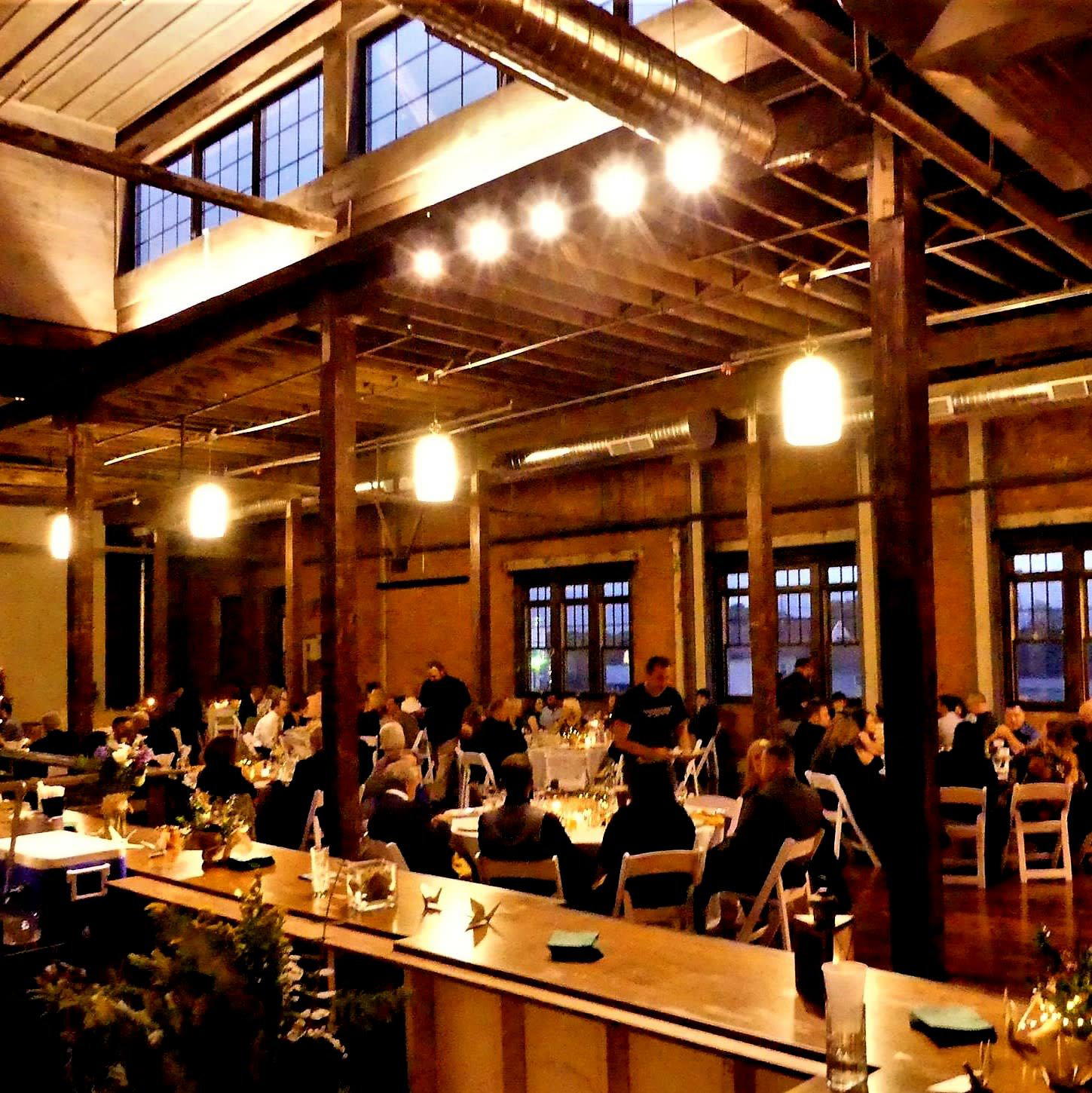
Peaceful and gorgeous interior with attention to food presentation.