Peller Estates Winery And Restaurant
Peller Estates sits at the intersection of Niagara wine country and estate dining, where the proximity of vineyard to kitchen shapes every plate. The restaurant operates within one of the region's most established winery properties on John Street East, drawing visitors who want the wine-pairing experience built into the meal itself rather than bolted on. For Niagara-on-the-Lake's farm-and-vine dining scene, it serves as a useful benchmark against which newer entrants are measured.
 Discover on Pearl
Pearl is the En Primeur Club membership app — saves, bookings, and concierge access live there. Same editors, same standards.
- Address
- 290 John St E, Niagara-on-the-Lake, ON L0S 1J0, Canada
- Phone
- +1 888 673 5537
- Website
- peller.com
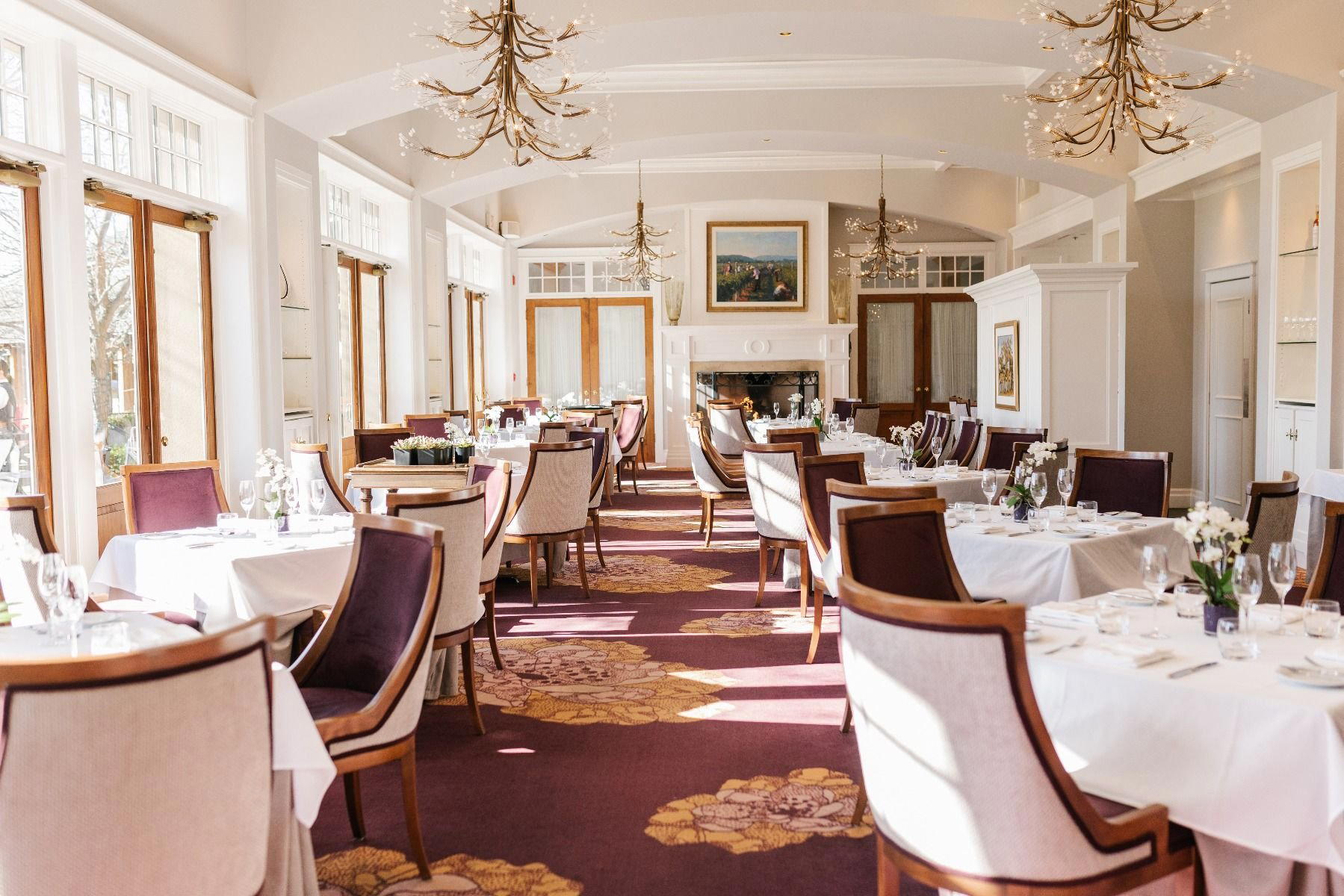
Where the Vineyard Comes to the Table
Niagara-on-the-Lake's estate dining scene has matured considerably over the past two decades. What began as a loose collection of winery restaurants offering cheese boards and indifferent pastas has evolved into a category where the sourcing relationship between kitchen and land is the central editorial question. Peller Estates Winery and Restaurant, on John Street East, is a Niagara-on-the-Lake restaurant focused on farm-to-table fine dining, with the logic of the place, grapes grown close, bottles aged on-site, a menu that theoretically answers to the cellar, can be assessed on its own terms.
The physical approach to the property sets the register immediately. Niagara's winery estates share a particular grammar of arrival: long drives, manicured grounds, architecture that signals permanence. At Peller, the built environment reads as a deliberate commitment to the estate model, placing the restaurant inside a wine production context rather than adjacent to it. That framing matters because it shapes what a meal here is actually about. You are not eating at a restaurant that happens to serve local wine. You are eating at a winery that has built a kitchen around the wines it produces, which is a different proposition entirely.
The Ingredient Sourcing Argument in Niagara's Wine Country
Niagara's dining identity has always been shaped by its agricultural geography. The Niagara Peninsula's growing conditions, moderated by Lake Ontario to the north and the Niagara Escarpment to the south, produce not only the Vidal Blanc that drives the region's icewine reputation but also tender fruit, soft-acid vegetables, and livestock that benefit from the same temperate air. Estate restaurants in this corridor have increasingly structured their menus around these adjacencies, sourcing from farms within the appellation rather than importing produce that contradicts the wine's sense of place.
The sourcing logic at winery restaurants carries an argument that urban fine dining cannot easily replicate. When the same soil and seasonal rhythm govern both what appears on the vine and what appears on the plate, the pairing becomes documentary rather than decorative. Niagara Icewine, for which Peller Estates is among the region's most visible producers, exemplifies this: a wine that only exists because of a specific climatic event (the hard freeze required to concentrate grape sugars) pairs most honestly with food that acknowledges the same seasonal extremity. The kitchen's relationship to that calendar is, in a meaningful sense, the whole point of dining here rather than at a standalone urban address.
This sourcing philosophy is what separates Niagara's estate dining from a simple tourist amenity. Kitchens at properties like Peller are working within a constraint that forces creative discipline: the menu has to make sense against what the cellar is pouring, which means seasonal rotation is not a trend signal but a structural necessity. Compare this to the approach at Restaurant Pearl Morissette in Lincoln, where the farm-to-table relationship operates at almost documentary precision, or the stripped-down agricultural honesty of Eigensinn Farm in Singhampton, and you begin to see the spectrum of how Ontario's estate and farm dining handles provenance. Peller sits in the middle of that range: more accessible in format than Pearl Morissette, more polished in execution than a casual winery bistro.
Niagara-on-the-Lake's Dining comparable set
Within Niagara-on-the-Lake itself, winery and estate restaurants have diversified substantially. Kitchen76 at Two Sisters Vineyards represents the Italian-inflected estate model, with a wood-fired focus that competes on rustic credibility. Cannery Restaurant and Benchmark sit in the town's broader dining fabric, drawing both locals and visitors without the winery-estate framing. Aura on the Lake and HOBNOB Restaurant offer contrasting angles on the region's hospitality character. Peller's distinction within this set is the depth of its winery operation: the restaurant is not merely wine-adjacent but wine-anchored, and the tasting experiences built around that cellar give the property a structured reason to visit beyond a single meal.
For readers assessing Niagara's winery dining tier against Canada's broader fine dining conversation, the frame shifts. Addresses like Alo in Toronto or Tanière³ in Quebec City operate in a different competitive bracket, defined by chef recognition and tasting-menu formalism. Niagara estate dining, including Peller, competes instead on the coherence of its place-based proposition: the wine, the land, the proximity to the source. That is a different kind of claim, and it should be evaluated on those terms. See our full Niagara-on-the-Lake restaurants guide for a broader mapping of where each address sits in that local hierarchy.
Planning a Visit
Peller Estates is located at 290 John Street East in Niagara-on-the-Lake, a short drive from the town's historic centre and accessible from the Queen Elizabeth Way. For winery visits and restaurant reservations, advance booking is the practical standard across the region's estate properties, particularly during summer and the harvest window in September and October, when demand from both wine tourists and local visitors runs high. Arriving without a reservation during peak season at any of the region's notable winery restaurants carries meaningful risk. The estate format, tasting, tour, and dining often structured as a sequence, also rewards visitors who build more than two hours into the visit rather than treating it as a quick lunch stop. The icewine tasting component, tied to Peller's most internationally visible product category, merits time on its own.
Readers interested in how winery estate dining compares across broader Canadian geography might consider Fogo Island Inn Dining Room in Joe Batt's Arm for a hyper-local sourcing model on the opposite end of the provincial scale, or AnnaLena in Vancouver for how Pacific Coast sourcing logic translates into a city restaurant context. For the sheer ambition of ingredient-driven cooking in Canada's fine dining tier, Jérôme Ferrer's Europea in Montreal and Narval in Rimouski offer useful comparative anchors. Those looking at international benchmarks for wine-forward estate dining will find reference points in Le Bernardin in New York City and Lazy Bear in San Francisco, though the formats differ significantly from Niagara's estate model. For further regional Ontario context, The Pine in Creemore and Busters Barbeque in Kenora round out the province's range of ingredient-led approaches.
A Quick Peer Check
Comparable venues nearby, for context on price, style, and recognition.
| Venue | Cuisine | Price | Awards | Notes |
|---|---|---|---|---|
| Peller Estates Winery And RestaurantThis venue — the venue you are viewing | Farm-to-Table Niagara Fine Dining | $$$ | , | |
| Trius Winery & Restaurant | Seasonal Fine Dining | $$$ | Michelin Plate | Niagara-on-the-Lake |
| Queenston Heights Restaurant | Contemporary Canadian Fine Dining | $$$ | , | Queenston |
| LIV Restaurant | Contemporary Canadian Fine Dining | $$$$ | , | Niagara-on-the-Lake |
| Kitchen76 at Two Sisters Vineyards | Rustic Italian Vineyard Dining | $$$ | , | Niagara-on-the-Lake |
| Oaklands at Riverbend Inn | French-Canadian Farm-to-Table | $$$$ | , | Niagara-on-the-Lake |
Continue exploring
More in Niagara-on-the-Lake
Restaurants in Niagara-on-the-Lake
Browse all →
Bars in Niagara-on-the-Lake
Browse all →
Hotels in Niagara-on-the-Lake
Browse all →

Wineries in Niagara-on-the-Lake
Browse all →
At a Glance
- Elegant
- Scenic
- Sophisticated
- Romantic
- Date Night
- Special Occasion
- Celebration
- Wine Cellar
- Terrace
- Extensive Wine List
- Sommelier Led
- Farm To Table
- Local Sourcing
- Vineyard
- Garden
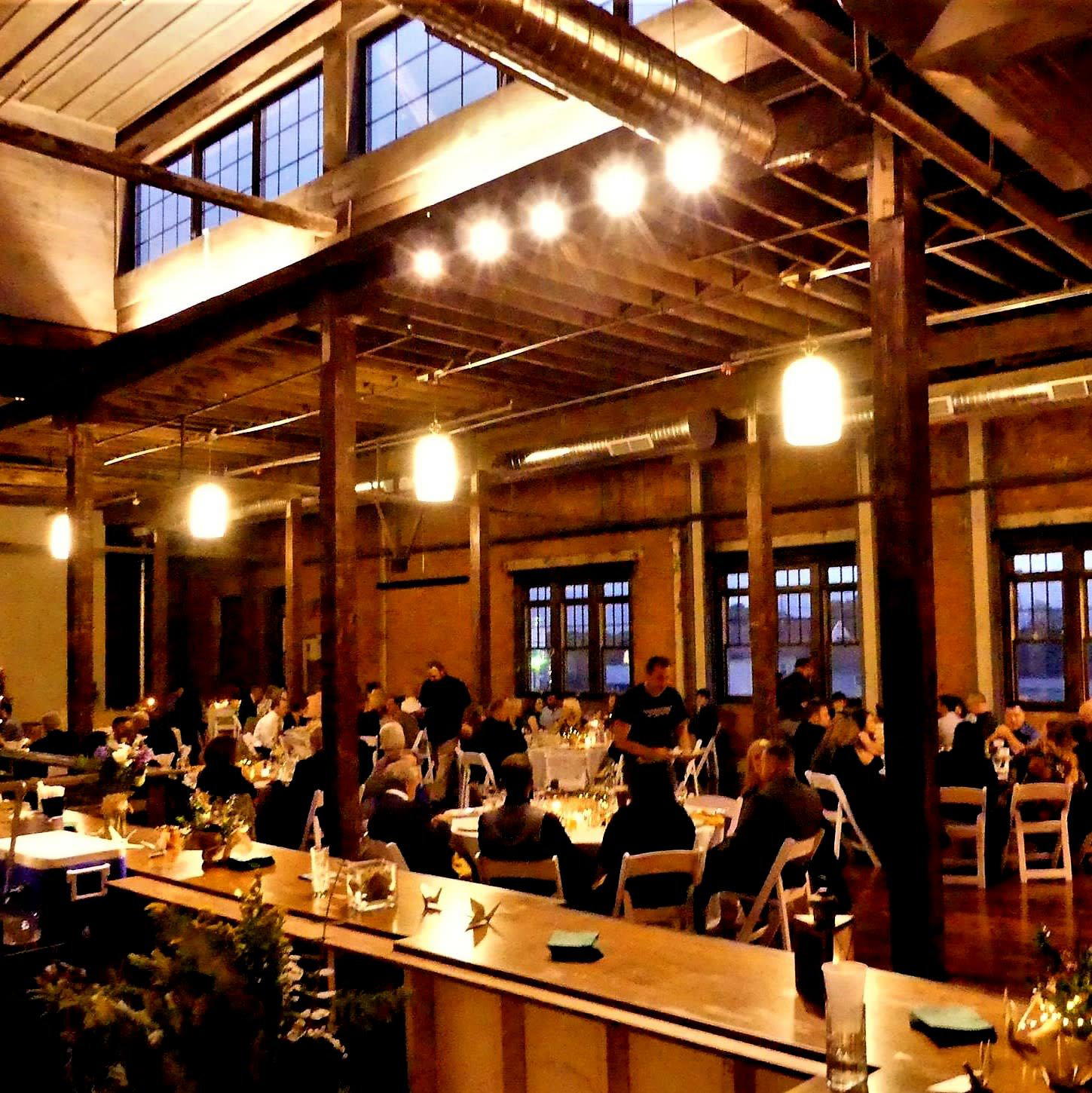
Bright, airy dining room with crisp table linens, comfortable upholstered chairs, carpeting for noise control, and pleasant low background music creating an elegant and relaxing atmosphere.