Masaki
Masaki sits on Picton Street in the heart of Niagara-on-the-Lake, positioning itself within one of Ontario's most wine-forward small towns. Where most of the town's dining options lean into patio culture and tourist-facing comfort food, Masaki offers a different register. For visitors already planning a day around the vineyards, it represents a considered detour into a quieter part of the local dining conversation.
Pearl is the En Primeur Club membership app — saves, bookings, and concierge access live there. Same editors, same standards.
- Address
- 60 Picton St, Niagara-on-the-Lake, ON L0S 1J0, Canada
- Phone
- +19054681999
- Website
- masakisushi.ca
- Directions
- Get directions
 Saves & bookings on Pearl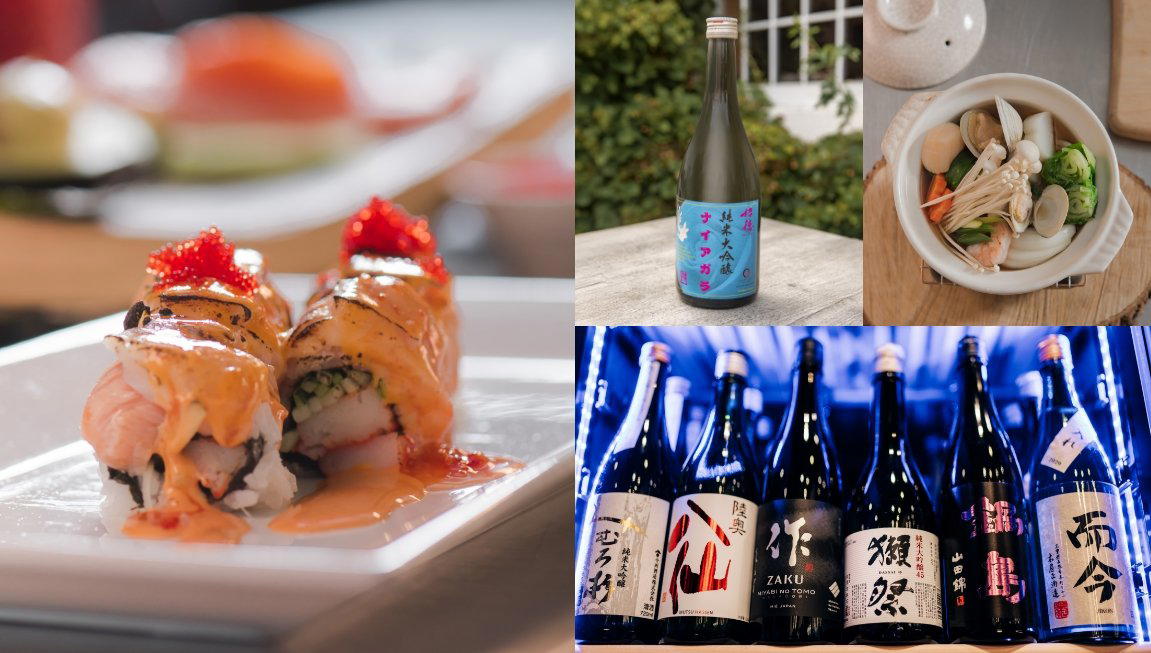
Dining in a Town Built Around the Vine
Niagara-on-the-Lake occupies a specific niche in the Ontario dining conversation. It draws visitors primarily for its wine country credentials, the Niagara Peninsula appellation produces some of Canada's most respected Riesling and Cabernet Franc, but the town's restaurant scene has historically trailed behind that viticultural reputation. Patio brunches, wine-pairing menus tethered to estate kitchens, and heritage inn dining rooms have long defined the format here. Masaki is a modern Japanese sushi and sake restaurant in Niagara-on-the-Lake, Ontario, at 60 Picton St.
Picton Street itself is worth orienting around. It runs parallel to Queen Street, the town's primary tourist artery, but carries less foot traffic and a quieter residential feel. Arriving here rather than along the shopfront strip signals something deliberate: this is not a venue positioned to intercept passing visitors. That geographic remove, modest as it is, places Masaki in a subset of Niagara-on-the-Lake dining that rewards the guest willing to seek rather than stumble.
Where Masaki Sits in the Local Scene
The Niagara-on-the-Lake restaurant tier has stratified in recent years. At one end, estate restaurants such as Kitchen76 at Two Sisters Vineyards anchor the experience firmly to the vineyard setting, where the wine list is the primary draw and the kitchen plays a supporting role. At the other end, hotel dining rooms like Aura On The Lake operate on the logic of captive guests and lakefront atmosphere. Between those poles, a smaller group of town-centre spots, including HOBNOB Restaurant and Benchmark, serve the visitor who wants to dine independently of whichever estate or hotel they are visiting. Masaki reads as part of this middle group, defined more by its street address than by a vineyard affiliation or a hotel lobby.
For context on what the broader Ontario dining conversation looks like at its upper end, the distance between Niagara-on-the-Lake and Toronto puts venues like Alo in Toronto within a roughly 90-minute drive, a reference point that illustrates how wine-country dining here operates at a different scale and ambition than the city's tasting-menu tier. That gap is not a criticism; it reflects the function the town serves. Niagara-on-the-Lake dining is designed around the rhythm of a wine-country day, not around destination dining as its own end.
The Broader Canadian Context
Canada's most discussed destination restaurants tend to cluster in urban centres or in deliberately remote rural settings. Tanière³ in Quebec City has built a reputation around hyper-local sourcing within a historic architectural setting. Eigensinn Farm in Singhampton operates as a near-pilgrimage destination with extremely limited seatings. Restaurant Pearl Morissette in Lincoln, notably close to Niagara-on-the-Lake, has attracted national attention for its commitment to natural wine and produce-led cooking. These venues share a format logic: they ask guests to make a specific trip, not to drop in.
Wine-country dining in smaller Ontario towns operates differently. The Pine in Creemore and Barra Fion in Burlington represent a mid-Ontario cohort of independently operated restaurants that serve regional visitors without the infrastructure of a destination-format kitchen. Masaki belongs to a comparable tier within its geography: a town-centre restaurant in a wine-country town, where the surrounding vineyards do much of the destination-making work and the restaurant itself functions as part of a day rather than its centrepiece.
At a Glance
Comparable venues nearby, for context on price, style, and recognition.
| Venue | Cuisine | Price | Notes |
|---|---|---|---|
| MasakiThis venue — the venue you are viewing | Not listed | $$$ | Not listed |
| The Drawing Room | Not listed | $$$ | Niagara-on-the-Lake, Traditional English High Tea |
| Cannery Restaurant | Not listed | $$$ | Niagara-on-the-Lake, Steakhouse with Local Niagara Flavors |
| Kitchen76 at Two Sisters Vineyards | Not listed | $$$ | Niagara-on-the-Lake, Rustic Italian Vineyard Dining |
| Revé | Not listed | $$$$ | Old Town, Farm-to-Fire Fine Dining with Sicilian Roots |
| Niagara's Leading Thai | Niagara-on-the-Lake, Authentic Thai | $$ | Not listed |
Continue exploring
More in Niagara-on-the-Lake
Restaurants in Niagara-on-the-Lake
Browse all →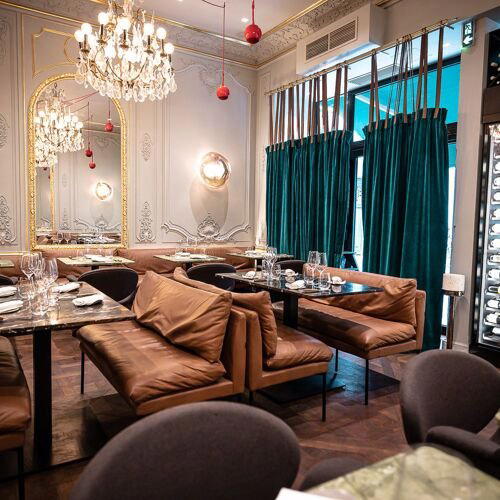
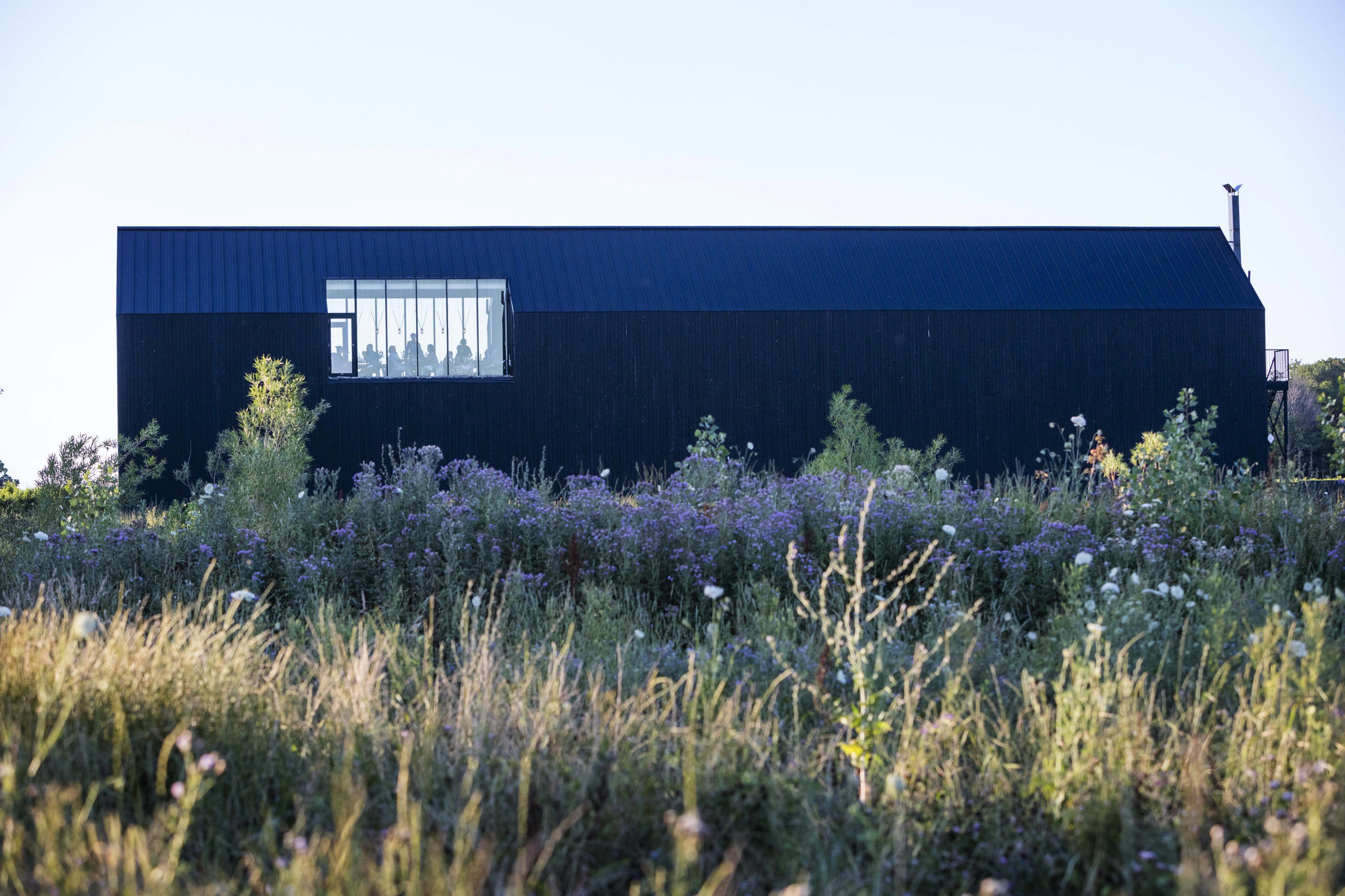
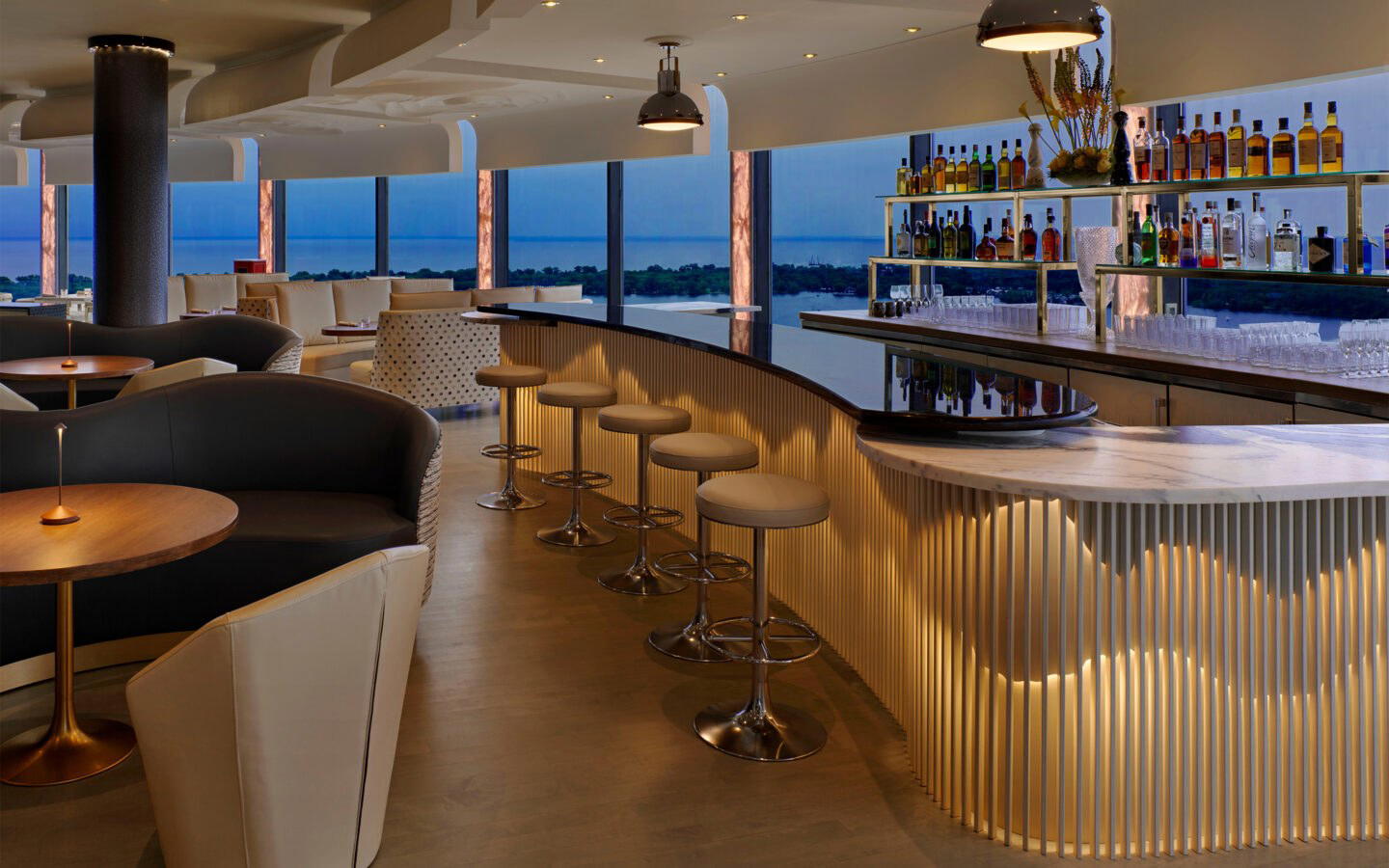
Bars in Niagara-on-the-Lake
Browse all →
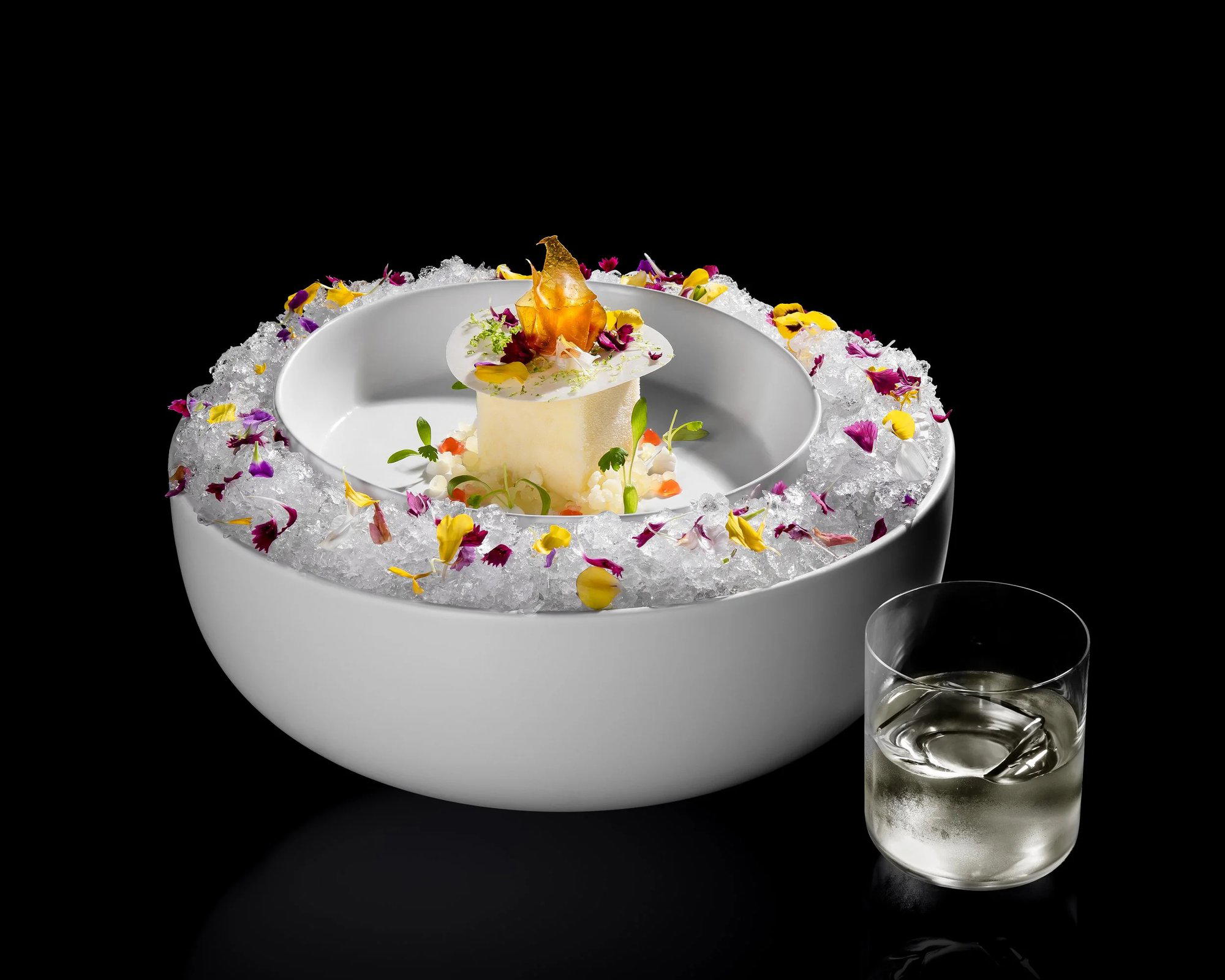
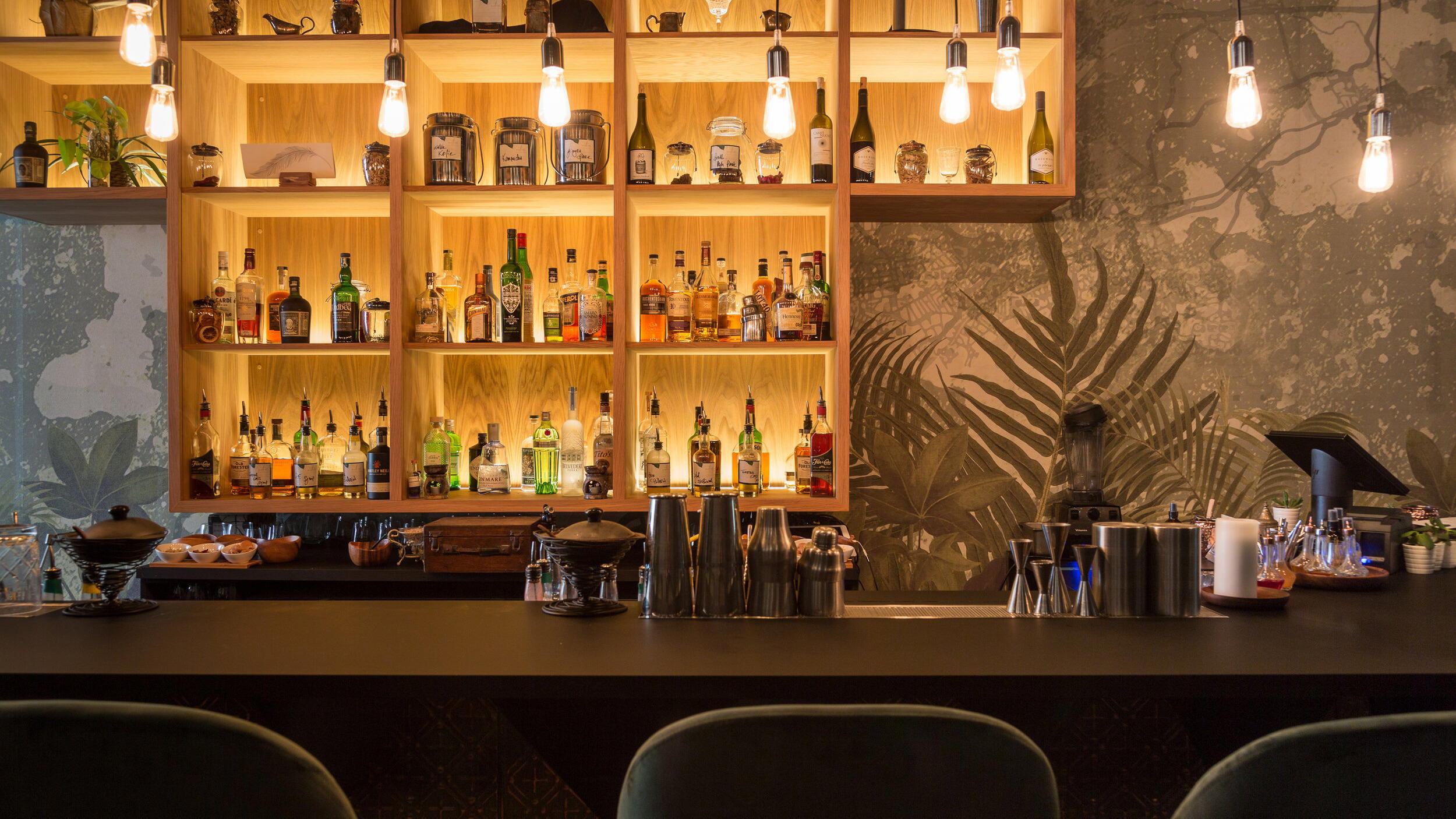
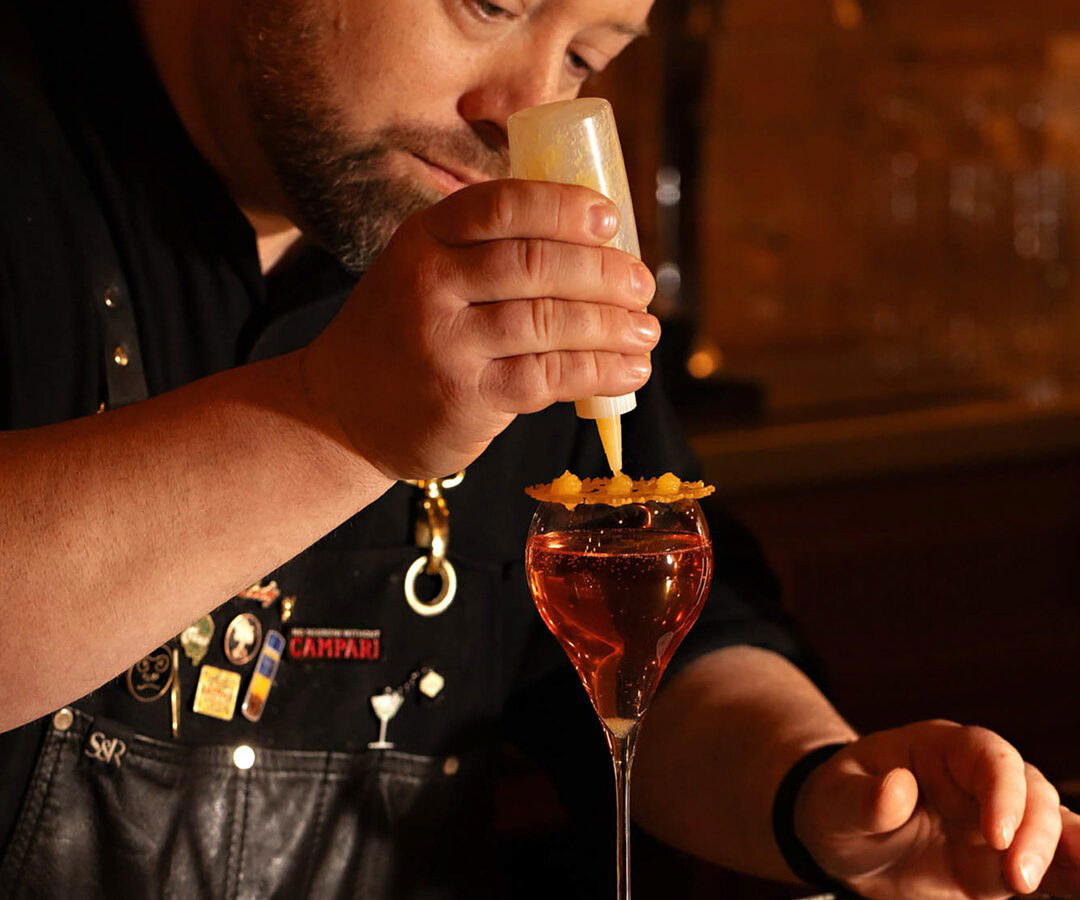
Hotels in Niagara-on-the-Lake
Browse all →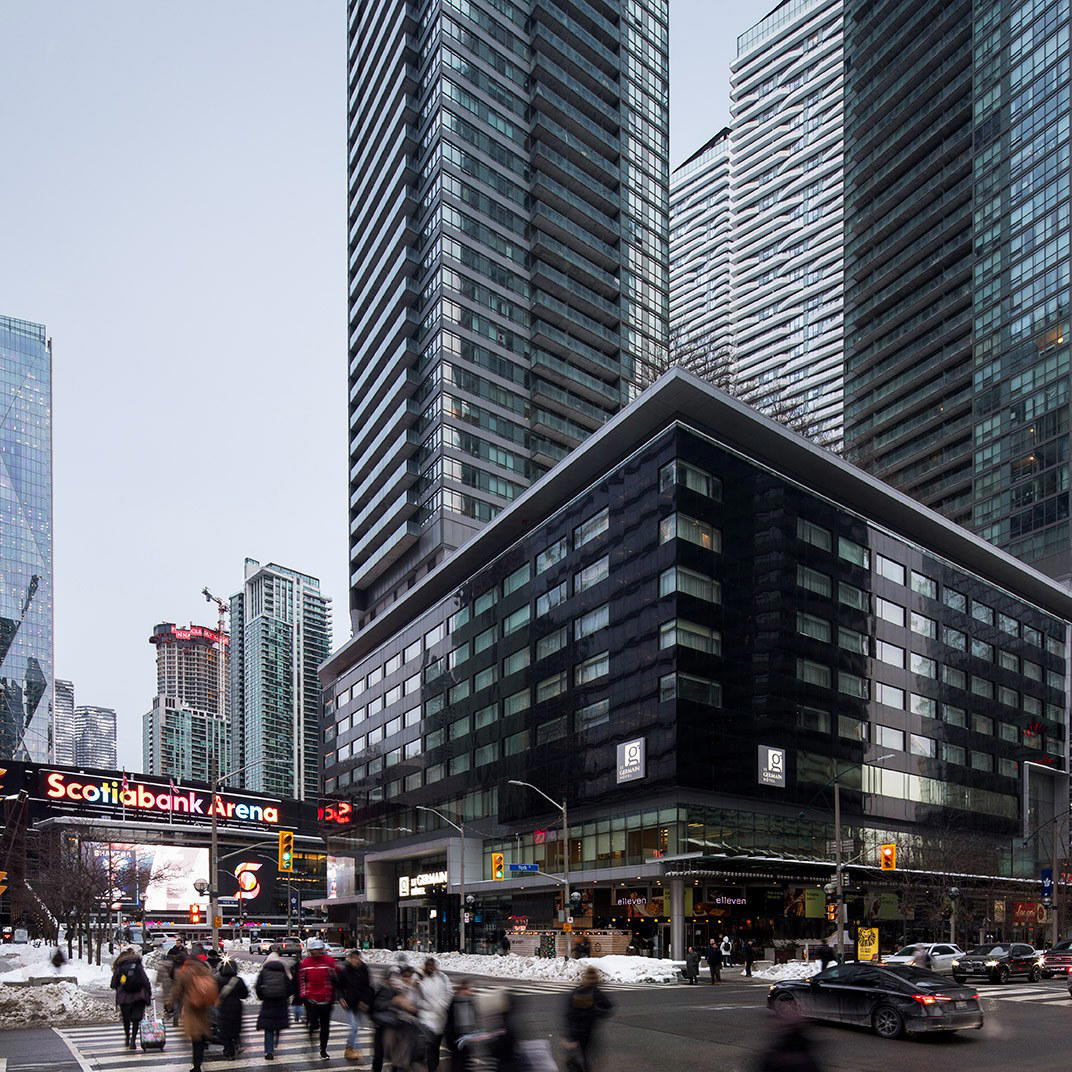
Wineries in Niagara-on-the-Lake
Browse all →

At a Glance
- Intimate
- Elegant
- Serene
- Sophisticated
- Date Night
- Special Occasion
- Sake Program
Current opening hours
- Monday
- 12–9 PM
- Tuesday
- Closed
- Wednesday
- 12–9 PM
- Thursday
- 12–9 PM
- Friday
- 12–9 PM
- Saturday
- 12–9 PM
- Sunday
- 12–9 PM
Hours can change for holidays and private events. Last verified .
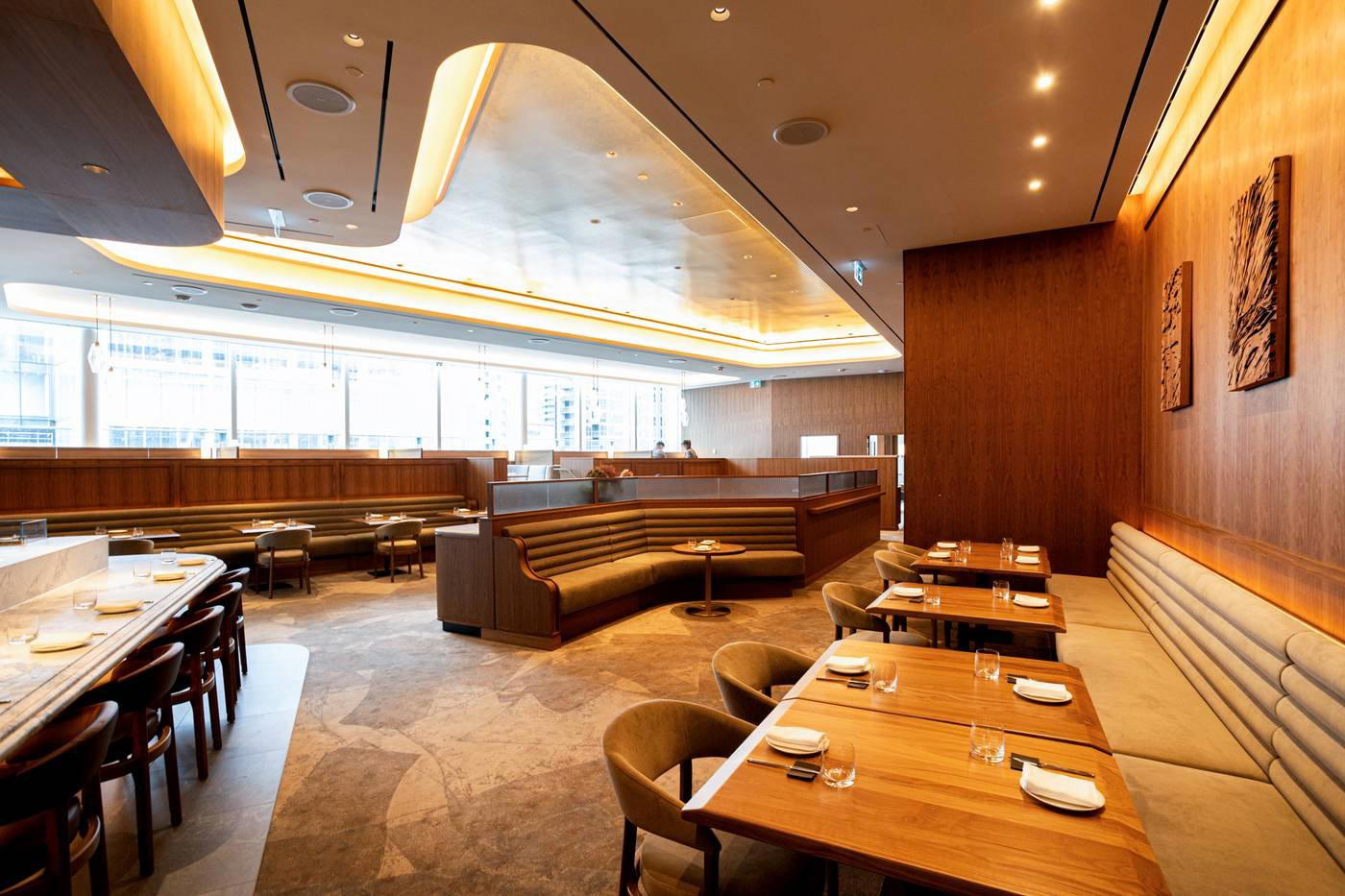
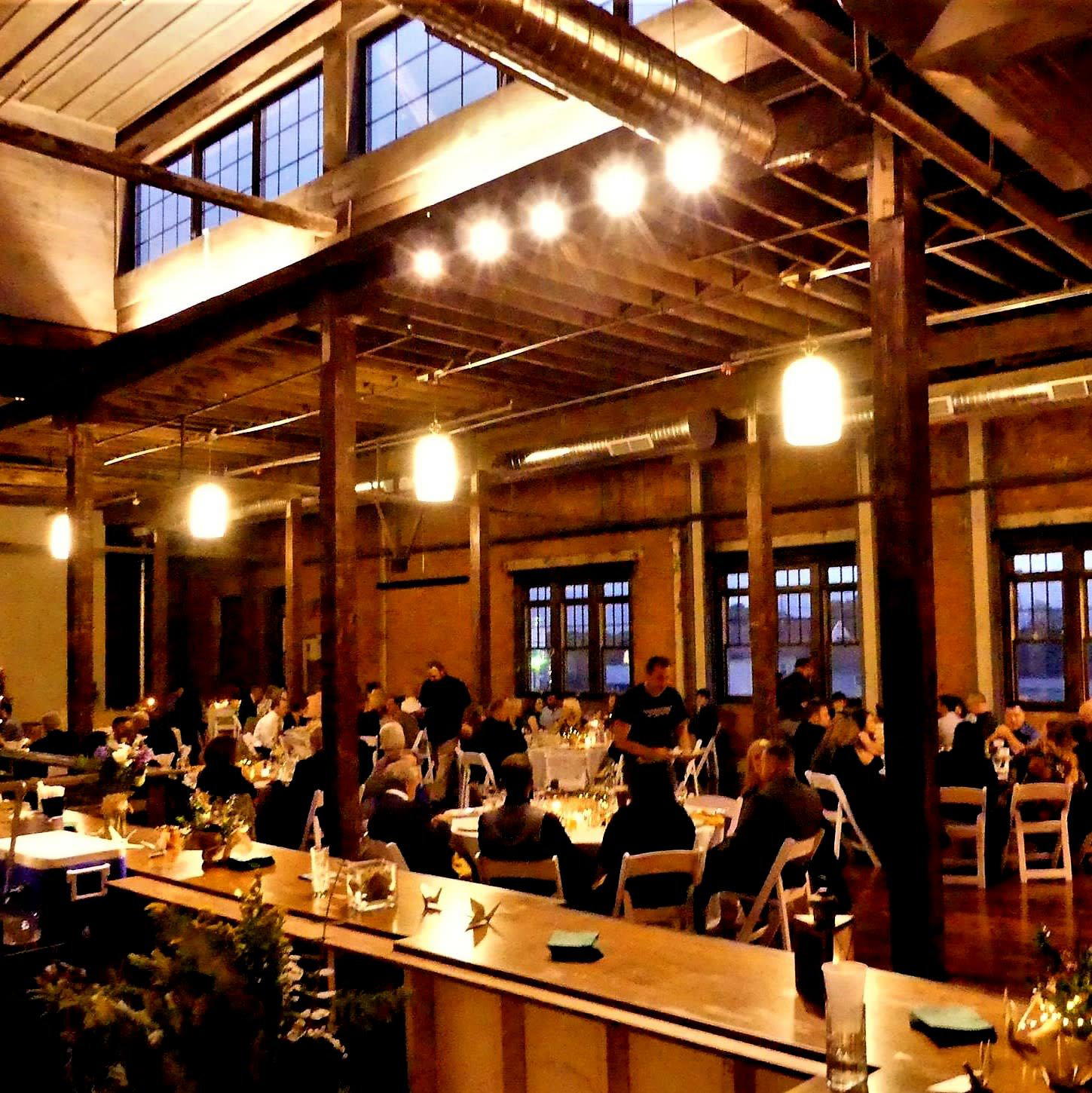
Serene and quiet with a clean, intimate atmosphere well-suited for connecting over beautiful sushi creations.