Neir's Tavern
Neir's Tavern in Woodhaven, Queens, is one of New York City's oldest continuously operating bars, drawing regulars and historically curious visitors alike to a neighbourhood corner that the rest of the five boroughs has largely left behind. The appeal is not spectacle but staying power: a room that reads like a cross-section of the outer-borough working-class drinking tradition, preserved without affectation.
Pearl is the En Primeur Club membership app — saves, bookings, and concierge access live there. Same editors, same standards.
- Address
- 87-48 78th St, Woodhaven, NY 11421
- Phone
- +1 718 296 0600
- Website
- neirstavern.com
- Directions
- Get directions
 Saves & bookings on Pearl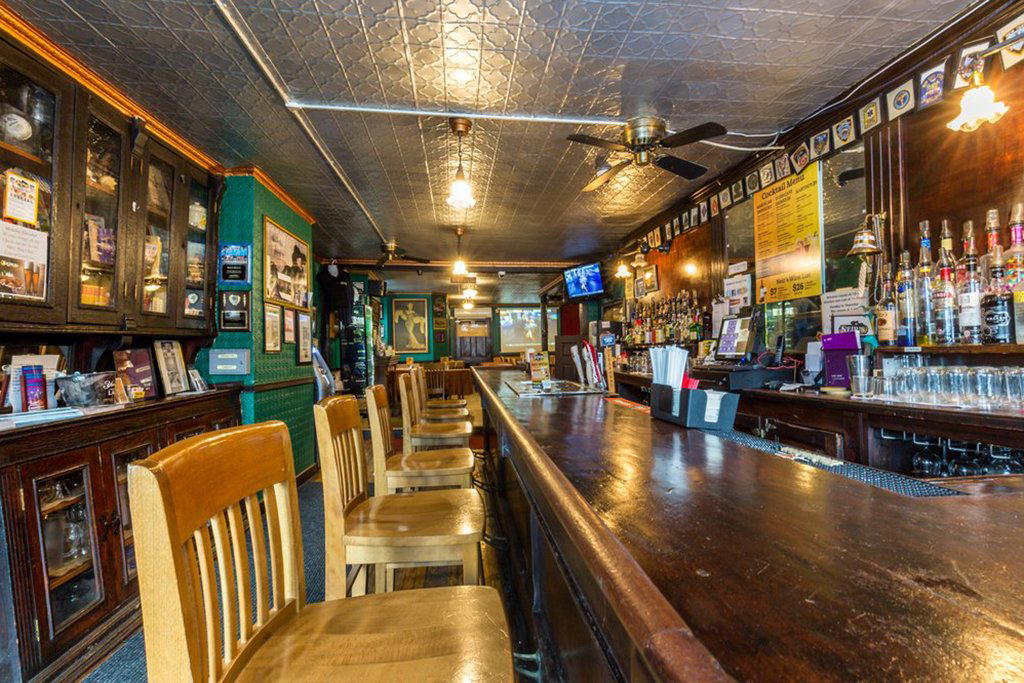
A Queens Corner That Time Treated Differently
Most of New York's celebrated drinking rooms are downtown or in Brooklyn, curated for discoverability. Woodhaven operates on a different logic. The residential streets around 78th Street and Jamaica Avenue belong to a Queens that tourists rarely reach, and Neir's Tavern sits inside that geography not as an attraction but as a fixture. Approaching the address, the surrounding blocks read as outer-borough Queens in unmediated sense: row houses, nail salons, the refined J and Z trains overhead. The bar does not announce itself with a marquee or a chalkboard menu visible from the street. It simply exists, the way bars in working neighbourhoods always used to.
That quality of being unremarkably present in a specific place is, in New York's current hospitality moment, almost impossible to manufacture. The city's high-end dining rooms, Le Bernardin, Atomix, Eleven Madison Park, Masa, Per Se, operate inside a logic of curation, scarcity, and deliberate composition. Neir's operates inside a completely different tradition: the neighbourhood bar as community infrastructure, open to whoever walks through the door, serving drinks without a concept attached.
The Tradition Behind the Room
American tavern culture has a long history of claiming continuity, but most of those claims involve renovation cycles that stripped out everything original. The outer-borough bar, particularly the Queens version that survived the mid-century suburban exodus and the 1970s fiscal crisis, is a specific institutional type. These were places that served shift workers and small-business owners, that ran cash tabs for regulars, that never needed a rebrand because their customer base did not turn over quickly. Woodhaven's version of that story is documented and verifiable: Neir's Tavern carries historical association with the late nineteenth and early twentieth century saloon era, and has been referenced in accounts of the neighbourhood's social life across multiple generations.
The historical resonance that most consistently surfaces in accounts of Neir's involves its connection to the filming of Goodfellas, the 1990 Martin Scorsese film. The bar served as a location for the production, a detail that places it within a specific lineage of New York spaces that the film industry used precisely because they read as authentically unreconstructed. That kind of location casting is, in retrospect, a form of architectural criticism: the production needed a bar that looked like it had not been designed to look like a bar, and Woodhaven provided one.
Across the country, bars with comparable histories have attracted preservation-minded operators. Emeril's in New Orleans operates inside a similar tradition of institutional continuity in a city that takes its dining rooms seriously as civic property. The Pacific Northwest's chef-driven formats, from Lazy Bear in San Francisco to Smyth in Chicago, pursue a different kind of longevity: the kind built through controlled evolution and chef credentialing. The outer-borough tavern model is something else entirely, closer to what Blue Hill at Stone Barns in Tarrytown represents for the farm-driven dining tradition: an institution that earns its authority through depth of commitment to a single place over time, not through awards cycles.
Reading the Room: What a Visit Actually Involves
The format at Neir's is not structured around a tasting progression in the Michelin sense, but any extended visit at a bar with this kind of history moves through its own sequence. The first pass is spatial: the interior carries the physical evidence of age in ways that cannot be reproduced by design, the bar surface worn at specific points, the dimensions that predate modern renovation standards, the light that behaves differently in a room this old. That initial reading is largely visual and architectural.
The second register is social. Neir's draws a cross-section that most Manhattan bars, by their pricing and geography, actively exclude. Regulars who have been coming for decades share the room with visitors who found the address through the Goodfellas connection or through journalism about New York's oldest bars. That collision of constituencies is itself a feature of the outer-borough tavern tradition: the room has no mechanism for sorting its clientele by income or cultural capital, which is increasingly rare in a city where most drinking spaces have been optimised for a specific demographic.
Third phase of any serious visit is the conversation it generates about what New York chooses to preserve and what it loses. Woodhaven is not a neighbourhood that receives significant preservation resources or media attention. The bars and small businesses that remain there do so largely on their own terms, without the infrastructure of landmarking or the commercial interest that protects similar institutions in Manhattan. Neir's persistence in that context is not a small thing.
For readers whose New York dining itinerary runs through The French Laundry-style tasting formats or the farm-to-table seriousness of Single Thread Farm in Healdsburg, Providence in Los Angeles, Addison in San Diego, or The Inn at Little Washington, a stop at Neir's operates as useful counterpoint. The calibration it offers is not about food quality or service precision. It is about what a city's hospitality culture looks like when it is not performing for an audience. Places like Frasca Food & Wine in Boulder or Atelier Moessmer Norbert Niederkofler in Brunico or Dal Pescatore in Runate derive authority from rigorous craft and deliberate program-building. Neir's authority, such as it is, derives from simply not having closed.
For a fuller picture of where Neir's sits within the broader New York eating and drinking scene, the EP Club New York City restaurants guide maps the city's dining rooms across boroughs and price points.
Quick reference: Neir's Tavern, 87-48 78th St, Woodhaven, Queens, NY 11421. Accessible via the J/Z train to 75th St or the A train to Woodhaven Blvd. No reservations required.
Accolades, Compared
Comparable venues nearby, for context on price, style, and recognition.
| Venue | Cuisine | Price | Notes |
|---|---|---|---|
| Neir's TavernThis venue — the venue you are viewing | Classic American Tavern Fare | $$ | Not listed |
| Hartbreakers | 70s-Inspired Vegan Comfort Food | $$ | Bushwick (West) |
| Altar | Modern American Small Plates & Cocktails | $$ | Crown Heights (North) |
| Good Time Country Buffet | Southern Country Buffet | $$ | East Village |
| Ralph's Coffee | Ralph Lauren Branded Bakery Cafe | $$ | Midtown South-Flatiron-Union Square |
| Schnipper's | Classic American Burgers & Salads | $$ | Midtown-Times Square |
Continue exploring
More in New York City
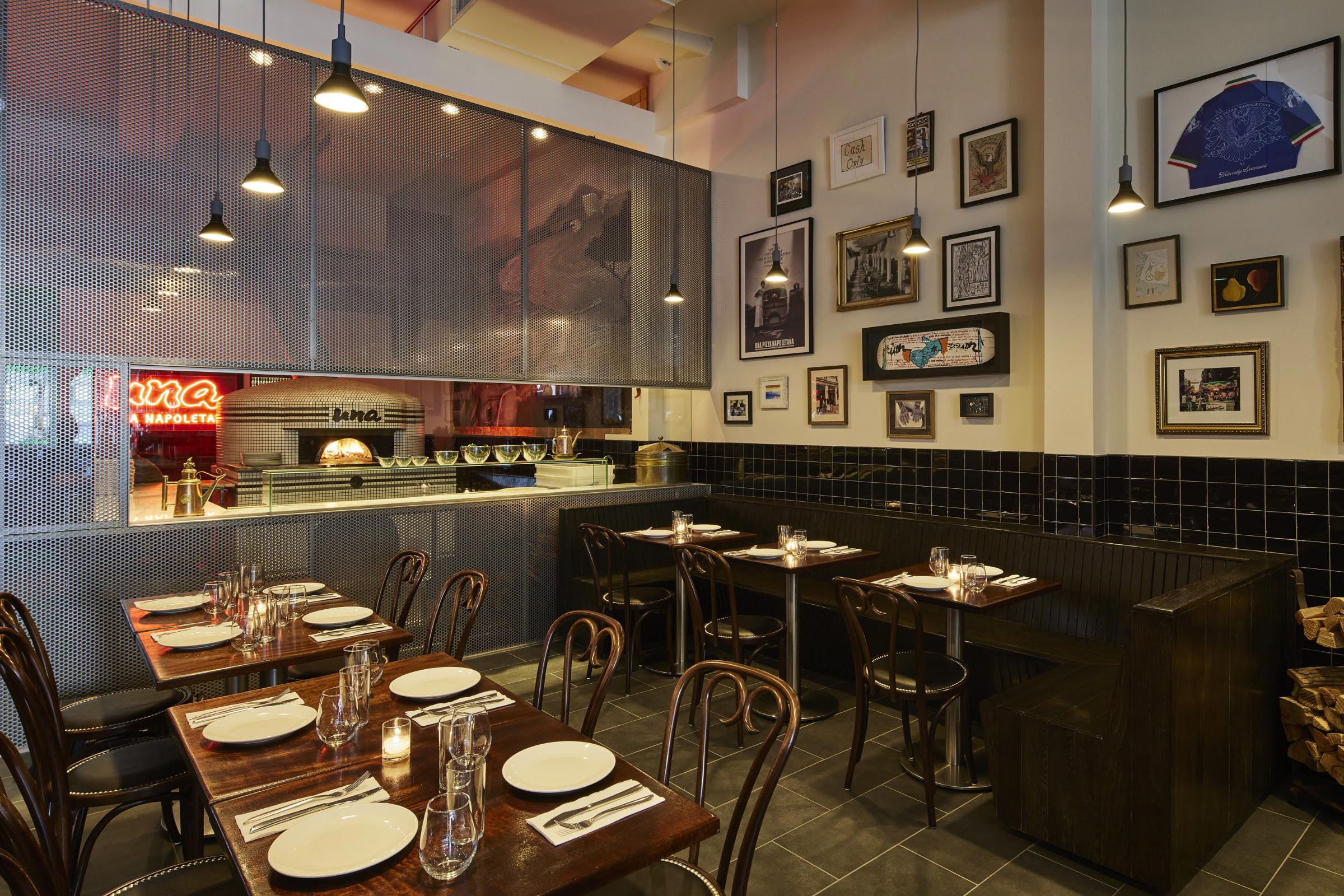
Restaurants in New York City
Browse all →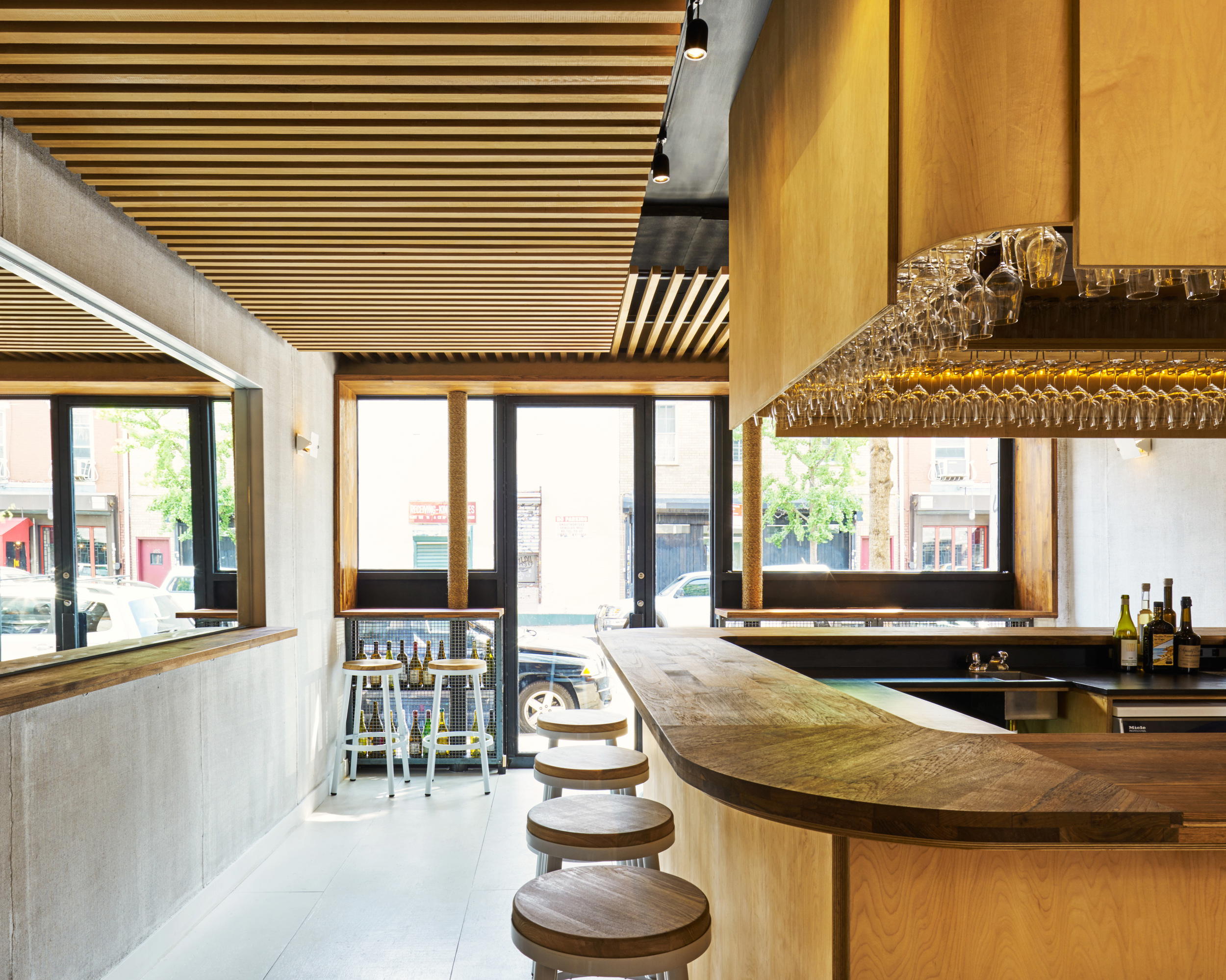
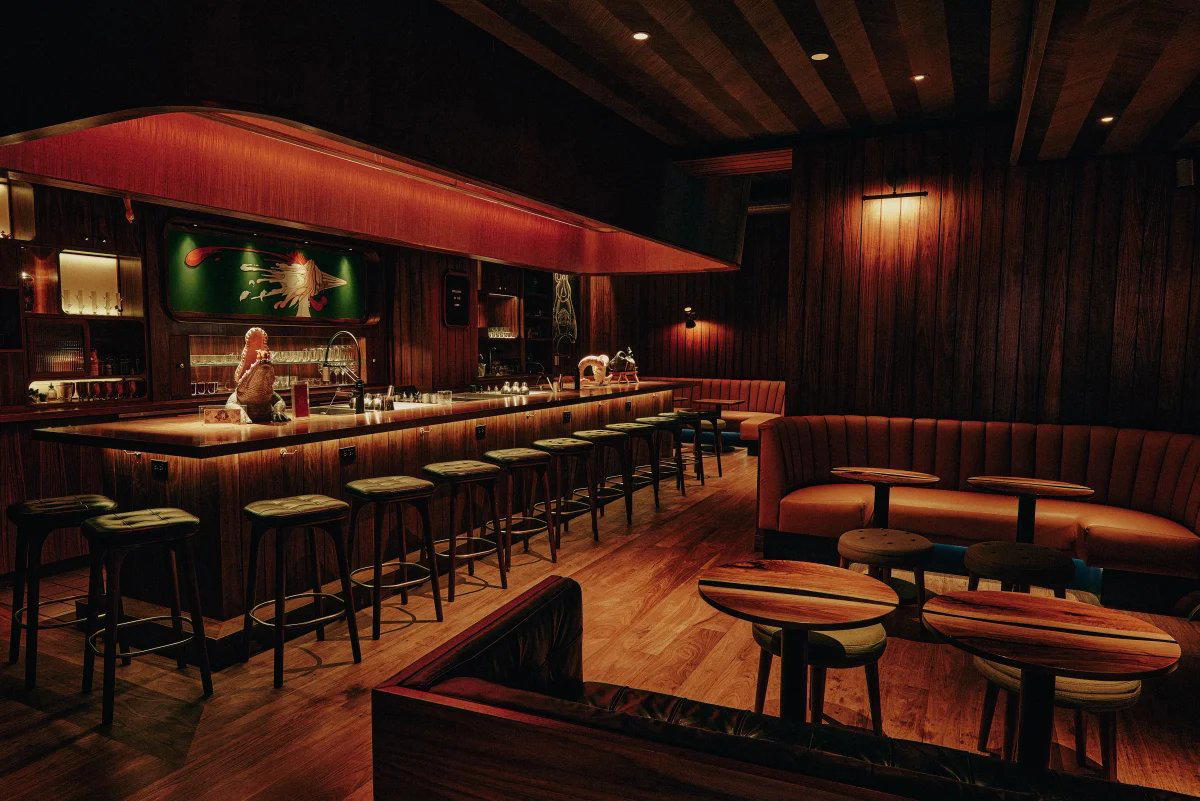
Bars in New York City
Browse all →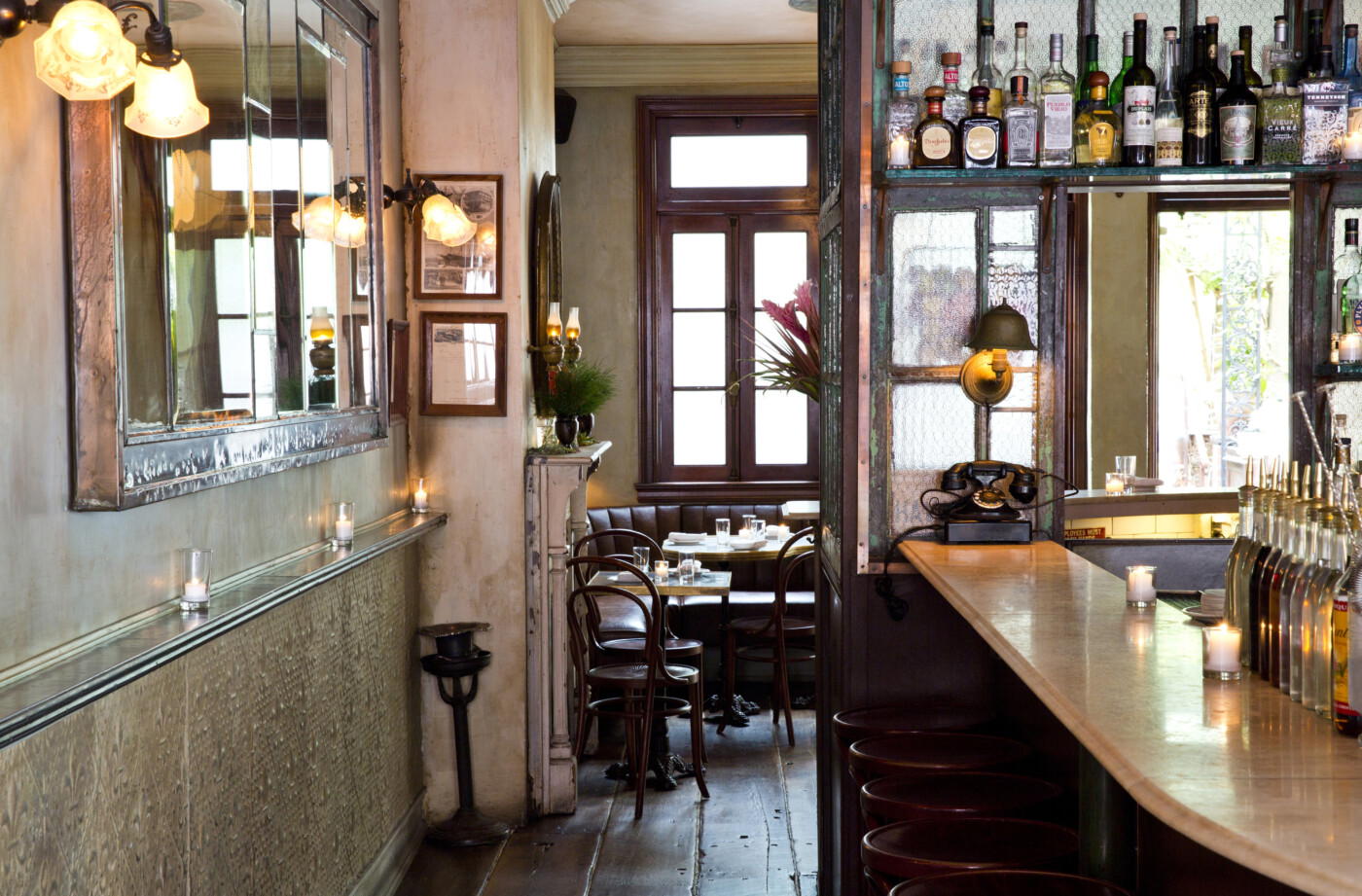
Hotels in New York City
Browse all →





At a Glance
- Classic
- Cozy
- Well Known
- Historic
- Casual Hangout
- Late Night
- Group Dining
- Historic Building
- Live Music
- Beer Program
Current opening hours
- Monday
- 2–11 PM
- Tuesday
- 2–11 PM
- Wednesday
- 2–11 PM
- Thursday
- 2–11 PM
- Friday
- 12–11 PM
- Saturday
- 12–11 PM
- Sunday
- 12–11 PM
Hours can change for holidays and private events. Last verified .
Cozy historic atmosphere with tin ceiling, antique lamps, and old-school charm.