Good Time Country Buffet
Good Time Country Buffet brings Southern buffet cooking to New York City, placing slow-cooked American regional food in a city better known for omakase counters and tasting menus. The format, generous, communal, self-serve, sits at a deliberate distance from the prix-fixe dominance of the Manhattan dining scene, offering a different kind of abundance for those who know what they are looking for.
Pearl is the En Primeur Club membership app — saves, bookings, and concierge access live there. Same editors, same standards.
- Address
- 166 1st Ave, New York, NY 10009
- Website
- goodtimebuffet.com
- Directions
- Get directions
 Saves & bookings on Pearl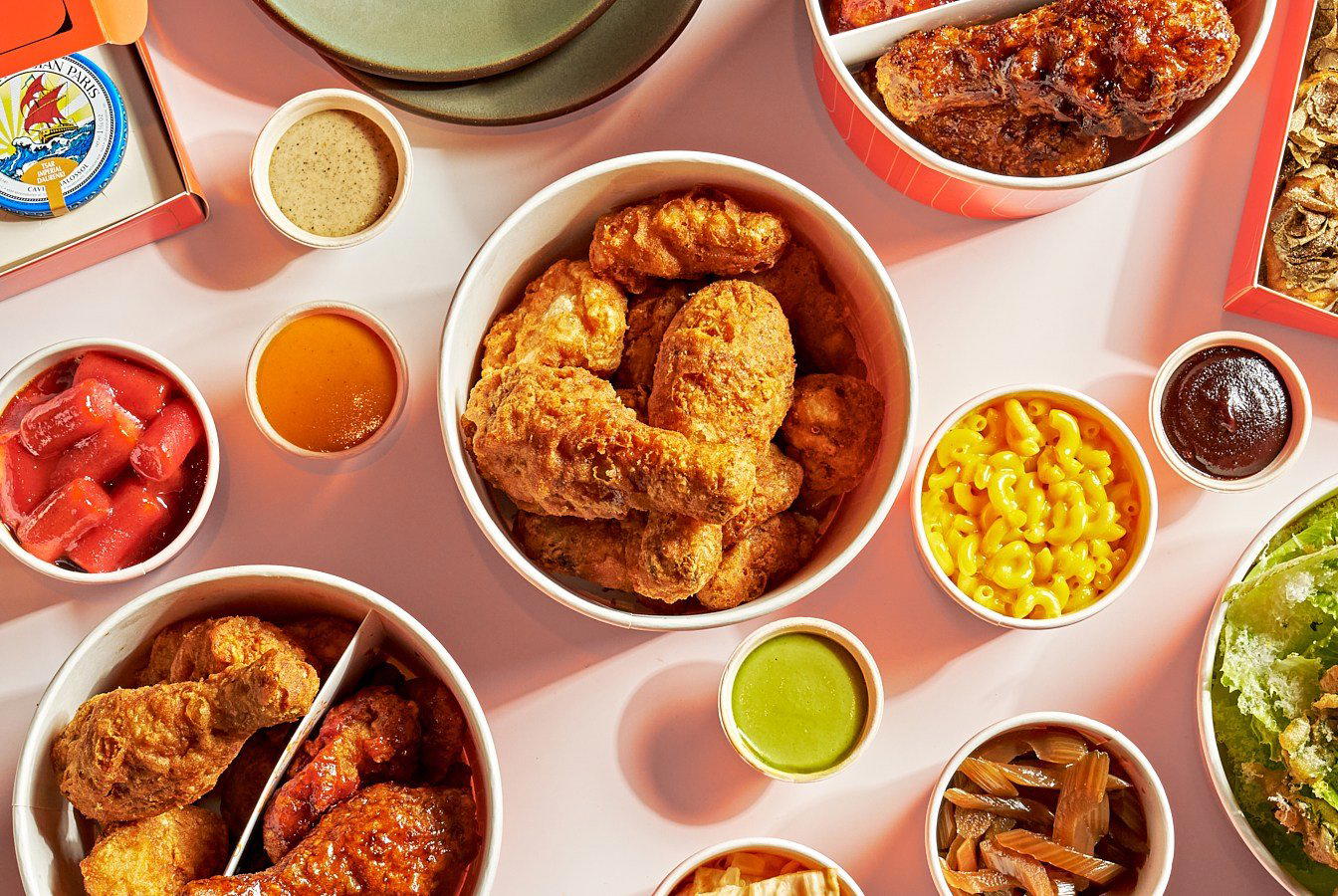
Southern Buffet in a City That Prefers Omakase
New York's reputation as a dining city runs heavily toward the constructed and the curated: the tasting menu counter, the prix-fixe room, the reservation you book three months in advance. That emphasis means Southern buffet cooking occupies an almost contrarian position in the city's food culture. Where the dominant mode is restraint and sequencing, the buffet format insists on generosity and simultaneity. At Good Time Country Buffet, that contrast is the whole point. The format itself carries a regional argument: that abundance, communal access, and slow-cooked American Southern traditions constitute a legitimate dining proposition in one of the world's most competitive restaurant cities.
For context on how far apart these categories sit, consider that the upper bracket of New York dining includes venues like Le Bernardin, Masa, and Per Se, each built around controlled progression and chef-directed experience. The Southern buffet inverts all of those assumptions. The diner sets the pace, determines the combinations, and returns at will. That structural difference is not a deficit; it is the format's reason for existing.
The Tradition Behind the Steam Table
Southern buffet cooking in the United States draws from a long, regionally specific set of techniques: low-and-slow braising of pork and chicken, the cornmeal traditions of the Deep South, legume-heavy sides developed across generations of agricultural economy, and the sweet-savory balance that distinguishes Southern American food from, say, the Creole complexity you find at a venue like Emeril's in New Orleans. These are not informal or improvised methods. They are codified regional practices with as much internal discipline as any European tradition.
The editorial angle that matters here is the intersection of those inherited techniques with the realities of a New York context. The city's supply chains, labor costs, and customer expectations all shape how Southern buffet cooking actually lands in Manhattan or the outer boroughs. Ingredients that in Georgia or Tennessee might come directly from a neighboring county here pass through a more complex distribution system. That gap between origin and execution is something any serious Southern cook in New York has to reckon with, and how a kitchen handles it tells you more about its priorities than any single dish.
For comparison, venues like Lazy Bear in San Francisco and Single Thread Farm in Healdsburg have built their reputations partly on closing that gap between source and plate through direct farm relationships. The Southern buffet tradition operates under different economics and different expectations of scale, but the underlying question, how faithfully does the food represent its regional origin, applies regardless of format or price point.
What the Format Demands and Delivers
The buffet format places specific demands on a kitchen that single-plate service does not. Food must hold at temperature and texture across an extended service window. Flavors must be assertive enough to read clearly after time in a warming vessel. The kitchen's judgment about batch quantities, replenishment timing, and rotation is what separates a buffet that sustains quality through service from one that degrades within the first hour. These are operational disciplines that the dining press rarely discusses but that regular customers feel immediately.
Southern cooking, in some ways, is well-suited to this challenge. Braises and stews improve with time. Cornbread and biscuits can be produced in rotation. Greens cooked low and slow do not suffer from a holding period the way a seared piece of fish would. The alignment between Southern technique and buffet logistics is not accidental; it is part of why this regional tradition translated into a widely practiced American restaurant format across the mid-twentieth century.
That historical context places Good Time Country Buffet inside a broader pattern of American casual dining that has largely retreated from major coastal cities in favor of the mid-market chains that dominate suburban corridors. Finding a Southern buffet operating in New York City positions the venue as something of a holdout against that demographic drift, serving a customer who either grew up with the format and values continuity, or is encountering it as a distinct category within the city's otherwise fragmented American food scene.
Where It Sits in the New York Dining Picture
New York's contemporary dining conversation tends to cluster around a few recognizable poles: the technically ambitious American restaurant (see Saga or César), the European fine-dining import, and the chef-driven tasting counter. Southern buffet occupies none of these categories. Its comparable set is not Michelin-tracked; it is community-anchored, often neighborhood-specific, and priced for regular rather than occasional visitation.
That community anchoring matters. Venues like Alinea in Chicago or The French Laundry in Napa are destination restaurants by design, drawing visitors from outside their cities. Southern buffets are the opposite: they are neighborhood institutions that draw the same customers repeatedly, whose regulars measure quality by consistency over time rather than by a single notable visit. That different relationship with the customer is a structural feature of the format, not an incidental detail.
For a fuller picture of where Good Time Country Buffet sits within New York's restaurant ecology, the full New York City restaurants guide maps the city's dining categories with more granularity. Those planning a broader trip can also consult the New York City hotels guide, the bars guide, and the experiences guide for a complete picture. Internationally, the distance between a Southern buffet and the formal register of venues like 8 1/2 Otto e Mezzo Bombana in Hong Kong or Alain Ducasse at Louis XV in Monte Carlo illustrates how wide the spectrum of serious cooking actually is, and why format assumptions about what constitutes a worthwhile meal are worth examining. The Providence in Los Angeles and the New York City wineries guide round out the regional picture for those moving between categories.
Planning a Visit
Southern buffets in urban markets often operate on condensed weekly schedules, with lunch service generating higher turnover than dinner, and weekend hours sometimes differing substantially from weekday operations. Arriving closer to the start of a service period generally means fresher replenishment cycles, which is a practical consideration specific to the format. Price points for Southern buffets in New York tend to sit well below the city's median for sit-down dining, making them accessible for repeated visits rather than reserved for occasions.
A Pricing-First Comparison
Comparable venues nearby, for context on price, style, and recognition.
| Venue | Cuisine | Price | Notes |
|---|---|---|---|
| Good Time Country BuffetThis venue — the venue you are viewing | East Village, Southern Country Buffet | $$ | Not listed |
| The Cannibal Beer & Butcher | Murray Hill, New American Gastropub | $$ | Not listed |
| Kitchen | Gramercy, Modern American Brasserie | $$ | Not listed |
| Beecher's Handmade Cheese - New York | Not listed | $$ | Midtown South-Flatiron-Union Square, American Cheese Cafe |
| Jack's Stir Brew | Not listed | $$ | West Village, Organic Stir Brew Coffee & Vegan Bakery |
| Park Avenue Tavern | Not listed | $$ | Midtown-Times Square, Classic American Tavern |
Continue exploring
More in New York City
Restaurants in New York City
Browse all →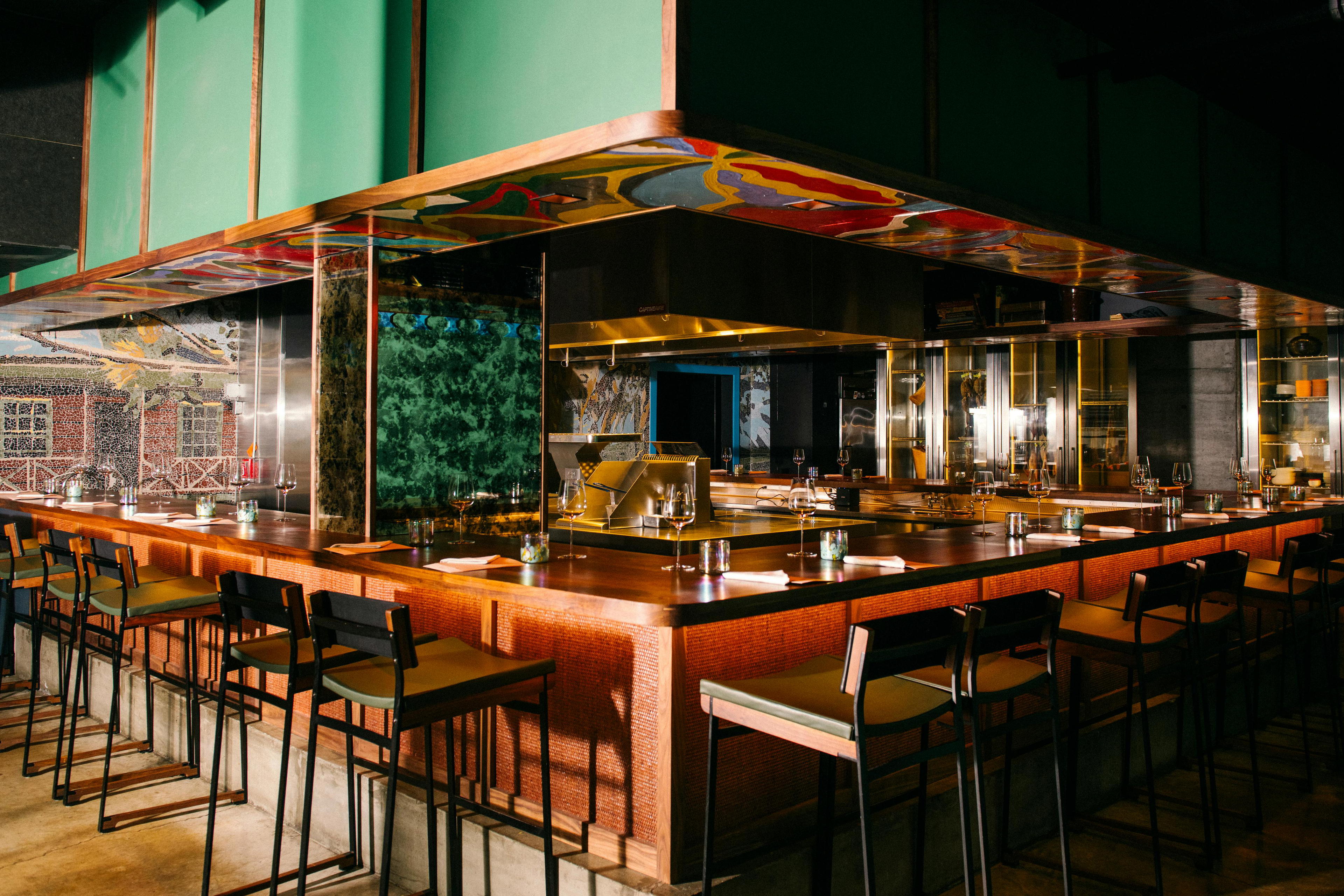
Bars in New York City
Browse all →
Hotels in New York City
Browse all →





At a Glance
- Lively
- Rustic
- Family
- Group Dining
- Casual Hangout
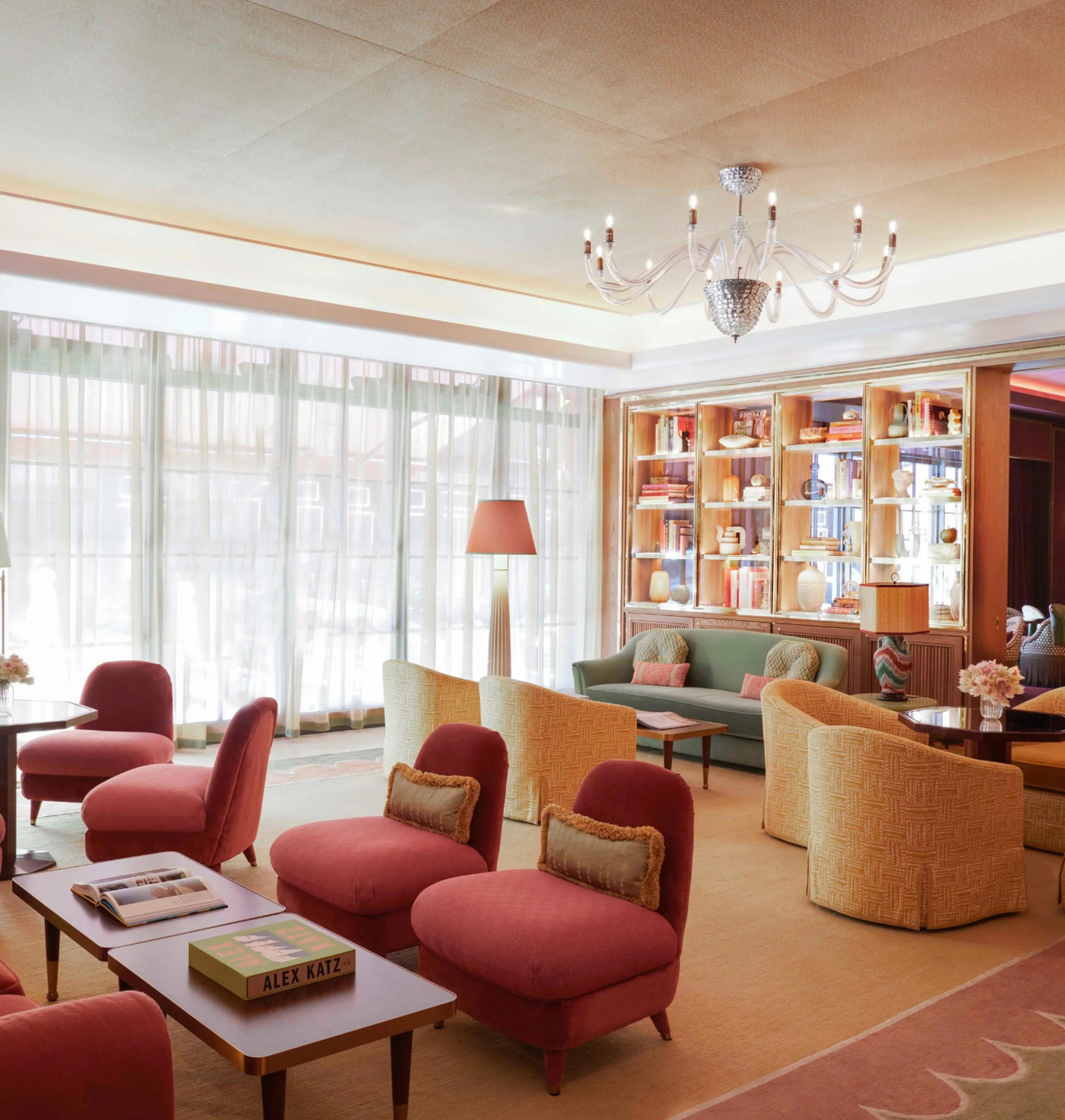
Casual buffet atmosphere evoking nostalgic Southern country dining.