Naranj Restaurant
On Midhat Basha Street in Damascus's Old City quarter of Al-Qaimarryeh, Naranj takes its name from the bitter orange, a cornerstone ingredient in the older, less exported register of Syrian cooking. The setting, a historic Levantine courtyard building, frames the meal before any food arrives. For visitors with time to spend in the UNESCO-listed old walls, it represents the heritage end of the Damascus dining spectrum.
Pearl is the En Primeur Club membership app — saves, bookings, and concierge access live there. Same editors, same standards.
- Address
- Midhat Basha Street, Al-Qaimarryeh, Old City, ريف دمشق
- Directions
- Get directions
 Saves & bookings on Pearl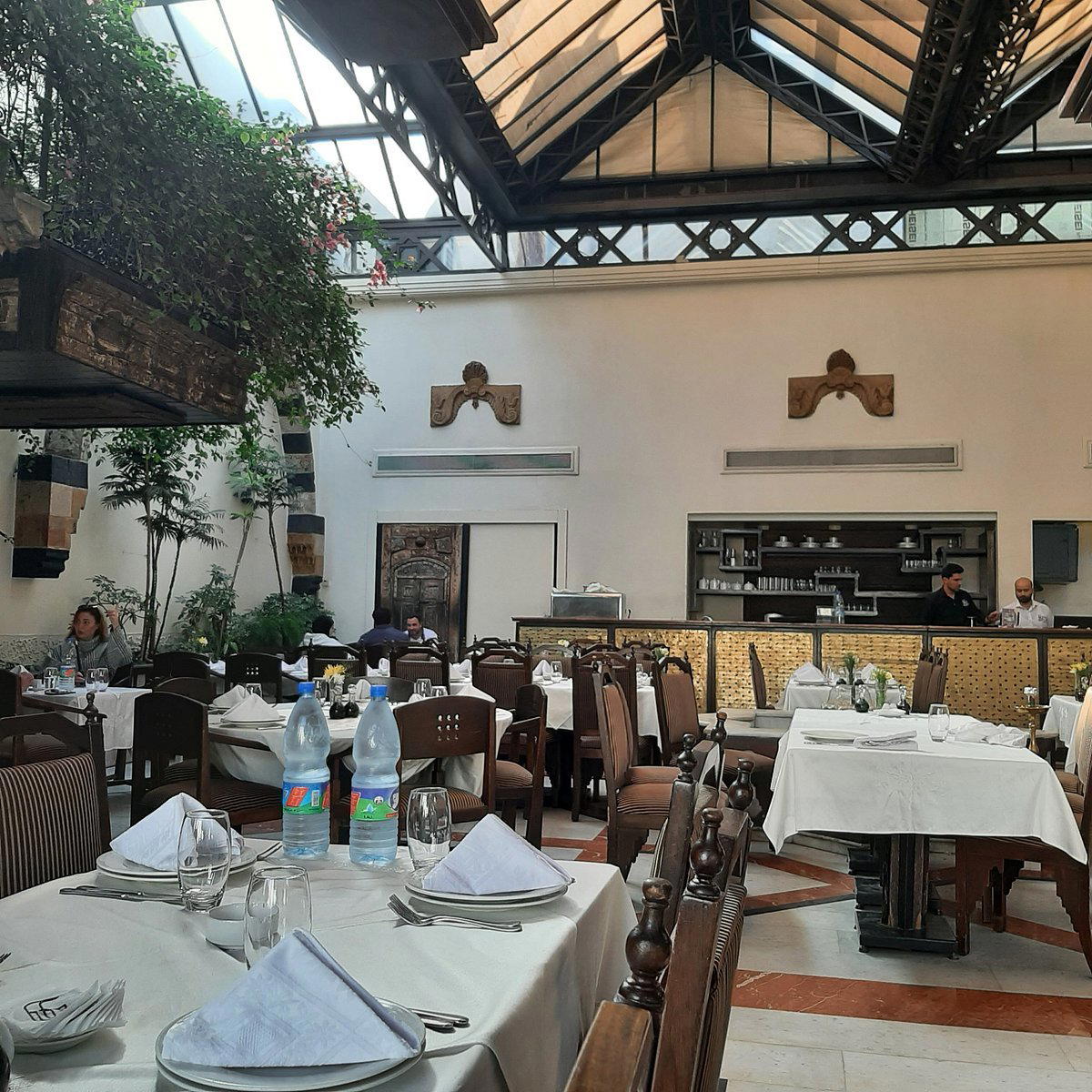
Old Damascus, at the Table
Midhat Basha Street runs through the Al-Qaimarryeh quarter of Damascus's Old City like a compressed timeline of Syrian civilization. The street's stone-paved surface, flanked by courtyard houses whose upper floors lean toward one another across the lane, establishes a particular kind of atmosphere before you have crossed any threshold. This is the architectural grammar of the Levant at its most preserved: deep interior courtyards with central fountains, reception rooms ringed with iwan alcoves, and the residual cool of thick limestone walls that register a different temperature from the street outside. Naranj Restaurant occupies this kind of space, and the physical setting frames everything that follows at the table.
Damascus belongs to a short list of continuously inhabited cities, and its Old City carries that weight in every surface. Dining in Al-Qaimarryeh is therefore a different act from dining in a purpose-built restaurant district. The room itself is an argument about Syrian identity: the architecture is the context, not the backdrop. Naranj, whose name is the Arabic word for the bitter orange, places itself inside that argument by choosing this address over any number of easier, more accessible locations. In our full Al Qaimarryeh restaurants guide, this positioning recurs across several establishments, each of which treats the Old City setting as a form of culinary declaration.
The Ingredient Logic of Syrian Cooking
Syrian cuisine draws from one of the most agriculturally layered regions in the eastern Mediterranean. The Syrian interior produces pomegranates, pistachios, stone fruits, and wheat in varieties that predate standardized commercial agriculture. The coastal range and the Orontes Valley add a different palette: citrus, olive oil pressed from trees that are centuries old in some cases, and herbs that grow at elevations where the air is cooler and the aromatic compounds more concentrated. This sourcing geography is not incidental to Syrian cooking; it is the architecture of its flavor logic.
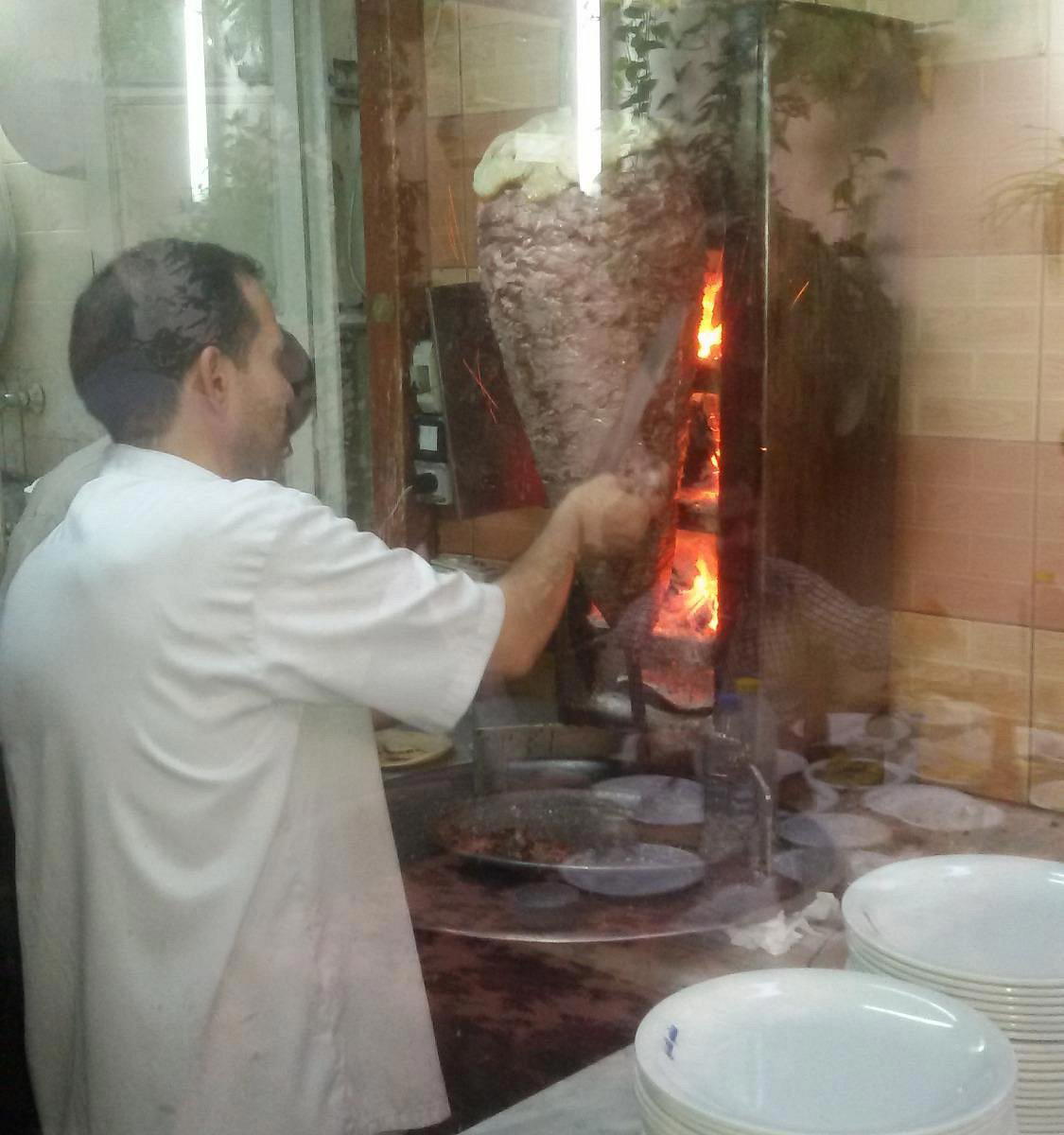
The bitter orange that gives Naranj its name is a useful emblem of this tradition. Unlike the sweet navel oranges that dominate international markets, the bitter orange serves culinary and medicinal roles across the Levant. Its rind goes into preserves; its juice provides an acidic counterpoint in marinades and sauces; its blossom water scents desserts and cold drinks. Choosing this fruit as a namesake signals a kitchen that identifies with the older, more complex register of Syrian ingredients rather than the simplified version of the cuisine that travels easily abroad. Restaurants elsewhere in Damascus that engage with this tradition include Bakdash in Damascus and Shawrma Sharif in دمشق, each of which represents a different point on the spectrum between heritage and accessibility.
Syrian food's sourcing depth has drawn increasing attention from international critics over the past decade, as the global conversation around provenance-led cooking has created a framework for understanding what Syrian cooks have always practiced. The comparison is instructive: where high-end European restaurants treat ingredient origin as a marketing proposition, adding it as a layer of narrative onto otherwise conventional cooking, Syrian cuisine integrates sourcing into its basic method. A slow-cooked lamb dish built around a particular regional spice blend is not making a statement about terroir; it is simply following a recipe that assumes the correct spice blend can only come from a specific place. That assumption is built into the dish's structure, not appended to its description.
The Old City Table in Regional Context
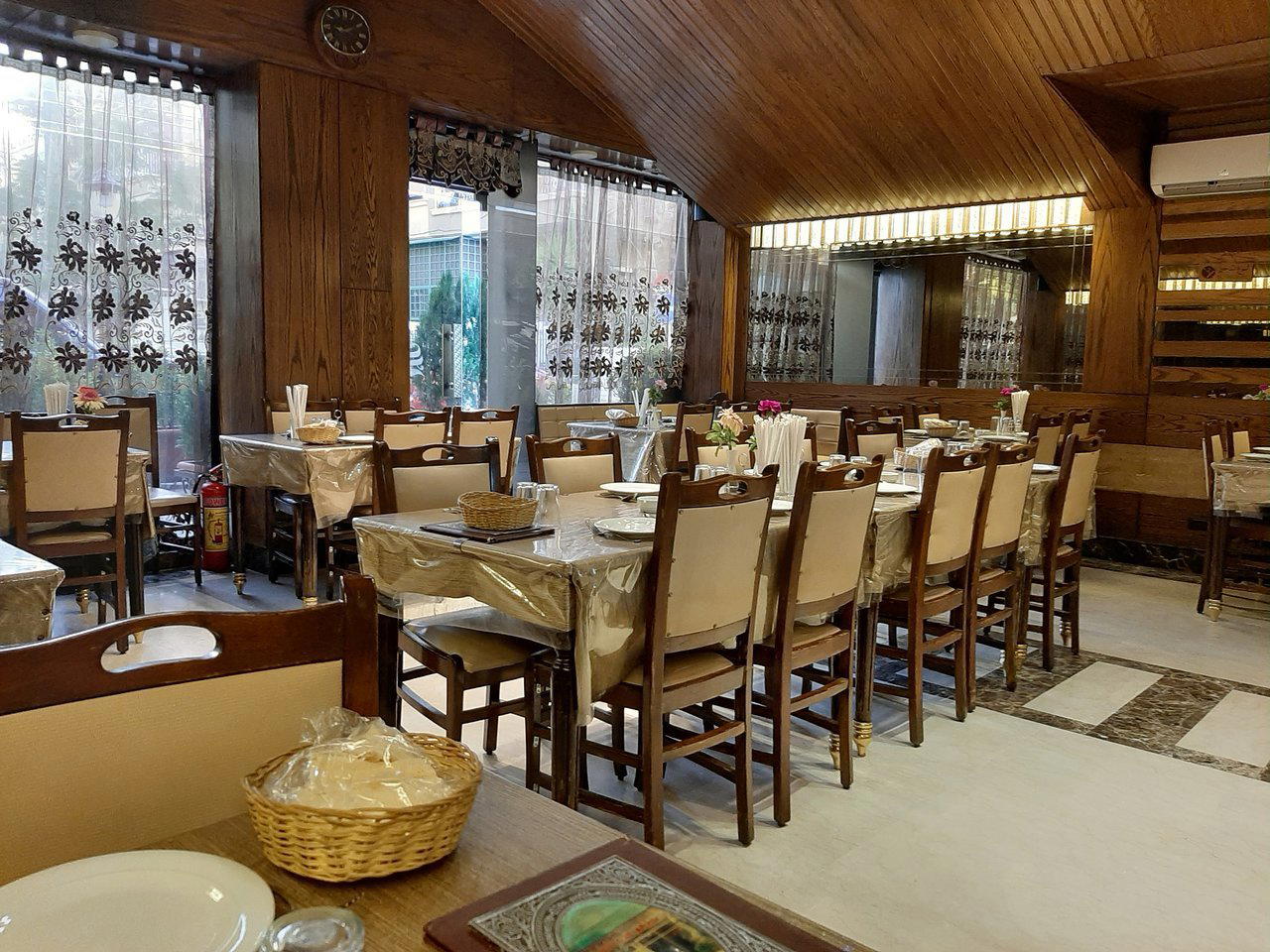
Syria's dining scene, even within Damascus, splits across several registers. There is the fast-casual street economy of wraps and grilled meats; there is the family-style restaurant serving large groups at long tables; and there is the heritage dining format that has evolved in the Old City's courtyard restaurants, where the physical setting supports a slower, more ceremonial relationship with food. Naranj operates in that third register, positioned among a small group of restaurants that treat the Old City's architecture as a reason to price and pace the meal differently from the street-level alternatives outside the old walls.
Comparable heritage formats appear across Syrian cities. Al Zammar House in حلب (Aleppo) represents the same tradition in Syria's second city, where Aleppan cooking's distinct spice profile and its stronger Persian and Turkish overlay produce a different regional expression of the same hospitality logic. For context on what the coastal cities add to this picture, View Restaurants in لاذقية offers a Mediterranean-inflected counterpoint to the inland tradition that Naranj represents.
Placed against the global conversation around provenance-led fine dining, where institutions like Le Bernardin in New York City, Atomix in New York City, or Aponiente in El Puerto de Santa María have built their reputations partly on rigorously documented sourcing, the Old Damascus approach looks less like heritage tourism and more like a parallel tradition that arrived at similar conclusions through a different route. The difference is that Damascus's courtyard restaurants are not newcomers to this argument; they predate the contemporary sourcing conversation by several generations.
Visiting: What to Know Before You Go
Al-Qaimarryeh sits within the UNESCO-listed Old City of Damascus, reachable on foot from the Umayyad Mosque and the covered souks of the historic center. The quarter's streets are narrow and not always clearly signed, which means arriving with a specific address and some patience is advisable. The leading approach is to enter the Old City from one of its main gates and follow Midhat Basha Street from the direction of the souk area, where the street becomes more legible and the courtyard entrances more apparent.
No website or phone number is confirmed in available records, which places Naranj in the category of establishments that function largely through word-of-mouth and local knowledge rather than digital booking infrastructure. Visiting in person or through a locally based contact is the practical way to establish availability. This approach is consistent with how the Old City's better courtyard restaurants have traditionally operated, prioritizing walk-in guests and regular clientele over advance reservation systems. The dining pace in spaces like this tends to be unhurried; arriving with time to sit through multiple courses and order tea afterward is the correct expectation to set.
Syria's hospitality conventions mean that a restaurant in this setting will generally accommodate groups ranging from couples to larger parties, though calling ahead through local contacts remains the most reliable method of confirming arrangements. For travelers already planning time in the region, building Naranj into a broader Old City afternoon, combining it with the Azem Palace, the nearby hammams, and the souks of Al-Bzouriyeh, creates a coherent itinerary rather than an isolated dining visit. That combination of setting, food, and historic context is what distinguishes the Al-Qaimarryeh experience from eating in any other part of the city.
Comparison Snapshot
| Venue | Cuisine |
|---|---|
| Naranj RestaurantThis venue — the venue you are viewing | This venue |
Continue exploring
More in Al Qaimarryeh
Restaurants in Al Qaimarryeh
Browse all →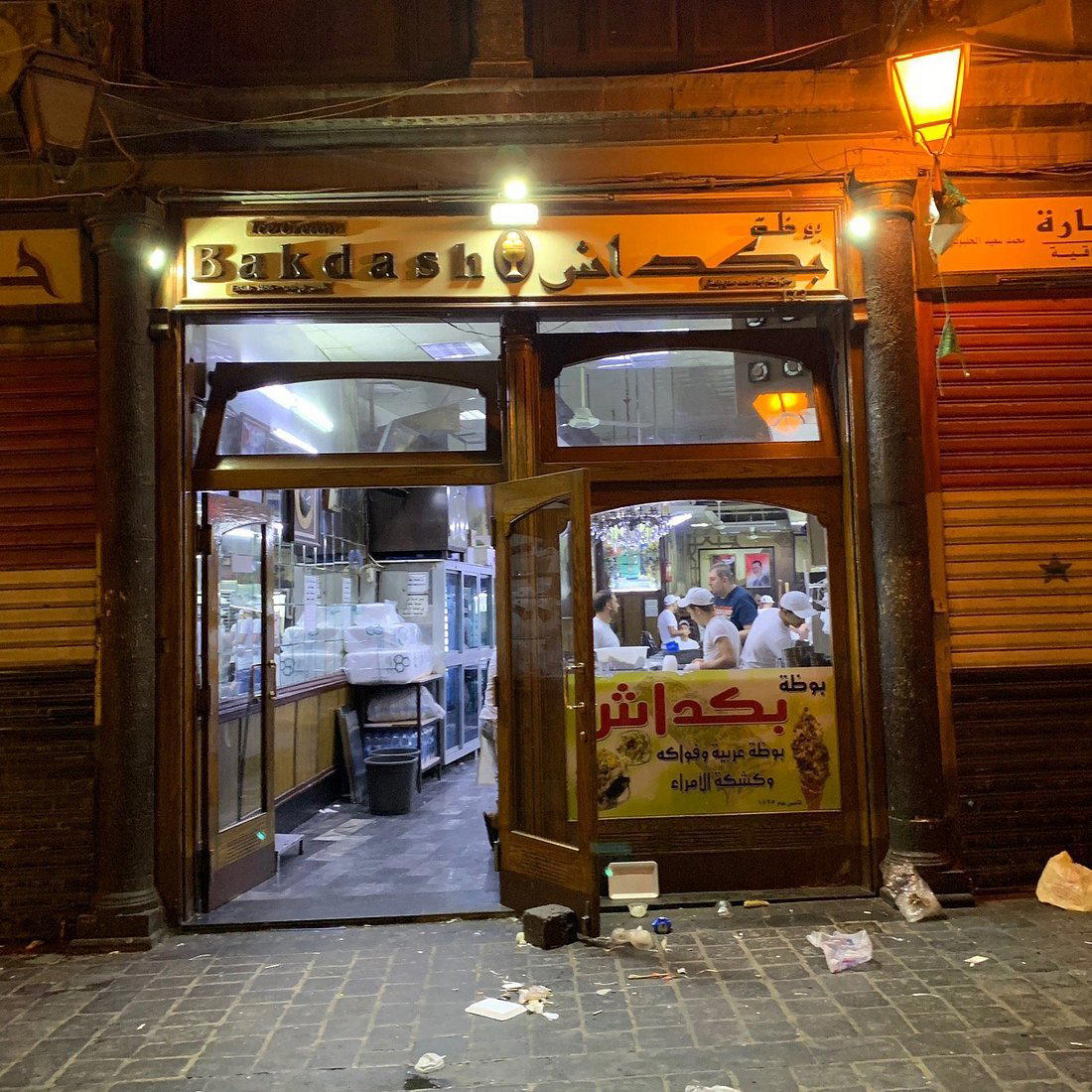

At a Glance
- Classic
- Historic
- Casual Hangout
- Special Occasion
- Historic Building
- Terrace
- Street Scene
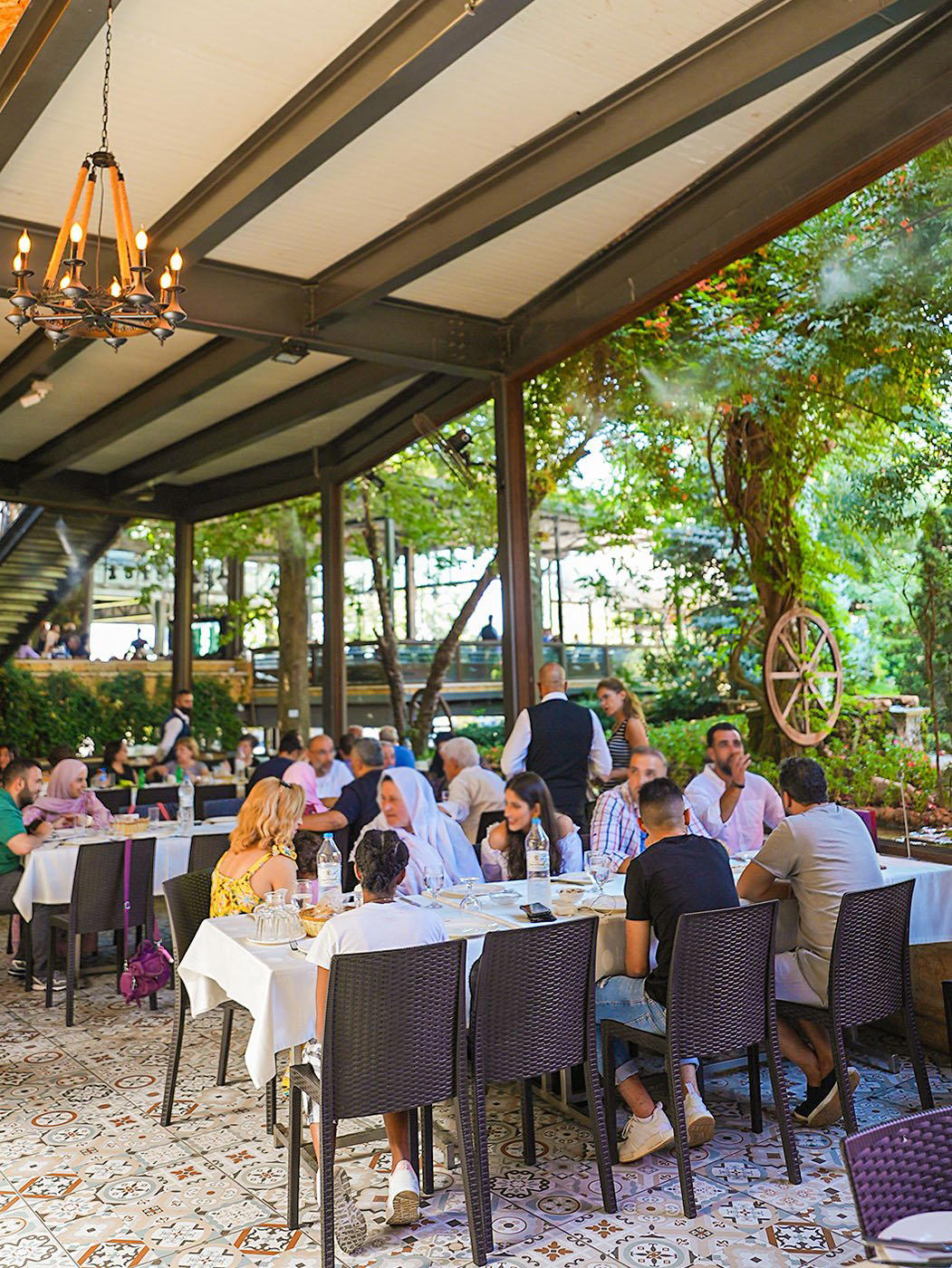
Ancient oriental style with beautiful hall and outdoor patio.
Know Before You Go
- Getting there
- Midhat Basha Street, Al-Qaimarryeh, Old City, ريف دمشق