On Latakia's South Corniche, View Restaurants occupies a position that tells you something immediate about how this port city eats: facing the Mediterranean, drawing on a coastline that has supplied Syrian tables for centuries. The address alone frames the ingredient question before the menu does. For context on where this fits within the broader dining scene, see our full Latakia restaurants guide.
Pearl is the En Primeur Club membership app — saves, bookings, and concierge access live there. Same editors, same standards.
- Address
- South Cornish, لاذقية, اللاذقية
- Directions
- Get directions
 Saves & bookings on Pearl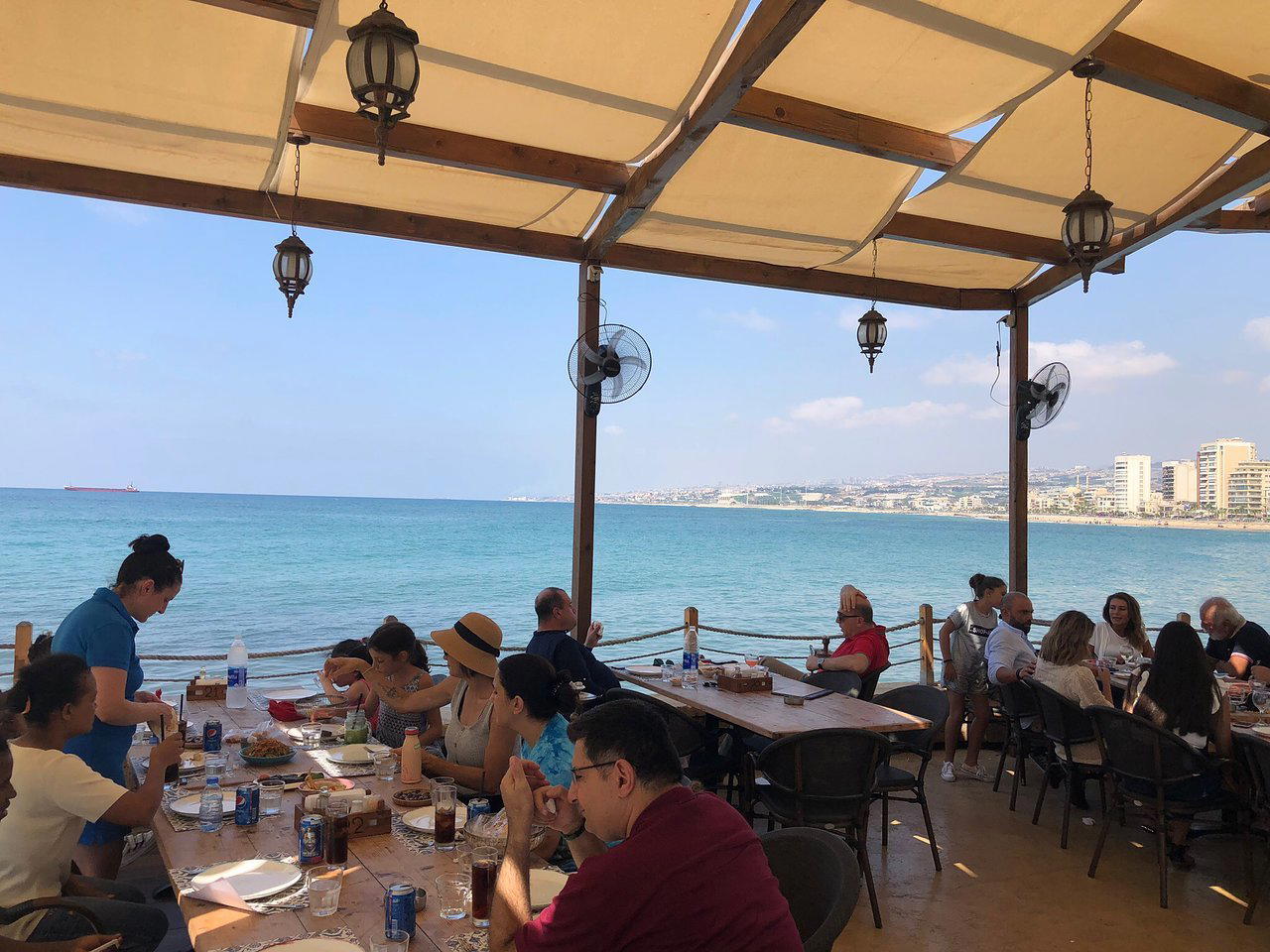
Where the Mediterranean Sets the Table
Latakia's South Corniche is not a dining destination by accident. The strip runs along a working port city whose relationship with the sea predates most of the restaurant concepts you'll find listed alongside it on any regional guide. The Mediterranean here is not scenic backdrop; it is supply chain, cultural inheritance, and the primary reason why coastal Syrian cooking differs so markedly from the inland traditions of Damascus or Aleppo. When a restaurant occupies this address, the sourcing argument writes itself — or should, if the kitchen is paying attention.
View Restaurants sits on that South Corniche, and the positioning matters beyond the obvious. Latakia's waterfront has historically attracted establishments that lean into proximity to the sea without always interrogating what that proximity should mean on the plate. The more considered operators understand that a Mediterranean address in Syria carries specific ingredient responsibilities: fresh catch that changes with season and weather, local produce from the coastal mountains of the Alawite range that back the city, and a pantry shaped by centuries of Levantine trade routes rather than any single culinary tradition.
The Sourcing Logic of the Syrian Coast
Syrian coastal cooking operates within a distinct register that separates it from the landlocked mezze culture most international visitors associate with the country. The Latakia region produces its own olives — among the most distinctive in the eastern Mediterranean, along with citrus, figs, and the kind of mountain herbs that rarely travel well enough to appear in Damascene markets in prime condition. A kitchen on the South Corniche with any seriousness of purpose draws from this immediate geography, where the supply chain is measured in kilometers rather than the cross-country distances that define inland Syrian restaurant logistics.
The fishing tradition along this coast is old and specific. Species like sea bass, red mullet, and various bream run through the catch depending on season, and the preparation approaches that have developed around them are quieter and less spice-forward than the grilled meat traditions that dominate Syrian cooking in the popular imagination. The cooking tends toward olive oil, lemon, fresh herbs, and restrained heat, a profile that reflects Mediterranean fishing-port cooking more broadly, whether you trace comparable logic through Lebanese, Turkish, or Greek coastal traditions.
For comparison, consider how sourcing-led restaurants elsewhere in the region position themselves. Naranj Restaurant in Al Qaimarryeh and Al Zammar House in حلب both operate within Syrian dining traditions that foreground local ingredient identity, though from inland positions that shift what "local" means. The coastal version of that argument is materially different, and Latakia is the city where it gets made most directly in Syrian dining.
The Corniche Context: Reading the Room Before You Sit Down
Approaching the South Corniche in Latakia, particularly in the late afternoon, you encounter a city that uses its waterfront actively. This is not a sanitized promenade engineered for tourism; it is a functioning urban edge where the port economy and the leisure economy coexist without much ceremony. The light off the Mediterranean at this hour is the kind that makes any outdoor seating decision obvious. The question most visitors are actually resolving is not whether to eat on the Corniche but which register of experience they want: casual and high-turnover, or something more considered about what ends up on the plate.
Syrian coastal dining at the more deliberate end tends toward shared formats, a structure that mirrors the broader Levantine mezze tradition but adapts it to seafood-forward ingredients. Cold dishes arrive first, typically built around whatever the morning catch produced and what the olive harvest or seasonal produce allows. Warm preparations follow. The pacing is unhurried in a way that reflects the city's rhythm rather than any imposed fine-dining convention. This is not the compressed tasting-menu format you'd find at somewhere like Atomix in New York City or Alinea in Chicago; it is a more expansive, sociable structure that suits the Corniche setting and the coastal Syrian appetite for long tables and shared plates.
How Latakia Fits the Broader Syrian Dining Picture
Syria's restaurant culture, even accounting for the disruptions of the past decade, maintains meaningful distinctions between its cities. Damascus remains the reference point for formal dining and historic establishments, Bakdash in Damascus represents one strand of that heritage. Homs and Hama each carry their own provincial dining identities, visible in places like Julia Palace Restaurant in حمص and Kitaz Restaurant in حماه. Latakia's claim is different: it is the only major Syrian city where the sea is the primary ingredient argument, and where the cooking tradition reflects that fact at a structural level rather than as an occasional menu addition.
That specificity gives Latakia a dining identity that is less replicable than the inland cities. You can find credible Syrian mezze in most cities that have a Syrian community of any size. You cannot replicate the combination of eastern Mediterranean catch, Alawite mountain produce, and Levantine preparation tradition that the Latakia coast makes available to a kitchen that takes the geography seriously. For a broader map of how this fits within the city's eating options, see our full لاذقية restaurants guide.
Beyond Syria, the sourcing-led coastal model has parallels at restaurants operating at very different price points and with very different institutional recognition. Aponiente in El Puerto de Santa María has built an internationally documented case around marine ingredient sourcing as culinary premise. Le Bernardin in New York City has maintained a comparable argument about seafood primacy for decades. The version available on the Latakia Corniche operates at a different scale and within a different economic context, but the underlying logic, that proximity to source should determine what ends up on the plate, connects these operations across considerable distance.
Planning Your Visit
The South Corniche address is navigable from Latakia's city center on foot or by short taxi ride, with the waterfront orientation making orientation direct for first-time visitors. For context on how the broader Syrian dining scene is evolving and which other operators merit attention, Shawrma Sharif in دمشق represents a useful data point on the more casual end of the national picture, while globally oriented readers may find useful calibration in properties like Amber in Hong Kong or 8 1/2 Otto e Mezzo Bombana in Hong Kong for understanding where ingredient-led coastal cooking sits within international fine dining.
Timing matters on the Corniche. Latakia's Mediterranean climate runs warm through most of the year, and outdoor seating is viable across a longer seasonal window than most of the Syrian interior allows. Evening visits capture the light shift and the drop in temperature that makes waterfront dining in this part of the Mediterranean genuinely pleasant rather than simply atmospheric. Lunch service, where available, tends to catch the fishing supply at its freshest, a consideration worth weighing if the sourcing argument is part of what draws you to the address.
Quick Comparison
Comparable venues nearby, for context on price, style, and recognition.
| Venue | Cuisine | Price | Notes |
|---|---|---|---|
| View Restaurants | Dining | Not listed | لاذقية |
| Bakdash | Traditional Middle Eastern Booza Ice Cream | $$ | Al-Hamidiyah Souq |
| Shawrma Sharif | Syrian Shawarma | $ | Al Midan |
| Anuzha | Aleppan Syrian | Not listed | حلب |
| Sham Foods | Traditional Syrian | $$ | Abou Roumaneh |
| بوز الجدي | Traditional Syrian Levantine | $ | الدرارى |
Know Before You Go
- Getting there
- South Cornish, لاذقية, اللاذقية