Dining in Homs: What the City's Restaurant Scene Tells You Al Warsha Street in Homs carries the quiet, layered character of a city that has rebuilt its social life around its tables. Syrian dining culture has long placed the communal meal at the...
 Discover on Pearl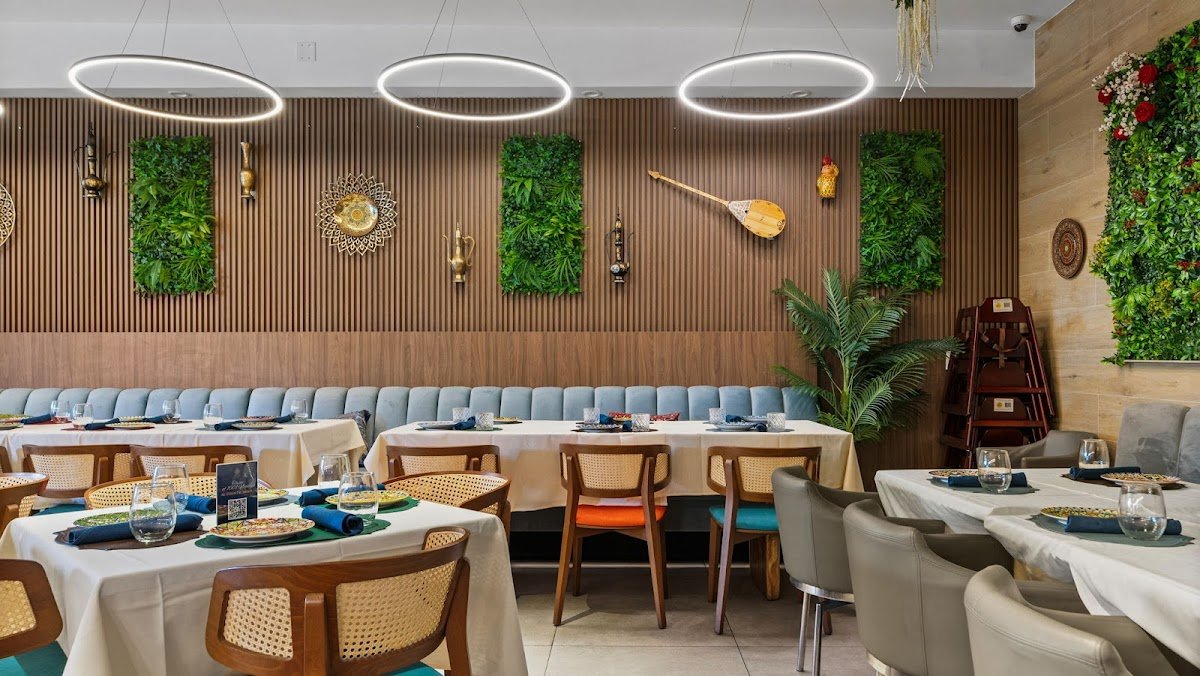
Dining in Homs: What the City's Restaurant Scene Tells You
Al Warsha Street in Homs carries the quiet, layered character of a city that has rebuilt its social life around its tables. Syrian dining culture has long placed the communal meal at the centre of neighbourhood identity, and Homs is no different: the city's restaurants function as living rooms, argument chambers, and celebration halls simultaneously. Julia Palace Restaurant sits on that street and participates in a tradition where the sourcing of ingredients from local markets, regional farms, and Syria's fertile Orontes Valley corridor is not a marketing position but simply how food has always been prepared here.
Ingredient Culture in the Orontes Valley Context
The agricultural belt that stretches through Homs governorate produces some of the most diverse larder material in the Levant. The region grows wheat, olives, stone fruits, and a range of legumes that form the backbone of Syrian cooking at every price point. Restaurants in Homs that draw on this proximity operate differently from those in capital cities, where supply chains are longer and produce travels further before it reaches the kitchen. The connection between the farm and the plate here is structural, not aspirational.
The shortlist, unlocked.
Hard-to-book tables, cellar releases, and concierge-planned trips.
Get Exclusive Access →Syrian cuisine in this part of the country tends toward dishes built from whole ingredients rather than processed components: slow-cooked lamb with mountain herbs, kibbeh made from hand-ground meat and cracked wheat, vegetable preparations that reflect whatever is at its seasonal peak in the surrounding countryside. These are not stylistic choices imposed by a chef; they reflect the practical logic of cooking close to the source. For a venue on Al Warsha Street, that context shapes what appears on the table before any kitchen philosophy is even considered.
Across Syria, the quality divide between restaurants is often less about technique and more about ingredient honesty. Operations that source from consistent local suppliers produce food with a depth of flavour that is difficult to replicate through imported or processed alternatives. This is a pattern visible in Homs, in Damascus, and in Aleppo, where venues like Al Zammar House in حلب have built their reputations partly on the integrity of their raw materials.
Homs Within Syria's Broader Dining Picture
Homs occupies a specific position in the Syrian dining hierarchy. Damascus holds the most internationally referenced restaurant addresses, with venues like Naranj Restaurant in Al Qaimarryeh and Bakdash in Damascus drawing visitors who travel specifically for the table. Homs operates on a different register: less frequented by outside visitors, more oriented toward a local clientele that eats out regularly and applies its own informed standards to the food on offer.
That local accountability produces a different kind of restaurant culture. A venue in Homs does not rely on tourist traffic or guidebook placement to fill its tables. It survives on repeat business from residents who know what the region's ingredients should taste like and will not return if the kitchen underperforms. This is arguably a more demanding test of quality than any award cycle. Nearby, Kitaz Restaurant in حماه operates within a comparable dynamic in the neighbouring city of Hama, where the same local-accountability model applies.
For context on Syria's wider dining geography, the our full حمص restaurants guide maps the city's options across different formats and price tiers. The range of venues available in Homs also connects to the broader Syrian scene visible through View Restaurants in لاذقية on the coast, where seafood-forward cooking reflects an entirely different regional ingredient logic.
The Physical Experience: What Al Warsha Street Delivers
Approaching a restaurant on Al Warsha Street, the sensory register is urban Syrian in a particular key: the ambient noise of a city neighbourhood that has returned to daily life, the smell of charcoal and spice that tends to precede the entrance rather than announce itself inside, the mix of families and groups that populate Syrian dining rooms across the economic spectrum. Syrian restaurants of this type generally organise their space around shared eating rather than individual dining: large tables, platters designed for the centre of the table, bread as a constant presence.
The Palace designation in the name suggests a venue that has positioned itself toward a more formal end of the local market, though without comparative data on pricing or seating capacity from the venue record, the precise tier remains unverifiable. What the address and format suggest is a restaurant that reads as occasion-appropriate for the local market while remaining accessible to neighbourhood regulars. That dual function is common in Syrian cities and reflects the way formal and informal dining blend in Levantine culture more generally.
A Reference Point, Not an Anomaly
Placing Julia Palace Restaurant in global context requires some care. The operations that appear at the far end of fine-dining ambition globally, from Le Bernardin in New York City to Alinea in Chicago or Alain Ducasse Louis XV in Monte Carlo, represent a specific strain of hospitality defined by tasting menus, international wine programs, and highly codified service rituals. These venues share almost no structural logic with a neighbourhood restaurant in Homs, and comparing them directly would misrepresent both.
The more instructive comparison is within the Syrian dining tradition itself: what does it mean for a restaurant to do its job well in this context, and what does ingredient sourcing contribute to that outcome? Venues in Homs answer those questions through the specificity of their produce, the coherence of their cooking, and their relationship with a local customer base that has a long memory for quality. That is a demanding brief, and it applies regardless of whether the kitchen carries any international recognition.
Other restaurants in Syria that operate within comparable frameworks include Shawrma Sharif in دمشق at the fast-casual end and the street-food culture represented by بوز الجدي, which reflects the diversity of formats that Syrian cities support across a single dining ecosystem.
Planning Your Visit
Julia Palace Restaurant is located on Al Warsha Street in Homs. Phone, website, and booking method details are not confirmed in available records, so visiting in person or through local contacts remains the most reliable approach. Hours of operation are similarly unconfirmed; arriving in the early evening, when Syrian restaurants typically reach their first seating peak, is generally the most productive timing in cities of this type. Dress expectations at Syrian restaurants in this format tend toward smart-casual without strict enforcement. Payment practices in Homs restaurants vary; carrying Syrian pounds is advisable as a baseline. For broader dining context across the city before you go, the our full حمص restaurants guide covers the range of options currently available.
Frequently Asked Questions
- Is Julia Palace Restaurant good for families?
- Syrian restaurants in Homs at this type of address are generally oriented toward family dining, and a venue operating under the Palace name in a neighbourhood context would fit that pattern, though without confirmed pricing data from this venue it is difficult to be more specific about value for larger groups.
- What is the vibe at Julia Palace Restaurant?
- The Al Warsha Street address places it within a working neighbourhood of Homs rather than a tourist corridor, which shapes the atmosphere toward local regulars over visitors; Syrian cities at this moment tend to produce dining rooms that are purposeful and social rather than performative, with no awards data in this venue's record suggesting it operates outside the mainstream local tier.
- What dish is Julia Palace Restaurant famous for?
- No confirmed signature dish data is available for this venue; in the Syrian cooking tradition of the Homs region, expect the menu to reflect the Orontes Valley's agricultural output, with kibbeh, slow-cooked meats, and vegetable dishes built from regional produce forming the core of what kitchens in this area typically prepare well, though specific menu details should be confirmed directly with the restaurant.
- Is Julia Palace Restaurant representative of traditional Homs cooking specifically, or does it draw from a broader Syrian repertoire?
- Homs has its own dialect within Syrian cuisine, with local preparations and ingredient combinations that differ from Damascene or Aleppine cooking; restaurants on Al Warsha Street in Homs tend to reflect the city's own culinary identity rather than presenting a generic pan-Syrian menu, making the venue a reasonable starting point for understanding what distinguishes Homs cooking from its neighbours, even without chef or menu data on record to confirm the precise approach taken here.
A Quick Peer Check
These are the closest comparables we have in our database for quick context.
| Venue | Cuisine | Price | Awards | Notes |
|---|---|---|---|---|
| Julia Palace Restaurant | This venue | |||
| بوز الجدي | ||||
| Al Zammar House | ||||
| View Restaurants | ||||
| Anuzha | ||||
| Kitaz Restaurant |
Need a table?
Our members enjoy priority alerts and concierge-led booking support for the world's most difficult tables.
Get Exclusive AccessThe shortlist, unlocked.
Hard-to-book tables, cellar releases, and concierge-planned trips.
Get Exclusive Access →