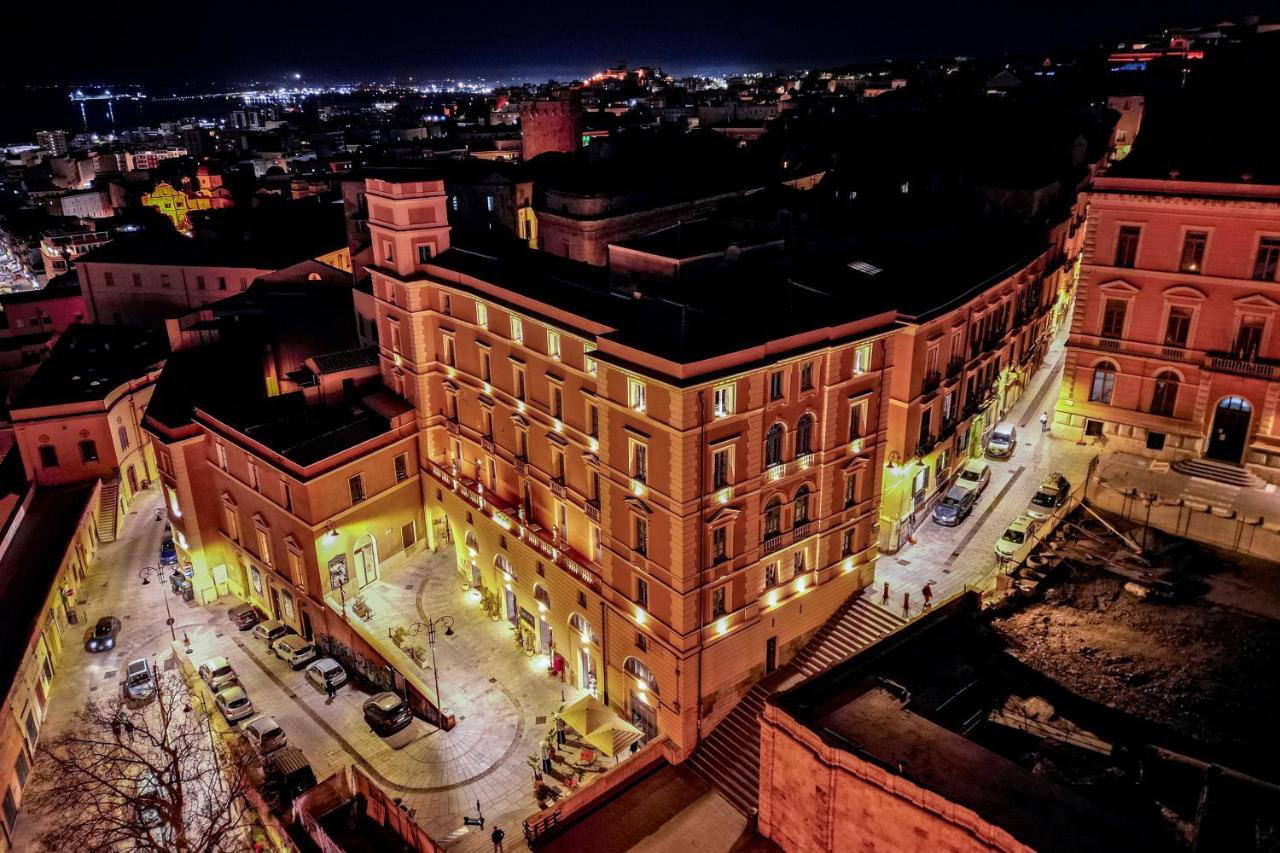
On Corso Vittorio Emanuele II, Cagliari's main promenade, Nansen occupies a position in the city's mid-range dining tier where Sardinian ingredient logic and contemporary technique converge. The address alone places it within walking distance of the Castello quarter and the historic marina, two neighbourhoods that shape how the city eats. For visitors looking to read the island through its produce, this is a practical starting point.
Pearl is the En Primeur Club membership app — saves, bookings, and concierge access live there. Same editors, same standards.
- Address
- Corso Vittorio Emanuele II, 269, 09123 Cagliari CA, Italy
- Phone
- +39706670335
- Directions
- Get directions
 Saves & bookings on Pearl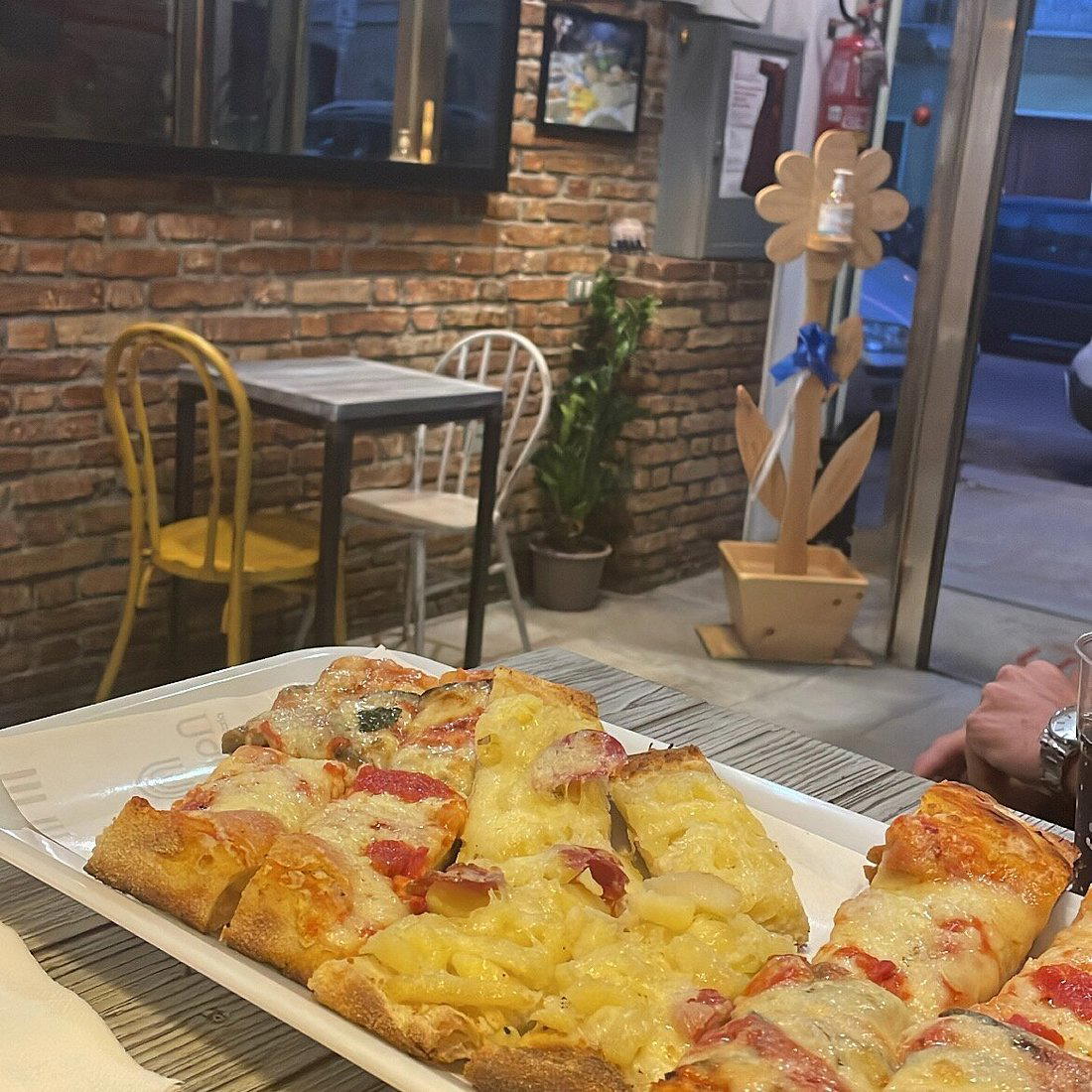
Corso Vittorio Emanuele II and the Logic of Sardinian Produce
Cagliari's main boulevard moves between the old city walls and the waterfront with a kind of unhurried confidence, and the restaurants along it tend to reflect that rhythm. Nansen sits at number 269, close enough to the Castello quarter to draw on a centuries-old tradition of inland produce, and close enough to the port that the salt air is a constant presence. That geography is not incidental to how Sardinian kitchens work. The island's cuisine has always been defined by a dual sourcing logic: the sea on one side, the mountainous interior on the other, with sheep's milk cheeses, cured meats, wild herbs, and bitter honeys arriving from the latter as reliably as fish from the former.
In that context, a restaurant's position on Corso Vittorio Emanuele II is already a statement about which version of Sardinian cooking it wants to engage with. The street has seen several dining registers come and go, from old-school trattorie to the more technique-driven formats that have arrived in the past decade. Nansen occupies that corridor without the institutional weight of somewhere like ChiaroScuro, which has built a more formalised Sardinian identity over time, but with enough ambition to distinguish it from purely casual neighbourhood eating.
Where Ingredient Sourcing Drives the Room
Across Italy's more serious regional kitchens, the question of sourcing has moved from background credential to front-of-house conversation. At Uliassi in Senigallia, the Adriatic catch frames the entire tasting architecture. At Piazza Duomo in Alba, Langhe producers are named with the specificity of wine appellations. Sardinia has its own version of this, driven by the island's geographic isolation and the resulting integrity of its food supply chains. Sheep raised on scrubland pasture, bottarga produced in the lagoons around Cabras, fregola ground locally, mirto harvested from wild myrtle, these are not boutique ingredients assembled for effect, they are the baseline of how the island has always eaten.
A restaurant at Nansen's address, in a city where visitors increasingly arrive with that sourcing knowledge already in hand, has a clear opportunity: to act as a legible entry point into that produce world without the ceremony of a full tasting menu. Cagliari's mid-range dining tier, which includes CUCINA.eat at the more accessible end and Amanõ at the contemporary end, is where that translation most often happens. The ingredient does the talking; the kitchen's job is not to complicate it.
Cagliari's Dining Tier and What It Signals
It helps to understand where Cagliari sits in the wider Italian fine-dining conversation. The island has no Michelin three-star presence and no entry in the Osteria Francescana tier of nationally discussed restaurants. What it has instead is a dense, honest mid-market with occasional flashes of genuine technique, a pattern it shares with other southern Italian cities rather than with the northern fine-dining corridors around Milan or the Langhe. Institutions like Enrico Bartolini in Milan or Le Calandre in Rubano represent a different competitive register entirely, one defined by sustained critical apparatus and international positioning. Cagliari's identity is more grounded, and its better restaurants tend to operate as evidence of place rather than proof of technique for its own sake.
Within that frame, Nansen's location on the city's principal artery puts it in a comparable set alongside Duanima and Da Marino al St Remy, both of which lean on Mediterranean sourcing and neighbourhood consistency rather than tasting-menu theatre. That is the operating mode of the city's credible mid-range, and it is one worth understanding before booking.
The Italian Regional Kitchen in Broader Context
Sardinia's culinary position within Italy has always been slightly apart from the mainland conversation, and that separateness is a structural advantage for ingredient-led cooking. The island did not absorb the industrialised food supply that changed eating patterns elsewhere in Europe during the postwar decades to the same degree, which means its producers retained practices that now command serious attention in sourcing-conscious kitchens internationally. Bottarga from Cabras has found its way onto menus at Le Bernardin in New York. Sardinian pecorino appears in the supply chains of restaurants across northern Europe. The ingredient story, in other words, does not stop at the island's coastline.
For kitchens operating within Cagliari itself, that global recognition of local produce creates both an obligation and a competitive signal. Diners arriving from outside Sardinia now carry expectations shaped by the island's ingredient reputation. Restaurants that source well and communicate that sourcing clearly are better positioned to meet those expectations than those that treat local produce as assumed background. This is the distinction that separates credible mid-range dining in Cagliari from the merely adequate, and it is the frame through which Nansen's offer on Corso Vittorio Emanuele II is leading read.
Comparable coastal kitchens elsewhere in Italy, including Quattro Passi in Marina del Cantone and Reale in Castel di Sangro, demonstrate how regional specificity can build into a distinct competitive identity when ingredient provenance is treated as the primary editorial voice of the menu. Sardinia's conditions are at least as favourable for that approach, and Cagliari's better restaurants are increasingly making that argument through what arrives on the plate.
Planning Your Visit
Nansen sits on Corso Vittorio Emanuele II in central Cagliari, a street with consistent foot traffic and good public transport access, making it easy to reach from the Villanova quarter or the waterfront without a car. The broader Cagliari dining scene rewards evening visits: the city follows a southern Italian rhythm in which lunch remains functional for most locals and dinner carries the social weight. For a fuller orientation to the city's restaurant options across formats and price points, the EP Club Cagliari restaurants guide covers the mid-range and upper tiers in detail. Those planning a longer stay in Italy with an appetite for higher-register dining might also consider how Sardinia fits into an itinerary that includes Atelier Moessmer Norbert Niederkofler in Brunico or Enoteca Pinchiorri in Florence, both of which operate at a different scale but share a commitment to Italian regional produce as the organising principle of the menu.
In Context: Similar Options
Comparable venues nearby, for context on price, style, and recognition.
| Venue | Cuisine | Price | Awards | Notes |
|---|---|---|---|---|
| NansenThis venue — the venue you are viewing | Authentic Italian Pizza by the Slice | $ | Not listed | Not listed |
| La Bottega del Panino | Italian Panini Shop | $ | Not listed | Poetto |
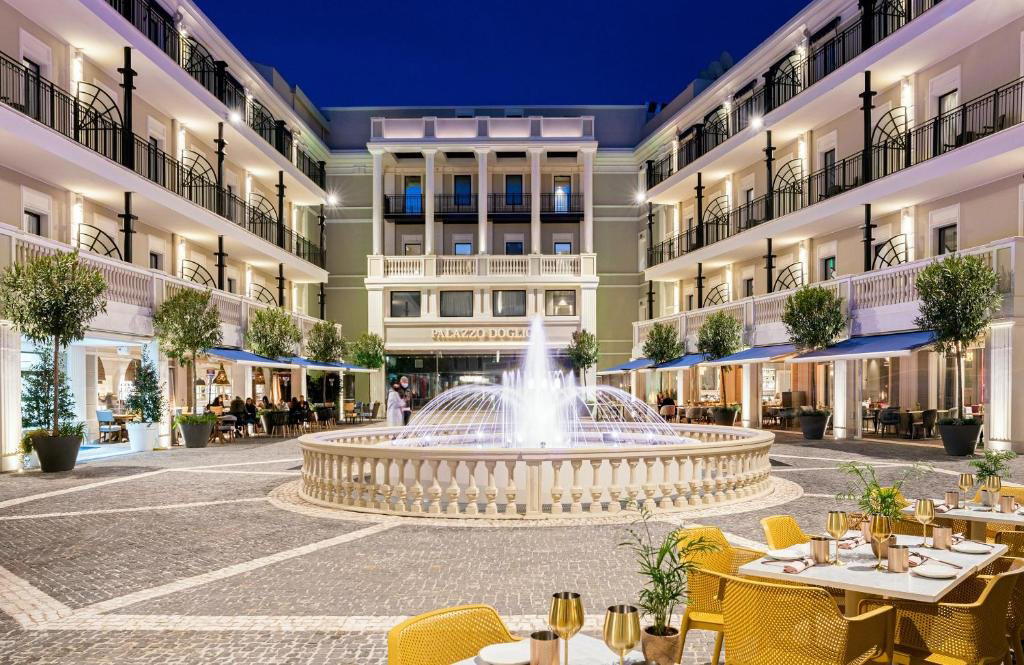
| Maiori | Modern Neapolitan Pizza | $$$ | Not listed | Palazzo Doglio |
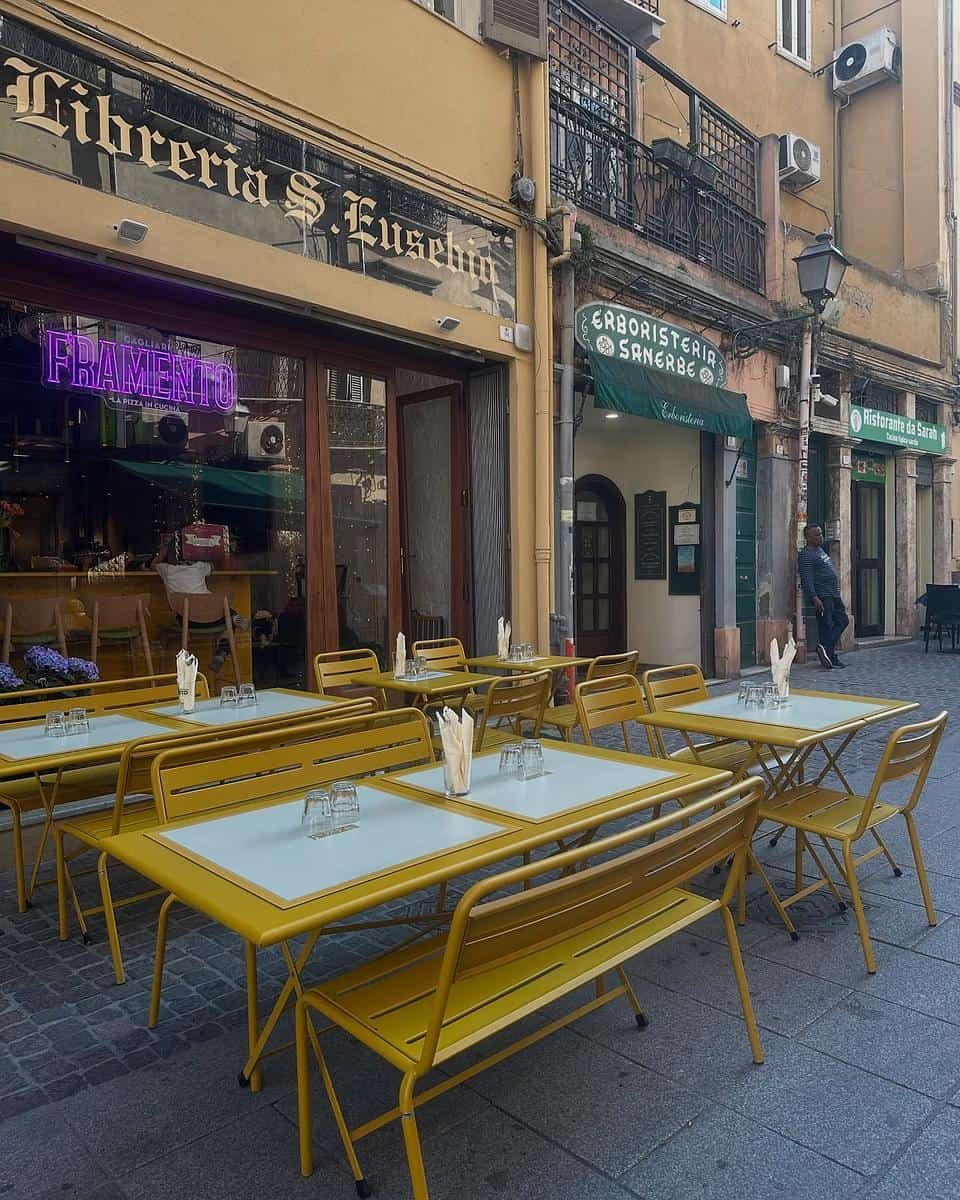
| Framento | Sardinian Sourdough Pizza | $$ | Not listed | Corso Vittorio Emanuele |
| Gli Uffici | Modern Italian Fine Dining | $$$ | Michelin Plate | Castello |
| Josto | Modern Sardinian Fine Dining | $$$ | Michelin Plate | Centro |
Continue exploring
More in Cagliari
Restaurants in Cagliari
Browse all →
Bars in Cagliari
Browse all →
Hotels in Cagliari
Browse all →


At a Glance
- Classic
- Lively
- Casual Hangout
- Late Night
Current opening hours
- Monday
- Closed
- Tuesday
- 11:30 AM–2:30 PM, 6:45–11 PM
- Wednesday
- 11:30 AM–2:30 PM, 6:45–11 PM
- Thursday
- 11:30 AM–2:30 PM, 6:45–11 PM
- Friday
- 11:30 AM–2:30 PM, 6:45–11 PM
- Saturday
- 6:45–11 PM
- Sunday
- Closed
Hours can change for holidays and private events. Last verified .
Casual pizzeria atmosphere focused on takeaway and quick seating with authentic Italian pizza vibes.