Framento takes its name from the Sardinian word for sourdough, and the name does real work. This contemporary pizzeria on Corso Vittorio Emanuele II builds its menu on long-fermented, multi-flour dough and a disciplined sourcing approach rooted in seasonal Sardinian produce. Three Spicchi from Gambero Rosso place it among Italy's recognised pizza addresses.
Pearl is the En Primeur Club membership app — saves, bookings, and concierge access live there. Same editors, same standards.
- Address
- Corso Vittorio Emanuele II, 94, 09123 Cagliari CA, Italy
- Phone
- +39 070 667 0370
- Website
- dijef.com
- Directions
- Get directions
 Saves & bookings on Pearl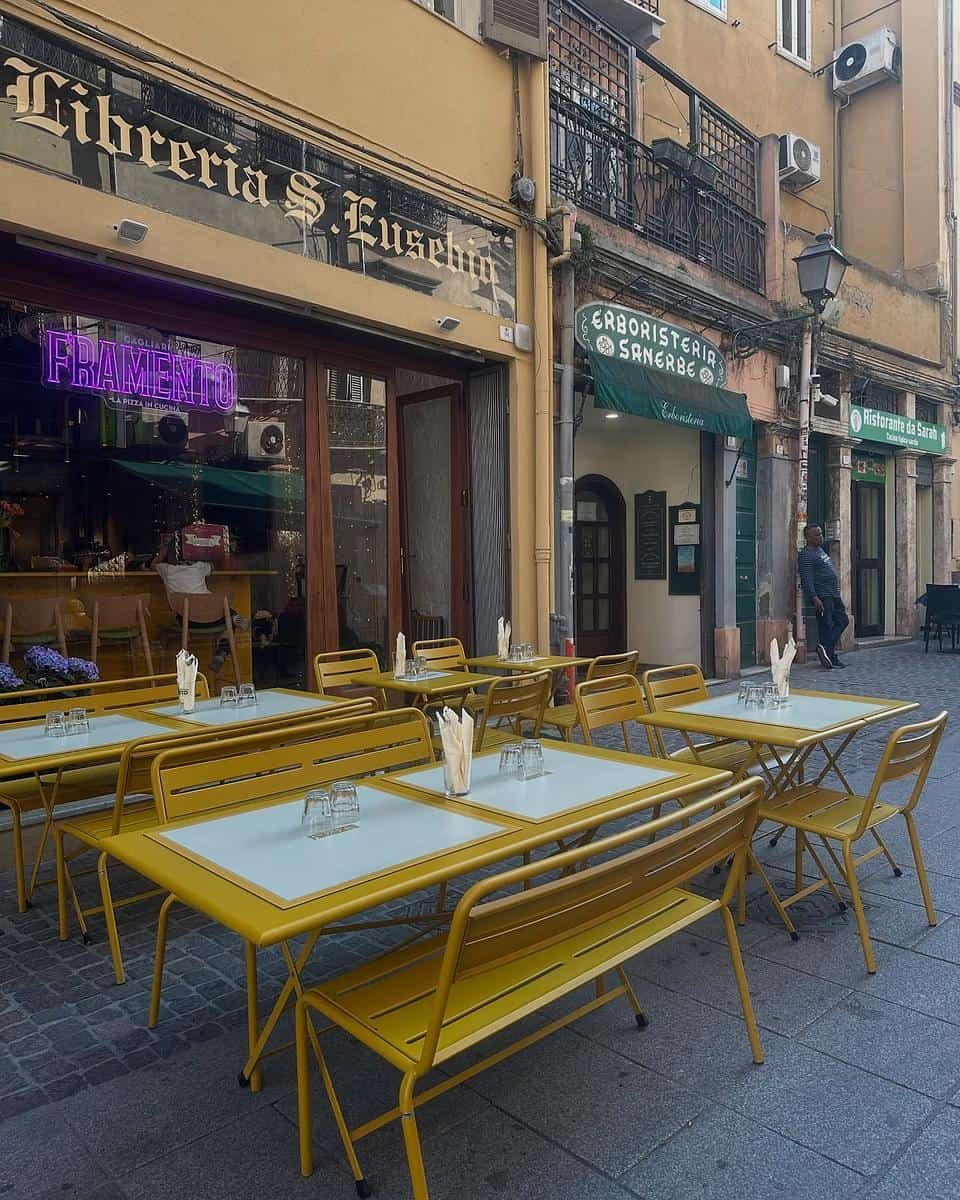
Where Sourdough Meets the Sardinian Pantry
Cagliari's main corso carries a particular energy in the colder months: shopfronts lit against early dusk, pedestrians moving with purpose, and the smell of the city's older stone mixing with whatever drifts from the neighbourhood's kitchens. Framento is a restaurant in Cagliari serving Sardinian sourdough pizza at an accessible price point. The name itself, drawn from the Sardinian word for sourdough, is a statement of method, not just branding.
Italian pizza has fractured into serious subcultures over the past two decades. Naples holds its denominazione protetta status and its strict dough orthodoxy. Rome's scrocchiarella school values cracker-thin crispness. And a third wave, harder to categorise geographically, has emerged from pizzerias that treat fermentation, flour blending, and local ingredient sourcing as the primary variables worth controlling. Framento belongs to this third category. In a city better known internationally for Sardinian cuisine's meat and cheese traditions than for pizza, that positioning is specific and considered.
The Logic of Long Fermentation
The operative detail at Framento is the dough. Long-fermented and built from a blend of flours rather than a single variety, it represents a technical approach that has become the clearest dividing line in contemporary Italian pizza. Extended fermentation, typically 48 to 72 hours or longer at controlled temperatures, produces a lighter, more digestible crust with a complexity of flavour that a same-day dough cannot replicate. The multi-flour blend adds another layer of intention: different grains contribute different gluten structures, different degrees of water absorption, and different aromatic compounds once baked.
This is the kind of precision that Gambero Rosso's pizza classification system is designed to measure. Framento holds three Spicchi from Gambero Rosso. For Cagliari, it is a meaningful signal.
For context on how Italy's broader fine-dining scene operates alongside this kind of specialist recognition, the country's most cited restaurant addresses, from Osteria Francescana in Modena to Enoteca Pinchiorri in Florence and Le Calandre in Rubano, sit within a credentialling culture that takes craft categories seriously. Pizza, at this level, is not a lesser category.
Sardinia on the Dough
The menu at Framento draws on local, seasonal Sardinian ingredients, which in practice means the toppings operate as a regional argument. Sardinia's food identity is anchored in a specific set of raw materials: sheep's milk cheeses like Pecorino Sardo and the aged Fiore Sardo, cured meats including the prized Axridda and various local sausages, wild herbs from the macchia scrubland, bottarga from Cabras, and vegetables shaped by a climate that produces long growing seasons with concentrated flavour. When these ingredients meet a technically refined base, the result is a pizza that reads as specifically Sardinian rather than generically Italian.
This localist approach has parallels in how other serious Italian restaurants have differentiated themselves by tethering technique to geography. The same commitment to regional identity visible at addresses like Atelier Moessmer Norbert Niederkofler in Brunico or Dal Pescatore in Runate operates at different price points and formats, but the underlying logic, that a place is most coherent when it expresses where it is, applies equally to a pizzeria working with island-sourced seasonal produce.
Cagliari's dining scene rewards visitors who look beyond the first tier of obvious seafood restaurants. The city has a set of contemporary addresses that each work a specific angle on Sardinian cooking: CUCINA.eat and Duanima approach the same local-ingredient logic from a modern cuisine perspective, while Amanõ and Da Marino al St Remy extend that approach into Mediterranean-facing territory. Framento operates in a distinct register from all of them, making it a complement rather than an alternative on any serious Cagliari itinerary.
Visiting in Winter
Framento's seasonal sourcing makes timing a relevant variable for what actually arrives on the dough. The winter months, January, February, and the transition into March, correspond to a particular phase in Sardinia's agricultural calendar: root vegetables, winter brassicas, legumes, preserved and cured products that depend on the autumn pig-slaughter cycle, and aged cheeses that have had time to develop. For visitors who travel to Cagliari during the island's quieter season, when tourist pressure is low and the city functions at its own pace, the menu at this point in the year reflects that specific moment in the Sardinian larder.
The corso itself in winter carries a different character than the high-summer version. The light is lower, the pavement less crowded, and the city's own residents are more visibly present in its restaurants. That shift in atmosphere suits the format of a serious pizzeria: this is not a beach-break dining decision but a considered evening out, which is also when the dough's qualities, its depth, its chew, its digestibility, register most clearly.
Planning Your Visit
Framento is located at Corso Vittorio Emanuele II, 94, in the 09123 postcode of Cagliari, on one of the city's main pedestrian arteries. Current hours are Mon: 8 AM-11:30 PM; Tue: 8 AM-11:30 PM; Wed: 8 AM-11:30 PM; Thu: 8 AM-10:30 PM; Fri: 8 AM-11:30 PM; Sat: 8 AM-11:30 PM; Sun: 8 AM-11:30 PM. Reservations are recommended, and the price tier is moderate. Reservations are recommended, particularly on weekend evenings.
Similar Picks
Comparable venues nearby, for context on price, style, and recognition.
| Venue | Cuisine | Price | Notes |
|---|---|---|---|
| FramentoThis venue — the venue you are viewing | Sardinian Sourdough Pizza | $$ | Not listed |
| La Bottega del Panino | Italian Panini Shop | $ | Poetto |
| Sa Domu Sarda | Authentic Sardinian Cuisine | $$ | Marina di Cagliari |
| Duanima | Modern Sardinian Contemporary | $$$ | Cagliari Centro |
| Gli Uffici | Modern Italian Fine Dining | $$$ | Castello |
| Josto | Modern Sardinian Fine Dining | $$$ | Centro |
Recognition history
Dated appearances from independent guides and award organizations, with the underlying list record or original source where available.
50 Top Pizza Italia #51
50 Top Pizza
50 Top Pizza Italy #63
50 Top Pizza
Continue exploring
More in Cagliari
Restaurants in Cagliari
Browse all →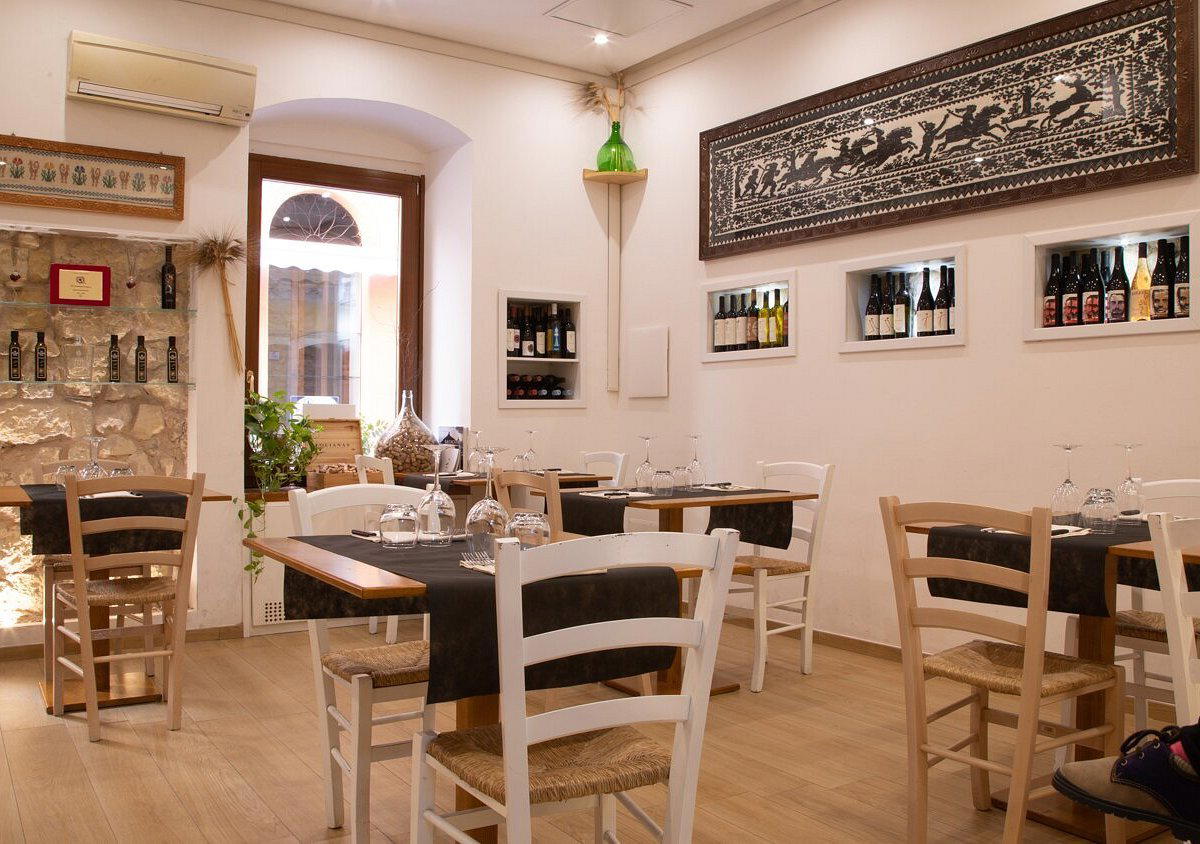
Bars in Cagliari
Browse all →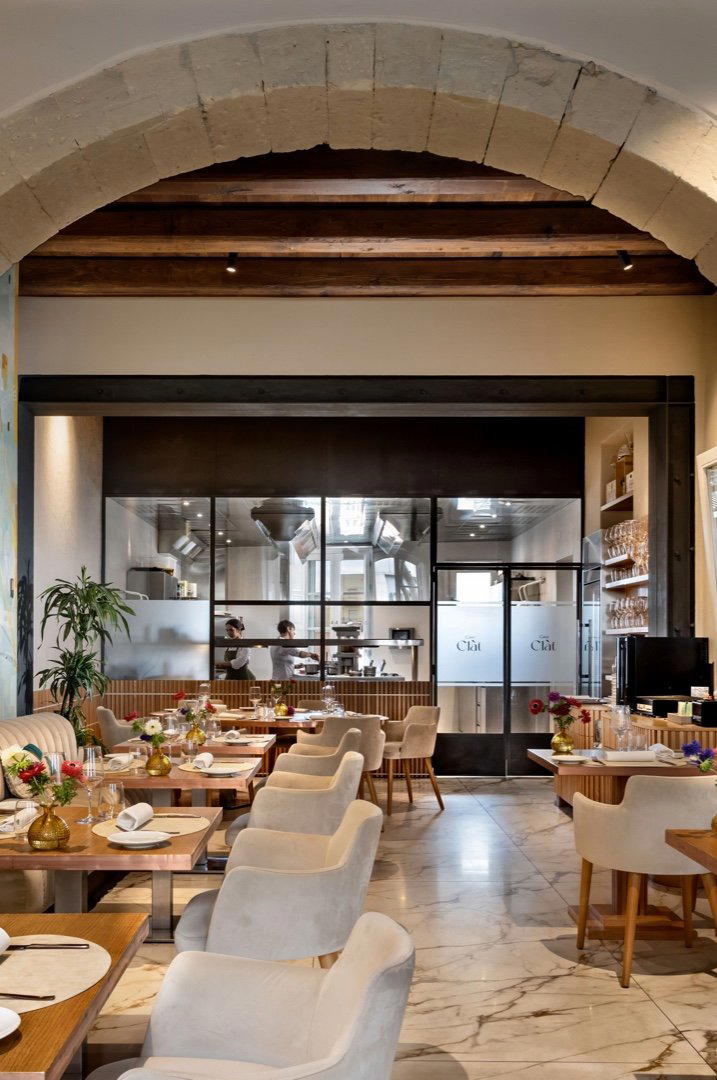
Hotels in Cagliari
Browse all →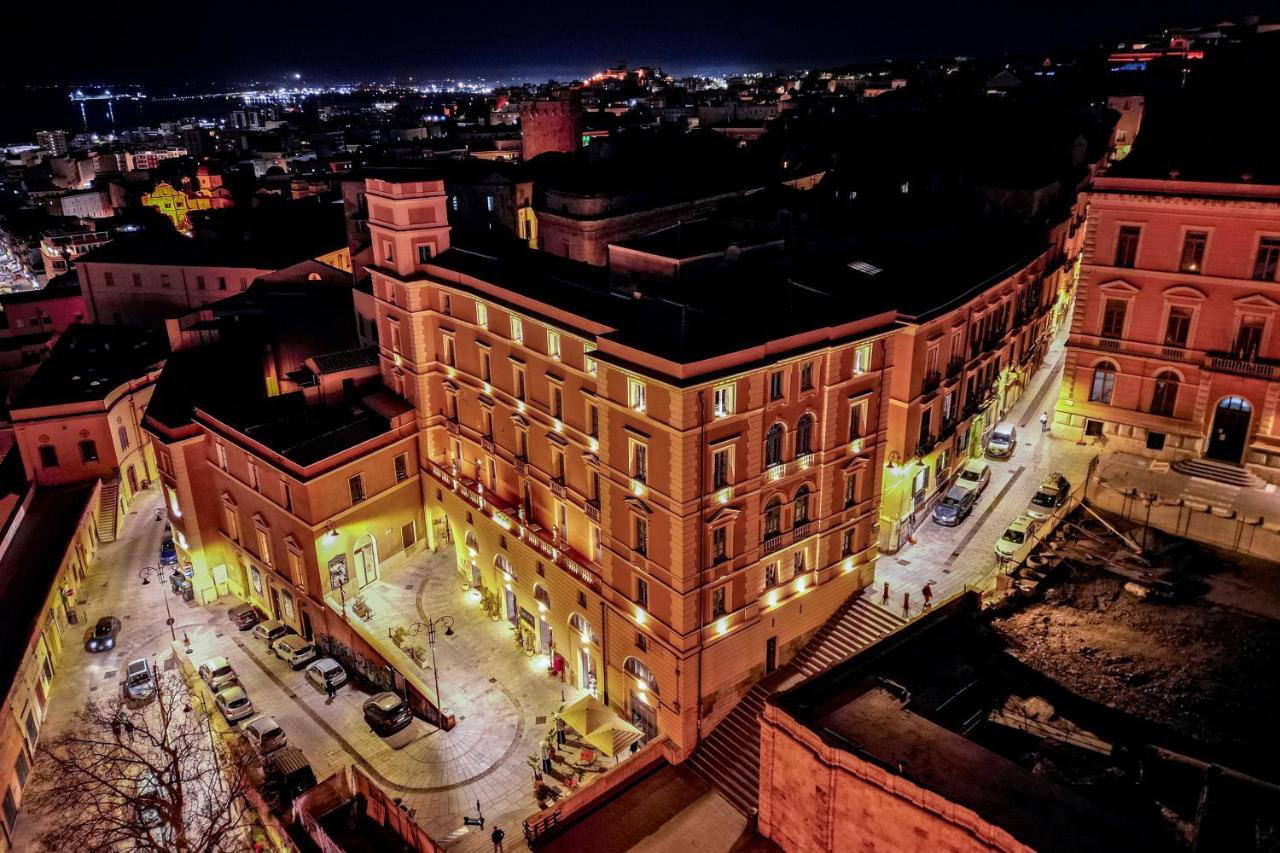

At a Glance
- Cozy
- Casual
- Rustic
- Casual Hangout
- Family
- Group Dining
- Open Kitchen
- Beer Program
- Local Sourcing
Current opening hours
- Monday
- 8 AM–11:30 PM
- Tuesday
- 8 AM–11:30 PM
- Wednesday
- 8 AM–11:30 PM
- Thursday
- 8 AM–10:30 PM
- Friday
- 8 AM–11:30 PM
- Saturday
- 8 AM–11:30 PM
- Sunday
- 8 AM–11:30 PM
Hours can change for holidays and private events. Last verified .
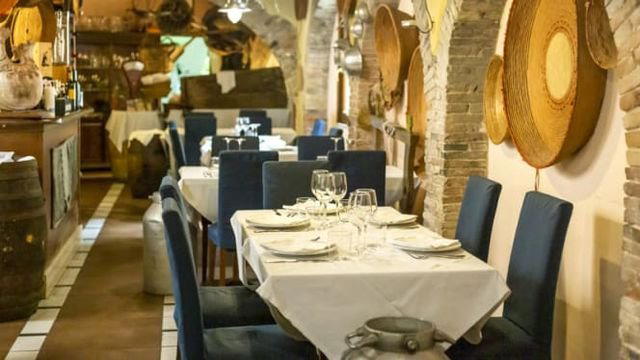
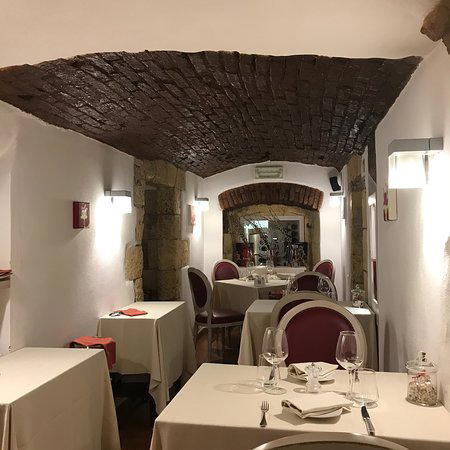
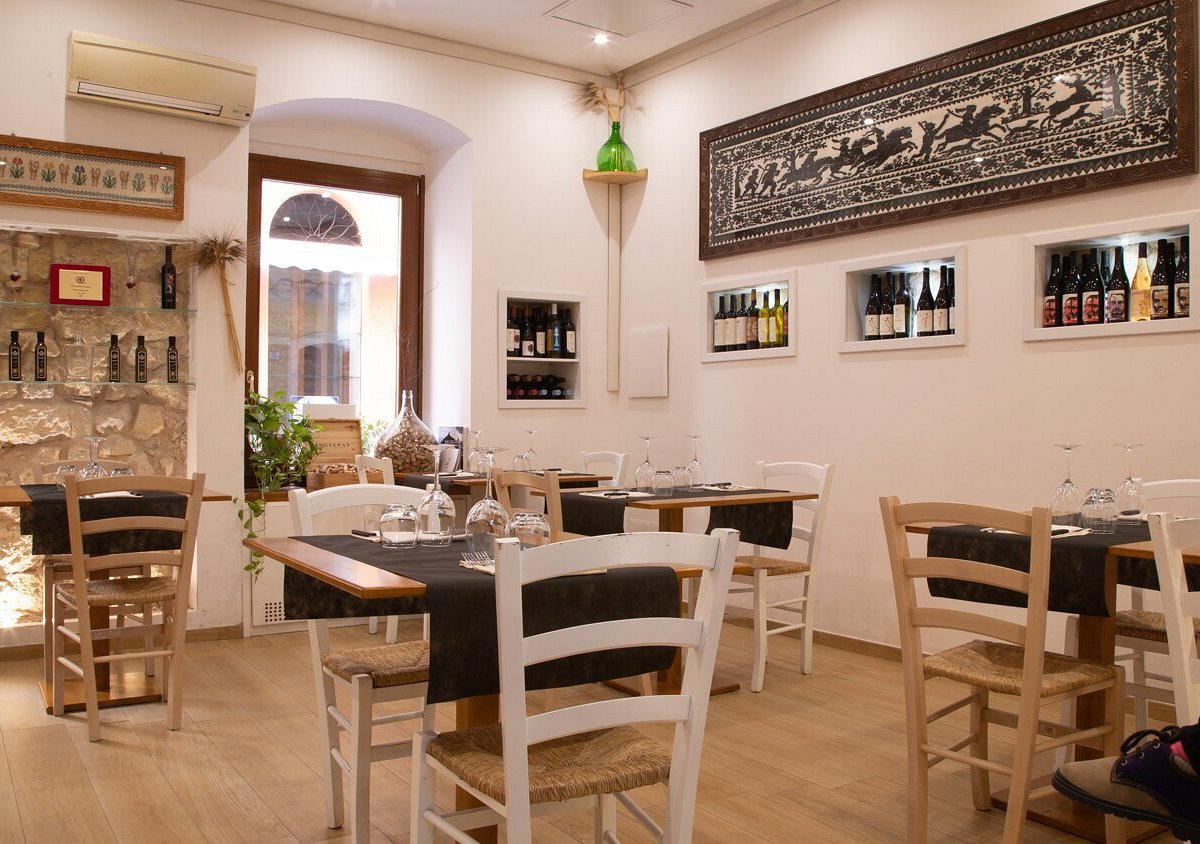
Warm, cozy atmosphere in a historical building with welcoming decor, stone arches, wood beams, and industrial-chic elements.