
Michelin Plate
Our verdict
Building 12 on Middle Huaihai Road houses a Sichuan kitchen that draws on provincial sourcing and traditional technique. The team behind Nan Xing Yuan centres the menu on ingredients shipped direct from Sichuan, with peppercorns, preserved vegetables, and chilies forming the backbone of a regional repertoire that stays close to home-cooking traditions rather than Shanghai-adapted formats.

Pearl is the En Primeur Club membership app, where members save venues, book tables and use the concierge.
The menu
What to order
- Napa cabbage in chicken consommé
- Sautéed shredded pork with green chilli
- Sichuan-style char siu
- Kung Pao eggplant
- Crab roe with snowflake shrimp paste
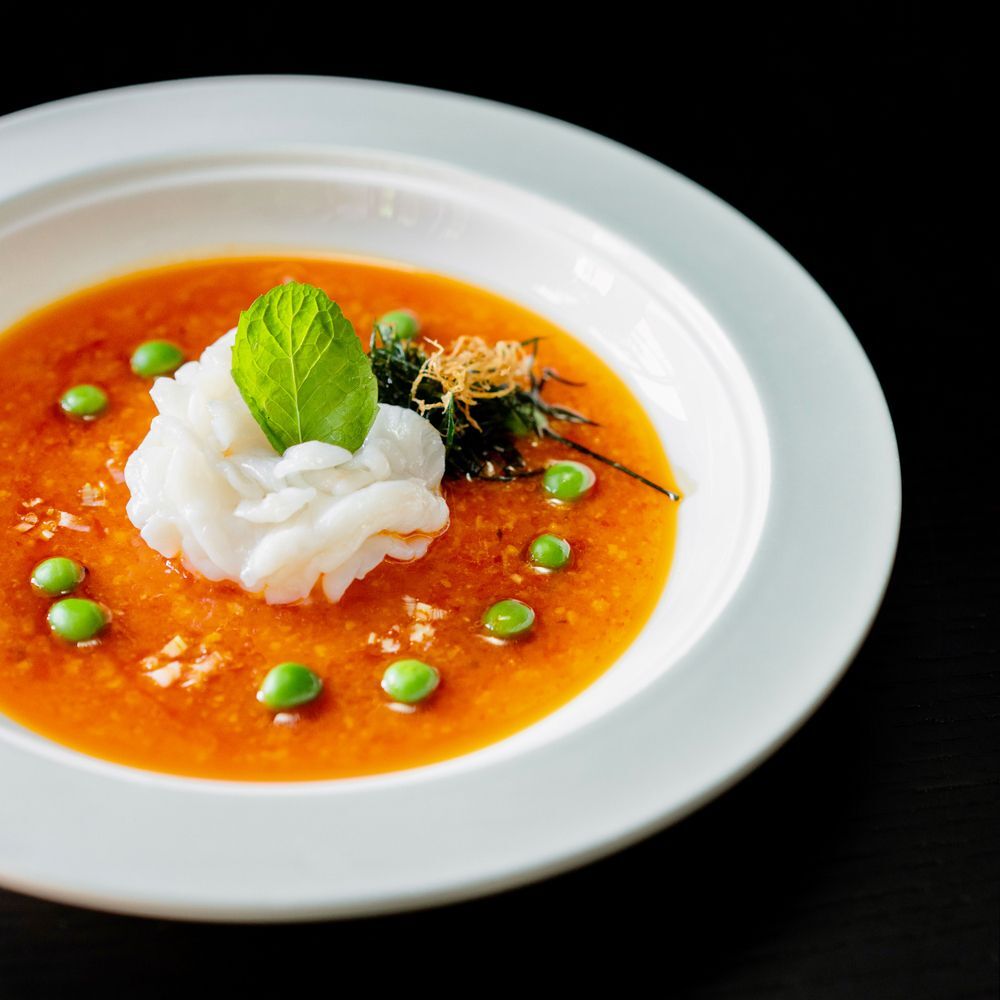
- Bamboo-wrapped fish maw
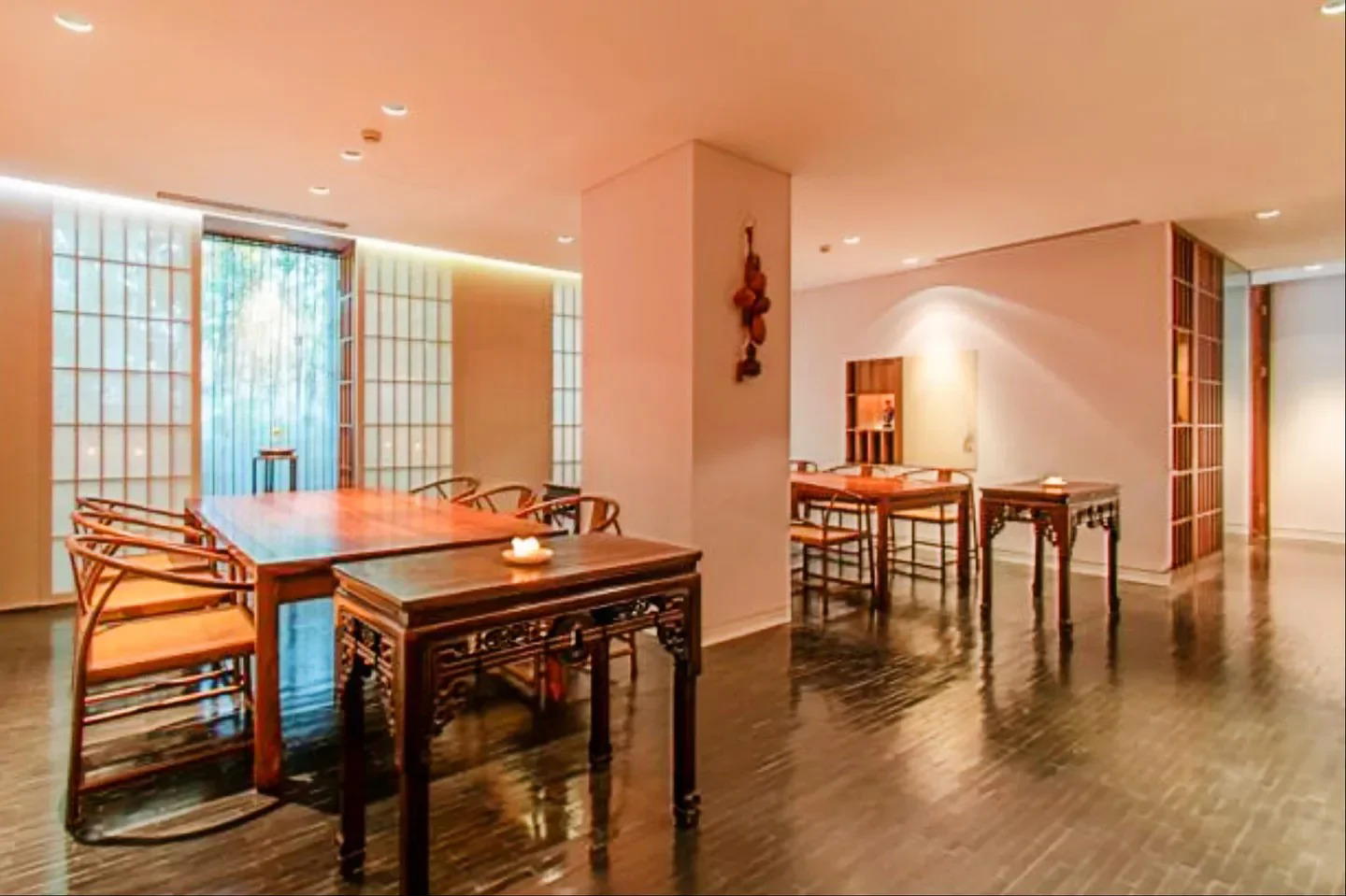
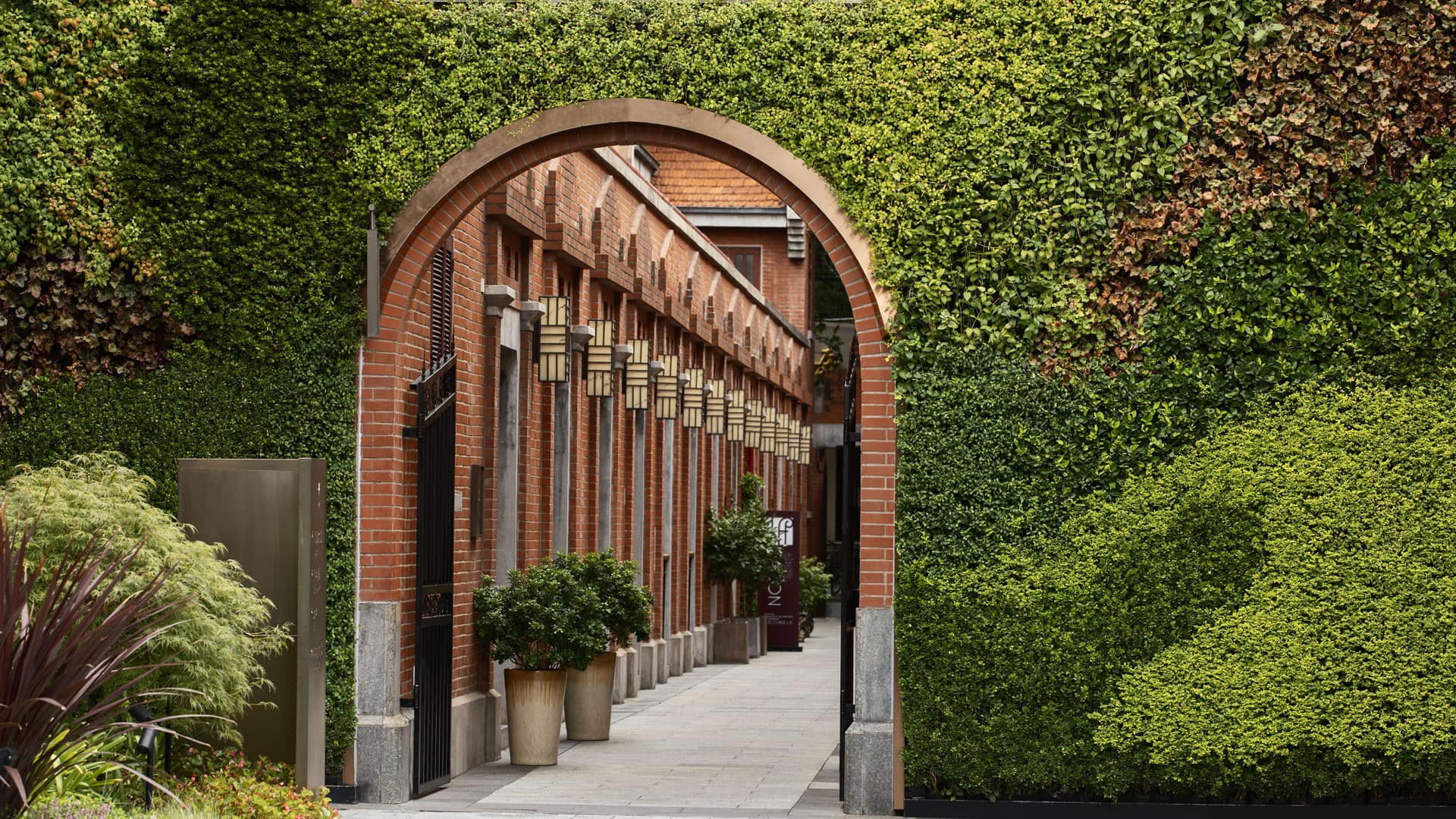
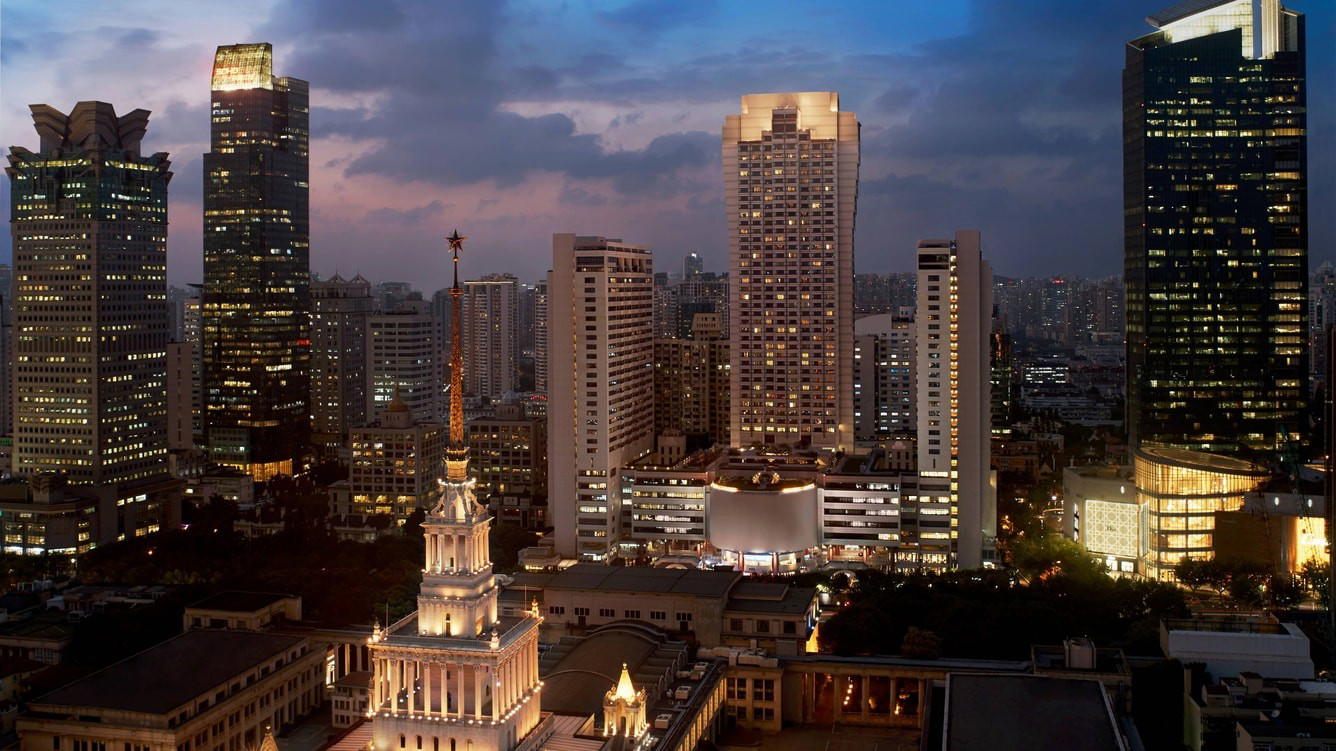
Middle Huaihai Road in Xuhui runs through one of Shanghai's denser clusters of international retail and residential blocks, and Building 12 at number 1728 sits among mid-rise structures that mix fashion flagships with independent restaurants. Nan Xing Yuan occupies a ground-floor space in this complex, its entrance marked by simple signage and a dining room that favours wood furniture and minimal decoration. The restaurant draws a neighbourhood clientele, with tables filling quickly during lunch and dinner service.
The kitchen is helmed by a team of Sichuan chefs who centre the menu on ingredients sourced directly from the province. Sichuan peppercorns arrive from Hanyuan County, preserved mustard greens from Yibin, and dried chilies from the Chongqing basin. This supply chain matters in a city where many Sichuan restaurants adapt recipes to local palates, dialling down heat or substituting preserved components with fresh equivalents. Nan Xing Yuan runs closer to the provincial playbook, where fermentation, pickling, and drying anchor the flavour structure and the numbing tingle of Sichuan peppercorn is expected rather than optional.
The Provincial Technique on Display
Sichuan cooking divides into several regional styles, Chengdu's refined tea-house fare, Chongqing's aggressive fire-pot culture, and the rural home-cooking tradition that relies on preserved vegetables and slow braises. Nan Xing Yuan leans toward the last category, with dishes that reference farmhouse kitchens rather than banquet halls. Double-cooked pork appears with leeks and fermented black beans, the pork belly sliced thin and fried until the edges crisp. Mapo tofu arrives in a clay pot with silken tofu cubes suspended in a sauce built from fermented broad beans, ground pork, and enough chili oil to stain the surface red. Fish-fragrant eggplant, a misnomer, as no fish appears, layers garlic, ginger, pickled chili, and vinegar into a sweet-sour-savoury glaze that coats blistered eggplant batons.
The kitchen also runs a selection of cold-dressed plates that serve as appetizers or side dishes. Sliced beef shank arrives under a blanket of chili oil and crushed peppercorns, the meat tender from a long simmer in master stock. Cucumber salad balances fresh crunch with a dressing of black vinegar, sesame paste, and fermented chili. These cold dishes act as palate breaks in a meal that otherwise builds heat progressively, and they reflect a structural logic common to Sichuan home meals, where multiple flavour profiles, numbing, sour, sweet, salty, hot, appear across a single table rather than sequentially.
Context in Shanghai's Sichuan Scene
Shanghai hosts several tiers of Sichuan dining. The leading end includes restaurants with chef-driven menus and award recognition, where technique and presentation align with fine-dining expectations. The middle tier runs family-style operations that serve the city's large Sichuan migrant community, with generous portions and prices that favour volume over refinement. Nan Xing Yuan sits in the middle, offering ingredient quality and technique that exceed neighbourhood canteens without the plating theatrics or price premiums of the city's ranked Sichuan venues. The restaurant competes with similar operators in Xuhui and neighbouring Jing'an, where ingredient sourcing and chef training matter more than dining-room design or bilingual menus.
For visitors interested in Sichuan cooking, Nan Xing Yuan offers a useful comparison point. The menu avoids the fusion touches, truffle oil, foie gras, black cod, that appear at higher-end Sichuan restaurants aiming to justify premium pricing. It also skips the simplified heat bombs common at tourist-facing spots, where every dish arrives smothered in the same chili-oil formula. Instead, the kitchen demonstrates how fermentation, pickling, and careful spice blending create layered heat rather than one-note burn. The numbing sensation from Sichuan peppercorn builds slowly, allowing other flavours, the funk of fermented beans, the sweetness of caramelised pork fat, the tang of aged vinegar, to register before the heat peaks.
Shanghai's dining landscape includes a wide range of regional Chinese cuisines, from Cantonese dim sum at 100 Century Avenue Cantonese to the steakhouse format at 100 Century Avenue Steakhouse. Sichuan remains one of the most popular categories, and the province's influence extends beyond dedicated restaurants into hot-pot chains, street-food stalls, and fusion concepts. Nan Xing Yuan sits firmly in the traditional lane, where the goal is to replicate provincial home cooking rather than innovate or adapt. That focus makes it a reliable choice for diners who want to benchmark what Sichuan cooking tastes like when ingredient sourcing and technique align with regional standards, without the interpretive layer that often accompanies high-end Chinese dining in Shanghai.
For broader Shanghai dining context, see our full Shanghai restaurants guide, which maps the city's range from neighbourhood Sichuan kitchens to Michelin-starred Cantonese halls. Related venues include 102 House Shanghai and 102 House (Cantonese), both in the same district. For accommodation and nightlife, consult our full Shanghai hotels guide and our full Shanghai bars guide.
Frequently asked questions
Is Nan Xing Yuan a family-friendly restaurant?
The restaurant operates with a Sichuan provincial cooking team at Building 12, 1728 Middle Huaihai Road, and the format accommodates group dining typical of Shanghai's neighborhood Sichuan spots. Heat levels in Sichuan cooking vary by dish, so families ordering mildly spiced options will find the kitchen flexible.
What's the overall feel of Nan Xing Yuan?
Nan Xing Yuan occupies a building address in Xuhui, staffed by chefs trained in Sichuan regional technique rather than fusion or contemporary interpretation. The kitchen prioritizes provincial method over dining-room polish, which places it in the traditional-format tier of Shanghai's Sichuan scene rather than the chef-driven award category.
What's Nan Xing Yuan known for in terms of accolades?
Nan Xing Yuan has received recognition including: Helmed by a team of Sichuan chefs....
Where exactly is Nan Xing Yuan?
Nan Xing Yuan is located at Building 12, 1728 Middle Huaihai Road, Xuhui, Shanghai, Shanghai Municipality, CHN, Shanghai.
Comparison Snapshot
Comparable venues by cuisine and price in the same metro.
| Venue | Cuisine | Price | Awards |
|---|---|---|---|
| Nan Xing Yuan | Elevated Sichuan Banquet Cuisine | $150–200 | Michelin Plate · Black Pearl 1 Diamond |
| Xing Guo Lu | Shanghainese | Not listed | Not listed |
| Franck Bistrot | Classic French Bistro | $50–100 | Star Wine List |
| Wu Kang Lu | French Bistro & Cafe Culture | $20–30 | Not listed |
| Malt Fun | Whisky Bar | $50–100 | Not listed |
Recognition history
Dated appearances from independent guides and award organizations, with the underlying list record or original source where available.
Michelin Plate
Michelin
Continue exploring
More in Shanghai
Restaurants in Shanghai
All restaurants in Shanghai →
Bars in Shanghai
All bars in Shanghai →
Details
- Elegant
- Classic
- Quiet
- Sophisticated
- Special Occasion
- Business Dinner
- Group Dining
- Date Night
- Private Dining
- Design Destination
- Standalone
- Tasting Menu
- Set Menu
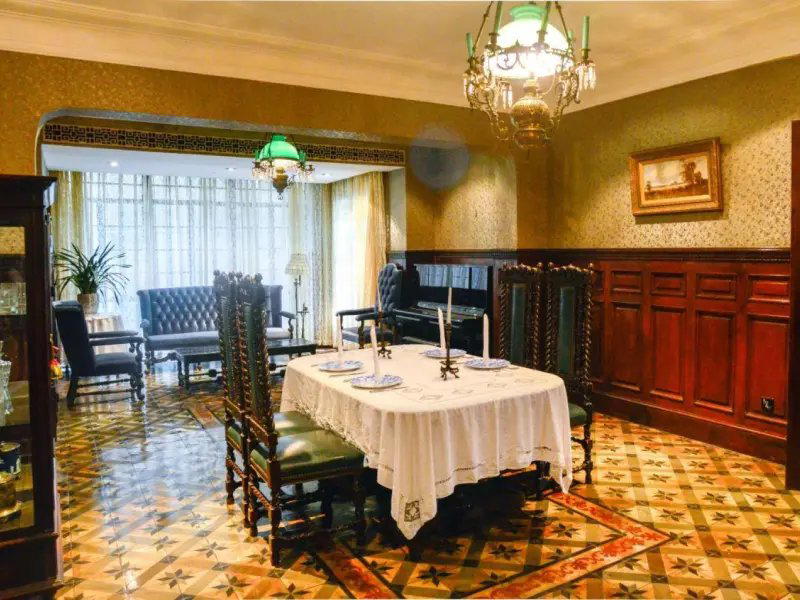
Set in a restored English-style villa with private rooms and a welcoming main hall, the atmosphere is quietly elegant and refined, blending traditional cultural touches with a calm, high-end dining feel suited to focused, extended meals and special gatherings.